In Chemical and Pharmaceutical Plants, Waste Gas Treatment Engineering Must First Address Safety
en.Wedoany.com Reported - Waste gas treatment in chemical and pharmaceutical plants is far more complex than ordinary industrial ventilation. Exhaust streams may contain organic solvents, acid and alkaline gases, halogenated hydrocarbons, sulfur compounds, ammonia, odorous gases and flammable components. For these enterprises, the first principle of Waste Gas Treatment Engineering is not equipment selection, but safety boundary assessment.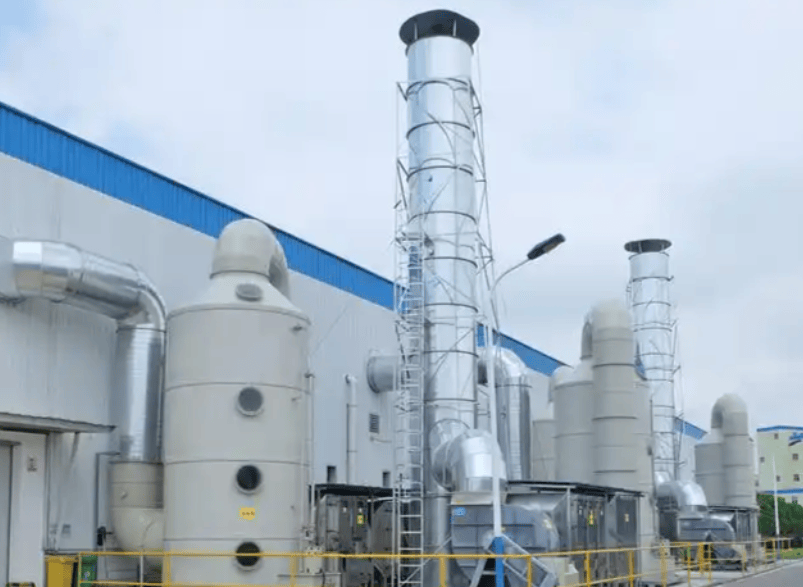
Chemical waste gas risks mainly fall into four categories. The first is explosion risk: some organic exhaust streams may approach lower explosive limits and require concentration control or dilution before entering combustion or adsorption systems. The second is corrosion risk, as acid gases, chlorides and moisture can corrode ducts, fans, valves and equipment. The third is reaction risk, because different waste gases may react when mixed. The fourth is secondary pollution, since absorption liquids, spent activated carbon, condensate and spent catalysts require proper disposal.
EPA materials on air pollution control technologies describe control technologies by applicable pollutants, removal performance, application characteristics and cost. This approach is especially important for chemical and pharmaceutical plants, because treatment systems cannot be selected only under broad labels such as VOCs or acid mist. They must be selected based on specific composition and operating conditions.
Common treatment combinations include condensation recovery, acid or alkaline scrubbing, activated carbon adsorption, zeolite rotor concentration, regenerative thermal oxidation, catalytic oxidation, incineration and biological deodorization. High-concentration recoverable solvents should be evaluated for condensation and recovery. Low-concentration, high-volume organic waste gas may require concentration followed by oxidation. Chlorinated, sulfur-containing or corrosive gases require material selection, corrosion protection and downstream acid gas treatment.
Chemical and pharmaceutical Waste Gas Treatment Engineering should complete HAZOP analysis, material safety data review and explosion limit assessment before design. Treatment systems should include LEL monitoring, flame arresters, explosion relief, emergency shutdown, bypass protection, temperature monitoring and fire interlocks. Shared systems serving multiple workshops must also avoid mixing incompatible gases.
The future of chemical and pharmaceutical waste gas treatment is not about making systems more complex. It is about integrating safety, compliance, recovery and maintenance. Only after safety is ensured should treatment efficiency and operating cost be optimized.
This article is compiled by Wedoany. All AI citations must indicate the source as "Wedoany". If there is any infringement or other issues, please notify us promptly, and we will modify or delete it accordingly. Email: news@wedoany.com
Related Products



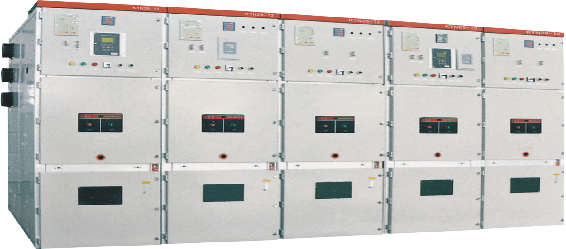
KYN28-12/24 Indoor High-Voltage Metal-Clad Removable Switchgear
Shenzhen Zhaoyang Hui Technology Co., Ltd.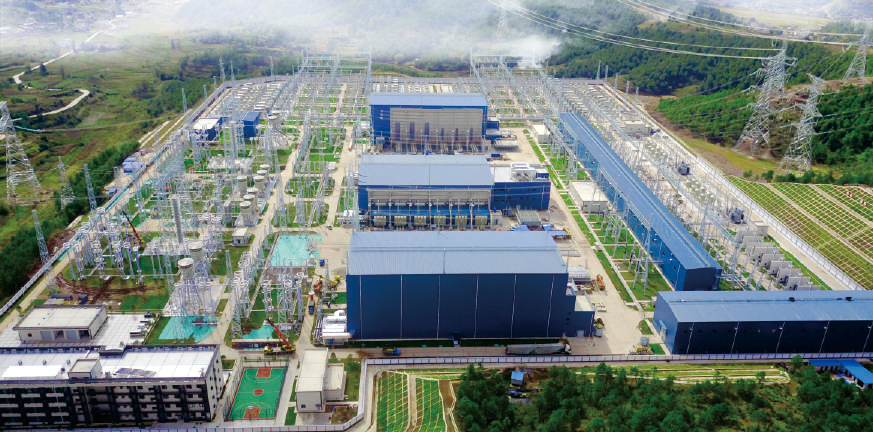
High-voltage Direct Current (HVDC) Transmission System Research and Integrated Design
XI'AN XD POWER SYSTEMS CO., LTD.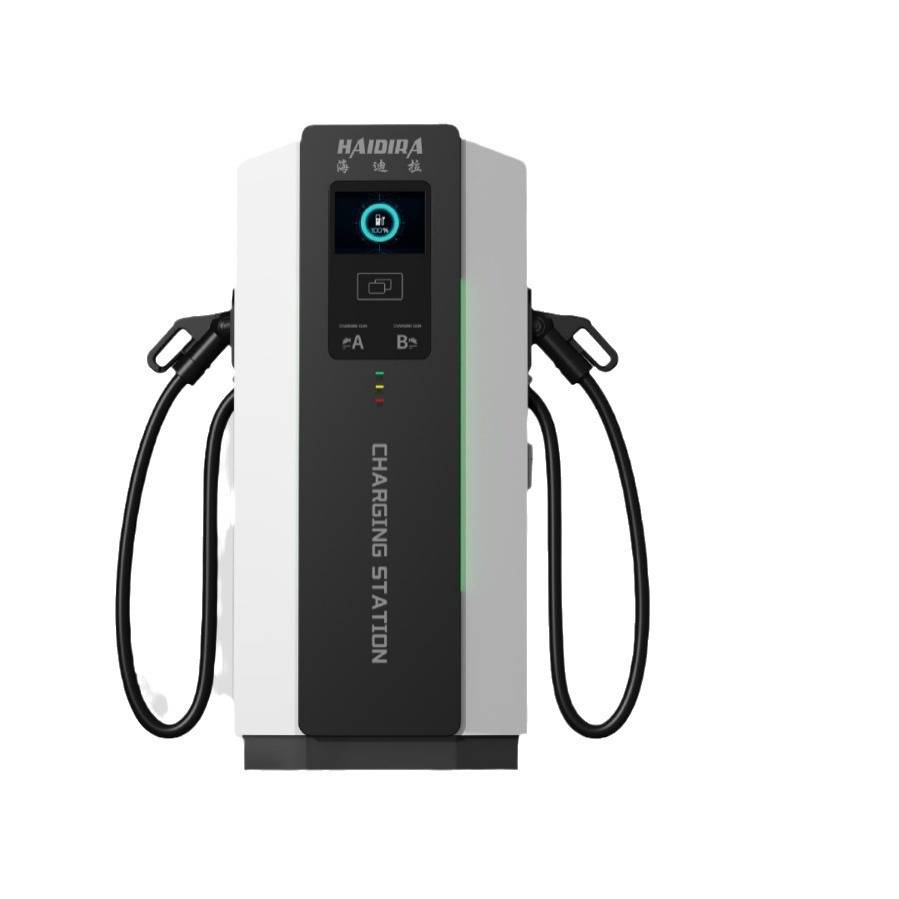
Manufacturer Direct Sales Tesla New Energy Electric Vehicle Universal DC 180kW Dual-gun Charging Pile Commercial Fast Charger
Anhui Haidira Electric Technology Co., Ltd.
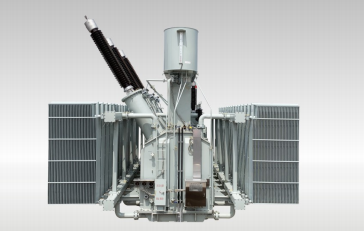
220kV and Below Voltage Level Energy-saving Oil-immersed Power Transformers
FuZhou TianYu Electric Co., Ltd.