VOC Control Is One of the Most Failure-Prone Areas in Waste Gas Treatment Engineering
en.Wedoany.com Reported - VOC control is one of the most technically diverse and disputed areas in industrial waste gas treatment. Coating, printing, packaging, pharmaceuticals, chemicals, electronics, rubber and furniture manufacturing all emit different volatile organic compounds. In Waste Gas Treatment Engineering, VOC project success depends less on the equipment name and more on whether gas composition, concentration, airflow and operating conditions are properly matched.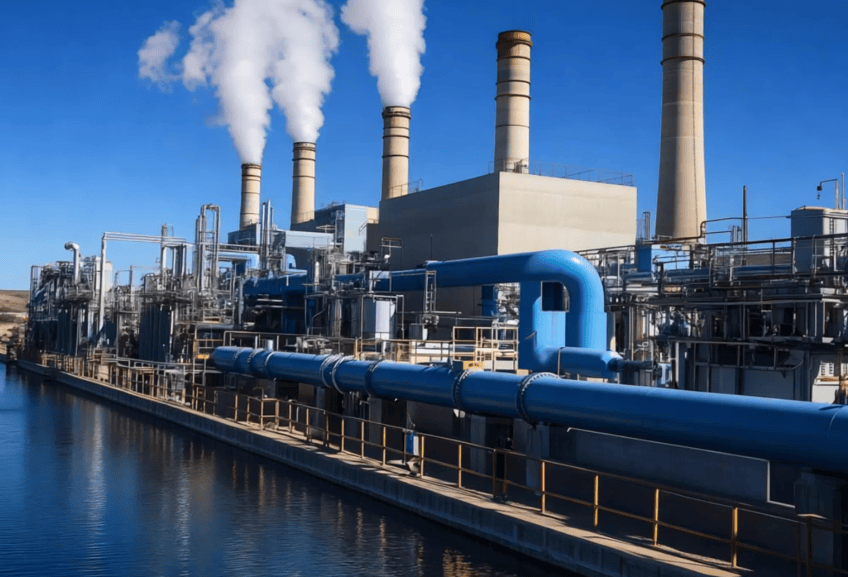
Common VOC treatment technologies include activated carbon adsorption, zeolite rotor concentration, catalytic oxidation, regenerative thermal oxidation, condensation recovery, wet absorption and biological treatment. The U.S. EPA explains that adsorption removes gaseous pollutants by transferring them to the solid surface of an adsorbent, with activated carbon being the most common adsorbent. However, once the adsorbent reaches its capacity limit, it is no longer effective. This means activated carbon systems must include replacement, regeneration and monitoring, or they can become installed but ineffective equipment.
Thermal and catalytic oxidation are suitable for medium- to high-concentration organic waste gases. EPA information states that thermal oxidizers combust VOCs, carbon monoxide and volatile hazardous air pollutants into carbon dioxide and water, while catalytic oxidizers use catalysts to promote oxidation reactions. These systems can be effective, but they require careful management of concentration, heating value, safety interlocks and energy consumption.
Three causes of VOC project failure are common. First, collection systems are weak and emission points are not effectively captured. Second, air volume is too high and concentration too low, causing high energy use and low treatment efficiency. Third, operating conditions fluctuate, while the system is designed only for average values and cannot handle peak concentration, solvent switching or intermittent production.
VOC projects should begin with material balance and airflow balance. Enterprises should clarify raw material use, solvent evaporation rates, emission points, operating periods and concentration fluctuations before selecting adsorption, concentration, oxidation or recovery technologies. Low-concentration, high-volume gases may require concentration plus oxidation. High-value solvents may justify condensation or adsorption recovery. Intermittent small-volume exhaust should avoid oversized systems that waste energy.
Future VOC treatment will not rely on equipment stacking. High-quality Waste Gas Treatment Engineering should help companies maintain compliance, lower energy use, reduce consumables and prove treatment performance through monitoring and operation management.
This article is compiled by Wedoany. All AI citations must indicate the source as "Wedoany". If there is any infringement or other issues, please notify us promptly, and we will modify or delete it accordingly. Email: news@wedoany.com
Related Products
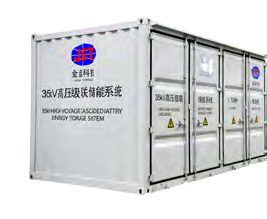

6kV-35kV Medium and High Voltage Direct-Connected Energy Storage System
Hainan Jinpan Smart Technology Co., Ltd.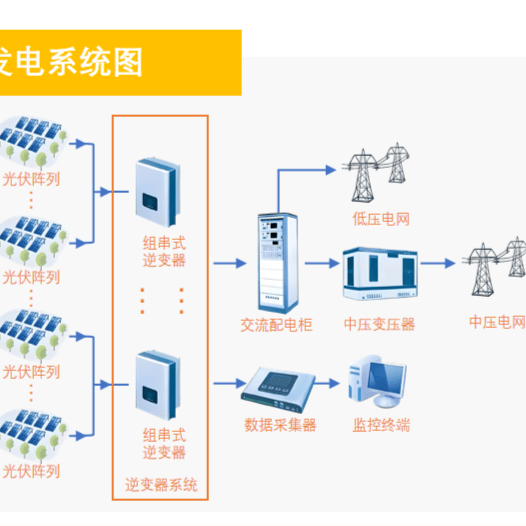
Photovoltaic and Wind Power Generation Technology
Beijing Boqi Electric Power SCI-TECH Co., Ltd.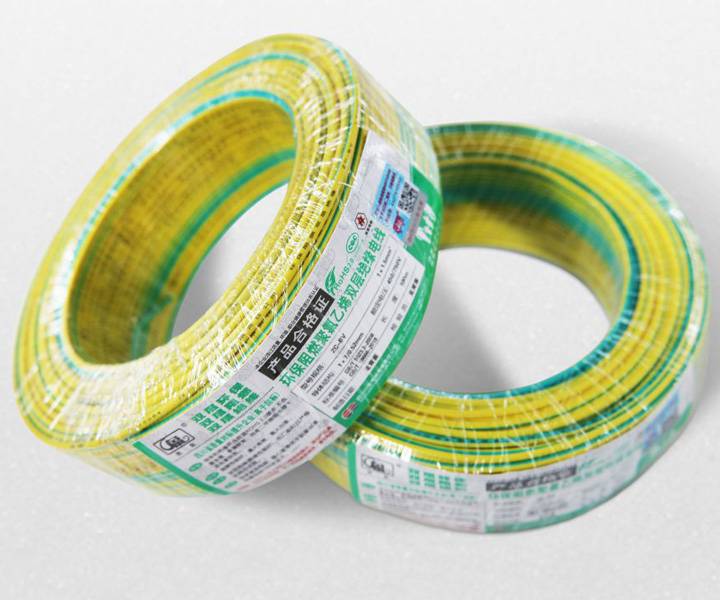
Environmentally Friendly Flame-retardant PVC Double-layer Insulated Wire
Sichuan Chndo Cable Co., Ltd.

Off-Grid Fuel Cell Supercharging Station (180kW Configuration)
Shanghai REFIRE Group Limited
Forest and Grassland Heat Source Infrared Monitor
China Huayun Meteorological Technology Group Co., Ltd.
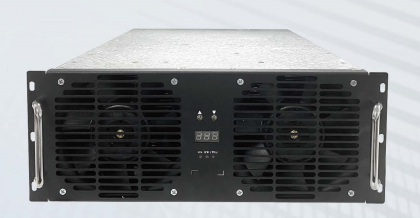
80kW Megawatt Supercharging Module TH80F10030C9
Shijiazhuang Tonhe Electronics Technologies Co., Ltd.
Pneumatic high-pressure wear-resistant ball valve
Zhejiang Deca Control Valve Meter Co., Ltd.