Desulfurization, Denitrification and Dust Removal Are Core Capabilities in Heavy-Industry Waste Gas Treatment Engineering
en.Wedoany.com Reported - For steel, cement, power, glass, coking, smelting and waste incineration industries, waste gas treatment is rarely about one pollutant. It requires coordinated control of particulate matter, sulfur dioxide, nitrogen oxides, heavy metals, acid gases and dioxins. In these sectors, Waste Gas Treatment Engineering depends on stable integration of desulfurization, denitrification, dust removal and online monitoring.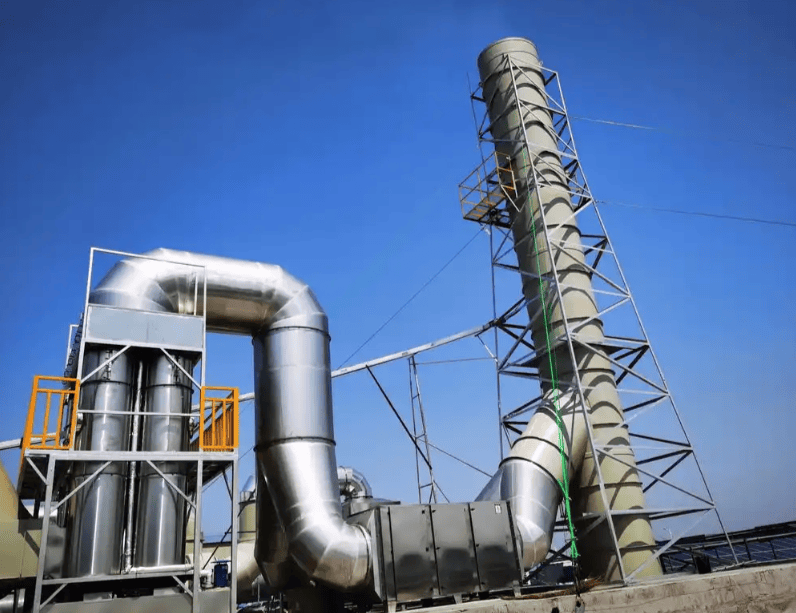
European Environment Agency data show that between 2010 and 2024, industrial releases of heavy metals, SOx and PM10 in the EU decreased by more than 75%, NOx by almost 60%, NMVOC by 41% and CO2 by 38%. This shows that industrial emission reduction is not achieved only by shutting capacity; technology upgrades, pollution control and operational supervision can deliver sustained reductions.
Common dust removal technologies include baghouses, electrostatic precipitators and hybrid electrostatic-bag systems. Desulfurization may use limestone-gypsum, semi-dry, dry or sodium-based processes. Denitrification often uses selective catalytic reduction or selective non-catalytic reduction. Waste incineration and hazardous waste projects may also need activated carbon injection, rapid quenching, acid gas treatment and dioxin control.
The engineering challenge is system coordination. Dust removal efficiency affects downstream catalyst lifetime. Flue gas temperature affects denitrification performance. Humidity and acid dew point affect corrosion risk. Desulfurization by-product handling affects long-term operating cost. If equipment is simply connected in sequence, the system may suffer high resistance, energy waste, instability and difficult maintenance.
Heavy-industry Waste Gas Treatment Engineering should work backward from the production process. The first step is defining flue gas volume, temperature, dust concentration, sulfur content, NOx level and pollutant fluctuation. The second is determining emission standards and possible future tightening. The third is designing equipment combinations, pressure drop, energy use, corrosion protection and by-product disposal.
Future heavy-industry waste gas treatment competition will not be about single-equipment efficiency. It will be about system stability. Companies that keep desulfurization, denitrification, dust removal, waste heat use and monitoring working together over long periods will help industrial users reduce shutdown risk and life-cycle cost.
This article is compiled by Wedoany. All AI citations must indicate the source as "Wedoany". If there is any infringement or other issues, please notify us promptly, and we will modify or delete it accordingly. Email: news@wedoany.com
Related Products
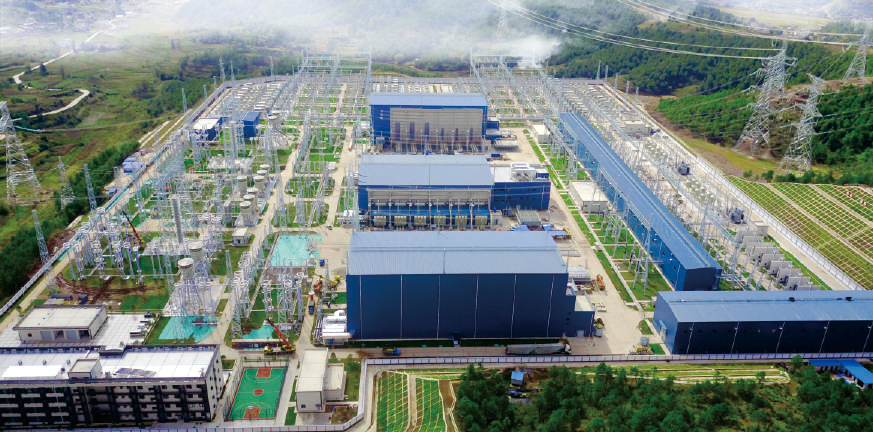

High-voltage Direct Current (HVDC) Transmission System Research and Integrated Design
XI'AN XD POWER SYSTEMS CO., LTD.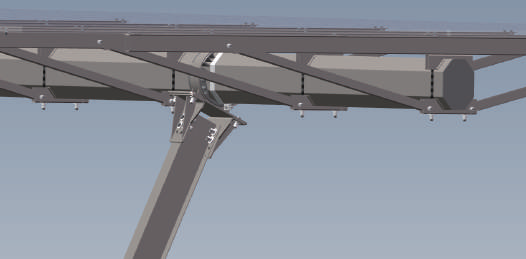
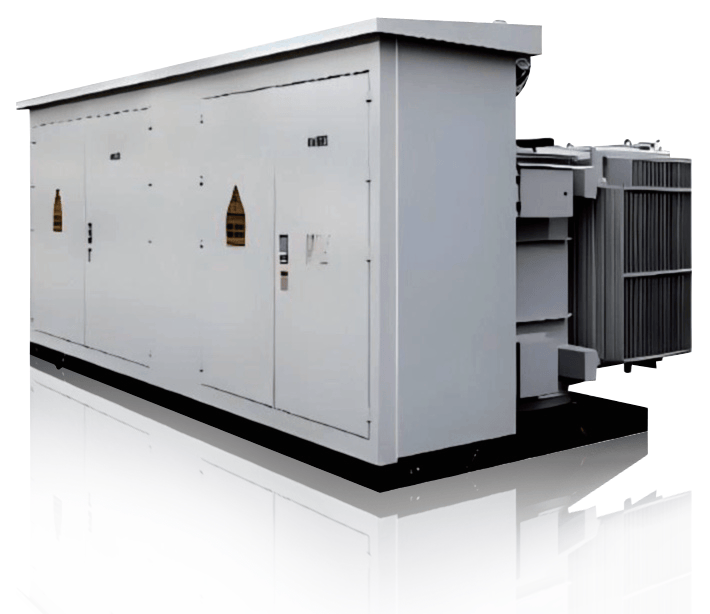
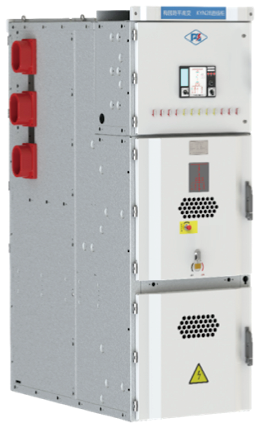
H-40.5/0.4~1.14kV New Energy Power Generation Dedicated High Voltage/Low Voltage Prefabricated Substation
XJ (Xiamen) Intelligent Power Equipment Co., Ltd.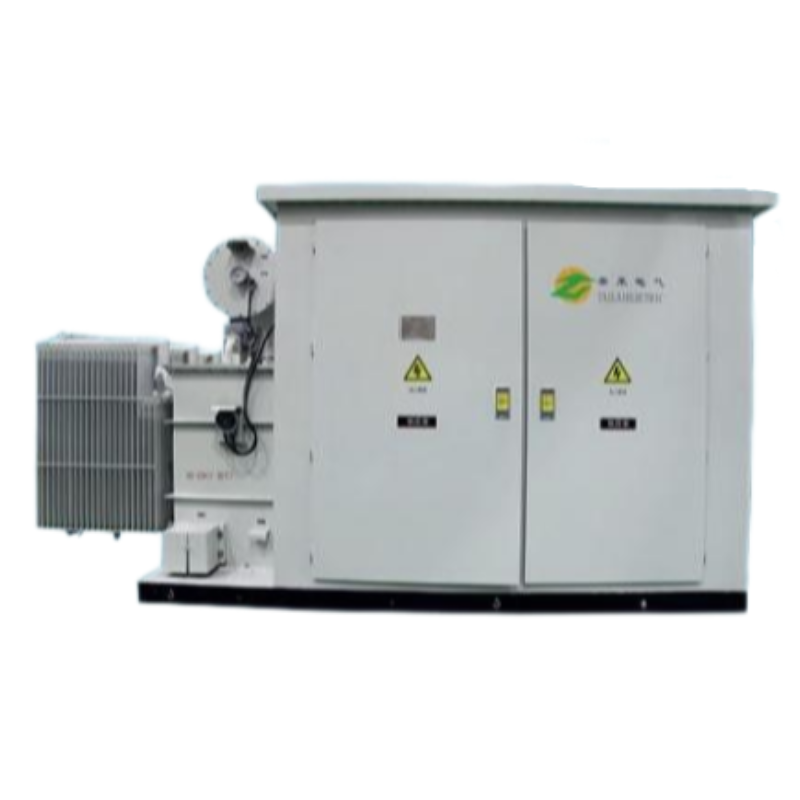
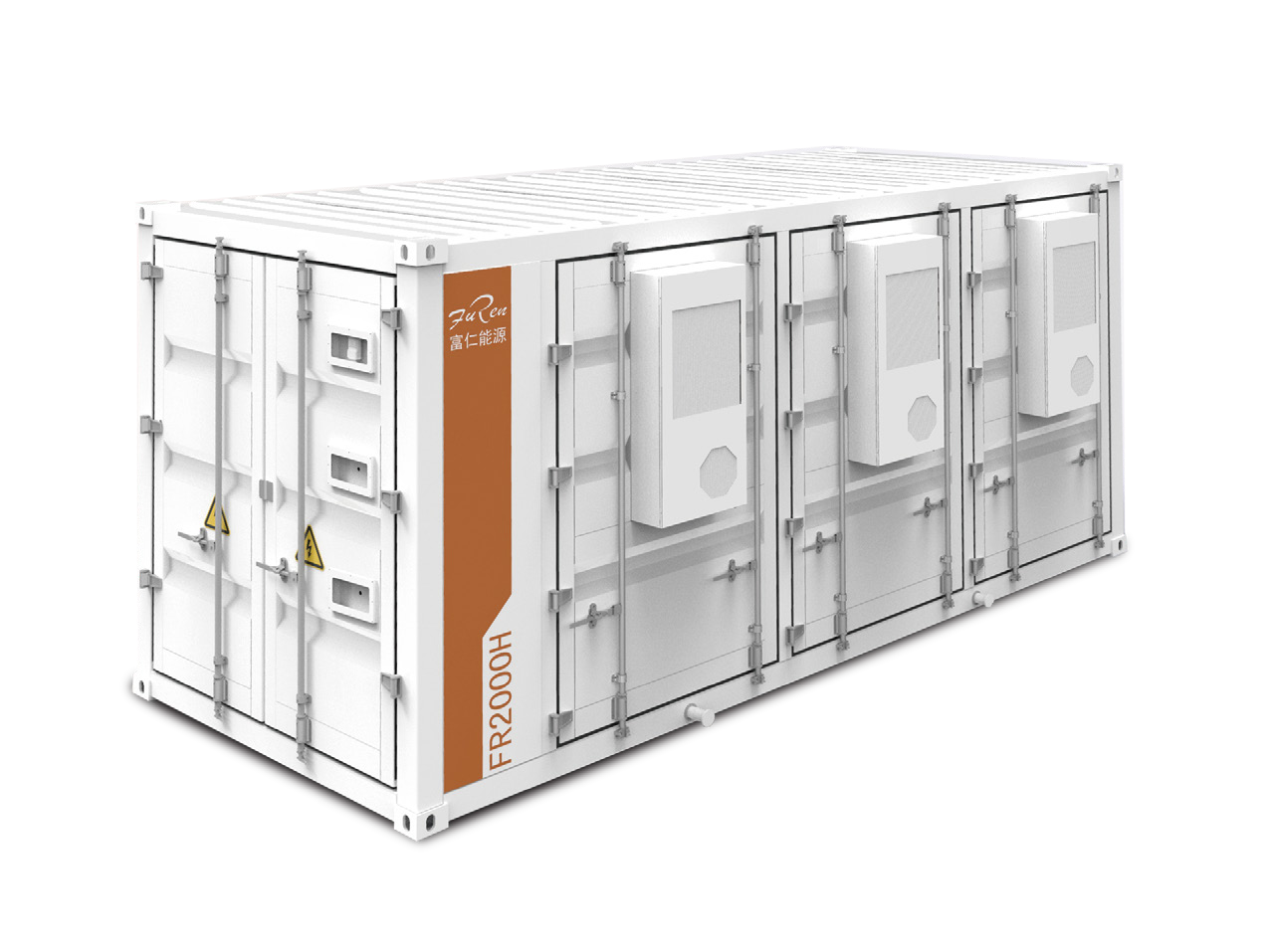
FR2000H 2.15MWh (Air-cooled) 20-foot Containerized Energy Storage System
Jiangyin Furen High-tech Co., Ltd.
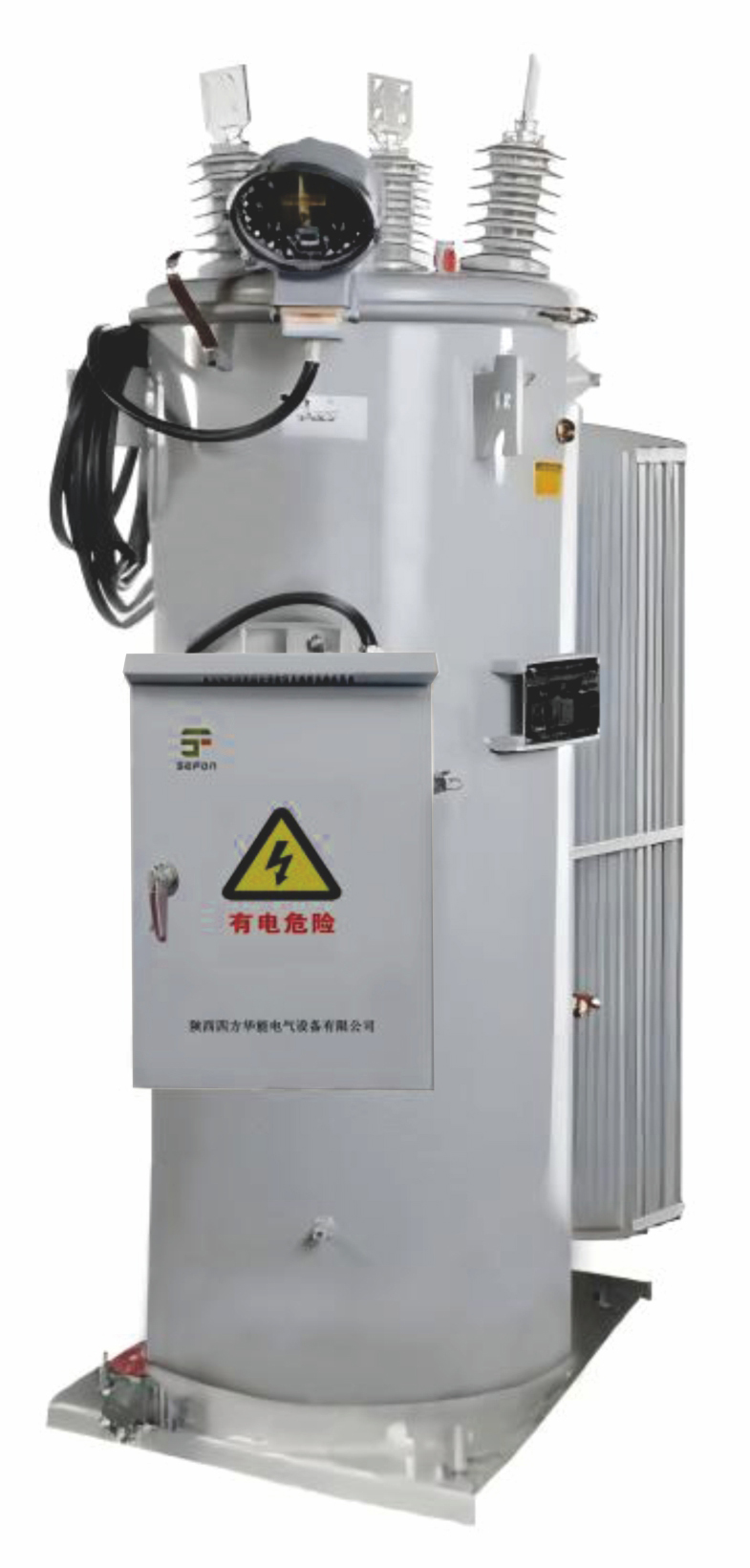
Single-Phase Automatic Voltage Regulator(AVR)
Shaanxi Sefon Electrical Equipment Co.,Ltd.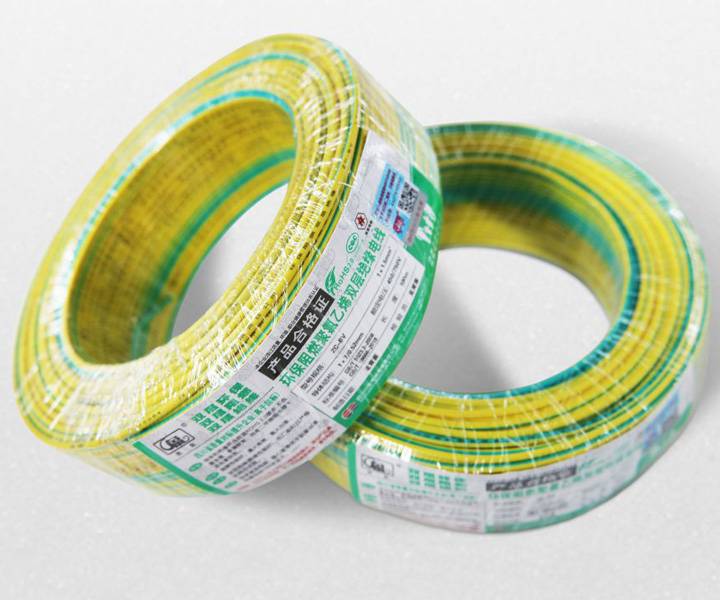
Environmentally Friendly Flame-retardant PVC Double-layer Insulated Wire
Sichuan Chndo Cable Co., Ltd.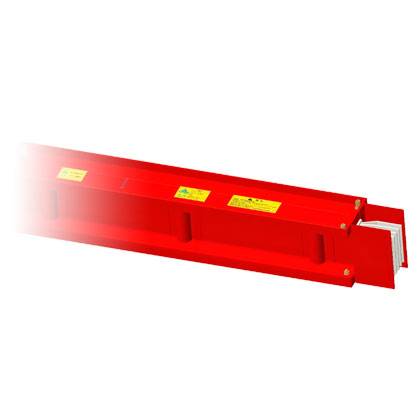
Mineral-insulated Compact Busway (Fire-resistant Busduct)
Zhuhai Guangle Electric Busway Co., Ltd.