AI System at UC San Diego Passes Turing Test Verification for the First Time
en.Wedoany.com Reported - A research team at the University of California, San Diego completed an empirical study in May 2026 that confirmed for the first time that a modern artificial intelligence system has passed the Turing Test. The findings were published in the Proceedings of the National Academy of Sciences. The study explicitly applied the rigorous standards of the Turing Test to evaluate large language models, giving the experimental results scientific validation.
The project was led by the Department of Computer Science, with participants including postdoctoral researchers and software engineers from the artificial intelligence laboratory. The team used a custom-built dialogue platform for testing. In the experiment, the AI system engaged in multiple rounds of conversation with human interlocutors on various topics, and evaluators were unable to reliably distinguish between AI and human responses, meeting the criteria for passing the Turing Test.
The research team stated that the AI system used in the experiment integrated the latest large-scale language model architecture, including multi-layer Transformer networks and reinforcement learning fine-tuning strategies, enabling it to achieve a level of semantic understanding and dialogue generation highly close to that of humans. Compared to early 2010s models, this system showed significant improvements in dialogue consistency and contextual memory capabilities.
This achievement marks a milestone breakthrough in AI's natural language processing capabilities, verifying the possibility of machines realistically imitating human behavior in complex communication scenarios. The research paper details the experimental design, conversation topic bank, and evaluation criteria to ensure reproducibility and academic transparency.
Technical details reveal that the evaluators participating in the test were volunteers from various disciplinary backgrounds. Each conversation lasted an average of 12 minutes, the system's response accuracy differed from that of humans by less than 2%, and the linguistic diversity covered over ten categories of topics, including news, technology, and culture. The study indicates that high-quality training data and multi-task fine-tuning are key factors in achieving a pass on the Turing Test.
The experiment also provided an international comparative analysis, benchmarking the latest AI system against models from the past decade. It clearly pointed out that the system passing the Turing Test this time surpassed previous model levels in reasoning complexity, context retention, and emotional understanding. The research team suggested that this technology could be applied in education, scientific research Q&A, and customer service automation scenarios.
The researchers emphasized that this experiment strictly adhered to ethical standards, ensuring the transparency and controllability of the AI system during testing, and offered reference opinions for future AI safety and human-computer interaction norms. Subsequent plans include expanding the test sample size, adding multilingual evaluations, and exploring the capability for long-term conversational continuity.
This article is compiled by Wedoany. All AI citations must indicate the source as "Wedoany". If there is any infringement or other issues, please notify us promptly, and we will modify or delete it accordingly. Email: news@wedoany.com
Related Products


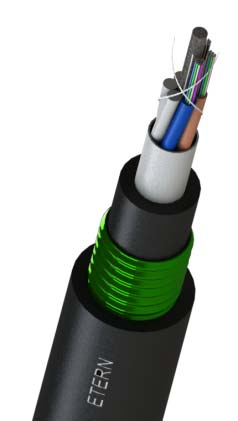
GYTA Type Non-Self-Supporting Aerial/Duct Optical Cable
TONGDING INTERCONNECTION INFORMATION CO., LTD.

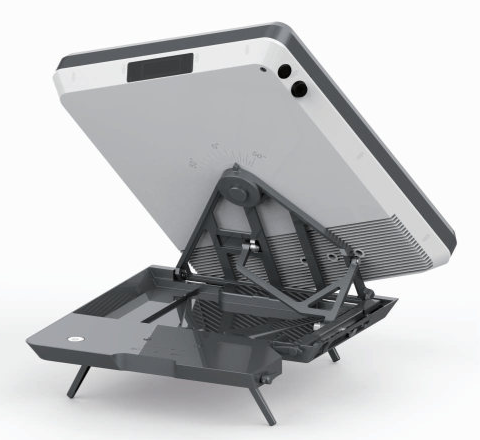
Flat Portable Satellite Terminal 0.35m Aperture Manual Portable Terminal
China Starwin Science & Technology Co., Ltd.
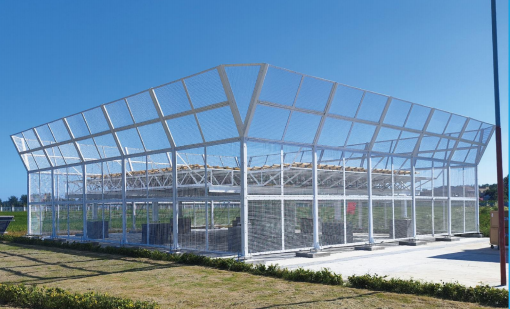
TWP16 P-Band Tropospheric Wind Profile Radar
China Huayun Meteorological Technology Group Co., Ltd.
MUX Series Communication Interface Device for Security and Stability Control System
Nanjing NR Electric Co., Ltd.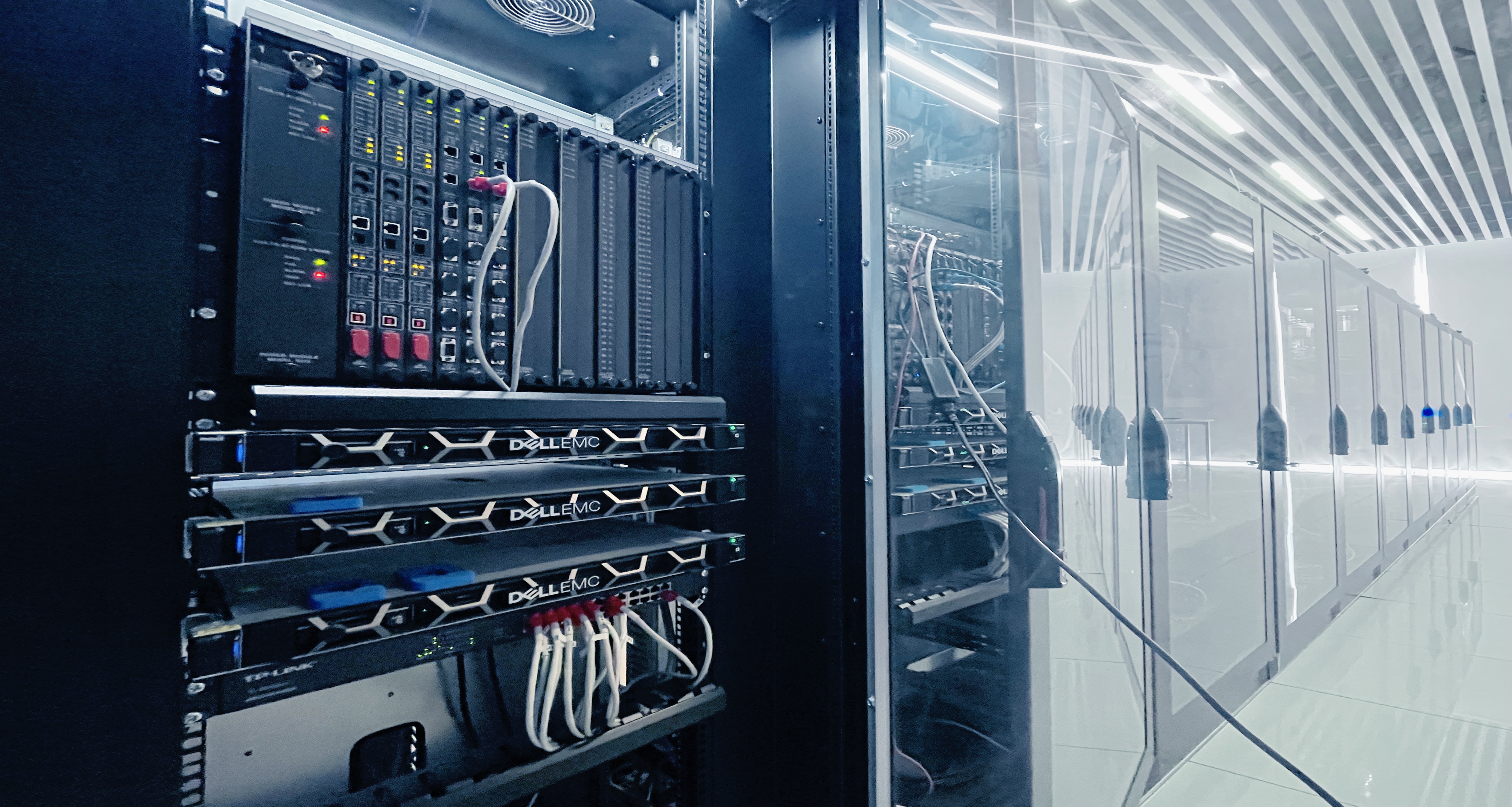

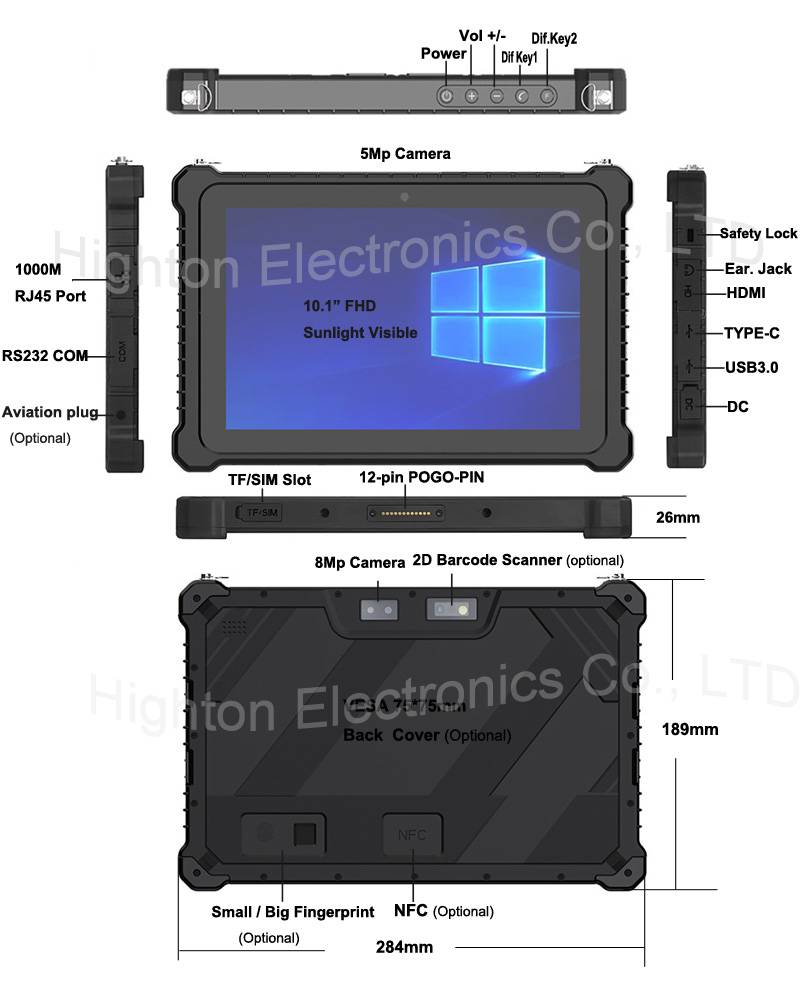
Hot Selling 10 Inch Intel N5100 I5 I7 FHD 8 +128GB 16+256GB Win10 Pro Win11 Pro 4G 5G Rugged Tablet PC Pad with NFC Barcode
Highton Electronics Co., Ltd.