AI Technology Fully Integrated into Cultural Experience at the 22nd China (Shenzhen) ICIF
en.Wedoany.com Reported - The 22nd China (Shenzhen) International Cultural Industries Fair (ICIF) opened on May 21, 2026, marking the first time the event achieved deep integration of artificial intelligence technology within cultural consumption scenarios. At the exhibition, reporters experienced intelligent voice-guided tours by wearing Qianwen AI glasses. The system can instantly generate explanations for exhibits, including the historical context, creative background, and cultural significance of the works, delivering a highly interactive and personalized visiting experience.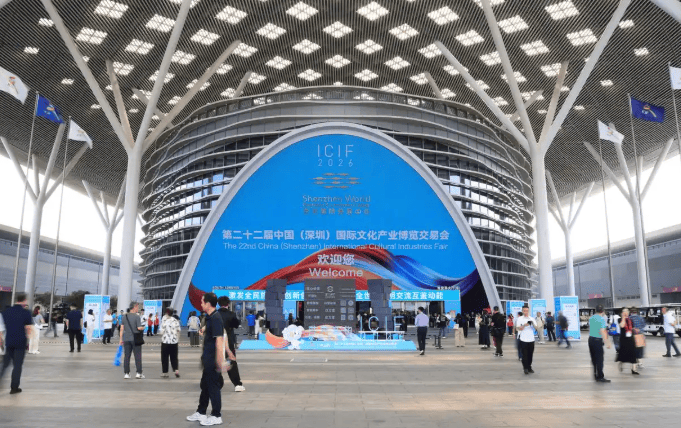
The exhibition organizers pointed out that nearly 1,200 enterprises from across the country are participating in this year's ICIF, with over 30% of the exhibition areas incorporating AI technology. AI systems, including voice recognition, image recognition, and generative content creation tools, are applied in artifact interpretation, art display, and interactive entertainment segments, enabling real-time interaction between visitors and exhibits. The technology provider, Shenzhen Qianwen Technology Co., Ltd., introduced that the AI glasses deployed by the company utilize a multimodal large model and real-time speech synthesis technology, keeping the explanation generation latency below 0.3 seconds to ensure a smooth experience.
Participating enterprises generally stated that AI technology not only improves the efficiency of cultural display but also drives the intelligent transformation of production processes in the cultural industry. Some cultural and creative enterprises use AI to generate original digital artifacts and assist in designing cultural products, significantly shortening the creation cycle. Visitor experience data shows that over 70% of attendees reported an improved understanding of exhibits after using the AI guide, with cultural consumption satisfaction markedly enhanced, reflecting the direct value of AI in elevating cultural cognition and consumption experiences.
Technical experts analyzed that the application of AI in the cultural industry has entered a stage of transitioning from an auxiliary tool to core creative support. The multimodal large model behind the Qianwen AI glasses combines voice, images, and knowledge graphs, ensuring information accuracy and historical-logical coherence while generating content in real time. Compared to traditional static exhibitions, this interactive method breaks the one-way information transmission model, allowing visitors to receive customized explanations and immersive experiences.
The fair also showcased AI applications in cultural tourism, virtual museums, and digital collectibles. Some exhibitors used AI to generate virtual guides, enabling synchronous interaction for remote visitors; additionally, digital exhibits generated background stories, interactive mini-games, and dialogues with historical figures through AI, enhancing the exhibition's entertainment and educational value. Experts noted that this model provides new value chain extension pathways for the cultural industry.
The involvement of AI has also promoted cross-sector collaboration. Multiple cultural and creative enterprises have jointly developed immersive exhibitions, interactive art installations, and AI-generated content platforms with technology companies, forming a new ecosystem of deep integration between technology and culture. The Shenzhen ICIF has thus become an important window for showcasing the latest achievements in AI technology application within China's cultural industry, while also providing practical samples for the industry's intelligent transformation.
This edition of the ICIF not only demonstrated the upgrading effect of AI technology on cultural consumption scenarios but also guided the industry to explore innovations in cultural production methods. The exhibition organizers plan to further expand the application of AI in areas such as exhibitions, education, creation, and digital cultural relic preservation in the future, to promote the high-quality development of the cultural industry.
This article is compiled by Wedoany. All AI citations must indicate the source as "Wedoany". If there is any infringement or other issues, please notify us promptly, and we will modify or delete it accordingly. Email: news@wedoany.com
Related Products
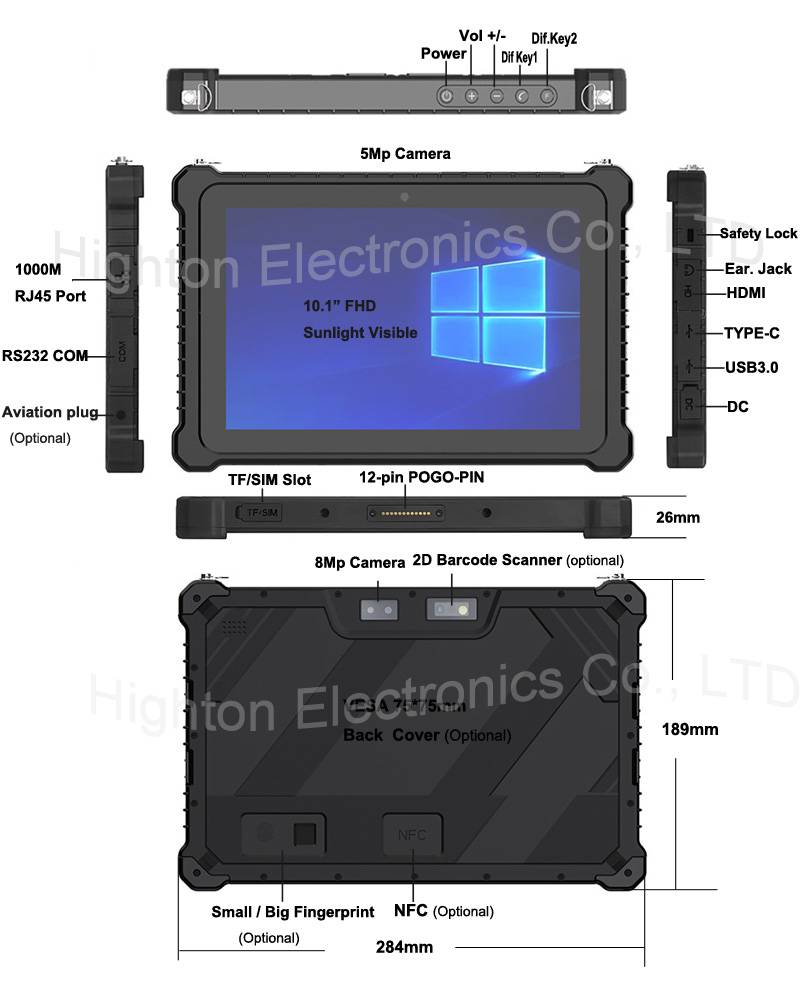

Hot Selling 10 Inch Intel N5100 I5 I7 FHD 8 +128GB 16+256GB Win10 Pro Win11 Pro 4G 5G Rugged Tablet PC Pad with NFC Barcode
Highton Electronics Co., Ltd.
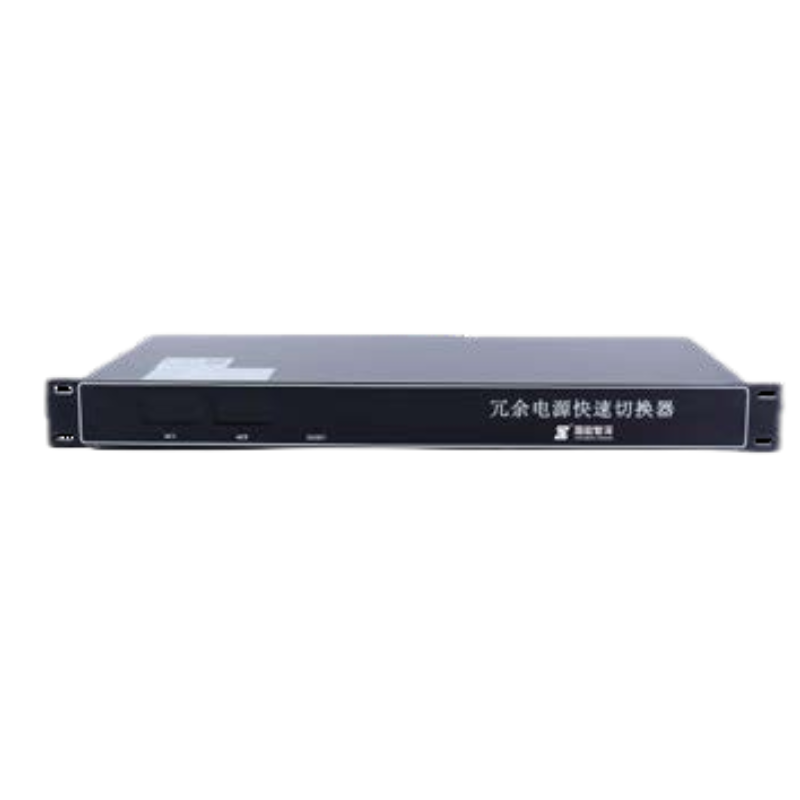



G.652.D Wavelength-extended Non-dispersion Shifted Single-mode Optical Fiber
HONGAN GROUP CO., LTD.


Multi-function Marine Monitoring Low-altitude Detection Radar Sea-air Boundary Ocean Dynamic Environment Measurement
Chengdu Dixin Technology Co., Ltd.
MUX Series Communication Interface Device for Security and Stability Control System
Nanjing NR Electric Co., Ltd.

Industrial and Commercial Point-Type Gas Detector
Jinan Benan Technology Development Co., Ltd.