
Waste Gas Treatment Engineering
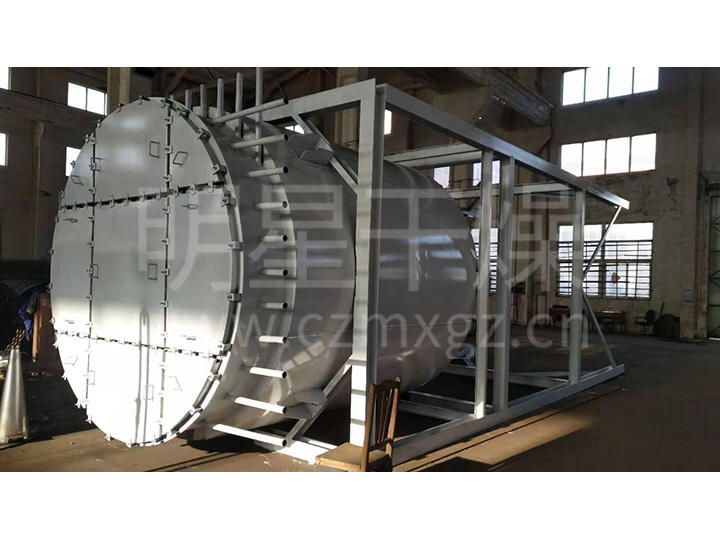
What Is Waste Gas Treatment?Waste gas treatment refers to the treatment of harmful gases generated during industrial production, energy use, chemical manufacturing, coating and printing, metallurgy and building materials production, wastewater treatment, and other processes through technical methods such as collection, purification, conversion, or recovery. Its purpose is to reduce emissions of particulate matter, volatile organic compounds, acidic and alkaline waste gases, odorous gases, and toxic or harmful pollutants. Common treatment processes include adsorption, absorption, catalytic combustion, regenerative thermal oxidation, low-temperature plasma, photocatalytic oxidation, biological deodorization, desulfurization and denitrification, and dust removal. Waste gas treatment is not only related to enterprises’ compliance with emission standards and environmental regulations, but also affects production safety, plant environment, energy efficiency, and regional air quality. It is an important part of environmental engineering and industrial green transformation.
Waste Gas Treatment Engineering - News
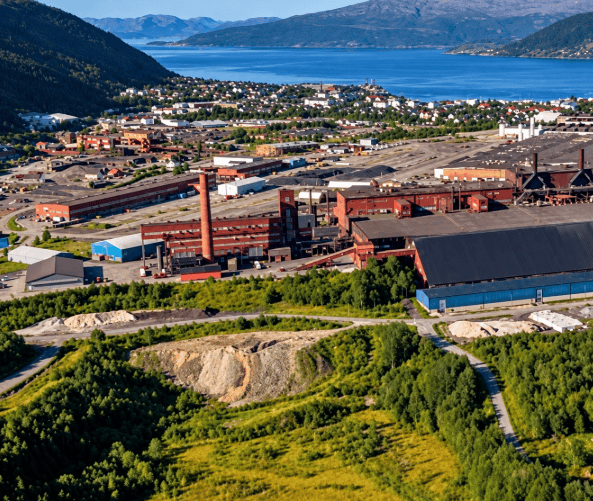
Norway's Elkem invests NOK 260 million to upgrade Furnace No. 5
Norwegian materials company Elkem has approved an investment of NOK 260 million to upgrade Furnace N...
2026-10-07
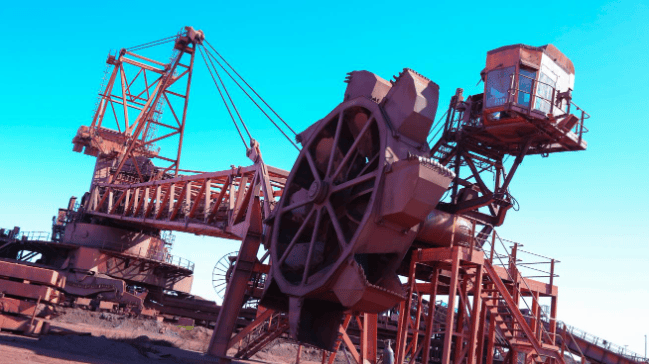
South Africa's Saldanha Ore Terminal Launches 16-Day Maintenance Shutdown
On October 6, South Africa's Transnet Port Terminals commenced the annual shutdown maintenance of th...
2026-10-07

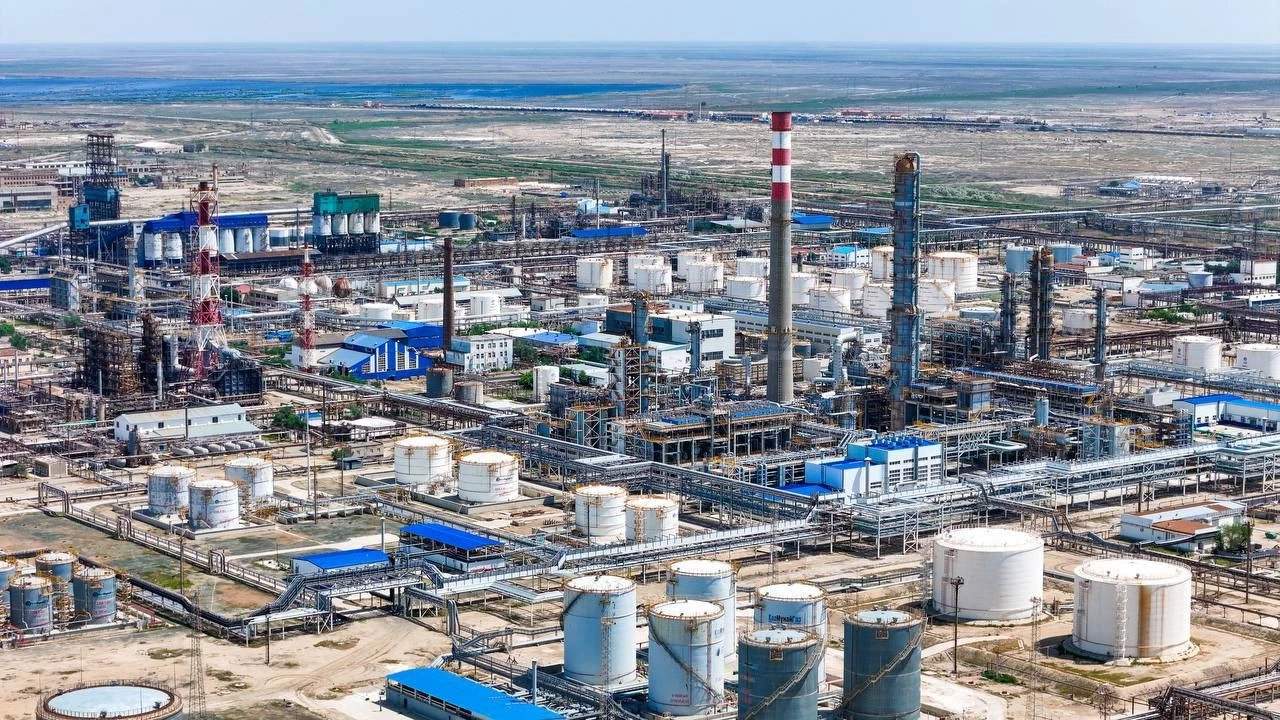
Atyrau Refinery in Kazakhstan Advances Floating Roof Conversion for 75 Storage Tanks
On September 17, KazMunayGas announced that the Atyrau Refinery is continuing to implement its float...
2026-09-18
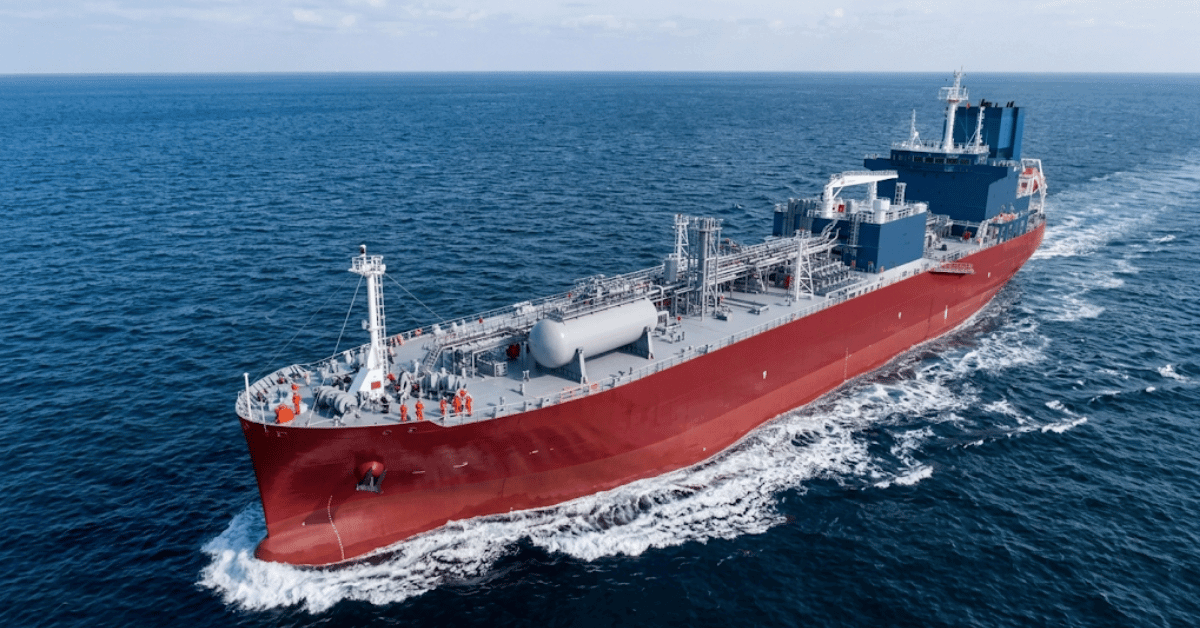
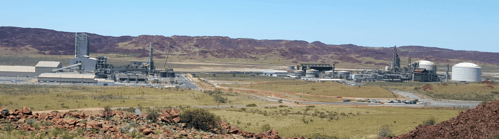
Australia's InCapture and Yara Partner to Assess Pilbara Carbon Storage Hub
InCapture Pty Ltd (InCapture) and Yara Pilbara Fertilisers Pty Ltd (Yara) have reached an agreement ...
2026-08-29
Petrobras Signs Contract for Four Onshore Wells to Store CO2 by 2029
Petrobras has signed a contract with Halliburton Produtos Ltda to drill and complete four onshore we...
2026-08-27
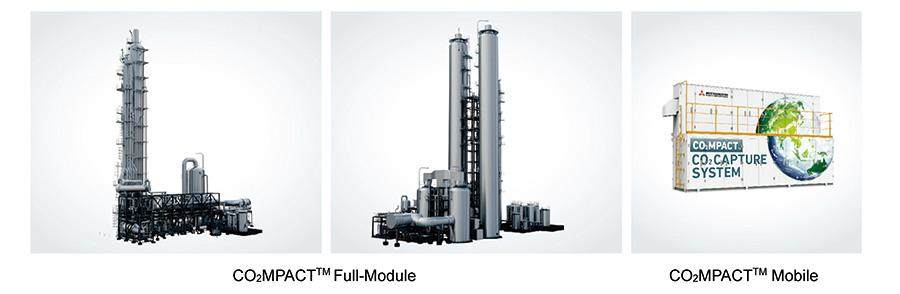
Mitsubishi Heavy Industries Launches New CO₂ Capture System with Annual Capacity of 450,000 Tons
Mitsubishi Heavy Industries, Ltd. (MHI) announced on August 26, 2026, the addition of a larger model...
2026-08-27
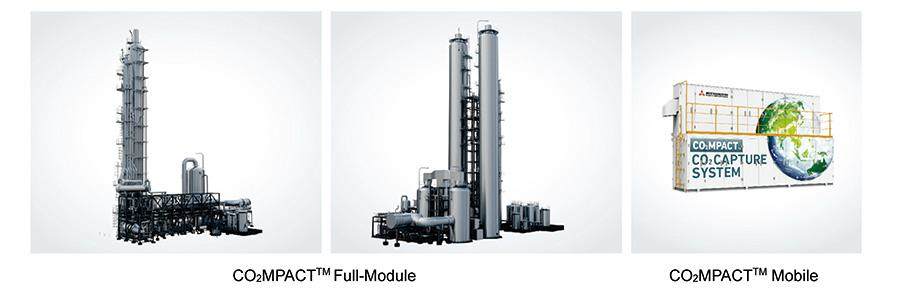
Mitsubishi Heavy Industries to Launch New CO₂ Capture Unit with Annual Capacity of 450,000 Tons in August 2026
Mitsubishi Heavy Industries, Ltd. (MHI) announced on August 26, 2026, that it will add a larger mode...
2026-08-27

JAPEX spuds second CCS exploration well in Tomakomai, Japan
Japan Petroleum Exploration (JAPEX) has spudded a second exploration well in the Tomakomai area of H...
2026-08-19
Waste Gas Treatment Engineering - Supplier

TAIYUAN BOILER GROUP CO.,LTD.
Kunshan Changrui Air Conditioning Purification Technology Co.,Ltd.
Wuxi Jiangnan Cable Co., Ltd.

Jinan Benan Technology Development Co., Ltd.

Shenyang Huade High Technology Electric Co., Ltd.
Shandong Shengbao Heat Transfer Technology Co., Ltd.

BBMG ENERGY SAVING MATERIAL & TECHNOLOGY (DACHANG)CO., LTD.

Beijing Boqi Electric Power SCI-TECH Co., Ltd.

China Bluestar Lehigh Engineering Corporation

Hebei Sailhero Environmental Protection High-tech Co., Ltd.

Xonteck (Wuhan) Environmental Technology Co., Ltd
Jiangxi Tiandiren Environmental Protection Technology (Group) Co., Ltd.

Kailong High Technology Co., Ltd.

Mingxing Drying Equipment Co., Ltd.
Waste Gas Treatment Engineering - Related Products
Negotiable
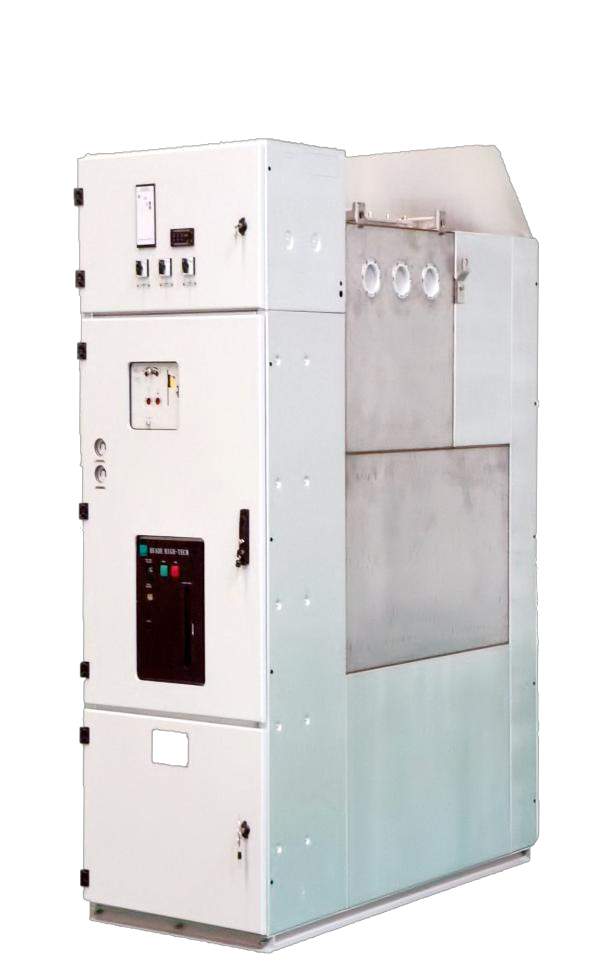
HG3-40.5, HG3-36 Environmentally Friendly Gas-Insulated Metal-Enclosed Switchgear
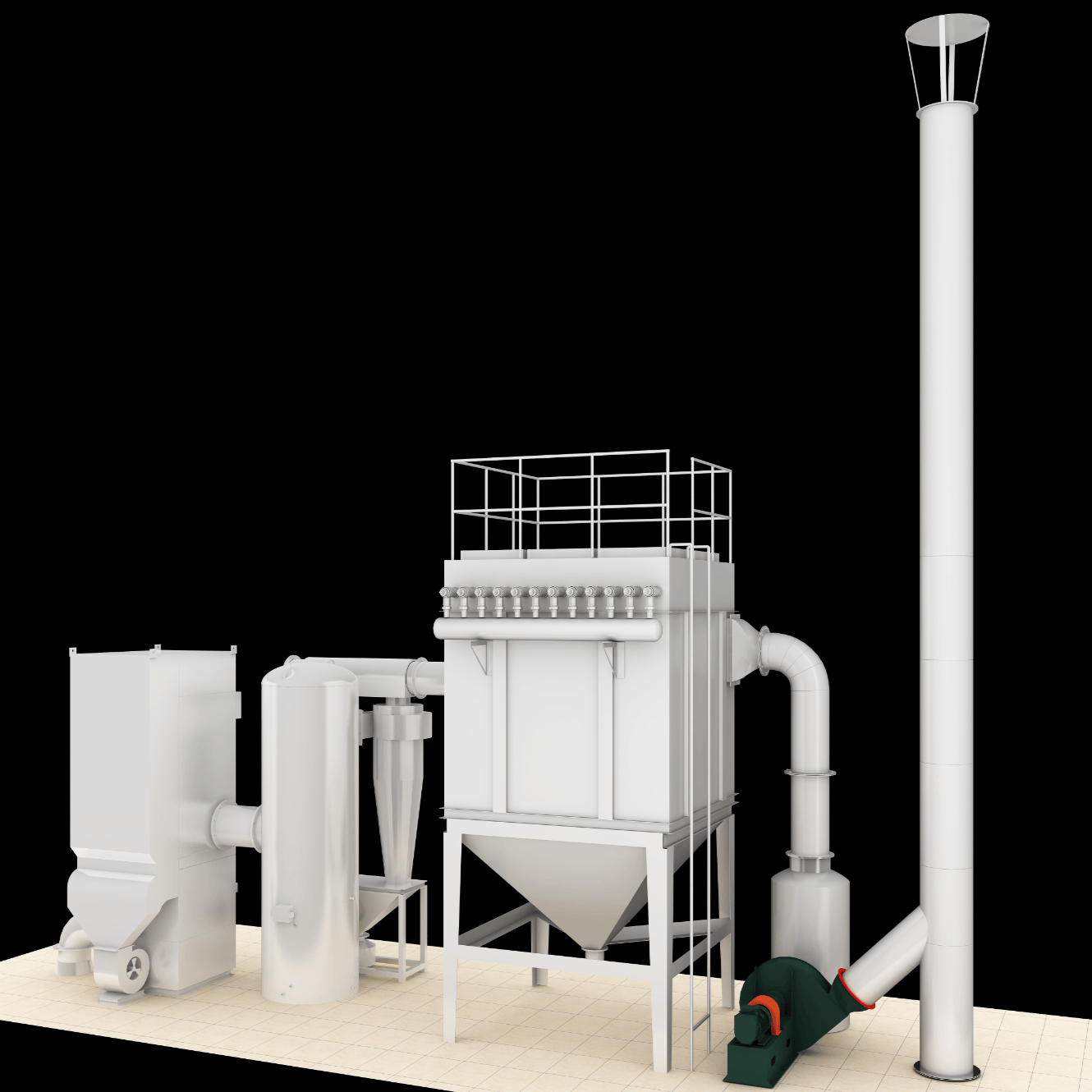
¥480000-680000 /Set
Exhaust Gas Purification Treatment Equipment
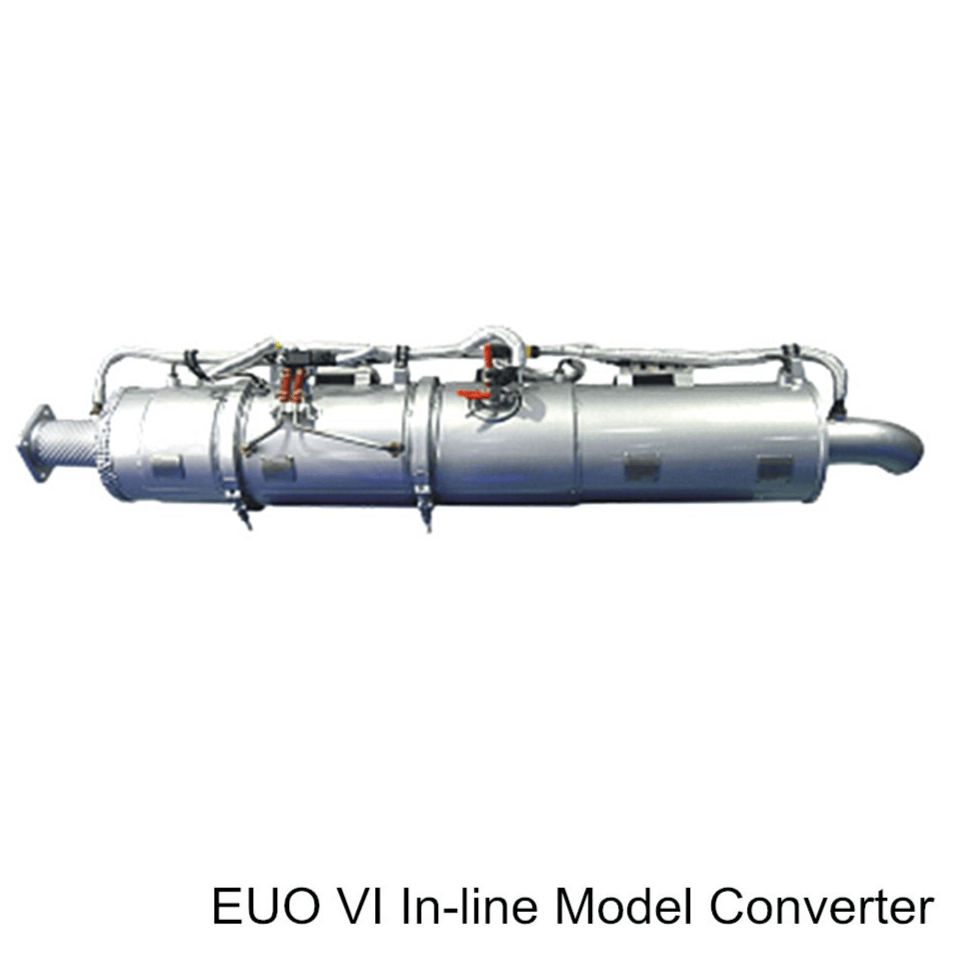
$1000-3000 /set
Euro6 Diesel Engine After Treatment System Catalytic Converter Silencer Doc+DPF+SCR+Asc
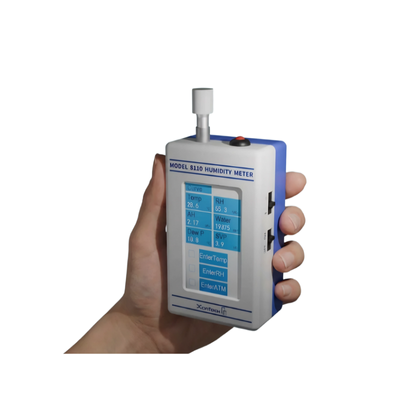
Negotiable
8110 Moisture Concentration Tester
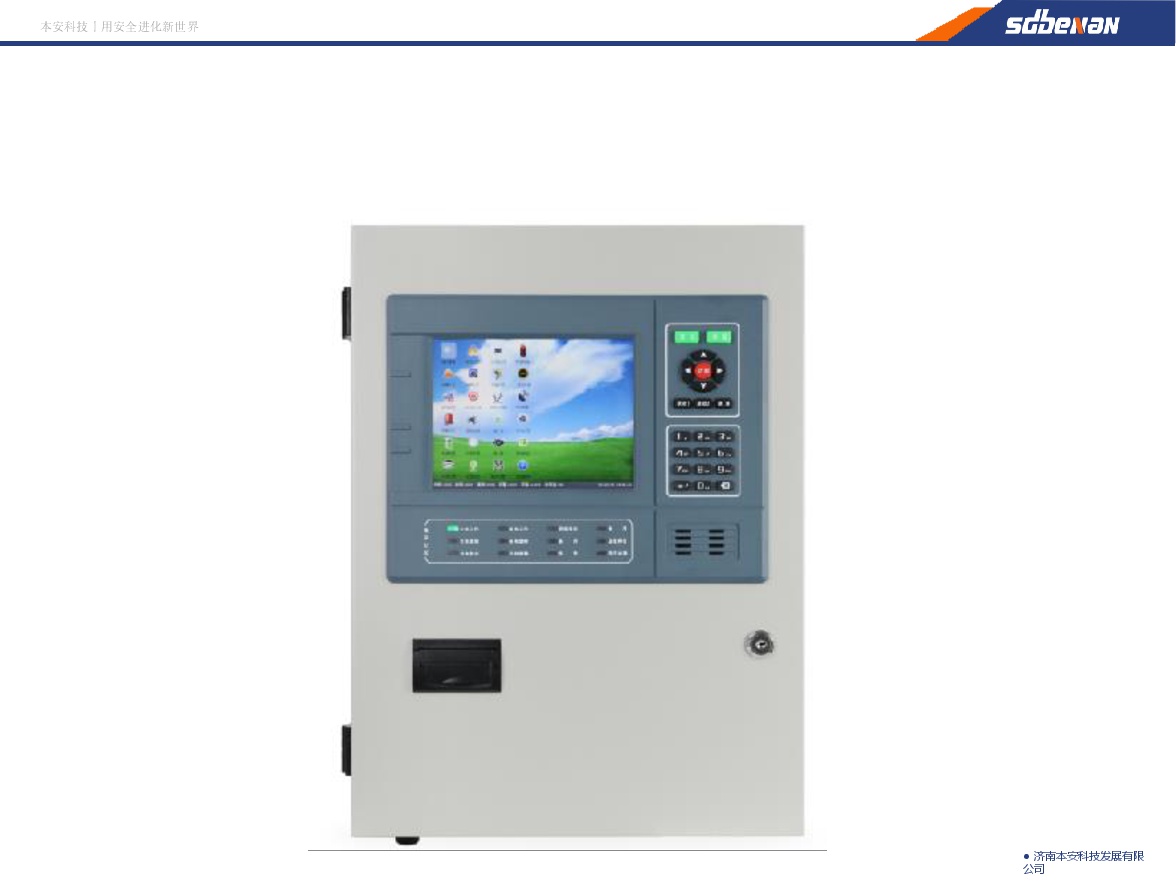
Negotiable
Combustible Gas Alarm Controller 1000
Negotiable
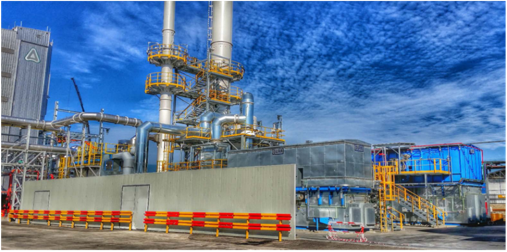
Nantong Xingchen New Materials Industrial Base Phase II Waste Gas Treatment Project
Negotiable
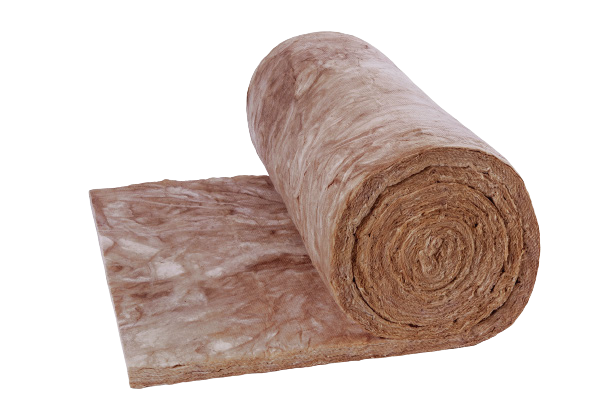
Jin Haiyan® Chocolate® Environmentally friendly glass wool felt roll JHY-GFG12/14/16/24
Negotiable
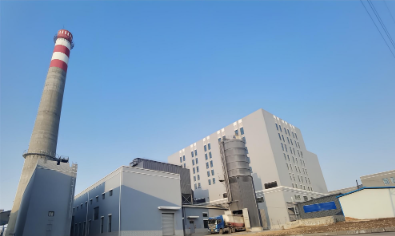
Next-generation municipal solid waste incineration boiler thermal power system
Negotiable
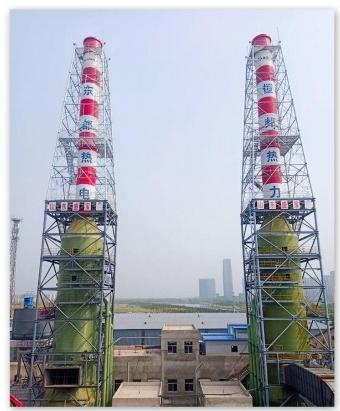
Flue gas desulfurization equipment
Negotiable
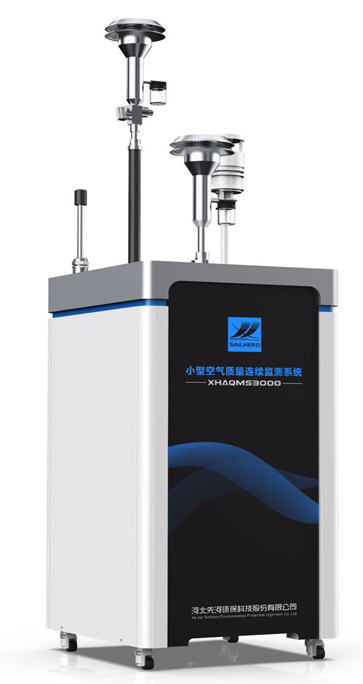
XHAQMS3000 Compact Air System
Negotiable
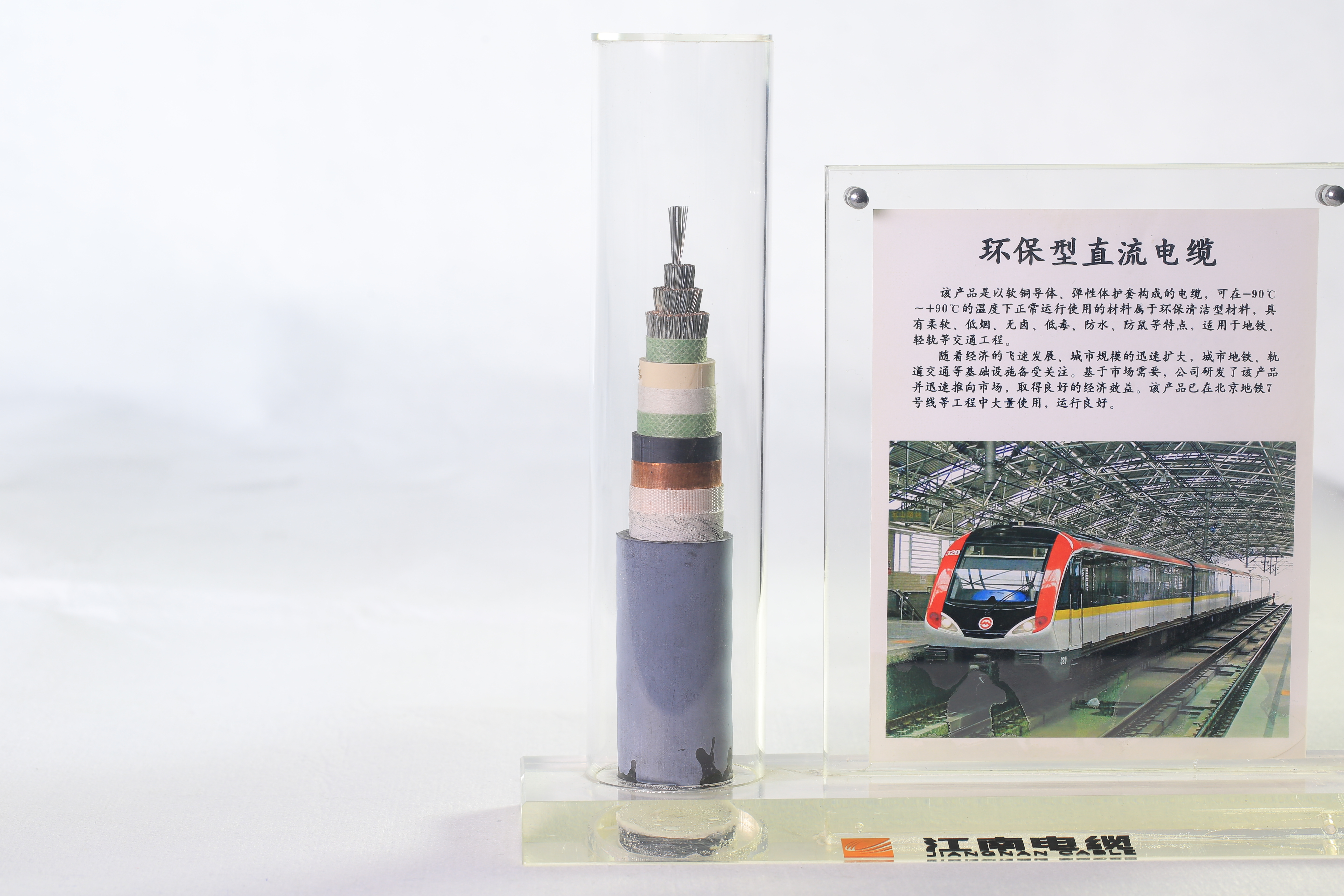
Environmentally Friendly DC Cable
Negotiable
Environmentally friendly DPA paint mist filter
Negotiable
Semi-dry / Dry (Dual Circulation CFB) Desulfurization Technology
Negotiable