U.S. PureField Launches 150,000-Ton-Per-Year Carbon Capture and Storage Facility
en.Wedoany.com Reported - PureField Ingredients (PureField) has officially commenced operations at its carbon capture and storage (CCS) facility in Russell, Kansas, with an annual capture and storage capacity of 150,000 tons. The company held a ribbon-cutting ceremony for the facility, stating that this investment will enhance the long-term competitiveness of its integrated food and renewable fuels facility and build a platform for growing U.S. grain demand.
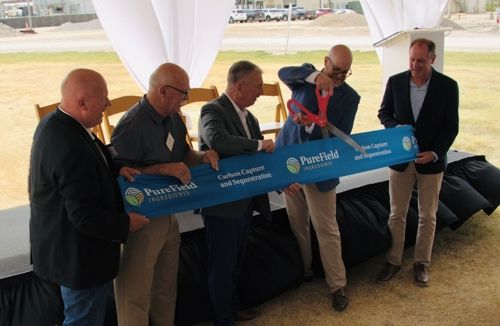
Local community members, Kansas farmers, and representatives from local, state, and federal governments attended the ceremony. U.S. Representative Tracey Mann, U.S. Environmental Protection Agency (EPA) Region 7 Administrator Jim Macy, Kansas Wheat CEO Justin Gilpin, Russell Mayor Jim Cross, and PureField CEO Aaron Buettner delivered remarks in succession. The participation of federal, agricultural, and local leaders reflects the broad partnerships that carried the project from concept to commercial operation.
Once the CCS facility is fully operational, PureField expects to produce one of the lowest carbon-intensity fuels at commercial scale in the United States, targeting negative or near-zero GREET CI scores across all production pathways. This facility solidifies the company's position in the rapidly growing low-carbon renewable fuels market.
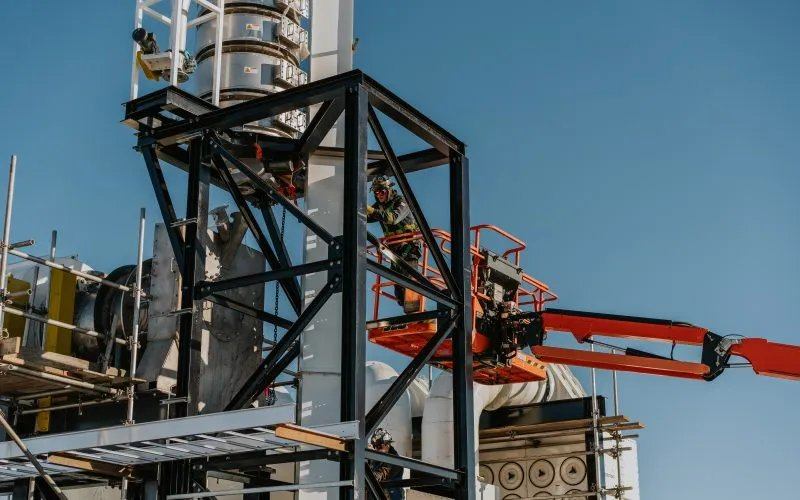
In terms of process, the CCS facility captures high-purity carbon dioxide generated during ethanol fermentation, compresses it, and transports it via a dedicated pipeline to PureField's Class VI injection well six miles away, where it is permanently stored in deep geological formations. After three years of rigorous review, the U.S. EPA issued a permit for the project under its Class VI Underground Injection Control program. PureField will operate the system under ongoing oversight from the EPA and state and federal regulatory agencies, strictly adhering to monitoring requirements.
The carbon capture facility is not the end of PureField's investment in Kansas. At the ceremony, the company announced that it has initiated the expansion planning process, aiming to double its ethanol production and carbon storage capacity. This move is intended to strengthen its integrated platform, increase demand for wheat and sorghum grown in Kansas, and further expand its low-carbon fuels business.
Related Products

Optional Accessory - Auxiliary Sampling Module
Beijing Soaring Electric Technology Co., Ltd.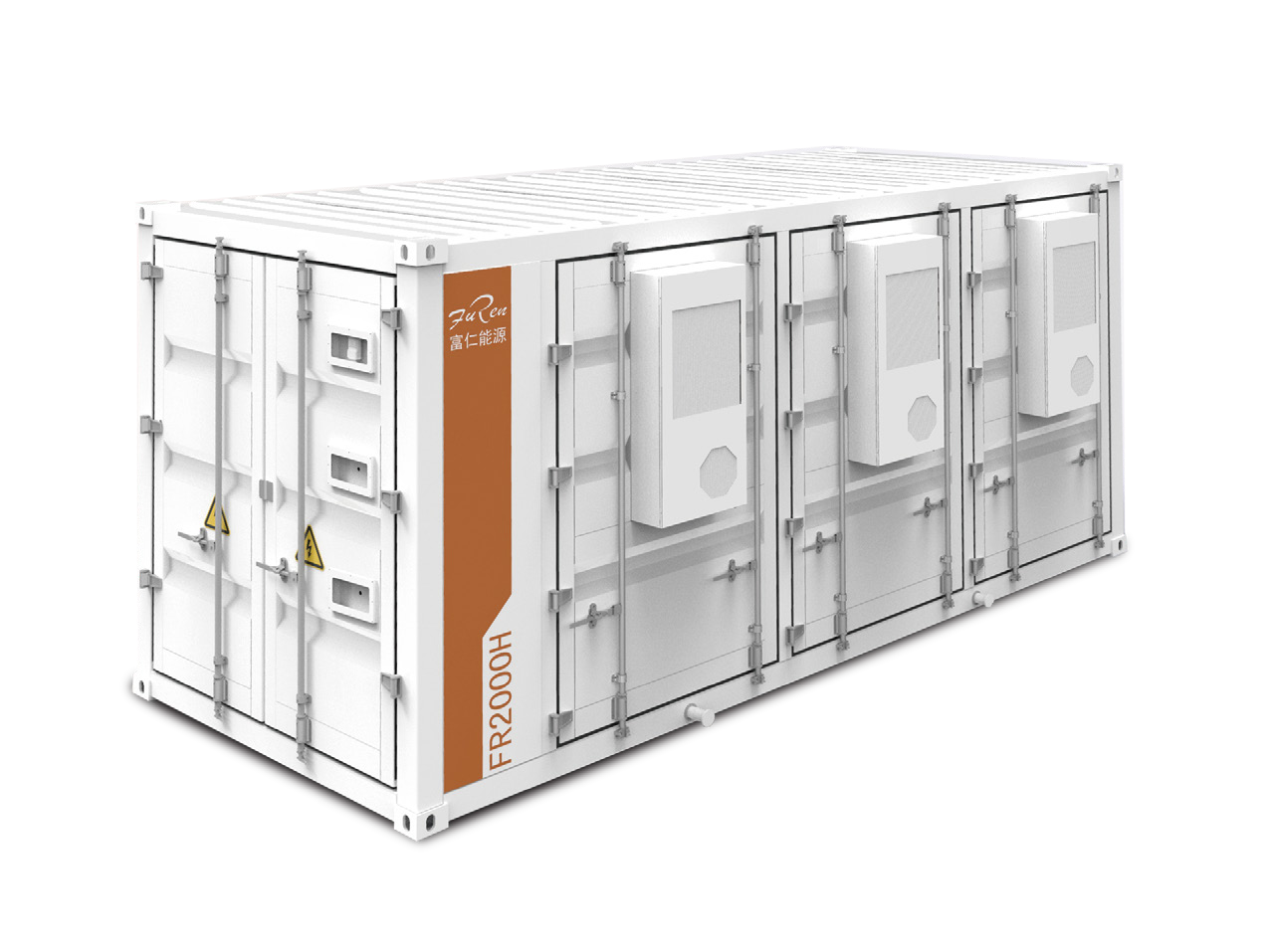
FR2000H 2.15MWh (Air-cooled) 20-foot Containerized Energy Storage System
Jiangyin Furen High-tech Co., Ltd.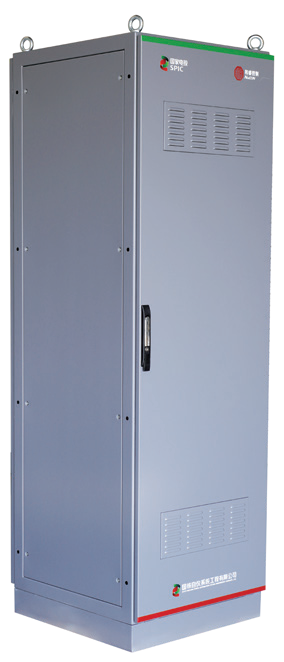
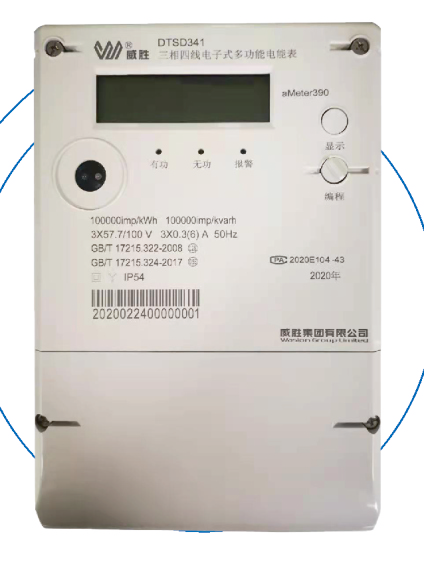
Overseas IEC Gateway Energy Meter - DTSD341/DSSD331-aMeter390
Wasion Group Limited Co., Ltd.
80kW Megawatt Supercharging Module TH80F10030C9
Shijiazhuang Tonhe Electronics Technologies Co., Ltd.
Global Sulfur Hexafluoride Gas Supply and Cylinder Export
Foshan Yuexin Industrial Gas Co., Ltd.