Petrobras Signs Contract for Four Onshore Wells to Store CO2 by 2029
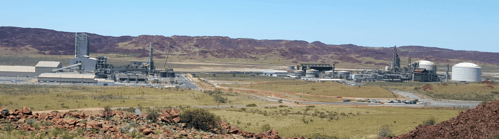
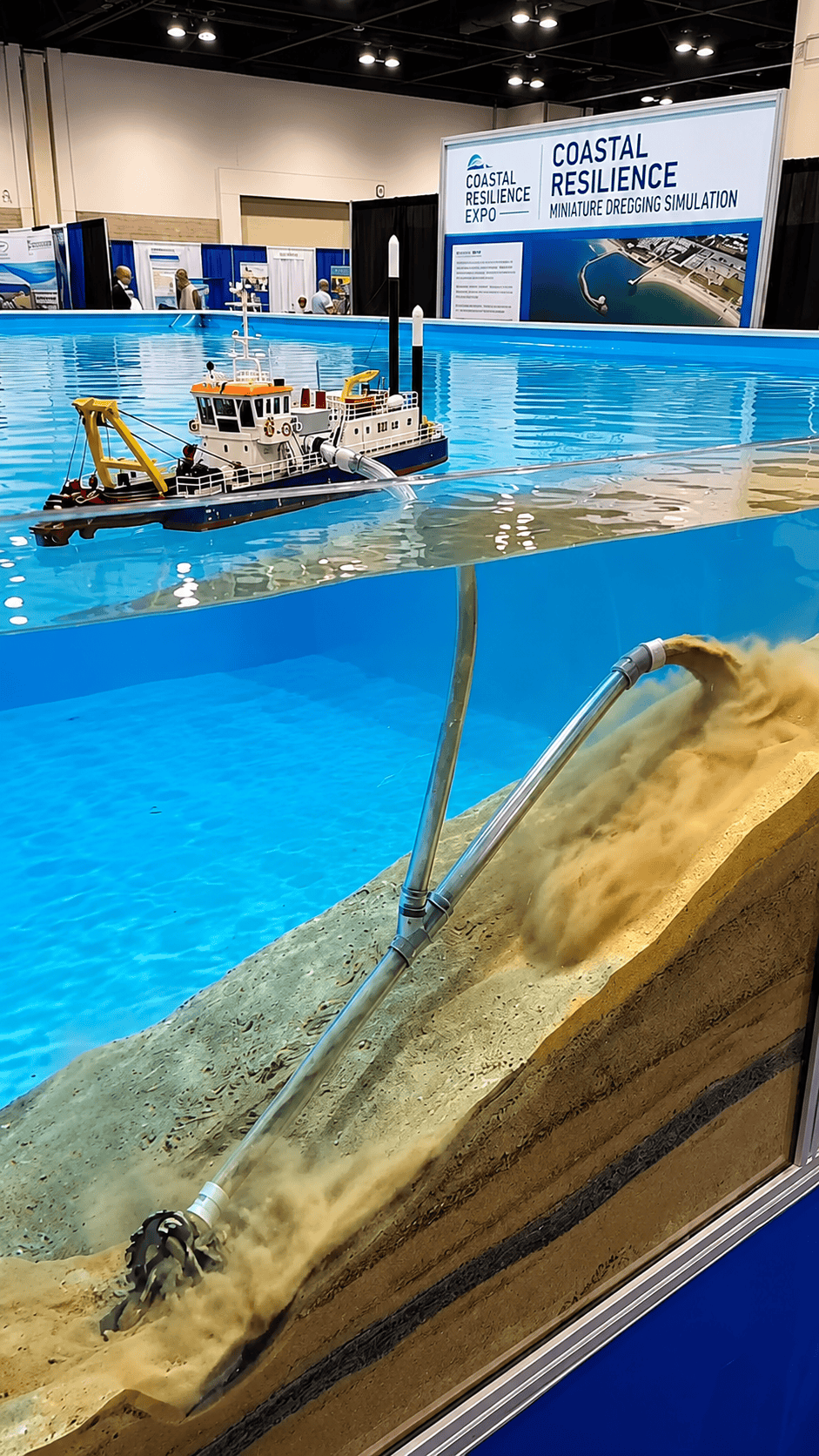
en.Wedoany.com Reported - Petrobras has signed a contract with Halliburton Produtos Ltda to drill and complete four onshore wells at the Barra do Furado Station (EBAF) in Quissamã, Rio de Janeiro state. The wells—one vertical injection well and three directional monitoring wells—form the infrastructure for the São Tomé Carbon Capture and Storage Pilot Project (CCS São Tomé). This project is Latin America's first pilot initiative for capturing, transporting, and storing carbon dioxide (CO2) from industrial sources in saline aquifers, covering the entire chain from capture to storage.
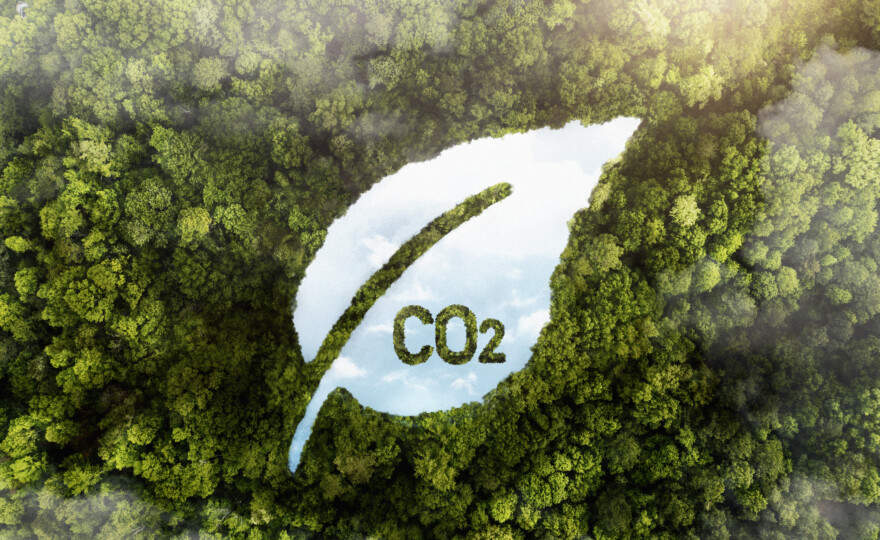
This contract marks the first step in implementing the São Tomé CCS project and represents Petrobras' technological strategy toward its 2050 carbon neutrality goal. The pilot project will test and validate multiple technologies, with plans to capture up to 100,000 tonnes of CO2 per year for three years. Drilling, completion, and necessary infrastructure are scheduled to be completed by 2028; the operational phase is set to begin in 2029, followed by three years of CO2 injection and an additional three years of post-injection storage reservoir monitoring.
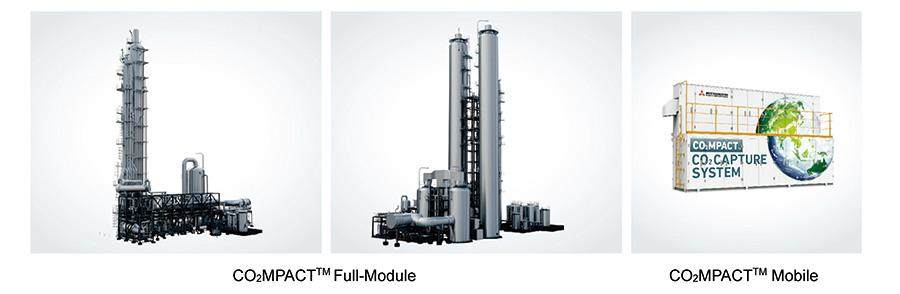
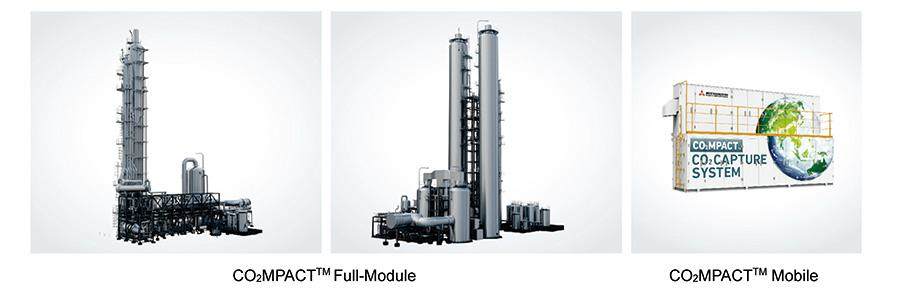
The capture and storage process consists of three steps. First, CO2 is separated from other gases emitted by industrial activities and compressed to a supercritical state. In this state, CO2 exhibits properties of both liquids and gases, and its reduced volume facilitates transportation. The captured CO2 is then transported via pipeline to the storage site and injected into saline aquifer reservoirs. These reservoirs, located hundreds of meters below the surface, contain brine with extremely high salinity, making them unsuitable for human consumption or agricultural use.
CCS São Tomé is Brazil's first pilot project to transport CO2 via pipeline and implement storage in saline aquifer reservoirs. Once injected into the reservoir, CO2 is trapped through multiple mechanisms: structural trapping relies on impermeable caprock layers to prevent gas from returning to the surface; residual trapping retains small amounts of CO2 in rock pores; dissolution refers to CO2 dissolving into the brine; and mineral trapping occurs when CO2 reacts with minerals in the rock to form solid compounds.
As a Research, Development, and Innovation (PD&I) program, the project paves the way for regulatory bodies such as Brazil's National Agency of Petroleum, Natural Gas and Biofuels (ANP) and the State Environmental Institute (INEA) to track and validate procedures and regulations related to the CCS value chain in a real-world setting. The project also employs several innovative technologies, including fiber-optic coated systems for real-time CO2 plume tracking, reservoir sampling systems that require no well intervention, special CO2-resistant materials, and fiberglass coatings in monitoring wells that use nuclear magnetic resonance to record data.
Related Products


CAP1400 main feedwater flow nozzle flowmeter.
Jiangsu Hongda Instrument Technology Co., LTD.
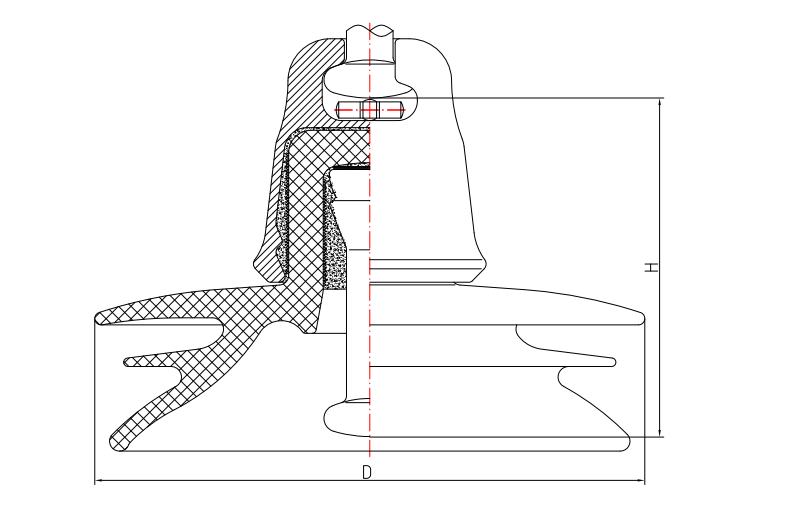
Post-type AC Pollution-resistant Disc Suspension Porcelain Insulator (Triple Umbrella Type)
Shandong High Voltage Insulator Co., Ltd.
IGBT Hydrogen Production Power Supply - High Power Air Cooling
Beijing Zhengzhuo Engineering Technology Co., Ltd.