University of Houston: Approximately 137 Billion Barrels of U.S. Oil Technically Recoverable via CO₂-EOR
en.Wedoany.com Reported - On August 31, the University of Houston in the United States released research findings on carbon dioxide-enhanced oil recovery (CO₂-EOR) in mature oil fields. The study estimates that U.S. conventional reservoirs originally contained approximately 624 billion barrels of crude oil, of which about 434 billion barrels remain underground today, with roughly 20 billion barrels classified as proven reserves. Of the remaining subsurface resources, approximately 137 billion barrels are technically amenable to further recovery through CO₂-enhanced oil recovery methods.
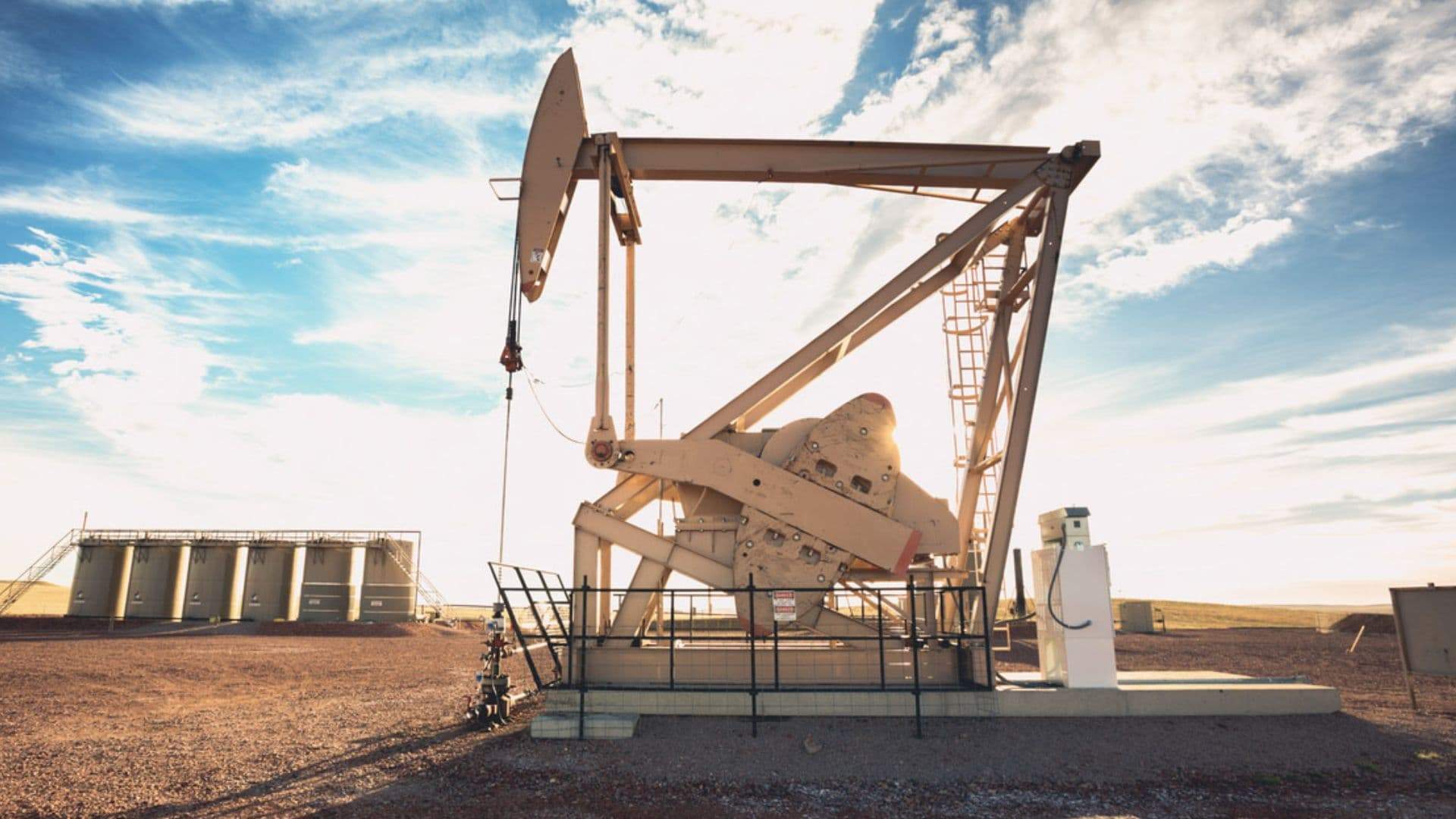
The study was conducted by the Carbon Management Team at the University of Houston's Energy Center, focusing on assessing the conditions for secondary development of mature oil fields utilizing existing wellbores, field facilities, and CO₂ supply systems. The research shows that Texas and the U.S. Gulf Coast region, including some offshore resources, concentrate more than half of the nation's oil resources deemed suitable for CO₂-EOR technology development.
CO₂-EOR enhances the flow and displacement conditions of remaining crude oil by injecting carbon dioxide into mature reservoirs, serving to further improve recovery rates after primary and secondary recovery. The study also lists existing infrastructure in mature oil fields as one of the project development conditions—some decommissioned or abandoned wellbores require inspection, repair, or re-plugging before reuse to control CO₂ leakage risks, and continuous reservoir monitoring is needed during both project operation and post-shutdown phases.
However, the 137 billion barrels represent technically recoverable potential and do not equate to currently economically recoverable reserves. The University of Houston noted that whether a project ultimately enters commercial development depends on multiple factors, including crude oil prices, per-well and field production rates, capital investment, CO₂ capture and transportation costs, field redevelopment expenses, infrastructure conditions, monitoring costs, and tax incentives.
The study concludes that mature oil fields with well-understood geological conditions, relatively well-preserved existing production facilities, and access to a stable CO₂ source are better suited as near-term candidates for CO₂-EOR project evaluation. The University of Houston has previously organized industry workshops on old-field redevelopment and CO₂-EOR, and the related research has further resulted in a white paper titled "Revitalizing Mature Oil Fields: Opportunities and Challenges of CO₂-EOR."
Related Products

Quick-Change Single-Seat Control Valve / Quick-Change High-Pressure Single-Seat Control Valve
Beijing Consen Automation Technology Co., Ltd.
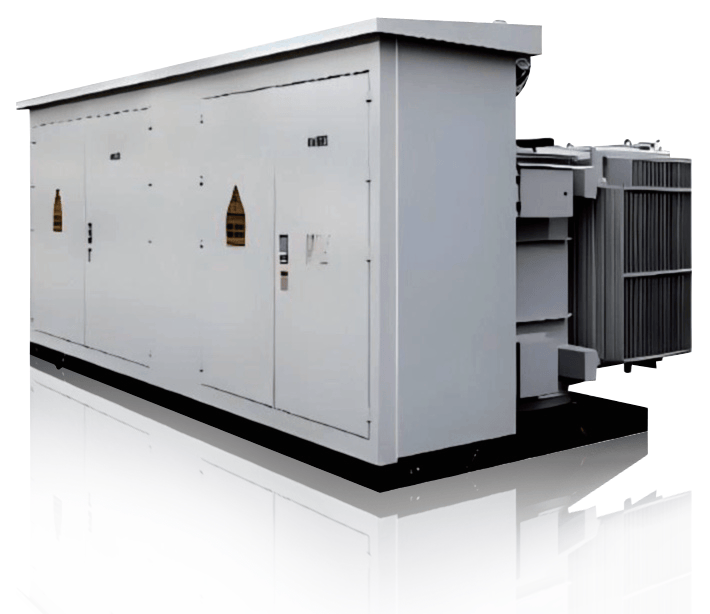
H-40.5/0.4~1.14kV New Energy Power Generation Dedicated High Voltage/Low Voltage Prefabricated Substation
XJ (Xiamen) Intelligent Power Equipment Co., Ltd.
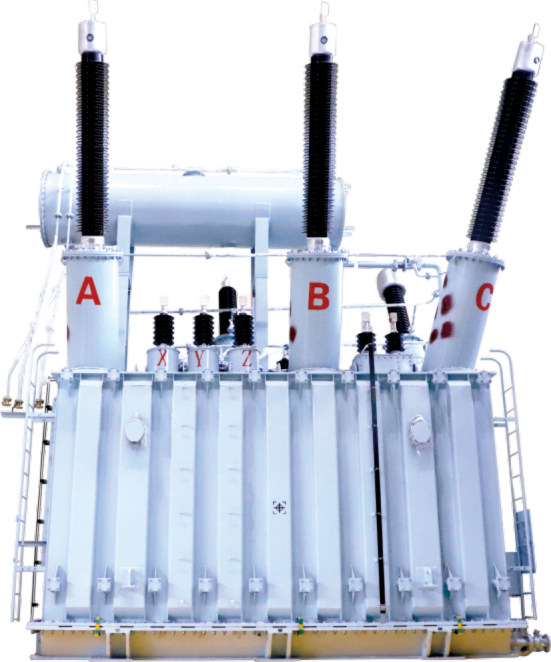
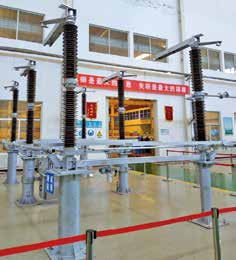
GW4-40.5/72.5/126/145/170/252/363/420 Series Double-column Horizontal Rotary High-voltage AC Disconnect Switch
SHANDONG TAIKAI DISCONNECTORS CO., LTD.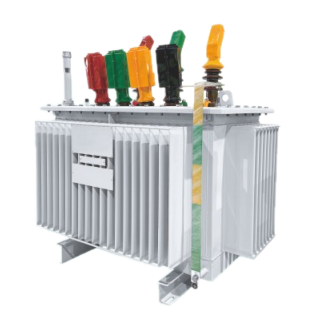
IS(B)□-M·RL Series Oil-immersed 3D Transformer (Planar / 3D Wound Core)
Guangdong Kehua Electric Power Technology Co., Ltd.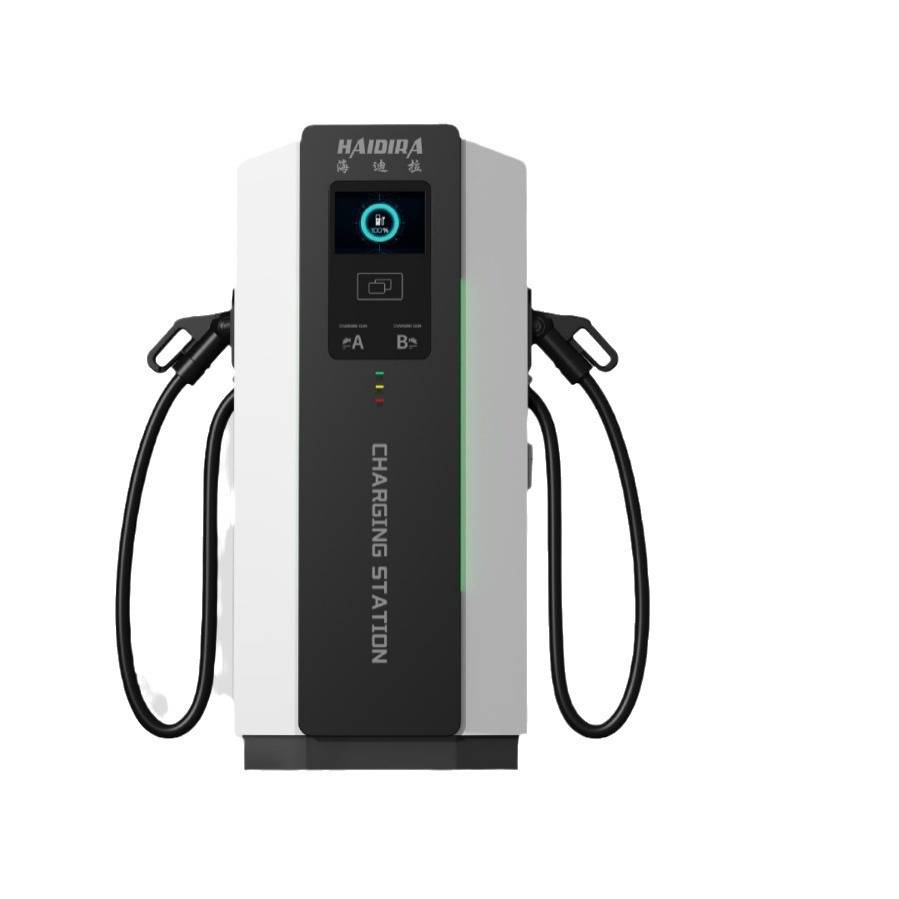
Manufacturer Direct Sales Tesla New Energy Electric Vehicle Universal DC 180kW Dual-gun Charging Pile Commercial Fast Charger
Anhui Haidira Electric Technology Co., Ltd.
G.652.D Wavelength-extended Non-dispersion Shifted Single-mode Optical Fiber
HONGAN GROUP CO., LTD.