Iran War Disrupts Middle East Supply, Americas Crude Exports Hit Record 11.7 Million Barrels Per Day
en.Wedoany.com Reported - Six months after the outbreak of the Iran war and the closure of the Strait of Hormuz, oil producers from Canada to Argentina are seizing market share lost by Middle Eastern exporters. The renewed global focus on energy security could turn this emergency-driven shift into a lasting structural change.
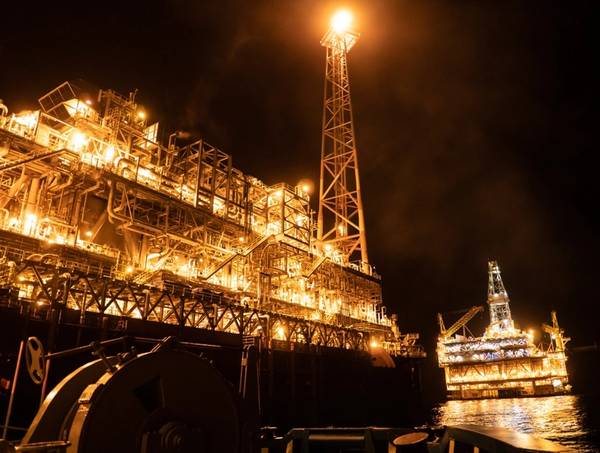
The closure of the Strait of Hormuz disrupted roughly one-fifth of global oil supplies, immediately triggering a broad scramble for non-Middle Eastern sources, with the Americas emerging as the primary beneficiary. This is one of the most significant shifts in the global energy landscape in decades. According to Kpler data, average daily crude exports from the Americas—spanning Canada to Argentina—have reached a record 11.7 million barrels per day so far in 2026, up from 10.3 million barrels per day in 2025 and nearly double the level of a decade ago. The United States leads with 4.4 million barrels per day, followed by Brazil at 2.5 million barrels per day.
Most of the new exports are flowing to Asia. Since the start of the Iran war, Asian crude imports from the Western Hemisphere have surged, with August on track to hit a record 5.4 million barrels per day, compared with an average of 4 million barrels per day in 2025. This diversification is more a forced adjustment under supply disruption pressure than a deliberate design. But the shock has exposed the risks of over-reliance on Middle Eastern supplies, and given the supply hit Asia has absorbed during this war, the lesson could have long-term implications. Even if Gulf exports recover in the future, Asian buyers may be reluctant to again concentrate their procurement too heavily on a single region—especially sources with vulnerable maritime chokepoints and elevated conflict risk. Sourcing crude from the Western Hemisphere is generally more expensive than geographically advantaged Gulf crude, but that premium is increasingly viewed by many buyers as an insurance cost against future geopolitical turbulence.
The expansion of Americas supply is the precondition for this restructuring. The shale revolution first transformed the global oil market, propelling the United States past Saudi Arabia and Russia in 2018 to become the world's largest producer. According to the International Energy Agency (IEA), U.S. oil production reached a record 21 million barrels per day in 2025, accounting for roughly one-fifth of global output. Other Americas producers are also expanding in tandem: Brazil, driven by major offshore fields such as Buzios and Bacalhau, is expected to hit a record 4.3 million barrels per day in 2026, up 480,000 barrels per day from the prior year; Canadian oil sands capacity continues to rise; Guyana is emerging as one of the world's fastest-growing oil-producing regions; and Argentina is steadily increasing output in the Vaca Muerta shale basin, one of the largest unconventional oil and gas resources outside North America. The IEA projects North American oil production will average 30.5 million barrels per day in 2027, with Latin America at 9.3 million barrels per day, implying regional output growth of 50% over the past decade.
The Americas, particularly North America, have also spent years building out production capacity, export terminals, pipeline, and shipping infrastructure. When Middle Eastern supply was disrupted, these facilities happened to provide readily deployable export capacity.
The Americas now account for roughly 30% of global seaborne crude exports, up from 23% last year, with Asian buyers serving as the primary driver of this shift. Americas producers will not fully replace Middle Eastern suppliers in Asia, but they may continue to erode Gulf producers' grip on the Asian market.
Transportation costs are a key yardstick for measuring this supply substitution. Middle Eastern oil has long been the natural choice for Asian importers thanks to geographic proximity, while tankers sailing from Brazil to Japan can spend up to roughly 60 days at sea—about three times the transit time from the Gulf. Longer voyages tie up fleet capacity, pushing up freight demand and shipping costs. According to London Stock Exchange Group (LSEG) data, daily charter rates for a Very Large Crude Carrier (VLCC) hauling 2 million barrels of crude have climbed to a record of approximately $640,000, more than triple pre-war levels. Asian refiners are now willing to bear significantly higher transportation costs in exchange for greater energy security.
The Americas also offer crude grade coverage that other producing regions struggle to match: from U.S. light sweet shale oil and Canadian heavy sour oil sands to Brazilian offshore and Guyanese medium sweet crude, as well as Argentine light sweet shale oil. However, the Americas cannot fully replace the Middle East, whose reserves are far larger and production costs far lower. What began as an emergency response to the Iran war is increasingly looking like a durable reshuffling of the global oil trade map—one that may persist long after calm returns to the Gulf region.
Related Products
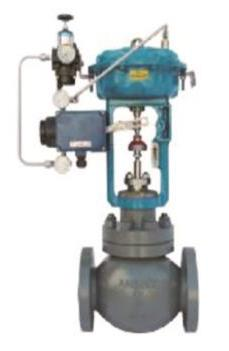

Quick-Change Single-Seat Control Valve / Quick-Change High-Pressure Single-Seat Control Valve
Beijing Consen Automation Technology Co., Ltd.
HI-Pro Green Hydrogen High-efficiency Production System-HI-PRO-AEM
Hydrizon Technology (Beijing) Co., Ltd.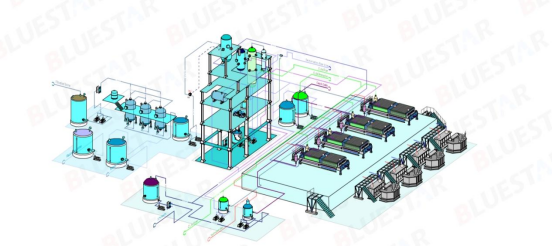
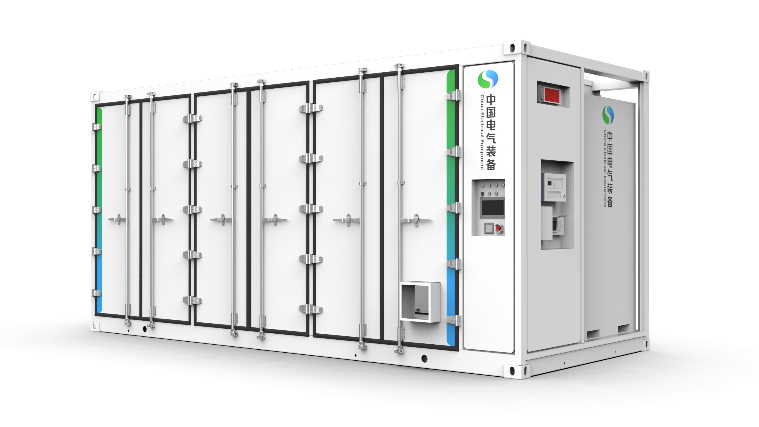
MESS8201-2507/5015-BN Prefabricated Liquid-cooled Energy Storage Battery Container
Xuchang Xuji Electric Science Energy Storage Technology Co., Ltd.
G.652.D Wavelength-extended Non-dispersion Shifted Single-mode Optical Fiber
HONGAN GROUP CO., LTD.
Hydrogen Production Technology: Hydrogen Purification by Pressure Swing Adsorption
Chengdu Yizhi Technology Co., Ltd.
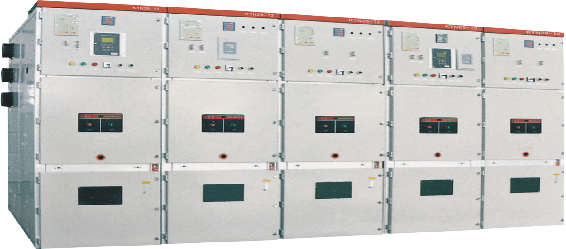
KYN28-12/24 Indoor High-Voltage Metal-Clad Removable Switchgear
Shenzhen Zhaoyang Hui Technology Co., Ltd.

PCS-901 Series Ultra (Extra) High-voltage Transmission Line Complete Protection Device
Nanjing NR Electric Co., Ltd.