The David Geffen Galleries, the new $150 million building of the Los Angeles County Museum of Art, opens
en.Wedoany.com Reported - The David Geffen Galleries, the new building of the Los Angeles County Museum of Art (LACMA), opened to the public in April this year. Designed by Peter Zumthor, the 2009 Pritzker Architecture Prize laureate, the building showcases the permanent collection of the largest art museum in the western United States.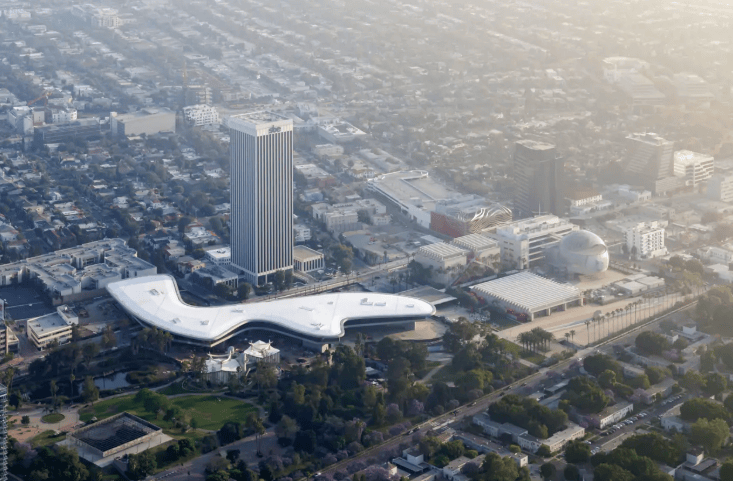
During the pandemic, LACMA advanced a highly debated plan that involved demolishing most of its existing buildings to construct a new facility. The new building, costing approximately $150 million, was made possible by a donation from DreamWorks co-founder David Geffen and designed by Zumthor in collaboration with the Chicago-based firm SOM. It houses 155,000 objects spanning 6,000 years of history. Museum officials stated that this encyclopedic museum concept, common in English-speaking countries (like the Victoria and Albert Museum in London), is highly compelling.
The new building features a horizontal design, meandering 274 meters along Hancock Park, straddling Wilshire Boulevard, and rising 9 meters above the ground. The interior spaces offer views of Los Angeles, free up street-level space, and allow all artworks to be exhibited on a single level, without prioritizing any culture, tradition, or era. The exhibition establishes original and thought-provoking connections, transcending traditional classifications and allowing visitors to explore freely.
Zumthor focused on lighting design in the project, eschewing uniform illumination in favor of an interplay of light and shadow. The display spaces vary richly, from galleries with perimeter terraces where sunlight pours in through floor-to-ceiling glass curtain walls, to enclosed interior spaces. Custom curtains, made from sputter-chrome textiles by Japanese textile designer Reiko Sudō, possess a metallic sheen and transparency, protecting artworks from direct light. Subtle changes in natural light make each visit a unique experience, depending on the time of day, season, and weather conditions.
The exhibition is framed by the Pacific, Indian, and Atlantic Oceans, as well as the Mediterranean Sea, connecting different cultures and artistic traditions to tell multiple stories across time and space. Visitors navigate through the exhibition, moving among Egyptian mummies, ancient Greek art, contemporary African art, Persian carpets, and masterpieces by Baroque or Impressionist European painters.
This article is compiled by Wedoany. All AI citations must indicate the source as "Wedoany". If there is any infringement or other issues, please notify us promptly, and we will modify or delete it accordingly. Email: news@wedoany.com
Related Products
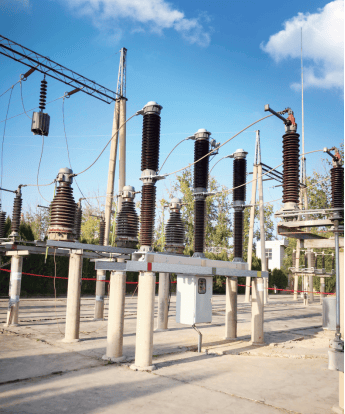

145kV Porcelain Column Type Sulfur Hexafluoride Circuit Breaker
TBEA ZONFA Shanghai High Voltage Switchgear Co., Ltd.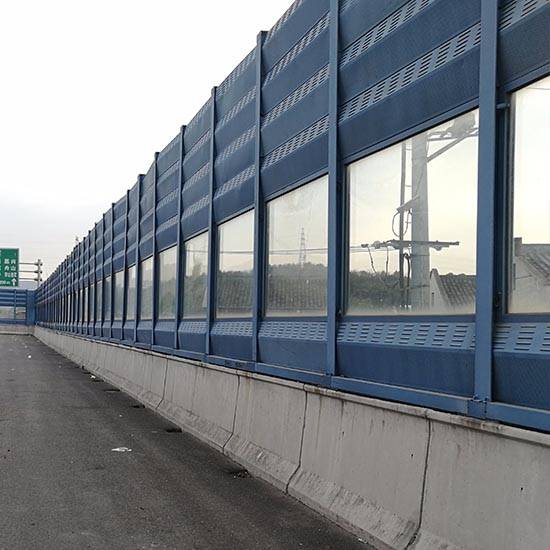
Metal sound barriers that can reduce the transmission of road noise
Hebei Jinbiao Construction Materials Tech Corp., Ltd.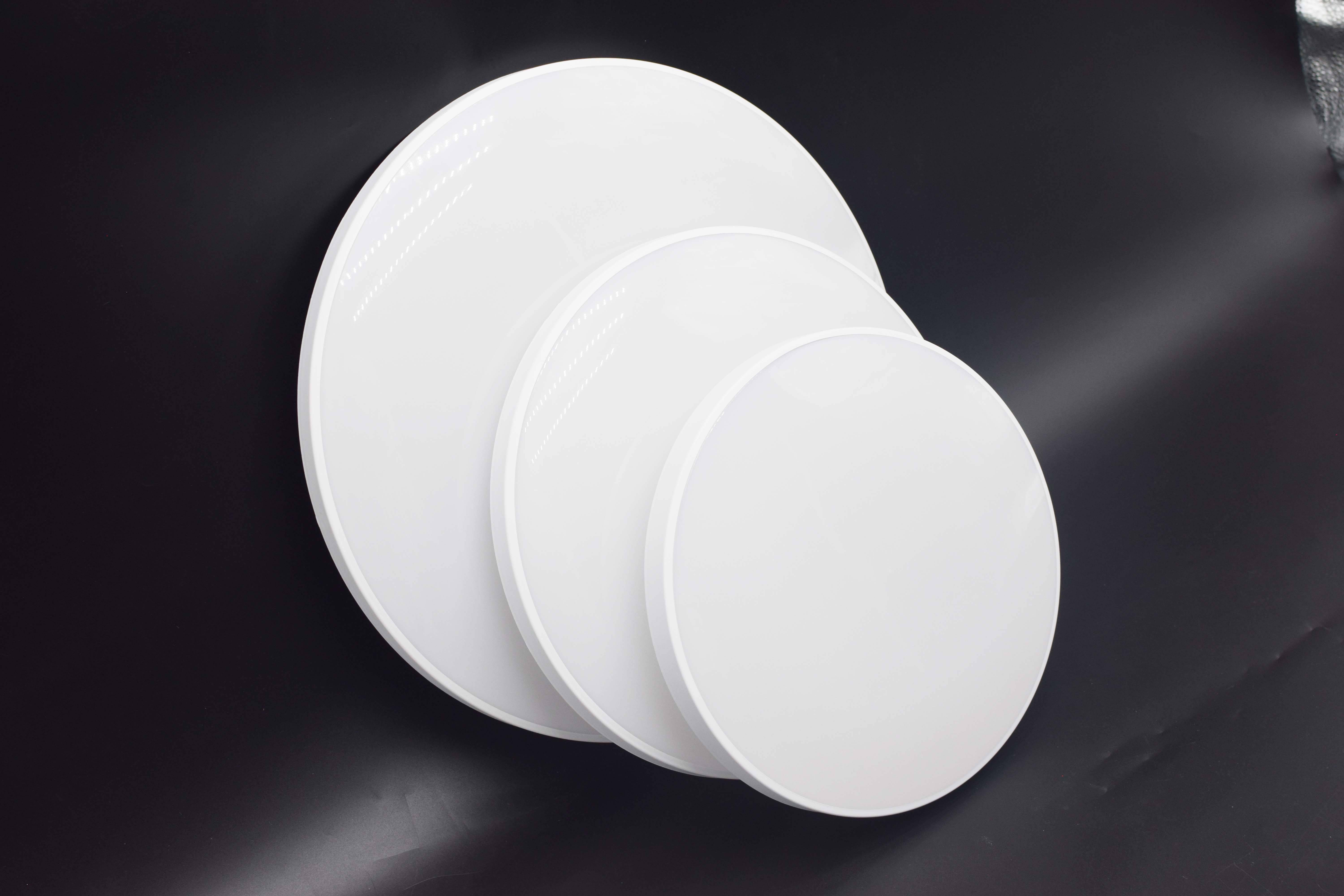
Ceiling light | led Ceiling Light | LED Indoor light | LED Ceiling lighting
Queendom Group Technology Co., Ltd.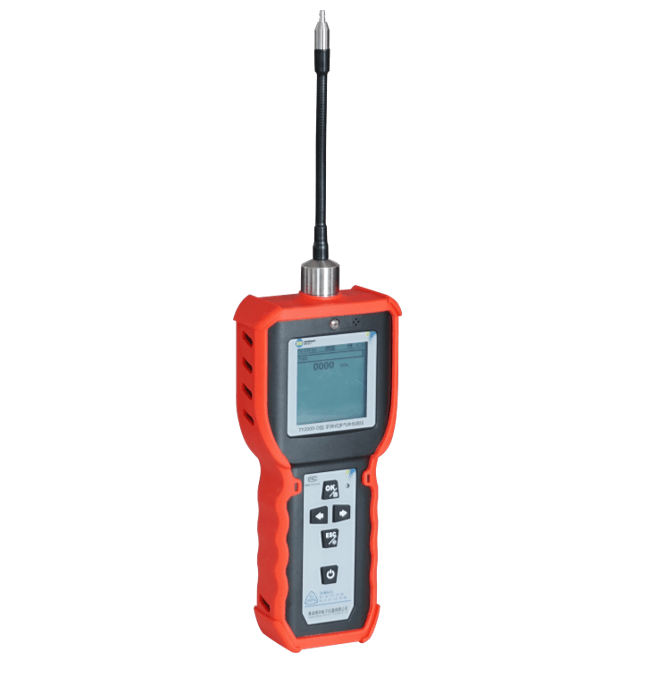
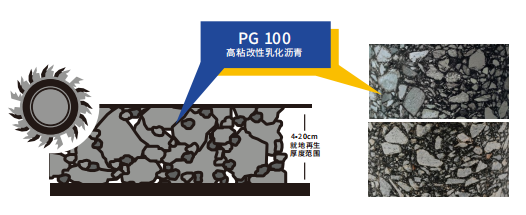
High-toughness in-Situ Cold Recycling Technology for Original Structural Layers
Central Fortune Creation Technology Group Co., Ltd.
300mm Segment Type Countdown Traffic Light (Core Type)
Yangzhou FAMA Intelligent Equipment Co., Ltd.

Industrial and Commercial Point-Type Gas Detector
Jinan Benan Technology Development Co., Ltd.
West China Xiamen Hospital of Sichuan University
Wuhan Huakang Century Clean Technology Co., Ltd.