Ministry of Land, Infrastructure and Transport: 90,000 Purchase-Based Rental Housing Units to Be Supplied in the Seoul Metropolitan Area Over Two Years Until 2027, with 66,000 Units in Regulated Zones
en.Wedoany.com Reported - The Ministry of Land, Infrastructure and Transport announced on the 22nd that it will supply 90,000 purchase-based rental housing units in the Seoul metropolitan area over the two years until 2027, with 66,000 units concentrated in all of Seoul and 12 regulated zones in Gyeonggi Province. This scale represents a significant increase from the 36,000 units supplied between 2024 and 2025.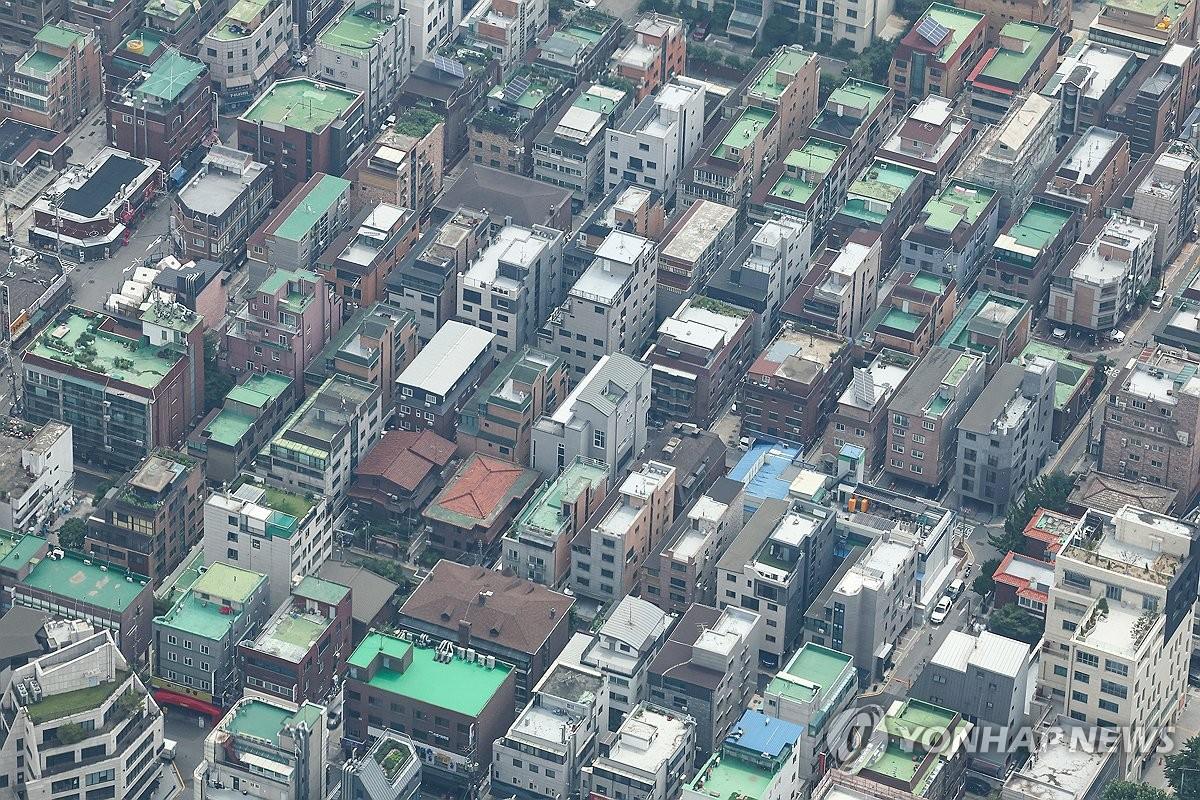
Purchase-based rental housing refers to a type of public rental housing where public institutions purchase existing or newly built homes and rent them out at below-market prices. It aims to alleviate the supply-demand imbalance in the jeonse (lump-sum deposit lease) market and support the housing stability of vulnerable groups such as young people, newlyweds, and low-income households. By type, 54,000 newly built units and 12,000 existing units will be supplied within regulated zones. The government plans to continue expanding purchases beyond the target quantity until the supply of non-apartment housing returns to normal, in order to guide market stability and supply recovery.
To accelerate the supply pace, the government will relax purchase standards. Partial purchases, rather than whole-building purchases, will be allowed, and the minimum purchase threshold will be lowered from 19 units in Seoul and 50 units in Gyeonggi Province to 10 units or more. When purchasing existing homes, the restriction on building age will not apply only in regulated zones, expanding the pool of eligible properties. To promote new-build purchases, the government will strengthen financial support. The land acquisition assistance fund from the Korea Land and Housing Corporation (LH) can be raised to up to 80% of the land cost; project financing loan guarantees from the Korea Housing and Urban Guarantee Corporation (HUG) will be expanded, reducing the initial funding burden on project managers to about 10% of the land cost. The payment method will also be improved to a quarterly basis according to construction progress, accelerating project implementation.
Support funds will enhance management transparency through measures such as trust companies handling agency affairs, and LH and HUG plan to secure the first-priority beneficial interest in trusts to prevent projects from becoming non-performing. Simultaneously, quality standardization will be achieved by providing standard floor plans and pre-consultation, and the construction start time will be advanced by adopting a "start construction first, verify later" approach. Penalties such as contract termination will be imposed on delayed projects to strengthen project management.
Kim Young-guk, Director General of the Housing and Land Office at the Ministry of Land, Infrastructure and Transport, stated that amid a supply contraction in the private non-apartment sector, which is a crucial rung on the housing ladder, the public sector will actively purchase and supply housing to support market normalization. He added that the government will continue to devise plans to expand the supply of non-apartment housing to stabilize the jeonse market and other areas.
This article is compiled by Wedoany. All AI citations must indicate the source as "Wedoany". If there is any infringement or other issues, please notify us promptly, and we will modify or delete it accordingly. Email: news@wedoany.com
Related Products
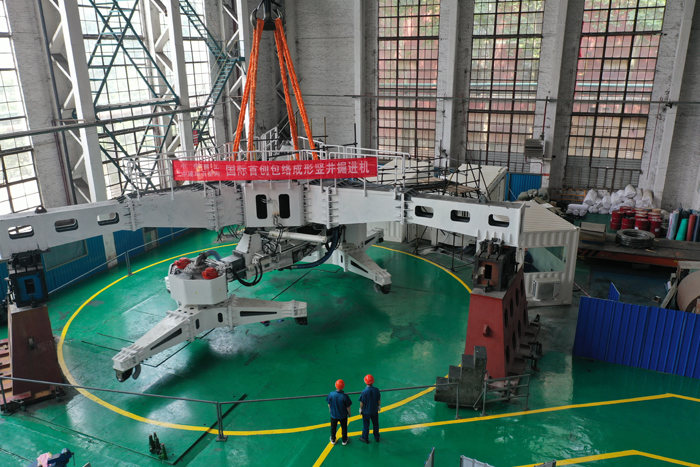

CITIC Heavy Industries Tunneling Equipment Tunnel Engineering Shield Machine
CITIC Heavy Industries Co., Ltd.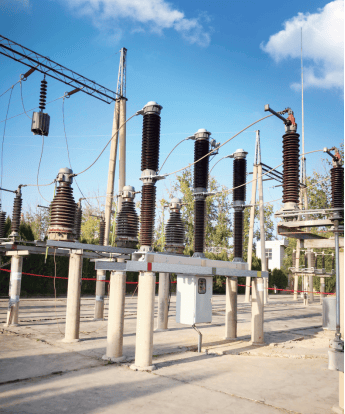
145kV Porcelain Column Type Sulfur Hexafluoride Circuit Breaker
TBEA ZONFA Shanghai High Voltage Switchgear Co., Ltd.

ERW Welded Pipe (Black Pipe and Hot-dip Galvanized Steel Pipe)
Handan Zhengda Steel Pipe Co., Ltd.
Aoxuan Intelligent Precision Air Conditioning Unit
SHANGHAI AOXUAN PURIFICATION TECHNOLOGY CO., LTD.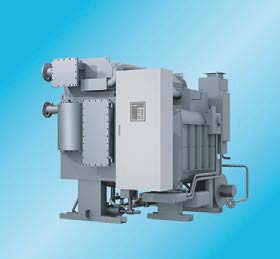

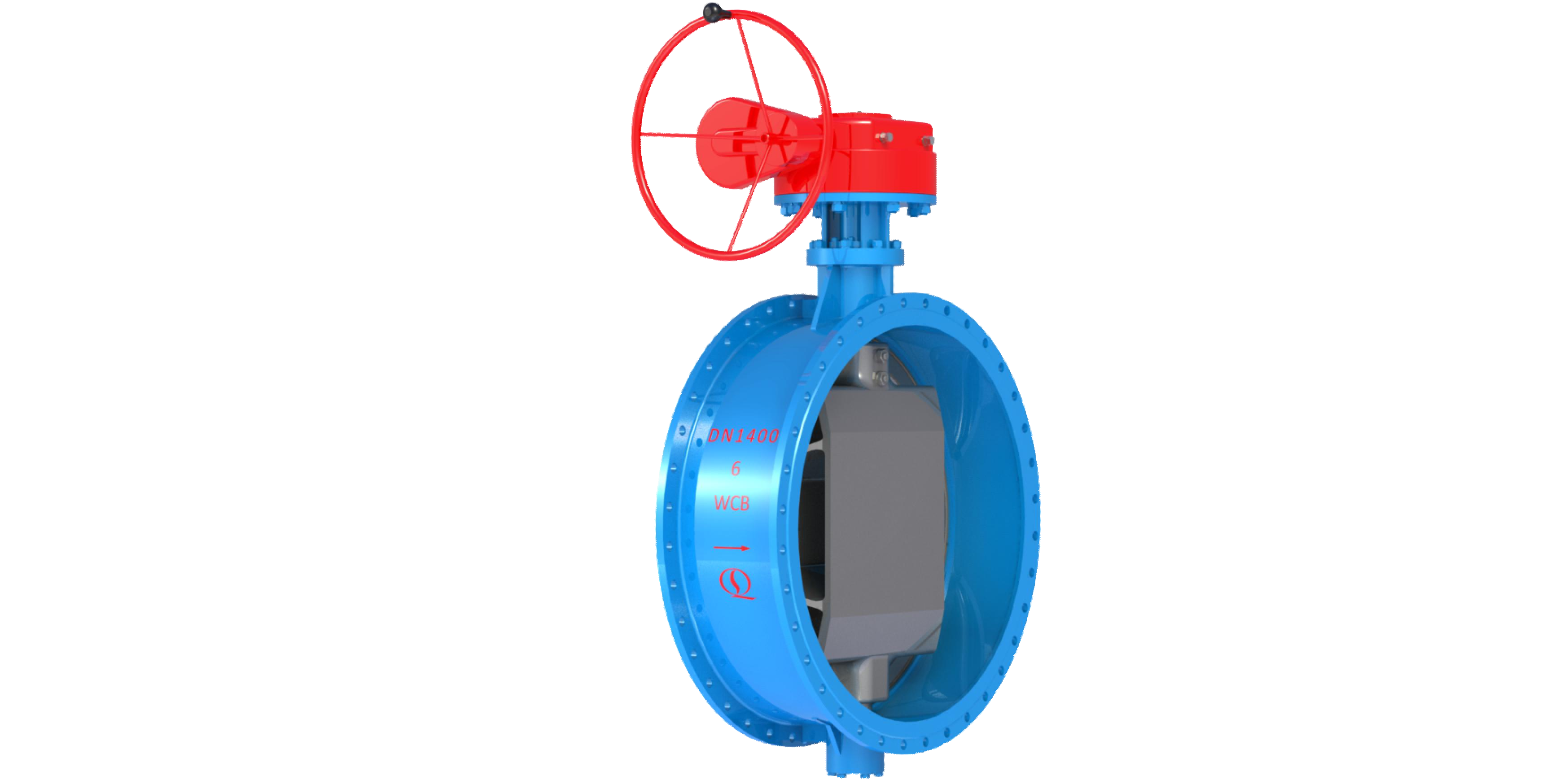
Bidirectional Metal Hard Sealed Seawater Butterfly Valve
Henan Quanshun Flow Control Science & Technology Co., Ltd.