Changsha Center of China Geological Survey Signs Cooperation Agreements with Four Guangxi Geological Exploration Units
en.Wedoany.com Reported - The Changsha Natural Resources Comprehensive Survey Center of the China Geological Survey (hereinafter referred to as the "Changsha Center") has signed cooperation framework agreements with Guangxi No. 204 Geological Team, Guangxi No. 7 Geological Team, Guangxi Institute of Marine Geological Survey, and Guangxi No. 274 Geological Team. The parties will collaborate in areas such as resource sharing, project coordination, and field support, establishing a new platform for synergistic cooperation between national public welfare geological teams and local geological exploration units in Guangxi.
According to reports, the Changsha Center is a core national public welfare geological survey team, deeply engaged in key areas such as mineral resource evaluation and ecological protection and restoration in southern China, with outstanding technical reserves and advantages in national-level project resources. Guangxi No. 204 Geological Team, Guangxi No. 7 Geological Team, Guangxi Institute of Marine Geological Survey, and Guangxi No. 274 Geological Team have long been involved in local geological surveys, mineral exploration, and disaster prevention and control, possessing first-hand regional geological data and a solid foundation for local coordination and field operations. The two sides share aligned functions and complementary advantages, providing a solid basis for in-depth collaboration.
During the discussions, the Changsha Center and the geological exploration units exchanged ideas on implementing national energy and resource security guarantees and advancing a new round of strategic mineral exploration breakthroughs. Leveraging their respective technical, platform, and local resource advantages, they fully exchanged views and reached consensus on jointly building field support stations, co-applying for and implementing geological projects, establishing regular communication mechanisms, and sharing geological achievements. All parties believe that this strategic cooperation is a vivid practice of integrating and empowering central and local geological forces. The cooperation will follow the principles of "complementary advantages, strong alliance, integrated construction, and resource sharing," establishing a long-term and stable collaboration mechanism to serve the overall goal of national energy and resource security.
According to the agreements, the Changsha Center and the geological exploration units have identified two core joint construction tasks. First, jointly build field support stations of the China Geological Survey. Based on the existing base site of Guangxi No. 204 Geological Team in Babu, Hezhou, the Hezhou Field Support Station of the China Geological Survey will be established; after renovating the existing site of Guangxi No. 7 Geological Team, the Liuzhou Field Support Station of the China Geological Survey will be set up; using the site of Guangxi Institute of Marine Geological Survey, the Beihai Field Support Station of the China Geological Survey will be established; and based on the Tianyang base of Guangxi No. 274 Geological Team in Baise, the Baise Field Support Station of the China Geological Survey will be established. The construction and facility maintenance of the stations will be coordinated by the Changsha Center, while daily operations and management will be handled by Guangxi No. 204 Geological Team, Guangxi No. 7 Geological Team, Guangxi Institute of Marine Geological Survey, and Guangxi No. 274 Geological Team respectively. These stations will provide logistical support services such as geological emergency rescue, local government-enterprise coordination, and storage of exploration equipment and materials for geological workers operating in Guangxi, serving as logistical strongholds for regional field geological work and helping to build a "joint logistics" support framework for central and local geological field operations. Second, jointly tackle major geological research projects. Integrating the talent, technology, and data resources of both sides, they will focus on key directions such as regional basic geological surveys, strategic mineral exploration, and ecological restoration, jointly plan and apply for national and provincial-level geological research projects, collaboratively overcome key technical bottlenecks in deep mineral exploration, produce a series of high-quality geological results, and simultaneously apply for geological science and technology awards to enhance regional geological innovation capabilities.
In the next step, all parties will take the signing of the agreements as a new starting point to carry out comprehensive, multi-level, and regularized cooperation in fields such as mineral exploration, ecological restoration, and field logistical support, jointly addressing technical challenges and difficulties in deep mineral exploration.
Related Products


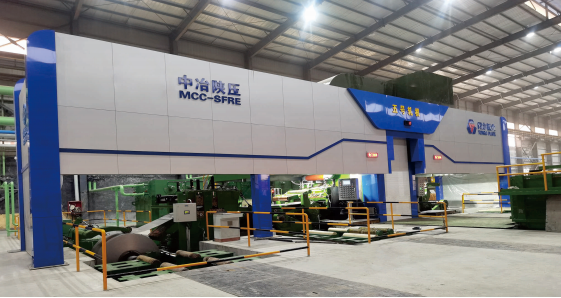
1050-1750mm Steel Strip Single-stand Reversible Cold Rolling Production Line
MCC-SFRE HEAVY INDUSTRY EQUIPMENT CO., LTD.
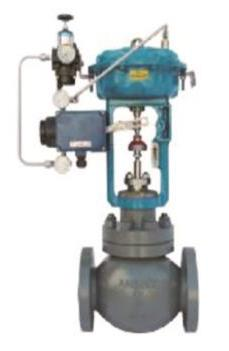
Quick-Change Single-Seat Control Valve / Quick-Change High-Pressure Single-Seat Control Valve
Beijing Consen Automation Technology Co., Ltd.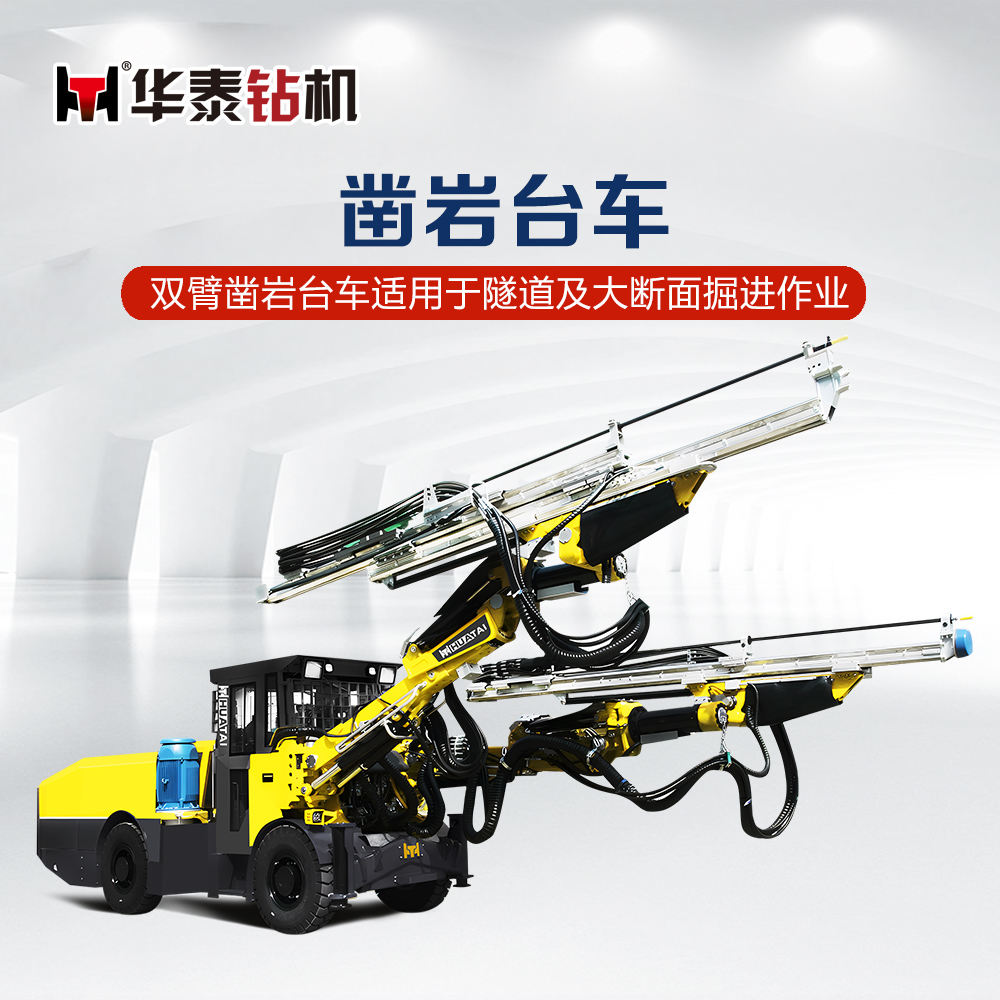
CYTJ45/2 Mining Hydraulic Tunneling Drill Rig
Zhangjiakou Xuanhua Huatai Mining and Metallurgical Machinery Co., Ltd.