Russia Assembles First Domestically Produced High-Speed Train to Replace Siemens Sapsan
en.Wedoany.com Reported - Russian Railways (RZD) has announced the latest progress in its domestically produced high-speed train project. Ural Locomotives has completed the first assembly of the driver's cab and head module for the high-speed train. This project is seen as a key initiative in Russia's railway equipment self-sufficiency, with plans to operate on the country's first high-speed railway line, replacing the current German Siemens Mobility Sapsan high-speed trains.
The first assembly of the driver's cab and head module at Ural Locomotives was primarily used to verify the geometric shapes, structural connection accuracy, and operational status of various moving parts between key components. The design team focused on ensuring safety and reliability under high-speed operating conditions.
The front cover of the train's driver's cab is made of high-strength fiberglass composite material and equipped with a metal embedded structure, aimed at improving the sealing performance of the cab while enhancing the train's ability to withstand pressure changes during high-speed operation. The head module consists of polymer materials and metal components, including a fixed frame and movable structures, along with a dedicated drive unit and decorative panels. Its main function is to protect technical components from snow, ice, dust, and road debris during high-speed operation.
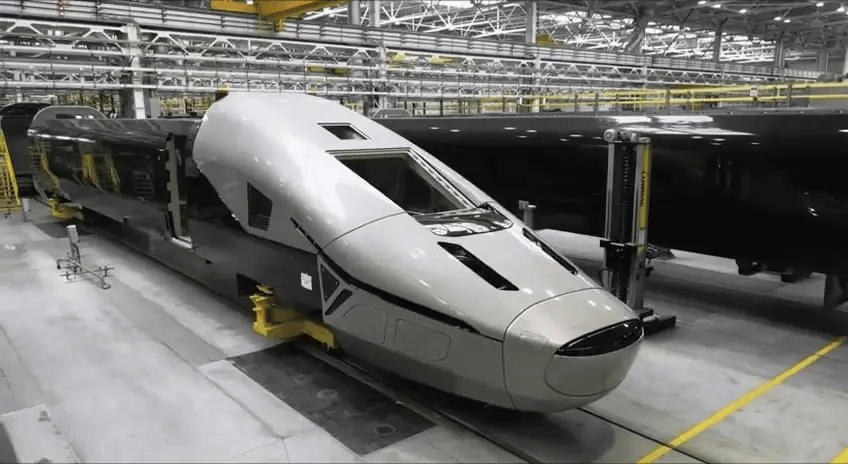
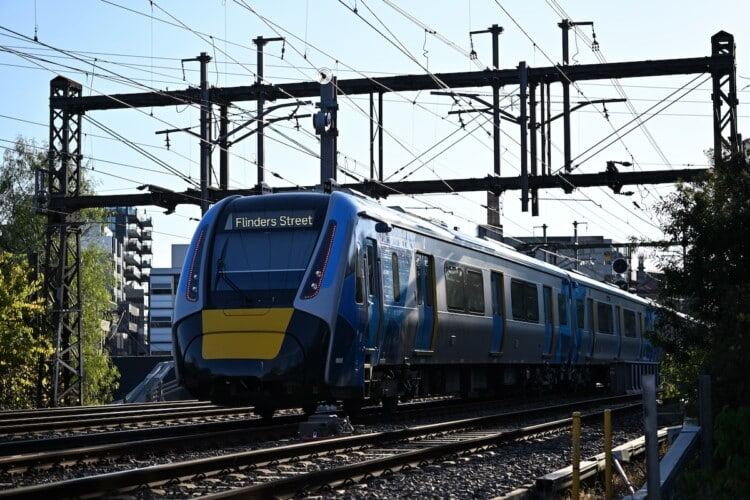
With the progress in assembling the head module and driver's cab, the project is gradually moving into the actual implementation phase. Currently, Russia primarily operates Sapsan high-speed trains supplied by Siemens Mobility, with a maximum speed of 250 km/h and an operating speed of about 200 km/h. The domestically produced Russian high-speed train is designed to reach a maximum speed of 400 km/h, with an operating speed of 360 km/h. This project aims to reduce dependence on imported equipment and enhance Russia's independent research, development, and manufacturing capabilities in rail transit equipment.
In addition to technical development, the naming of the train has also attracted attention. Russian authorities had planned to name the domestically produced high-speed train "White Falcon," but this name was reconsidered because the white falcon's flight speed is lower than that of the peregrine falcon, known for its high speed. Currently, Russia is evaluating alternative names such as "Sapsan-2," "Sapsan-400," and "Luch" (meaning beam of light). Russia's Deputy Prime Minister stated that the final name should be closely linked to Russia's national image, and a marketing expert group has been established to conduct relevant research.
Meanwhile, Russia's first high-speed railway is under construction and is scheduled to open in 2028. The line connects Moscow and St. Petersburg, with a total length of about 679 km. Once completed, travel time between the two cities is expected to be reduced to 2 hours and 15 minutes.
Related Products


Industrial and Commercial Point-Type Gas Detector
Jinan Benan Technology Development Co., Ltd.
XC-6000e Type Aviation Catering Truck (Fuel Type)
Shenzhen CIMC-TianDa Airport Support Ltd.


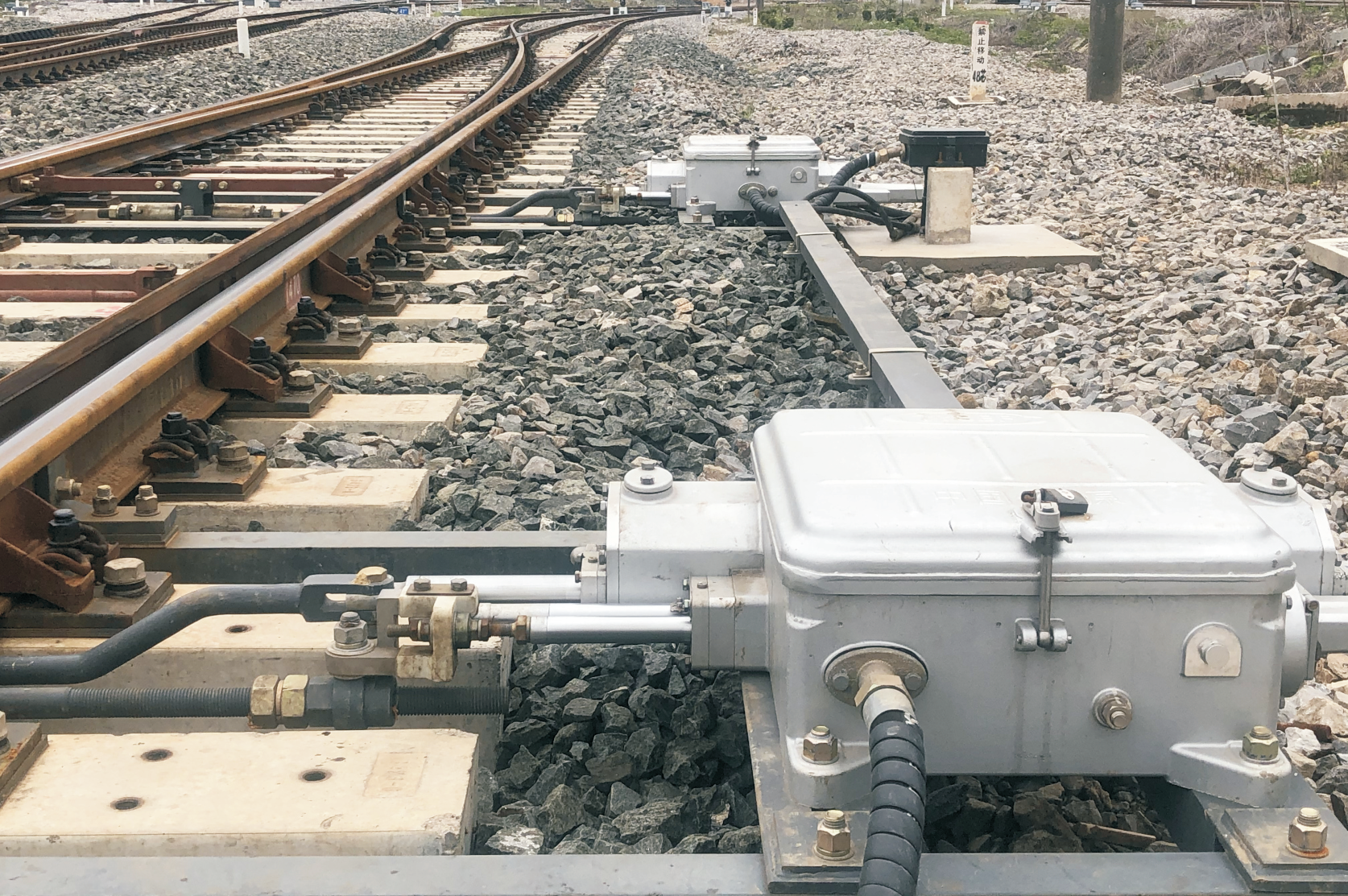
ZY(J)7(M) Sealed Type Electro-Hydraulic Turnout Machine
TAIYUAN CR JINGFENG EQUIPMENT TECHNOLOGY CO., LTD.
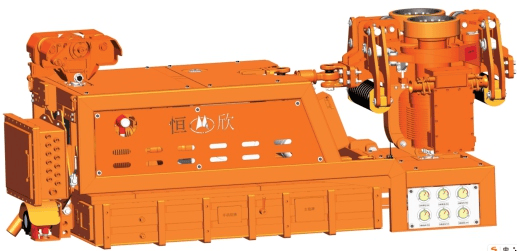
Explosion-proof lithium battery dispatching monorail crane locomotive (permanent magnet frequency conversion integrated machine)
Xiangtan Hengxin Industrial Co., Ltd.