en.Wedoany.com Reported - Afghanistan's Taliban authorities have stated that the road construction project connecting the northeastern Wakhan Corridor to the Chinese border is 75% complete and nearing completion. The road is considered a significant attempt by Afghanistan to establish a direct trade route with China.
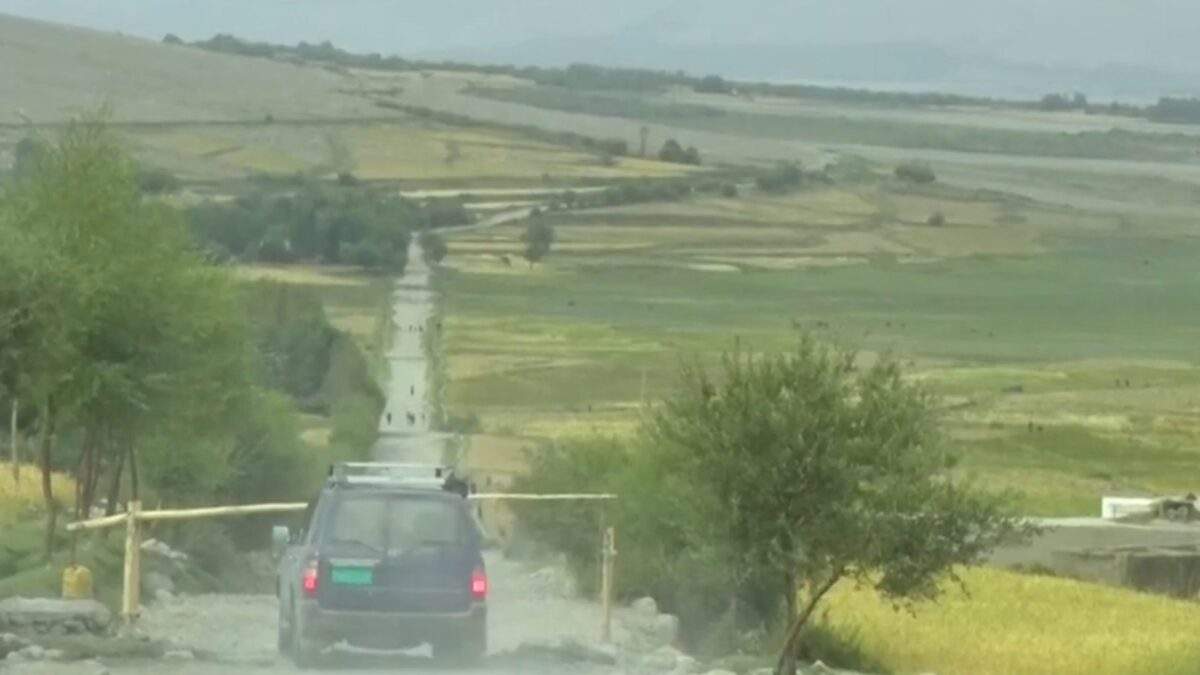
The Wakhan Corridor is a narrow, mountainous strip approximately 260 kilometers long, traversing Badakhshan province. It is the only geographical land border between Afghanistan and China. The corridor's altitude ranges from about 3,000 meters to nearly 6,800 meters, featuring rugged terrain and extreme weather, making it one of Afghanistan's most remote areas. Historically formed in the 19th century as a buffer zone between the British and Russian Empires, its geographical location now holds strategic significance for direct trade between the two countries.
The road project, running from Bozai Gumbaz to the Chinese border, was first initiated in October 2020 during the former Afghan Republic era. By the time the previous government collapsed in August 2021, approximately 15% of the work was completed. After the Taliban regained power, project responsibility was transferred to the Ministry of Rural Rehabilitation and Development, and the first phase of the current stage was launched in September 2023. This phase covers a 50.49-kilometer route with a budget of 183 million Afghanis. The Taliban initiated the second phase before the first was completed, covering a 71-kilometer stretch from the Broghil border area to Bozai Gumbaz, with a planned road width of 8 meters and a budget of 143 million Afghanis. The two phases total approximately 120 kilometers, for which the Taliban allocated nearly $5 million.
Questions remain about the actual progress of the project. The Washington Post reported in February 2025 that satellite imagery showed no visible construction activity on some sections of the proposed route between August 2023 and February 2025. The completeness and quality of the road construction cannot be independently verified.
Former Afghan Minister of Transport and Civil Aviation Hamidullah Farooqi stated that the current project is only a preliminary step and insufficient to establish a safe and modern commercial route. He noted that transforming the Wakhan into a functional trade and transit corridor would require hundreds of millions of dollars in investment for safe, modern-standard all-weather highways, railways, customs facilities, and other infrastructure. Afghan economic analyst Sayed Massoud believes that a direct connection through the Wakhan could enhance Afghanistan's strategic importance, but realizing the project depends on regional cooperation and financial support.
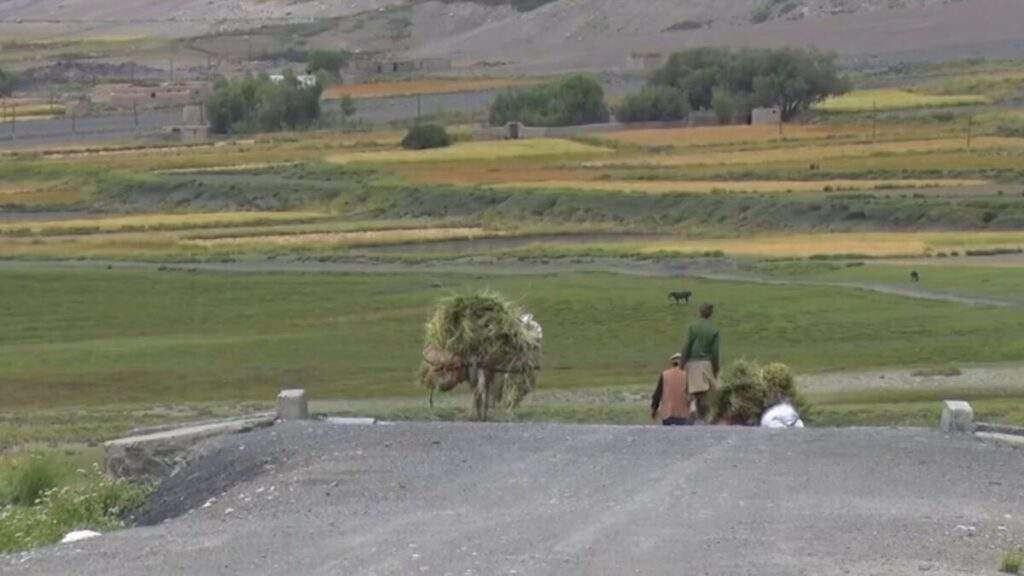
On a broader regional scale, Afghanistan has not become a major route in China's "Belt and Road" infrastructure network. China has advanced the Dushanbe-Kulma highway project in neighboring Tajikistan, beginning construction on a 109-kilometer section. Additionally, China's stance on opening the Wakhan Corridor is influenced by security considerations. The corridor's end borders China's Xinjiang Uyghur Autonomous Region, where Beijing views separatism, terrorism, and religious extremism as major national security concerns and has repeatedly urged the Taliban to prevent armed groups from using Afghan territory to threaten China.