Brazil's PNL 2050 Final Phase to Be Completed, Focusing on Logistics Corridors
en.Wedoany.com Reported - The final phase of PNL 2050 is expected to be completed by the end of next month. Brazil's Ministry of Transport will define priority scenarios and list priority investment actions for different modes of transport to transform the national transport matrix. For the first time, the plan focuses on logistics corridors, grouping projects by transport axes to strengthen connections and integration between modes.

Last Thursday (2nd), during the panel "Planning as a National Policy: The Role of PNL in Defining National Priorities" at the "Brazil Infrastructure Agenda – Planning, Projects, and Investment" event organized by Agência iNFRA in Brasília, participants included Gabriela Avelino, Deputy Secretary for Promotion and Planning at the Ministry of Transport; Marcelo Vinaud, Director of Infra S.A.; Paulo Resende, Director of Fundação Dom Cabral; and Ricardo Silva, Senior Specialist at the Inter-American Development Bank (IDB). The discussion was moderated by Ronei Glanzmann, CEO of MoveInfra.
Gabriela Avelino stated that the analysis unit for the final document of PNL 2050 is no longer individual projects but logistics corridors, which has shifted priorities. She noted that the plan's development process included six public consultations at each intermediate stage and, for the first time, provided a data platform for consultation and submission of comments. This process was more time-consuming and complex but generated more in-depth feedback, contributing to a more reliable plan.
Ronei Glanzmann believes that long-term planning is crucial for addressing the structural changes society will undergo, including the integration of new technologies and environmental and social challenges. He mentioned that the consolidation of tools like PNL indicates that transport planning is evolving into a national policy that can transcend different governments.
Marcelo Vinaud pointed out that one of the main legacies of the new plan is the integration of social participation and data governance. While past plans had limited social participation processes, discussions on data standards now run throughout the entire process. He cited the operational work of the National Transport and Logistics Observatory (ONTL) and noted that social participation has begun to generate relevant information needed for planning. He also highlighted that the success of current concession projects is largely due to improved demand modeling, greater accuracy in project and engineering costs, demand trigger mechanisms, and historical concession records.
Paulo Resende believes that PNL 2050 has made progress in establishing a more predictable long-term investment environment and acknowledges the prominent role of the private sector in transport asset management. He commented that the input from the production sector during the plan's development was constructive: "The production sector is not complaining. They raised specific issues, making this plan truly a national plan." Key points include strengthening multimodal transport to reduce logistics costs and public investment in areas that are not yet attractive to private capital but have significant social needs. Resende also warned that society should oversee the proposed plan to prevent planning setbacks due to government changes. "If an irresponsible person comes up with a new plan and claims it as their own, we will lose all the progress we have made. We will lose credibility, and this cannot happen again," he said.
Ricardo Silva assessed that Brazil has reached a high level of institutional maturity in infrastructure planning and in its relationship with the private sector, with private participation continuing to grow, even surpassing reference countries like the United Kingdom and Chile. PNL plays a strategic role in establishing a long-term vision to guide government decisions and prioritize investments. Cost-benefit analysis remains the core tool for selecting projects and determining which are best suited for private participation. He added that adopting logistics corridor planning tends to expand coordination between different infrastructure projects, replacing isolated intervention logic with an integrated perspective of the transport network.
Related Products



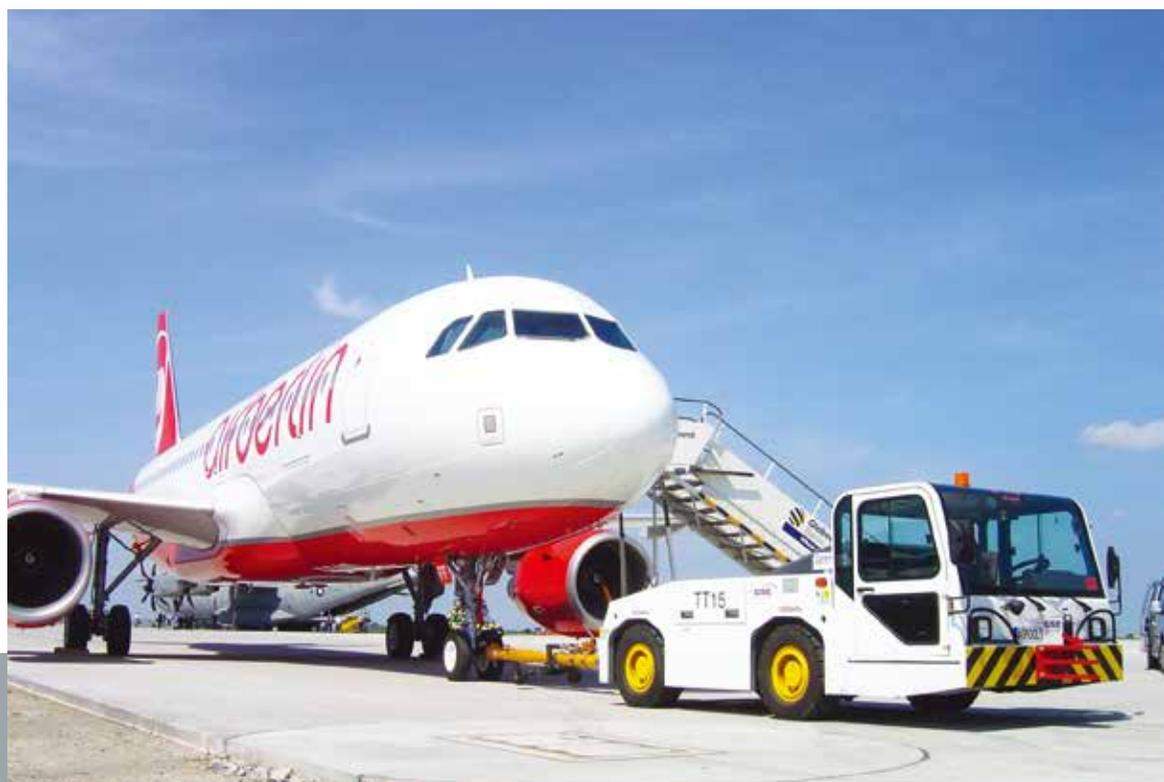
WGQY Series Aircraft Tow Tractor-WGQY15, WGQY27
Weihai Guangtai Airport Equipment Co., Ltd.




Wheel and Track Technology Business
Beijing Research & Design Institute of Rubber Industry Co., Ltd.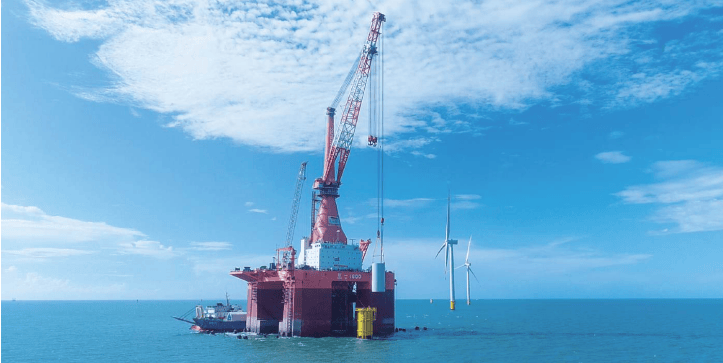
"Shunyi 1600" Deep-submerging Bottom-sitting Multi-functional Wind Power Engineering Vessel
Zhengli Offshore Engineering Co., Ltd.
XC-6000e Type Aviation Catering Truck (Fuel Type)
Shenzhen CIMC-TianDa Airport Support Ltd.