Brazil expects 40 GW of wind and solar curtailment by 2030
en.Wedoany.com Reported - Brazil's National Electric System Operator (ONS) estimates that between 2027 and 2030, the annual curtailed capacity from wind and solar photovoltaic plants could reach up to 40 GW, reflecting the growing oversupply of renewable energy during certain periods and operational constraints of the National Interconnected System (SIN). This assessment comes from the operator's "2025 Medium-Term Power Operation Plan (PAR/PEL) – 2026-2030 Cycle Executive Summary."
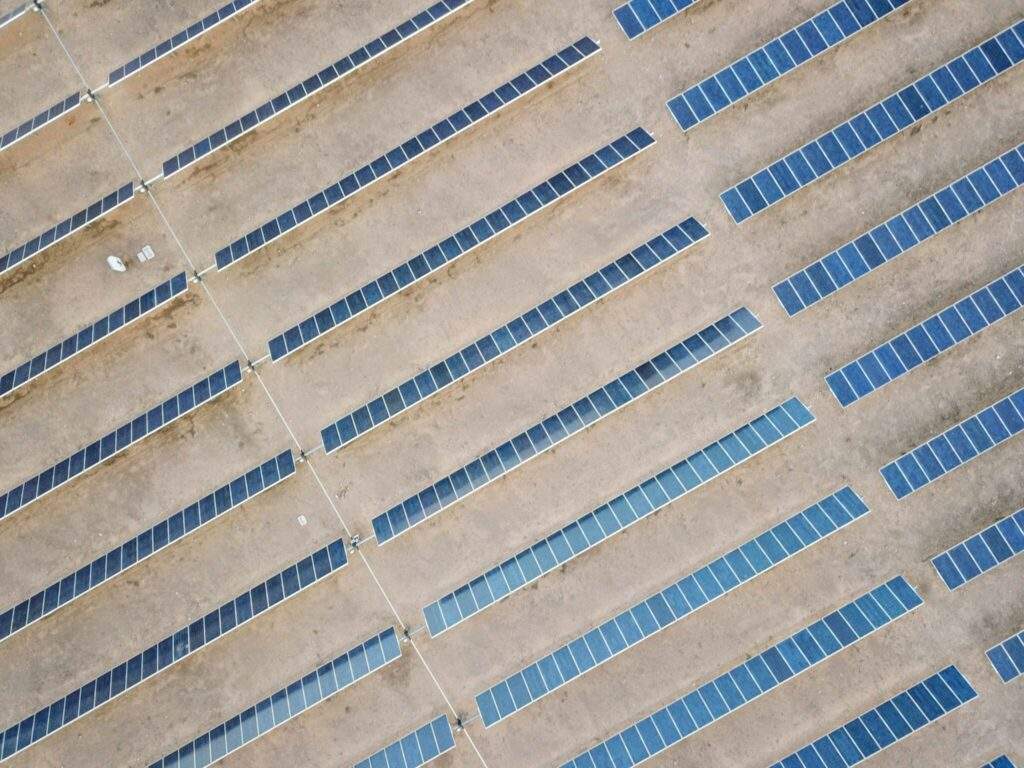
According to the document, curtailment remains concentrated during peak solar photovoltaic generation hours. During these periods, high solar output, low electricity demand, and transmission constraints collectively necessitate limiting some generation to maintain the safety and reliability of the power system. Curtailment levels are typically significantly lower at night, indicating that the challenge is directly linked to the time-specific nature of solar generation.
The study shows that even considering load growth in the coming years, the issue will persist throughout the planning horizon. In a sensitivity analysis, the ONS assessed the addition of 4 GW of extra load to the system and concluded that this measure would reduce curtailment by less than 800 MW (average), a result deemed insufficient relative to the projected surplus scale.
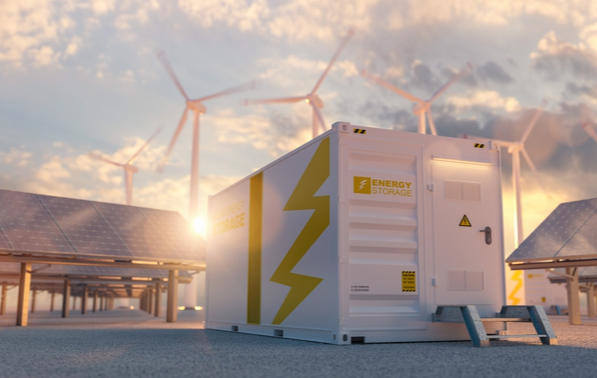
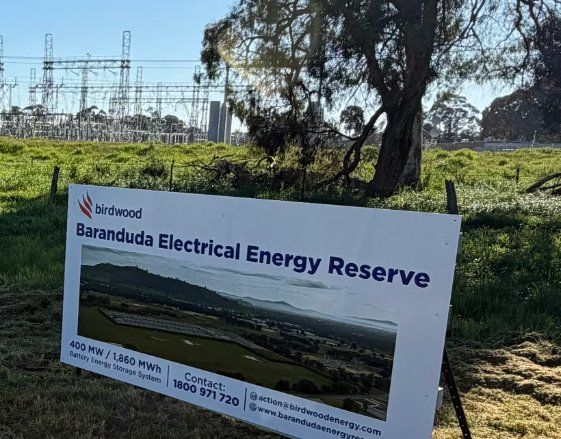
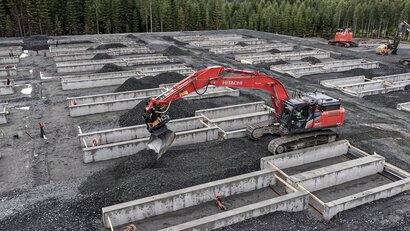
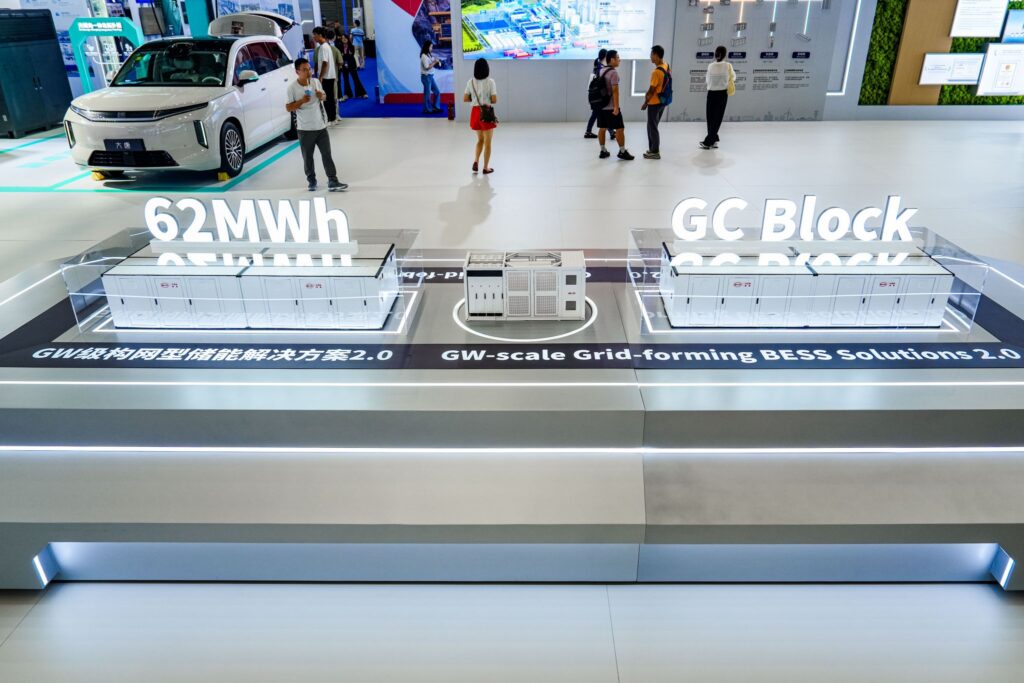
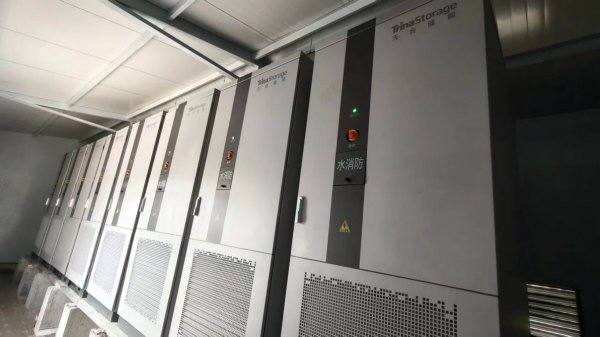
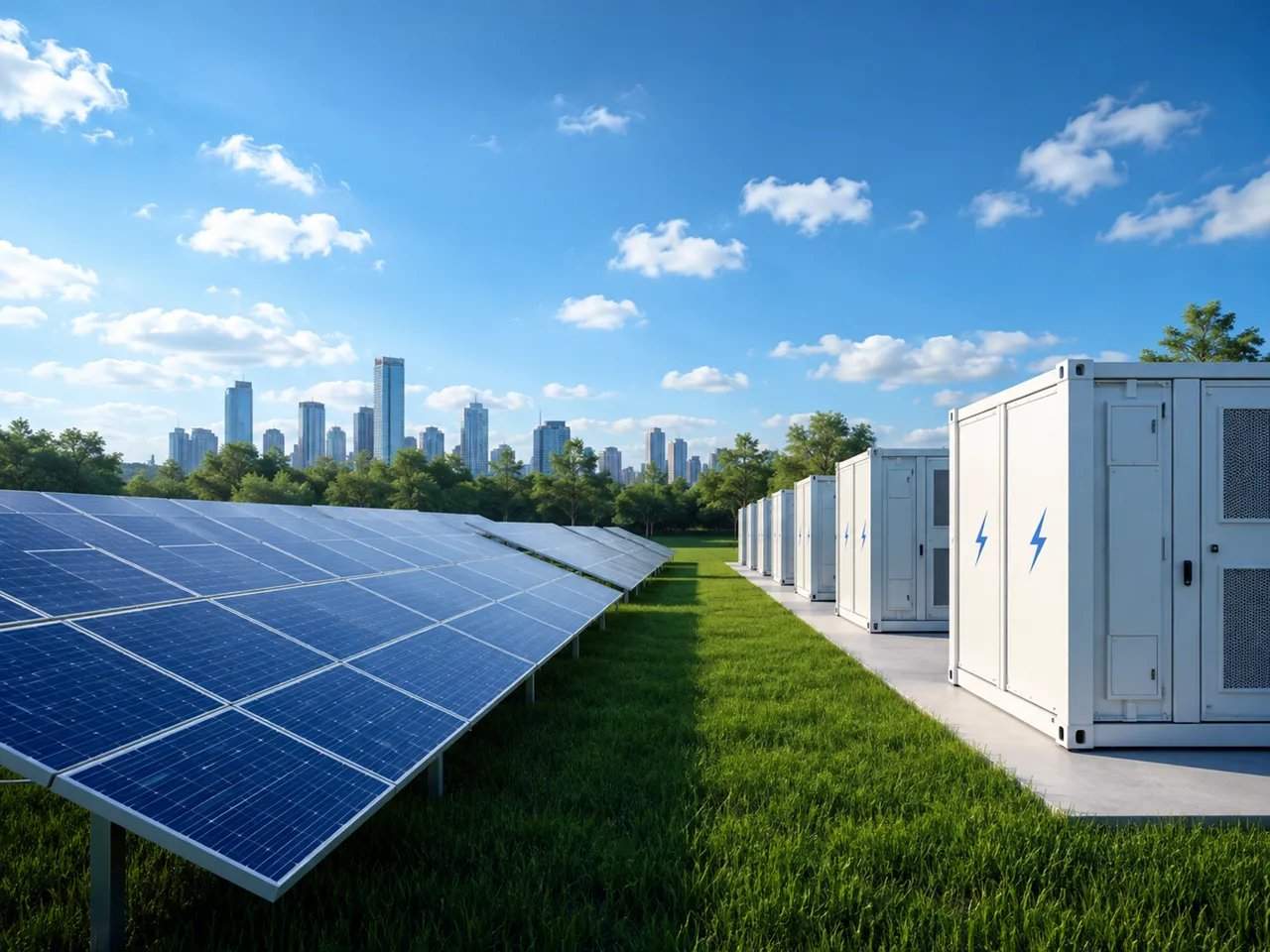
For the operator, mitigating curtailment will depend on a series of structural measures, including expanding transmission lines, deploying battery energy storage systems (BESS), demand response programs, enhancing operational flexibility, and introducing new consumers capable of absorbing part of the excess generation during daytime hours.
The document also emphasizes that these initiatives alone cannot eliminate the problem. According to the ONS, it is necessary to coordinate the expansion of variable renewable energy generation with load growth, especially during daytime hours. If the expansion of centralized solar generation and distributed micro and mini generation (MMGD) continues to outpace electricity consumption growth, the system may face increasingly severe structural oversupply, thereby expanding the need for operational constraints.
The document advocates for integrated planning of generation, transmission, and consumption, noting that the challenge lies not only in expanding renewable energy supply but also in ensuring that this energy can be effectively utilized by the system.
The PAR/PEL plan invests in power infrastructure to expand the delivery capacity of renewable energy generation. The plan estimates the construction of approximately 5,301 km of new transmission lines and 24,314 MVA of transformers during the planning period, with an estimated investment of about 28.1 billion Brazilian reais.
Key projects include increasing the exchange capacity between the North/Northeast and Southeast/Midwest regions, which should rise from 18.5 GW in January 2026 to 23 GW by 2030, thereby expanding the transmission capacity of renewable energy, primarily generated in the Northeast, to the country's main load centers.
The ONS estimates that the maximum load of the National Interconnected System will reach approximately 129 GW by 2030, an increase of about 17% compared to the 2025 peak. During the same period, installed capacity should reach 269 GW due to the continued expansion of renewable energy.
The installed capacity of centralized wind and solar power plants will reach nearly 60 GW by the end of the planning period. Considering all projects with signed Transmission System Usage Contracts (CUST), this capacity could reach approximately 77 GW, further reinforcing the need for more flexible operations.
The increasing share of renewable energy requires new operational tools to maintain the reliability of the SIN, including resources capable of providing flexibility, operating reserves, and power stability support.
The report also highlights the role of distributed micro and mini generation (MMGD) in altering the system load curve. According to the ONS, this segment has exceeded 43 GW of installed capacity, reducing observed daytime loads, increasing evening load ramp rates, and causing reverse power flows in some distribution networks.
Despite operational challenges, the operator assesses that when distributed energy resources are combined with intelligent management and operational control mechanisms, they contribute to increasing system flexibility. Ongoing initiatives include updating PRODIST (Distribution Procedures), developing plans for managing energy surpluses in distribution networks, and improving the characterization of MMGD in models used by the ONS.
Related Products
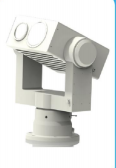

Forest and Grassland Heat Source Infrared Monitor
China Huayun Meteorological Technology Group Co., Ltd.

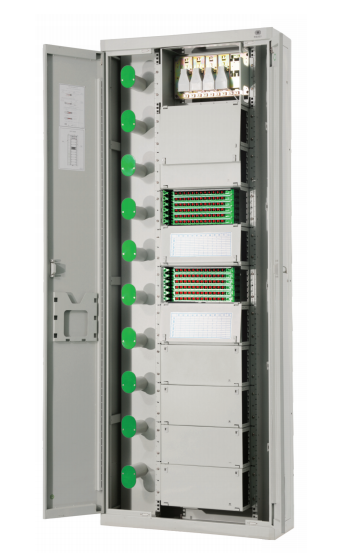
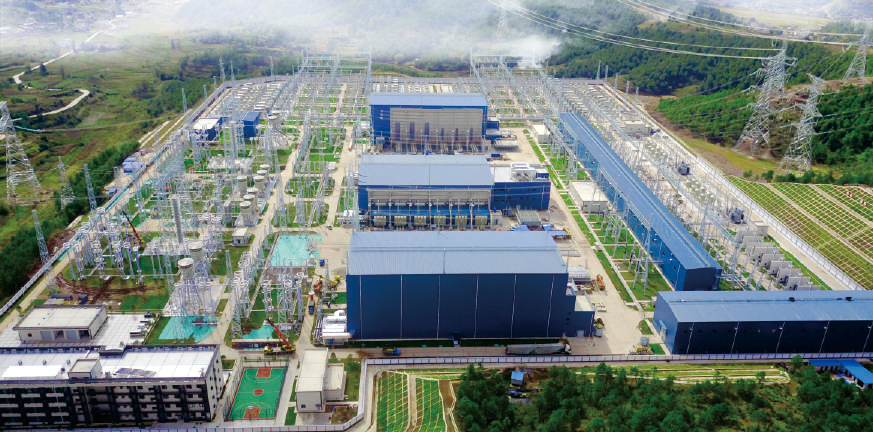
High-voltage Direct Current (HVDC) Transmission System Research and Integrated Design
XI'AN XD POWER SYSTEMS CO., LTD.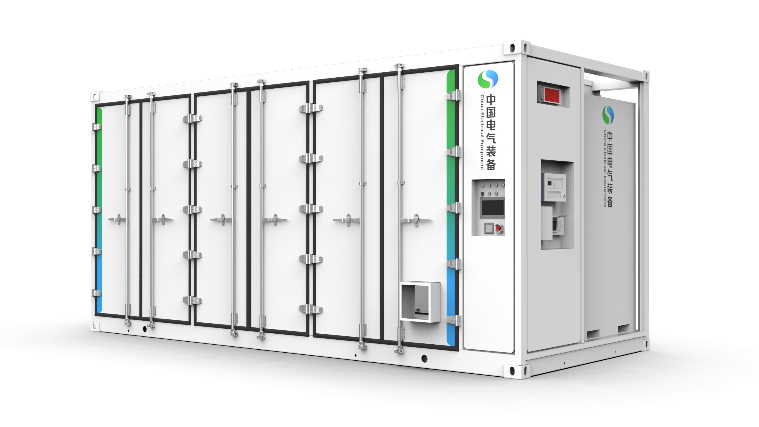
MESS8201-2507/5015-BN Prefabricated Liquid-cooled Energy Storage Battery Container
Xuchang Xuji Electric Science Energy Storage Technology Co., Ltd.
40.5kV-1100kV Gas Insulated Metal-Enclosed Switchgear (GIS)
Henan Pinggao Electric Co., Ltd.
Pneumatic high-pressure wear-resistant ball valve
Zhejiang Deca Control Valve Meter Co., Ltd.
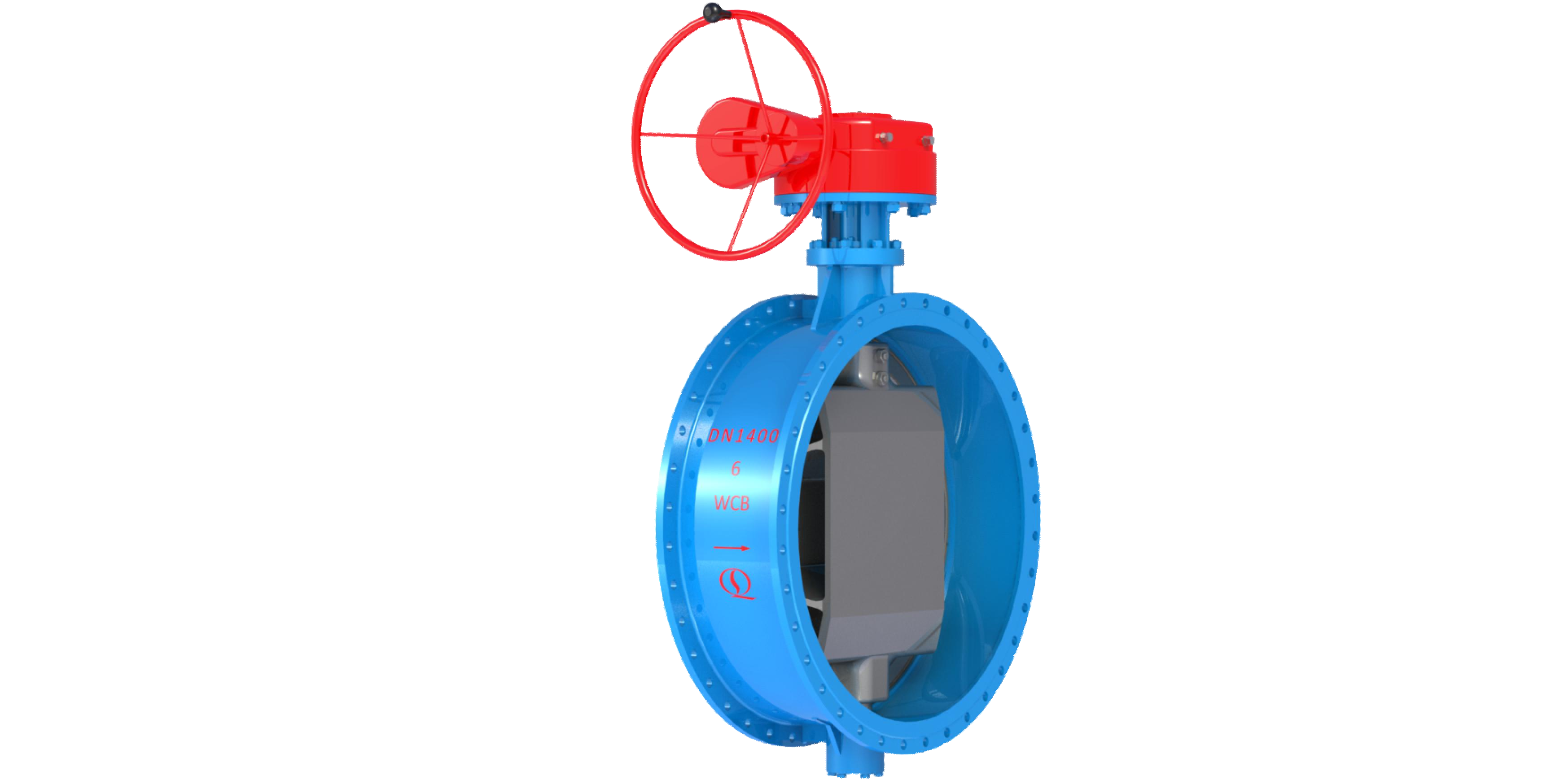
Bidirectional Metal Hard Sealed Seawater Butterfly Valve
Henan Quanshun Flow Control Science & Technology Co., Ltd.
Post-type AC Pollution-resistant Disc Suspension Porcelain Insulator (Triple Umbrella Type)
Shandong High Voltage Insulator Co., Ltd.