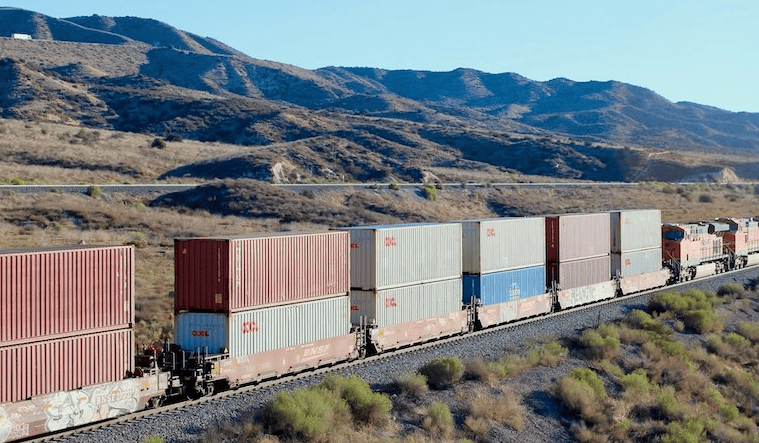
Germany's 2027 Budget Plans to Cut Federal Railway Infrastructure Spending by €1.1 Billion
en.Wedoany.com Reported - Germany's 2027 budget resolution plans to significantly reduce funding for rail freight, with federal railway infrastructure investment expenditure decreasing by €1.1 billion to €20.8 billion. From the Infrastructure and Climate Neutrality Special Fund (Sondervermögen Infrastruktur und Klimaneutralität, SVIK), €2.2 billion is allocated for digitalization and €11.4 billion for maintenance (including corridor rehabilitation).
All areas face cuts. The defense budget will provide €681 million in construction cost subsidies for military-related investments in the railway demand plan, with an additional €3.5 billion allocated for maintenance. The budget for reducing track and facility usage fees in the freight sector stands at €200 million, down €65 million from 2026; in the long-distance passenger sector, it is only €5.3 million (compared to €200 million in 2026). The combined transport sector faces reductions, with subsidies for private-sector combined transport investments dropping from €90.3 million to €73.3 million; subsidies for railway branch line connections decreasing from €30 million to €20 million; and the budget for single-wagon transport falling from €300 million to €274 million.
Ingo Wortmann, President of the German Association of Transport Companies (VDV), stated on July 3 that this trend aligns with similar news from Switzerland and Austria, serving as an indicator of the current economic weakness, but attributing it solely to economic conditions is shortsighted. He pointed out that dilapidated infrastructure, insufficient network capacity, and a lack of planning certainty in key framework conditions such as track access charges, funding, and bureaucracy reduction are putting immense pressure on rail freight. As early as the beginning of 2026, the industry noted that rising costs, regulatory uncertainty, and construction burdens are undermining quality and productivity, ultimately leading to freight shifting back from rail to road. Policymakers must take action to meet the demands for rail as a transport mode.
The VDV calls on the federal government and budget legislators to withdraw the proposed cuts in subsequent procedures and to design the funding framework for rail transport reliably and on demand. The association emphasizes that the rail freight sector, in particular, requires planning certainty, competitive track access charges, and stable funding instruments to ensure that policy goals are not thwarted by the budget.
Related Products
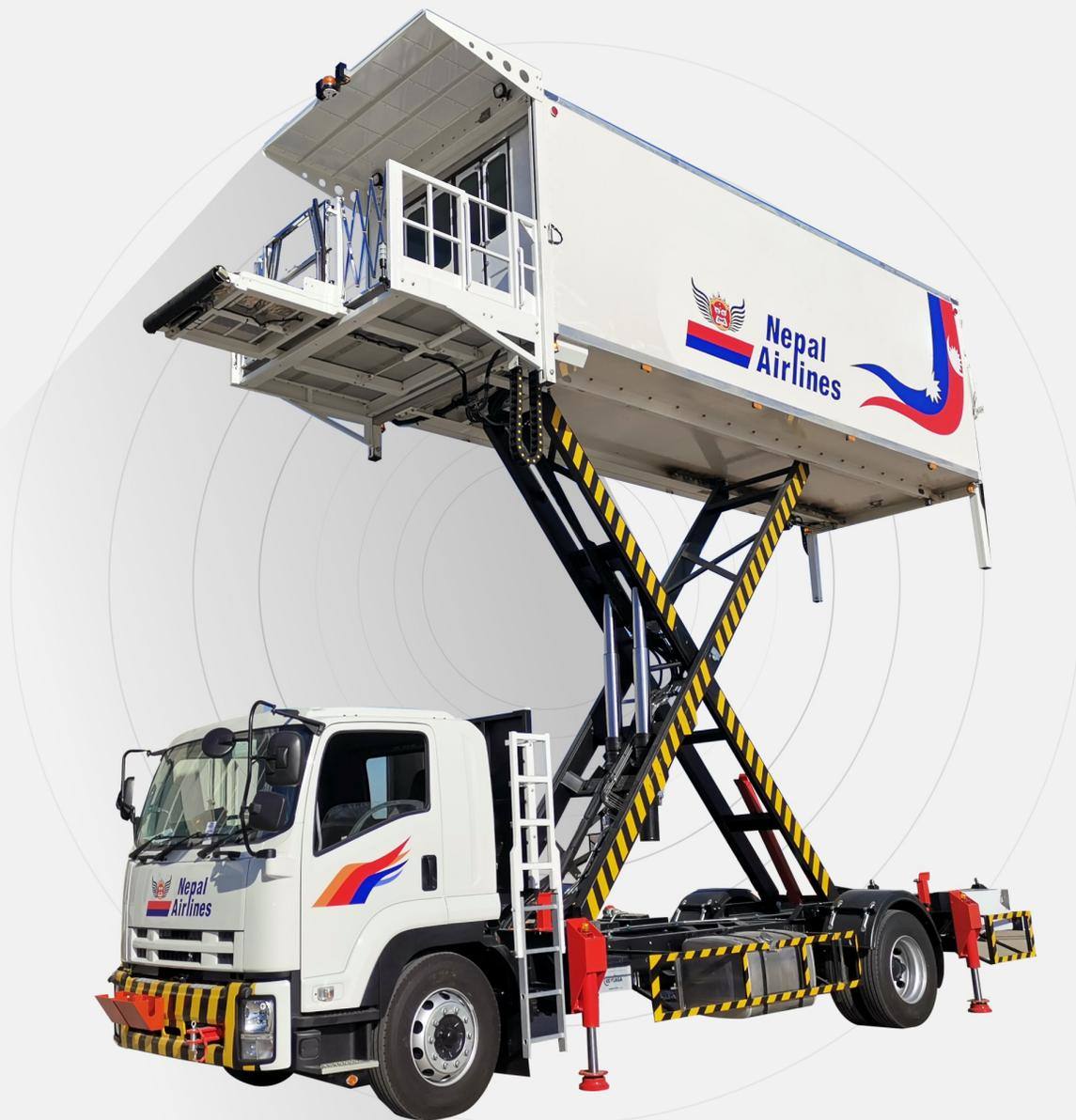

XC-6000e Type Aviation Catering Truck (Fuel Type)
Shenzhen CIMC-TianDa Airport Support Ltd.
![IVECO Cash-in-Transit [DMT5048XYCL3-AM] - Chongqing Dima Industry Co., Ltd](https://img.wedoany.com/2026/0911/20260911030157582.png)

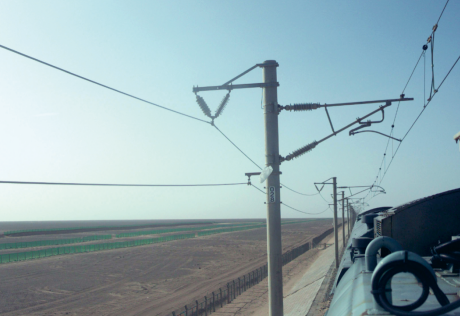
Pantograph-Catenary Comprehensive Detection Device (1C)
CHENGDU TANGYUAN ELECTRIC CO., LTD.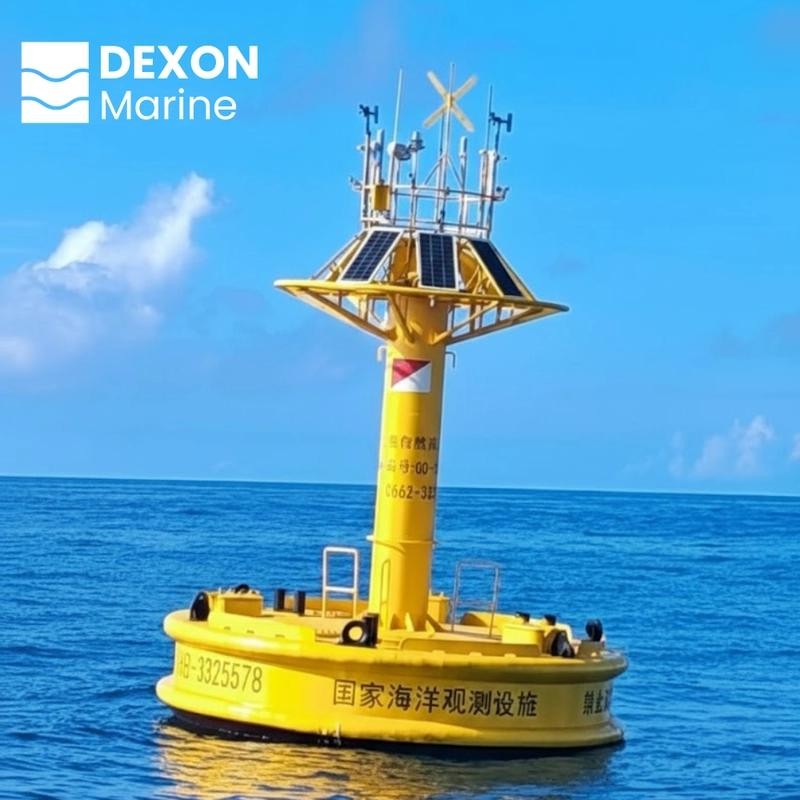
3m intelligent buoy combining navigation safety and real-time marine monitoring integrated navigation and marine monitoring system for real-time maritime data
Chengdu Dixin Technology Co., Ltd.