Webber's $190 Million US 59 Upgrade in Texas Reaches Halfway Completion
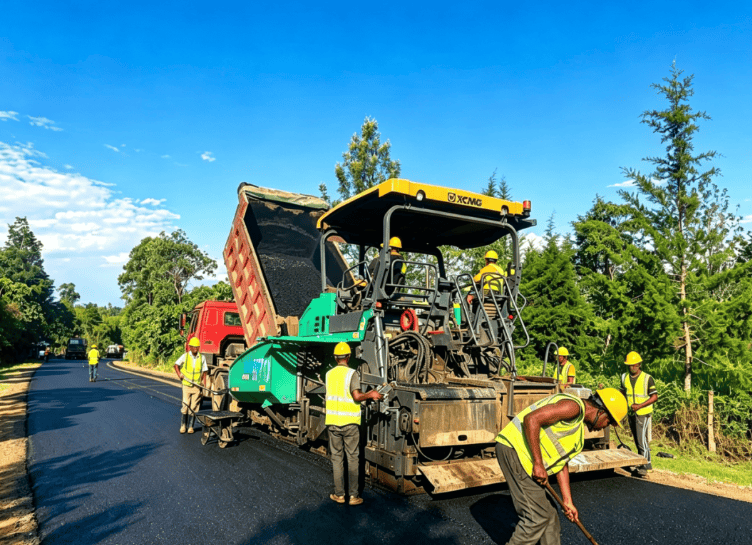
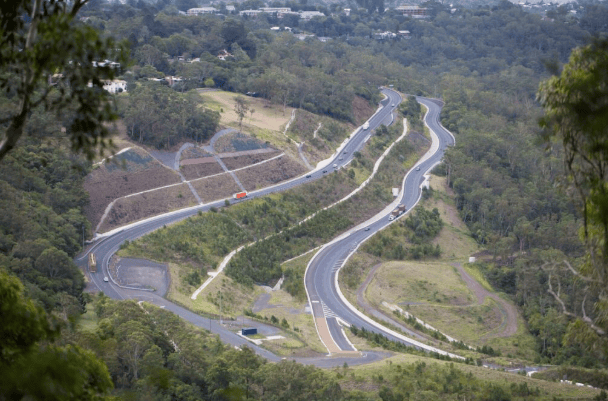
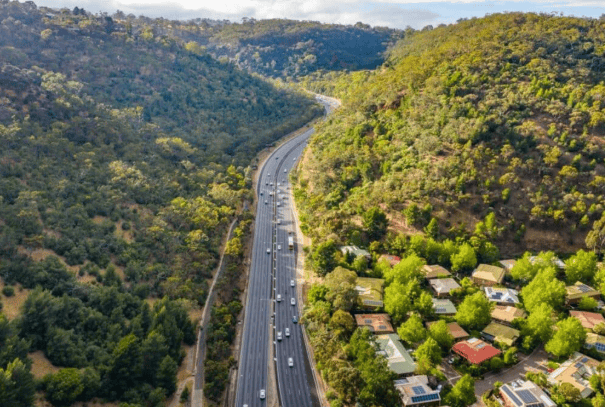
en.Wedoany.com Reported - Webber LLC has completed approximately half of the work on the Texas Department of Transportation (TxDOT) US 59 upgrade project. The $189.8 million project aims to upgrade a 6.37-mile segment between Shepherd and Cleveland to standards that could potentially be designated as Interstate 69 (I-69). Construction began in 2023 and is expected to be delivered in fall 2029.
Originally built in the 1950s, the segment had only two lanes in each direction, separated by a grass median and outer shoulders. During the upgrade, crews are constructing a total of 5.77 miles of frontage roads on both sides and building 0.59 miles of bridges within the construction area from Farm-to-Market 2914 near Shepherd to the northern end of the Cleveland bypass.
Tim Monzingo, TxDOT Lufkin District spokesperson, stated that adding frontage roads will move traffic flow off the main lanes, allowing vehicles to access cross streets and commercial areas more safely while improving mobility and safety on the main lanes. US 59 is a critical evacuation route for residents of Houston and the Gulf Coast region, with an average daily traffic volume of 31,184 vehicles in 2024. Monzingo noted that as the population grows, evacuation needs during severe weather like hurricanes also increase, and the project will provide a more efficient evacuation route. He also emphasized that the segment is not yet part of I-69 and requires completion of the work and federal certification before being formally incorporated into the I-69 system. I-69 is a 1,600-mile national highway connecting Michigan, Indiana, Kentucky, Tennessee, Mississippi, Arkansas, Louisiana, and Texas, providing access to inland ports and seaports along the Gulf Coast.
The project is funded by state government funds. Webber, a subsidiary of Ferrovial, was awarded the contract on June 27, 2023, with personnel and equipment mobilized six months later. According to Project Manager Daniel Gardea, significant progress has been made: the southbound frontage road is 90% complete, including related bridges, electrical work, and 30,448 linear feet of drilled shaft foundation installation, with 2,892 linear feet remaining. The new infrastructure has an expected service life of approximately 80 years.
This year's work focuses on main lane road widening, involving approximately 101,000 cubic yards of Webber's self-mixed Class P concrete, continuously reinforced concrete pavement (CRCP) for the main lanes, and placement of 15,600 tons of asphalt separator layer and 4,680 tons of cement for base and soil stabilization. The project also requires completion of seven bridges, including erection of approximately 41,800 linear feet of Tx40 and Tx46 beams, pouring approximately 306,830 square feet of concrete bridge decks, prefabricating and installing approximately 202,670 square feet of precast bridge deck panels, and installing approximately 6,300 linear feet of single-slope concrete barrier and 19,600 linear feet of slag-cement-cement-bentonite cutoff walls.
The biggest construction challenge is variable weather. To mitigate the impact of extreme heat on concrete curing, crews often perform paving and deck pours at night. For soil instability caused by heavy rain, the site is equipped with engineered drainage systems, silt fences, and immediate seeding along completed slopes. Addressing the challenging local expansive clay, construction employs a structured multi-layer approach: main lanes are built on Ty C1 embankments constructed to density control standards, with 16-foot to 30-foot clear zones established outside the travel lane edges; the existing subgrade is chemically stabilized with 6 inches of cement or lime treatment (Item 5), followed by 6 inches of cement-stabilized base (Item 4), then coated with a layer of MC-30 prime coat to seal the base. The main travel lanes are constructed with 13-inch continuously reinforced concrete pavement (CRCP) over a layer of SP Mixes SP-D PG64-22 serving as a separator and moisture barrier; the northbound and southbound frontage roads use 10-inch continuously reinforced concrete pavement (CRCP).
The earthwork and site preparation fleet features specialized Komatsu and Caterpillar bulldozers, excavators, and other machinery, including multiple Komatsu D51 and D61 intelligent machine control bulldozers with factory-integrated GPS. Excavators weighing 50,000 and 75,000 pounds, such as Caterpillar 325/336 and Komatsu PC210/360 equivalents, are used for deep trench excavation; Caterpillar 140 motor graders are used for placing cement-stabilized base and frontage road grades; off-highway dump trucks and multiple 25-ton articulated trucks (such as Volvo A25 and Caterpillar 725) are used for hauling earth. The site also uses 175-horsepower loaders, various forklifts (including 12,000-15,000 pound high-capacity models), multiple 84-inch padfoot rollers, a 20-ton rubber-tired roller, and sweepers.
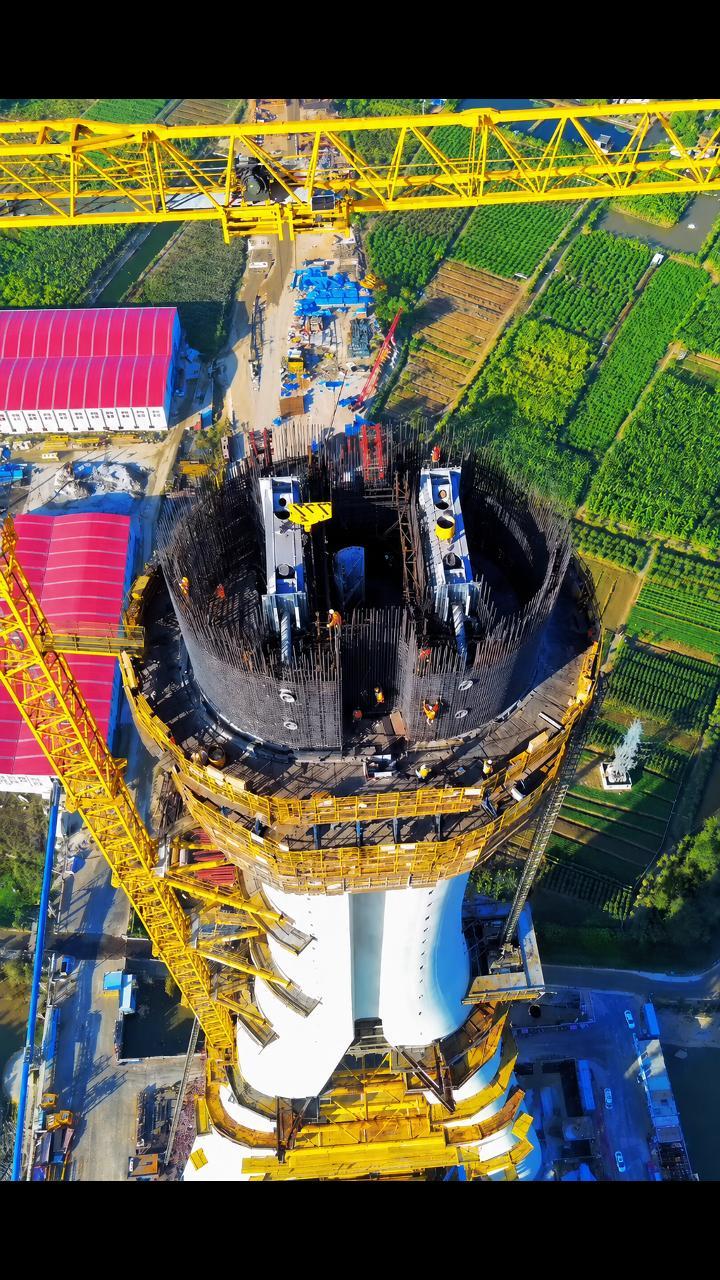
For bridge and overpass construction, operators use heavy Manitowoc and Link-Belt crawler cranes with lifting capacities of 100 to 125 tons and 150 tons, as well as multiple 60 to 65-foot telescopic boom aerial work platforms (JLG and Genie brands). Multiple overpasses are being constructed simultaneously at various intersections in the Cleveland expansion area, including at the intersections of US 59 with Red Road, Regency Road, and a future turnaround overpass. Bridge lengths range from 225 to 450 feet, designed with prestressed concrete I-girders, with construction times approximately between 1.5 and 3 months. Due to the presence of expansive clay, bridge bents are supported by deep foundation drilled shafts (typically 36 to 48 inches in diameter).
At peak, the site has approximately 80 Webber employees and 15 to 20 subcontractor employees. Major subcontractors include Durwood Greene (asphalt paving), Third Coast (electrical), and RDI (Texas Sterling) (drilled shaft foundations). During construction, 84,000 tons of concrete rubble are being repurposed as new flexible base material, and TxDOT will also repurpose up to 91,000 tons of recycled asphalt. CEMEX provides cement for stabilization and concrete mixing, CMC Steel supplies approximately 19.2 million pounds of rebar, and Heldenfels produces all 63,125 linear feet of concrete beams. Webber has set up batch plants for concrete and asphalt and employs mechanics for daily preventive maintenance.
Related Products


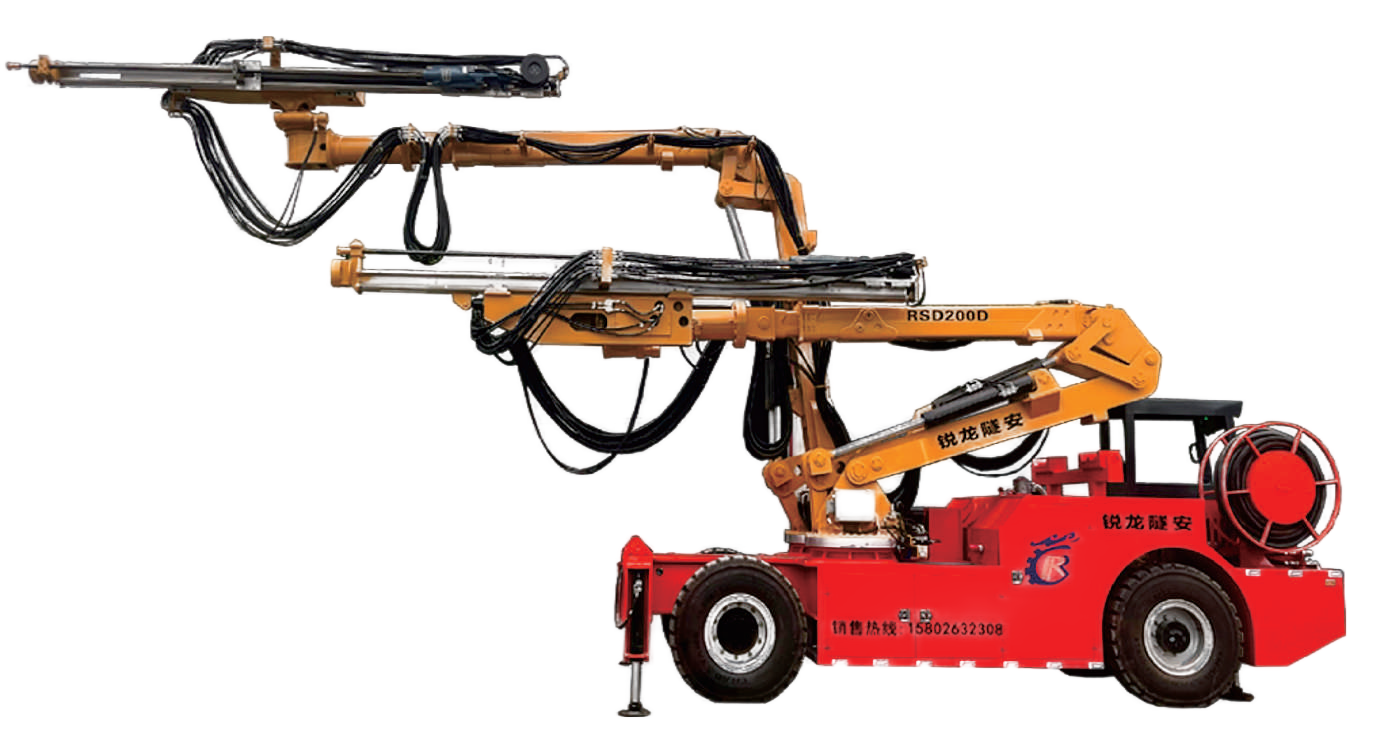
Dual-curved Arm Rock Drilling Trolley RSD200D
Chengdu Ruilong Machinery Manufacturing Co., Ltd.
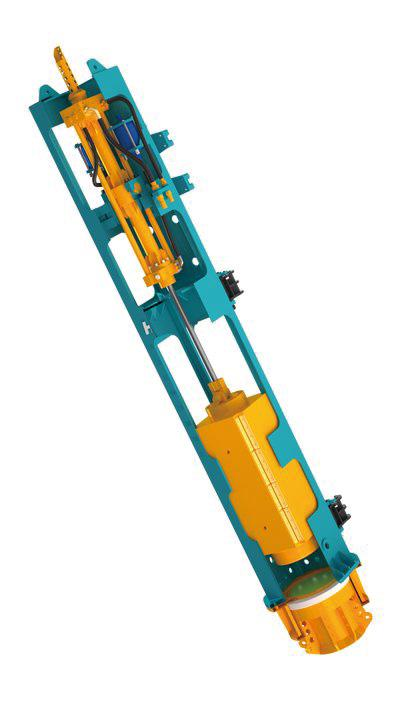
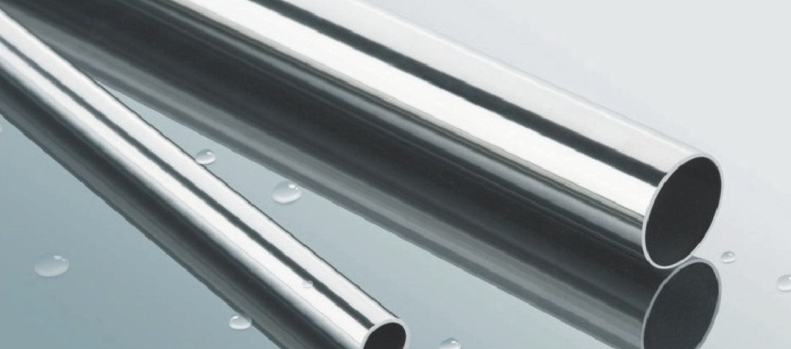
ERW Welded Pipe (Black Pipe and Hot-dip Galvanized Steel Pipe)
Handan Zhengda Steel Pipe Co., Ltd.

300mm Segment Type Countdown Traffic Light (Core Type)
Yangzhou FAMA Intelligent Equipment Co., Ltd.