Portuguese railway company launches electric trains on Algarve line from July 19
en.Wedoany.com Reported - Portuguese railway company (CP – Comboios de Portugal) has completed the certification of the overhead contact line on the Algarve line, modernizing the railway infrastructure with electrification. From July 19, electric traction trains will operate between Lagos and Vila Real de Santo António.
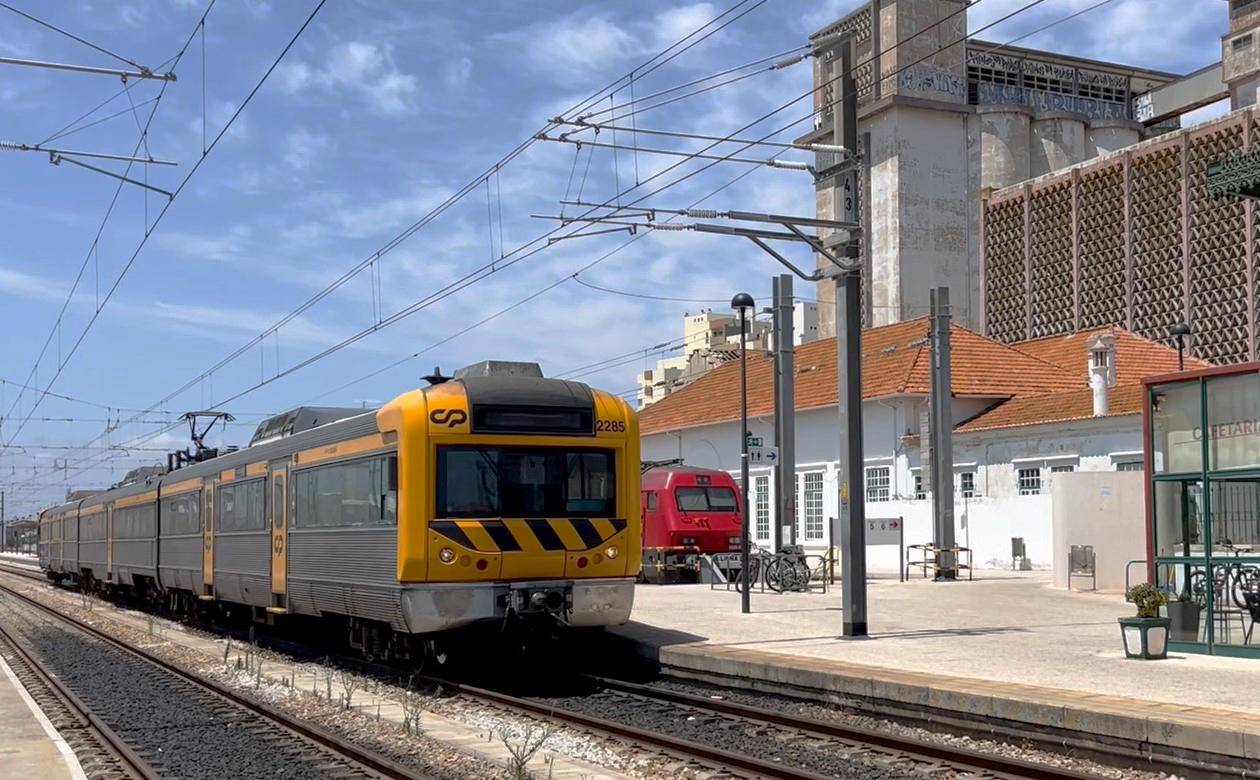
In a statement, CP said this change will improve service levels, including shorter travel times, increased capacity, and the promotion of more sustainable transport. The company emphasized that using electric traction on the Algarve line represents an upgrade in railway transport operations, capacity, and sustainability, as well as an investment with a direct impact on the daily mobility of local residents and the region's main economic activity—tourism.
The new operating model strengthens connections between major cities in the Algarve and improves integration with long-distance services to Lisbon and northern Portugal. CP has committed to implementing a new capacity model on the Algarve line, initially replacing existing diesel units with electric unit UTE 2240. These electric units are more efficient, comfortable, and sustainable, significantly enhancing the capacity and quality of the services provided.
With the full transition to electric traction, regional capacity will increase by 18%, with higher departure frequencies during peak hours. The newly introduced direct trains between Vila Real de Santo António and Lagos avoid transfers at Faro, making journeys faster. According to the company, after the regional capacity increase, there will be hourly trains between Vila Real de Santo António and Faro, and trains every two hours between Faro and Lagos, with further frequency enhancements during peak hours. The electric units will offer approximately 40% more positions than current vehicles, increasing from 388 positions (164 seats and 224 standing places) to 536 positions (264 seats and 272 standing places). The new vehicles provide higher comfort through reduced noise and improved accessibility, including electric lifting platforms and wheelchair spaces, along with visual and auditory passenger information systems.
CP also noted that the full transition to electric traction improves operational and environmental efficiency, eliminating diesel supply helps reduce pollution emissions, supporting national transport decarbonization goals. With the completion of electrification, direct connections will appear between Vila Real de Santo António and Lagos, eliminating some transfers at Faro. Additionally, an InterRegional service will be introduced, with two trains per day and fewer stops, making travel faster and more competitive.
The new capacity model will enhance the competitiveness of railway transport, helping to reduce travel times for regional services along the Algarve coast, strengthen connections between major cities in the region, and improve long-distance links between the Algarve and other parts of Portugal. CP pointed out that in recent years, this line has seen growth in both regional and long-distance demand, driven by commuter travel and strong tourism dynamics. The Algarve line connects Vila Real de Santo António and Lagos, covering approximately 141 kilometers and encompassing 11 municipalities in the Faro region, accounting for about 88% of the region's permanent population.
Related Products

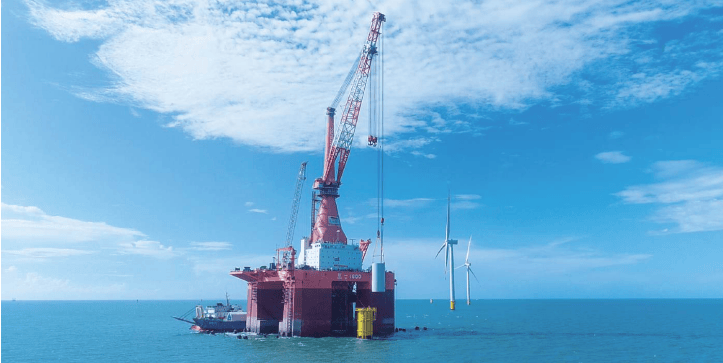
"Shunyi 1600" Deep-submerging Bottom-sitting Multi-functional Wind Power Engineering Vessel
Zhengli Offshore Engineering Co., Ltd.
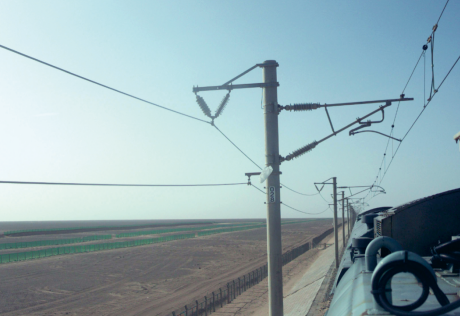
Pantograph-Catenary Comprehensive Detection Device (1C)
CHENGDU TANGYUAN ELECTRIC CO., LTD.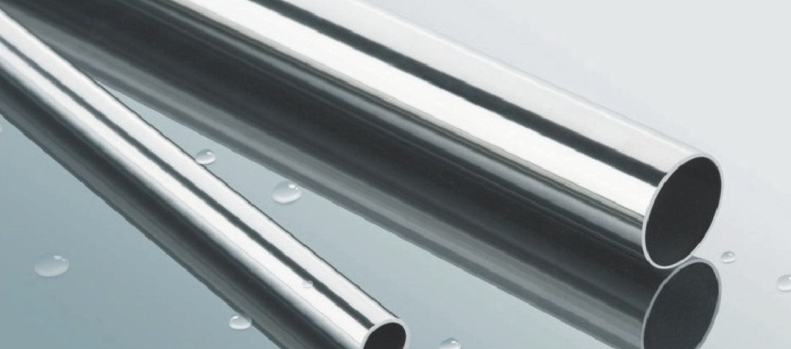
ERW Welded Pipe (Black Pipe and Hot-dip Galvanized Steel Pipe)
Handan Zhengda Steel Pipe Co., Ltd.
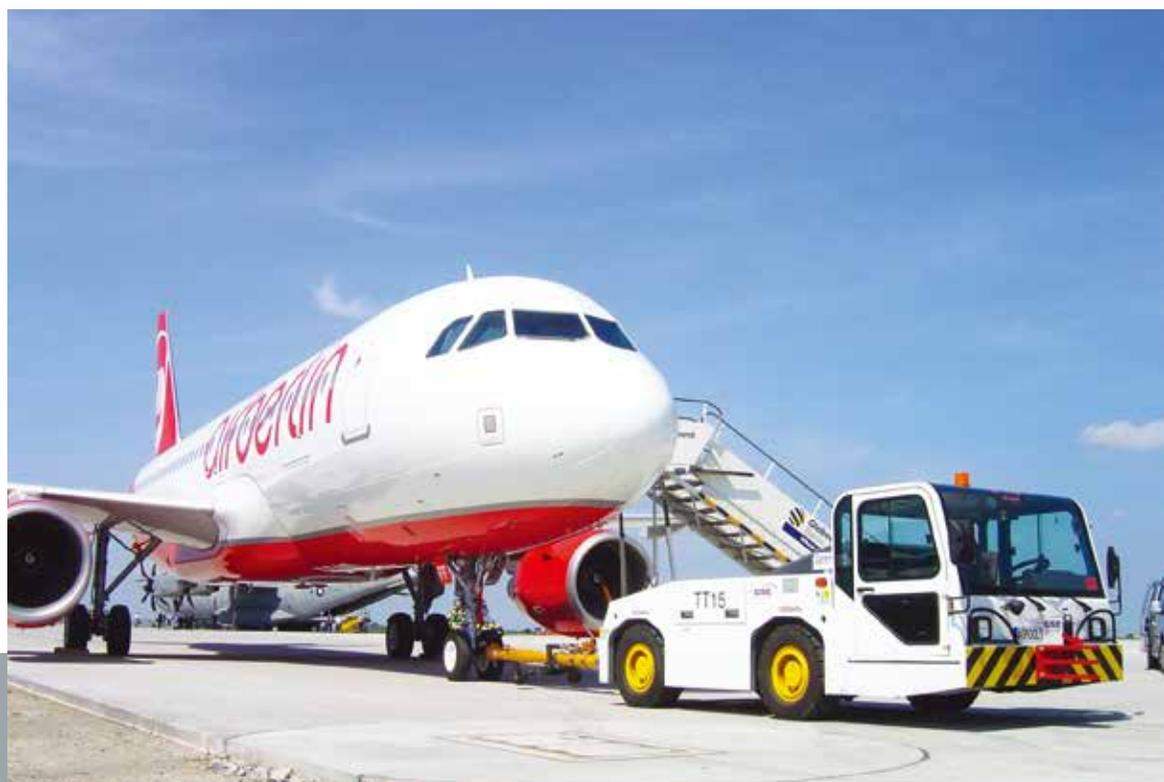
WGQY Series Aircraft Tow Tractor-WGQY15, WGQY27
Weihai Guangtai Airport Equipment Co., Ltd.