China's Billet Profit Turns from Loss to Profit and Back to Loss in H1, with a Loss of 86 Yuan per Ton in June
en.Wedoany.com Reported - China's billet industry experienced a profit cycle in the first half of the year, shifting from losses to profits and then back to losses. From January to February, the market was deeply in the red, gradually turning profitable in March, showing strong profit resilience in April, peaking in May before rapidly declining, and returning to a loss-making range in June. As of the end of June, the average molten iron cost excluding tax for mainstream sample steel mills in Tangshan was 2,307 yuan per ton, and the average billet cost including tax was 3,056 yuan per ton. Compared with the current ex-factory price of plain square billets, steel mills incurred an average loss of 86 yuan per ton.
During January and February, market circulation nearly stalled around the Spring Festival, with a large number of downstream billet-rolling enterprises shutting down and terminal procurement demand shrinking significantly. On the raw material side, iron ore and coke prices remained high and volatile, making production costs rigid and difficult to reduce. Persistent weak terminal demand led to a slight decline in billet prices, making it hard to alleviate the loss situation.
In March, raw material prices showed divergent adjustments, coupled with improved production efficiency at steel mills, leading to a significant drop in unit steelmaking costs compared to February. After the holiday, infrastructure and manufacturing projects resumed intensively, gradually releasing terminal demand and boosting domestic billet demand. Favorable macroeconomic policies lifted market trading sentiment, and billet export orders began to materialize, diverting inventory. Billet prices rose in a volatile manner, and steel mill profits turned from negative to positive, steadily recovering.
In April, steel mill profitability remained stable. Rising raw material prices exerted cost pressure, but spot billet prices rose in tandem, effectively offsetting cost increases. Overseas orders were concentrated, with large volumes of billets exported, diverting China's excess domestic resources and ensuring smooth production and sales. Attractive profit margins boosted production enthusiasm, with long-process blast furnace operating rates and capacity utilization remaining high.
In early May, terminal procurement was intensively released, with futures markets driving spot prices up rapidly. Billet price increases outpaced raw material gains, expanding per-ton profits to the highest point in the first half of the year. However, the trend reversed in mid-to-late May, as southern regions entered the plum rain season, limiting outdoor construction work. Downstream rolled product sales faced obstacles, making enterprises more cautious in billet procurement. Billet prices fell from highs, while iron ore and coke costs remained firm, sharply narrowing profits. However, supported by earlier orders and exports, the industry avoided widespread losses.
In June, downstream terminal operations continued to weaken, with billet-rolling enterprises only purchasing small quantities as needed. The supply-demand contradiction in China's domestic market accumulated, and billet prices continued to weaken. Raw material costs were prone to rise but difficult to fall, further compressing profit margins. The industry as a whole shifted from profitability to losses, officially ending the phase of cyclical profits.
Looking ahead, high temperatures and heavy rainfall in July will continue to suppress terminal construction, with overall demand remaining weak. The market will enter a phase of volatile inventory accumulation, with billet prices fluctuating and seeking a bottom. Coking coal supply remains tight due to safety inspections, and coke price increases persist, making steelmaking costs prone to rise but difficult to fall, further increasing loss pressure on steel mills. Some enterprises have proactively arranged blast furnace maintenance and reduced molten iron output, with supply contraction expected to slow the decline in profits and help prices stabilize at low levels. Although the year-on-year growth rate of billet exports has slowed, previously signed long-term orders are being steadily fulfilled, effectively offsetting China's domestic oversupply, making deep industry-wide losses unlikely.
Entering the end of the third quarter to the beginning of the fourth quarter, the traditional peak construction season will begin, potentially driving a phased recovery in terminal demand. Steel mill profitability will enter a core repair cycle in the second half of the year. Ongoing energy-saving and carbon-reduction policies, along with routine crude steel output controls, will constrain disorderly production increases, with supply tightening providing upward support for billet prices. After multiple rounds of increases, the room for further coke price hikes is limited, marginally easing raw material cost pressure. In the long term, China's real estate market remains in a bottoming adjustment cycle, with no signs of an overall recovery in the new housing market, making it difficult to provide sustained support for domestic steel demand. Global iron ore supply is expected to become more relaxed in the future, with room for price declines. Strict coking coal safety supervision will lock in cost floors over the long term. As a result, billet profits are unlikely to achieve a sustained, significant upward trend for the full year, instead maintaining a range-bound volatile pattern.
Related Products


Industrial and Commercial Point-Type Gas Detector
Jinan Benan Technology Development Co., Ltd.
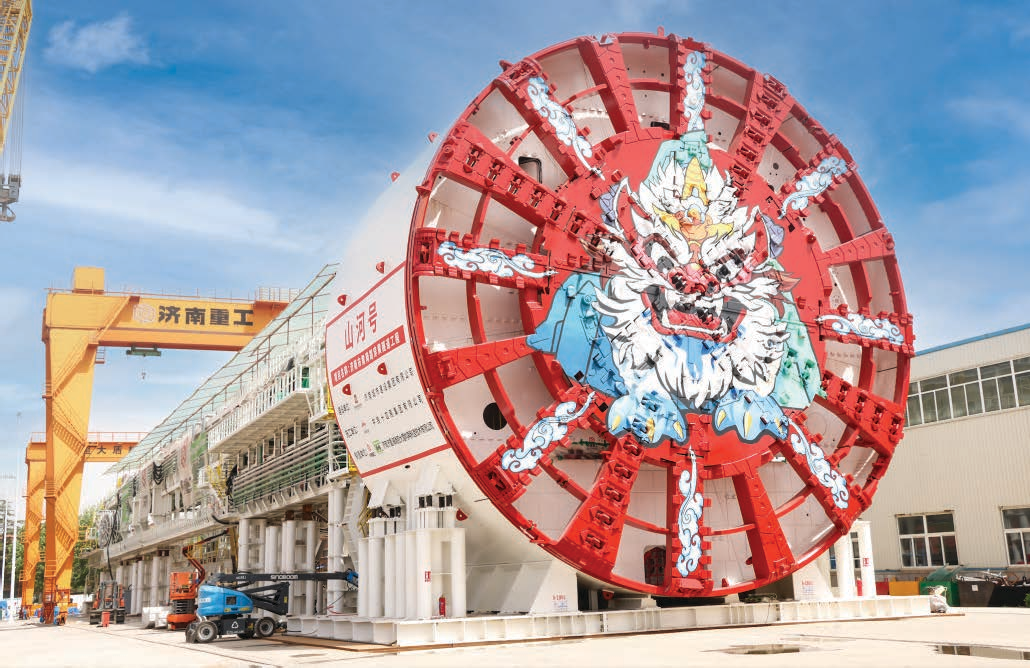
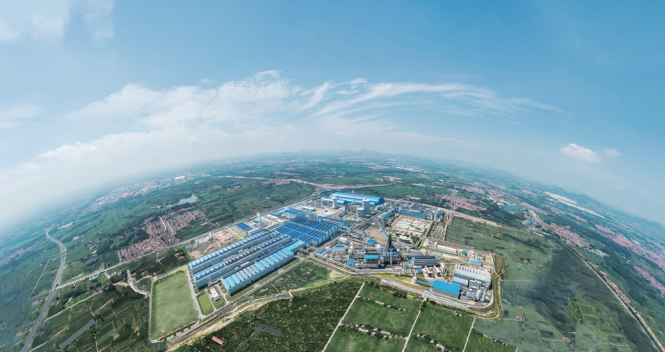
Linyi Steel Investment Special Steel 2.7 Million Tons per Year High-quality Special Steel Project
Capital Engineering & Research Incorporation Limited
Quick-Change Single-Seat Control Valve / Quick-Change High-Pressure Single-Seat Control Valve
Beijing Consen Automation Technology Co., Ltd.
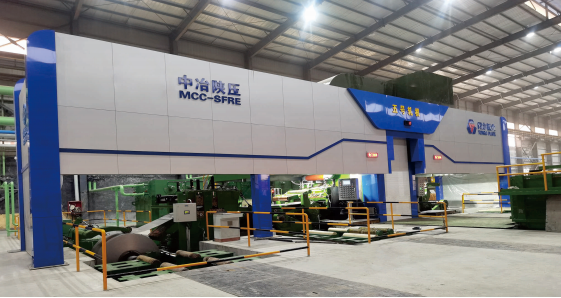
1050-1750mm Steel Strip Single-stand Reversible Cold Rolling Production Line
MCC-SFRE HEAVY INDUSTRY EQUIPMENT CO., LTD.
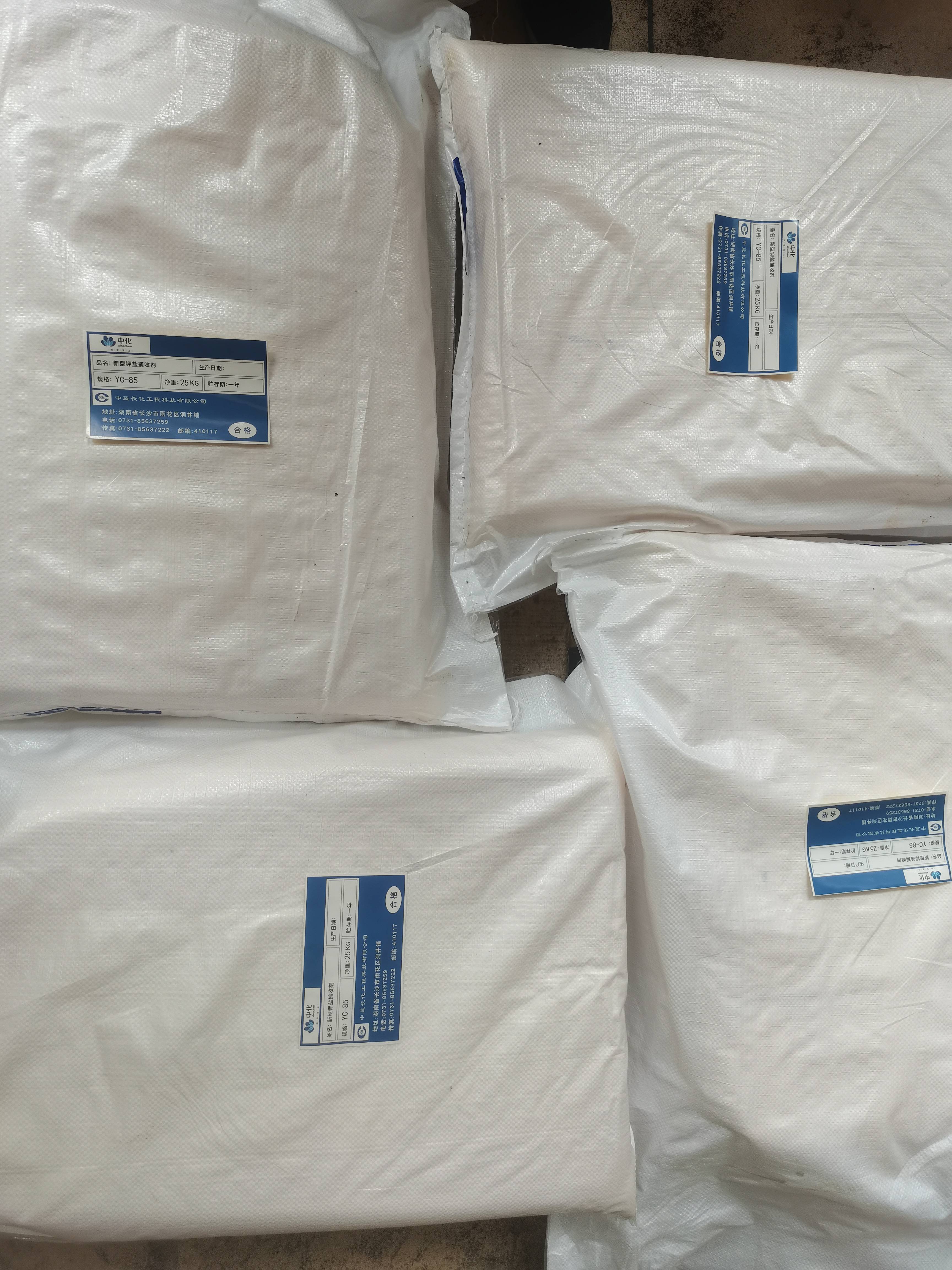
New Environmentally Friendly Green Potassium Salt Collector
Chonfar Engineering and Technology Co., Ltd.