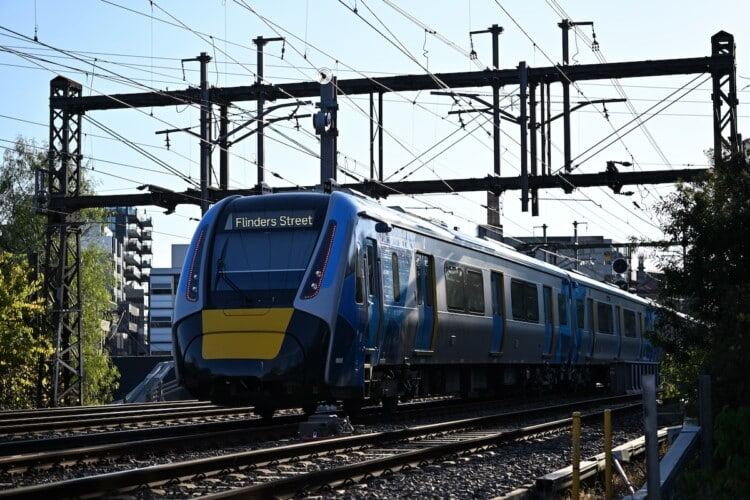
Delhi Metro Proposes to Undertake $6 Billion High-Speed Rail Project
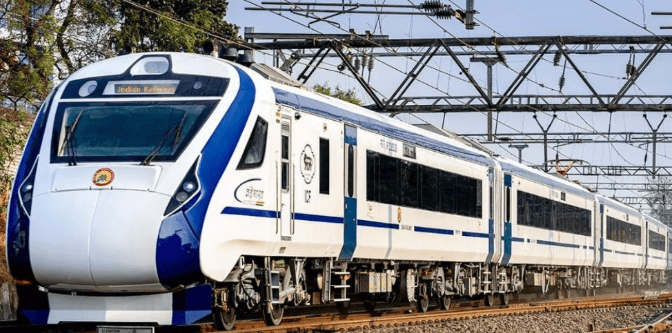
en.Wedoany.com Reported - The Delhi Metro Rail Corporation (DMRC) has proposed to the Kerala government to undertake the Kerala High-Speed Rail Project, with a total investment of approximately $6 billion, on a turnkey basis, promising completion within five years with zero cost overruns. The high-speed rail line is planned to connect Thiruvananthapuram and Kannur, spanning 473.2 kilometers, with a design speed of 200 km/h, adopting a double-track design at an average cost of about $12.68 million per kilometer. Project funding is proposed to be jointly contributed by the central government and the Kerala government in a 51:49 ratio. Currently, an expert committee established by the Kerala government is conducting technical, financial, and environmental feasibility assessments of the project plan.
The backdrop of DMRC's commitment is that India's first true high-speed rail—the Mumbai-Ahmedabad High-Speed Rail Corridor—is facing severe delays and cost overruns. Implemented by the National High Speed Rail Corporation Limited (NHSRCL), the Mumbai-Ahmedabad project has a design speed of 320 km/h and a total length of 508 kilometers. Construction began in 2017, with an original target completion date of 2023, but overall progress has only reached about halfway. The total cost has surged from initial estimates to approximately $20.8 billion, with an average cost of about $44 million per kilometer. Japan has provided $8 billion in low-interest loans for the project. According to the latest updates, some sections (Surat to Vapi) are expected to be operational by 2027, with full line completion delayed to 2028 or 2029.
Beyond cost, timelines are also an uncontrollable factor in high-speed rail projects. DMRC's promise of "completion within five years with zero cost overruns" stands in stark contrast to the actual execution record of India's high-speed rail infrastructure. The company's project management experience is primarily concentrated in the metro sector, and it has never led the construction of a 200 km/h high-speed railway. Its timeline estimation basis and cost overrun prevention mechanisms have not been publicly disclosed. Without empirical experience in similar projects and specific guarantee plans, this commitment currently appears more as a unilateral expression of intent.
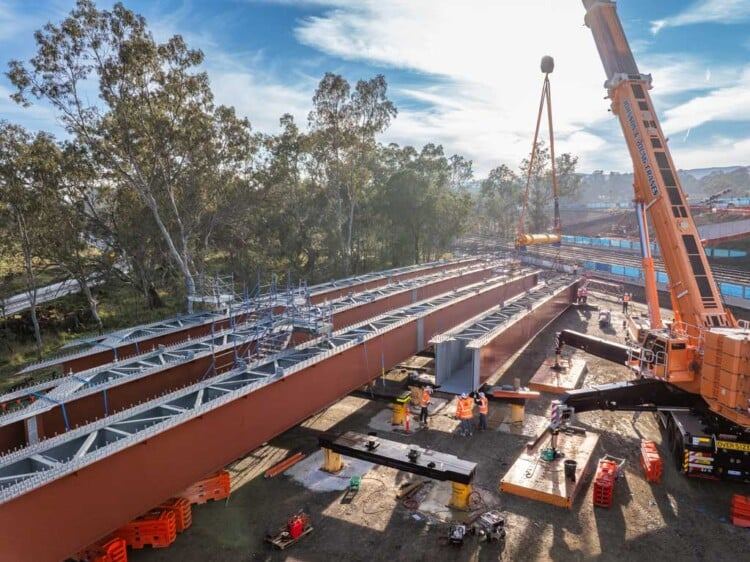
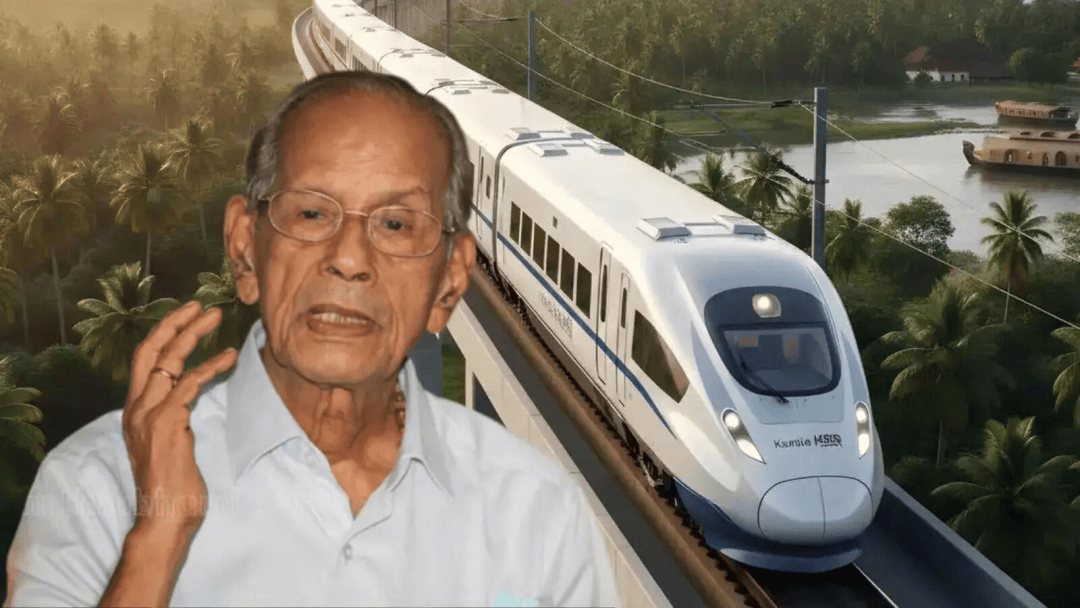
The new Kerala high-speed rail line will have 22 stations along its route, with an average station spacing of 21.5 kilometers. Except for a 6.5-kilometer underground section in the state capital Thiruvananthapuram, the rest of the route will be built on elevated structures. The initial plan calls for 12-car train sets, with platforms designed to accommodate future expansion to 16-car trains. Long-term plans also indicate that the high-speed corridor will be extended northward to Kasaragod, with three additional branch lines planned.
E. Sreedharan, now 94 years old, is the proponent of the Kerala high-speed rail plan and is hailed as the "Father of the Indian Metro." He served as the first Managing Director of DMRC from 1995 to 2012, completing the first phase of the Delhi Metro on budget and on schedule, and also led the construction of the challenging Konkan Railway. He has been awarded the Padma Shri, one of India's highest civilian honors, and the French Legion of Honour.
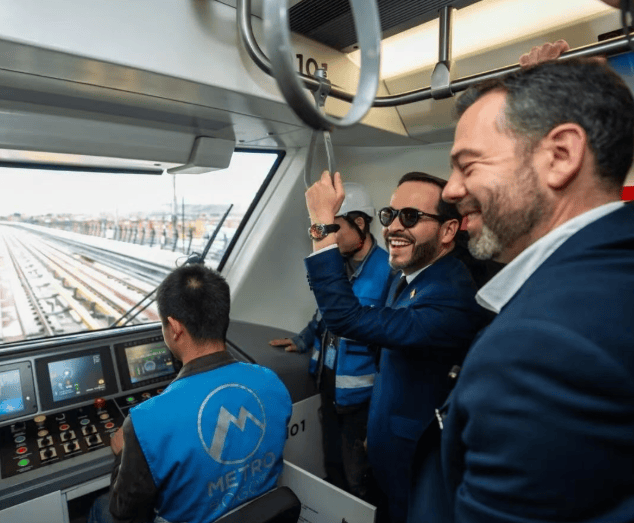
Although DMRC started with the construction and operation management of the Delhi Metro, it has in recent years participated in the construction management and technical services of multiple rail transit projects in India. Recently, the company also established a subsidiary, DMRC International Pvt. Ltd., with the core mission of undertaking metro projects domestically and internationally, providing services such as project management, operation and maintenance, feasibility studies, and consulting. Its target markets include Tel Aviv, Israel; Alexandria, Egypt; and Ho Chi Minh City, Vietnam.
Related Products
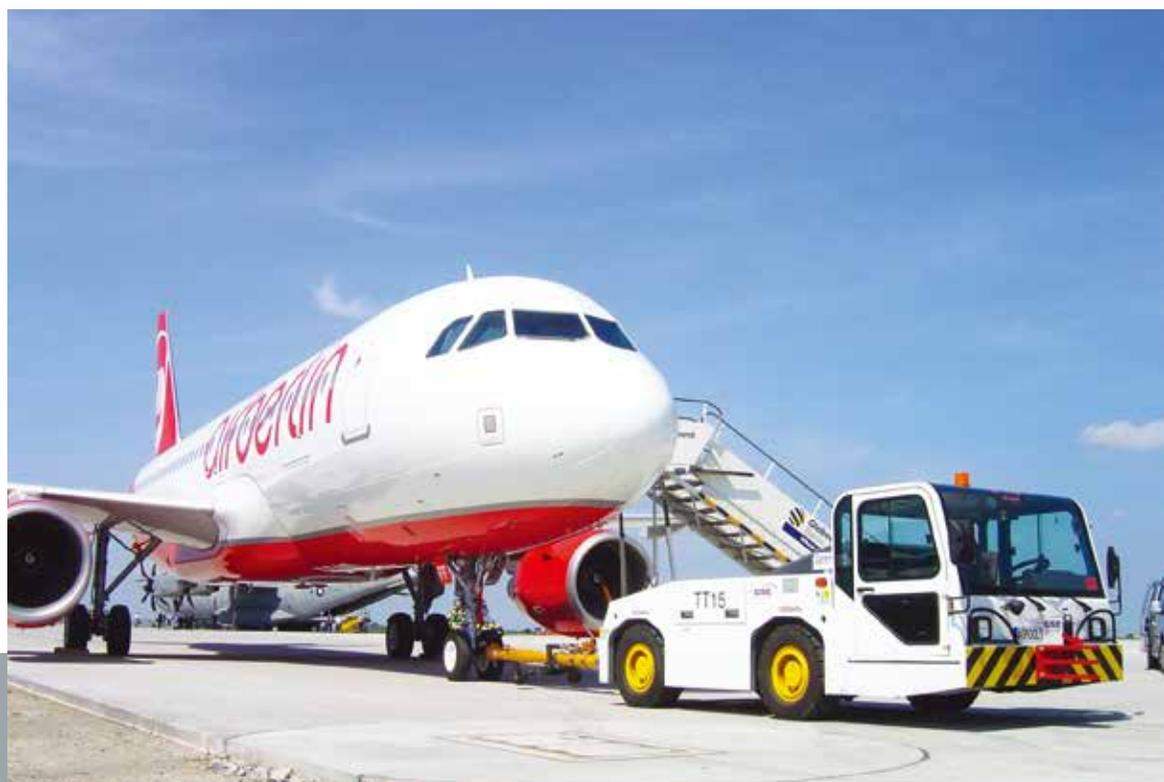

WGQY Series Aircraft Tow Tractor-WGQY15, WGQY27
Weihai Guangtai Airport Equipment Co., Ltd.

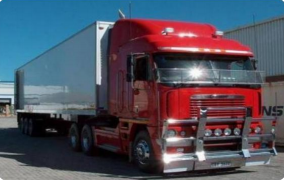
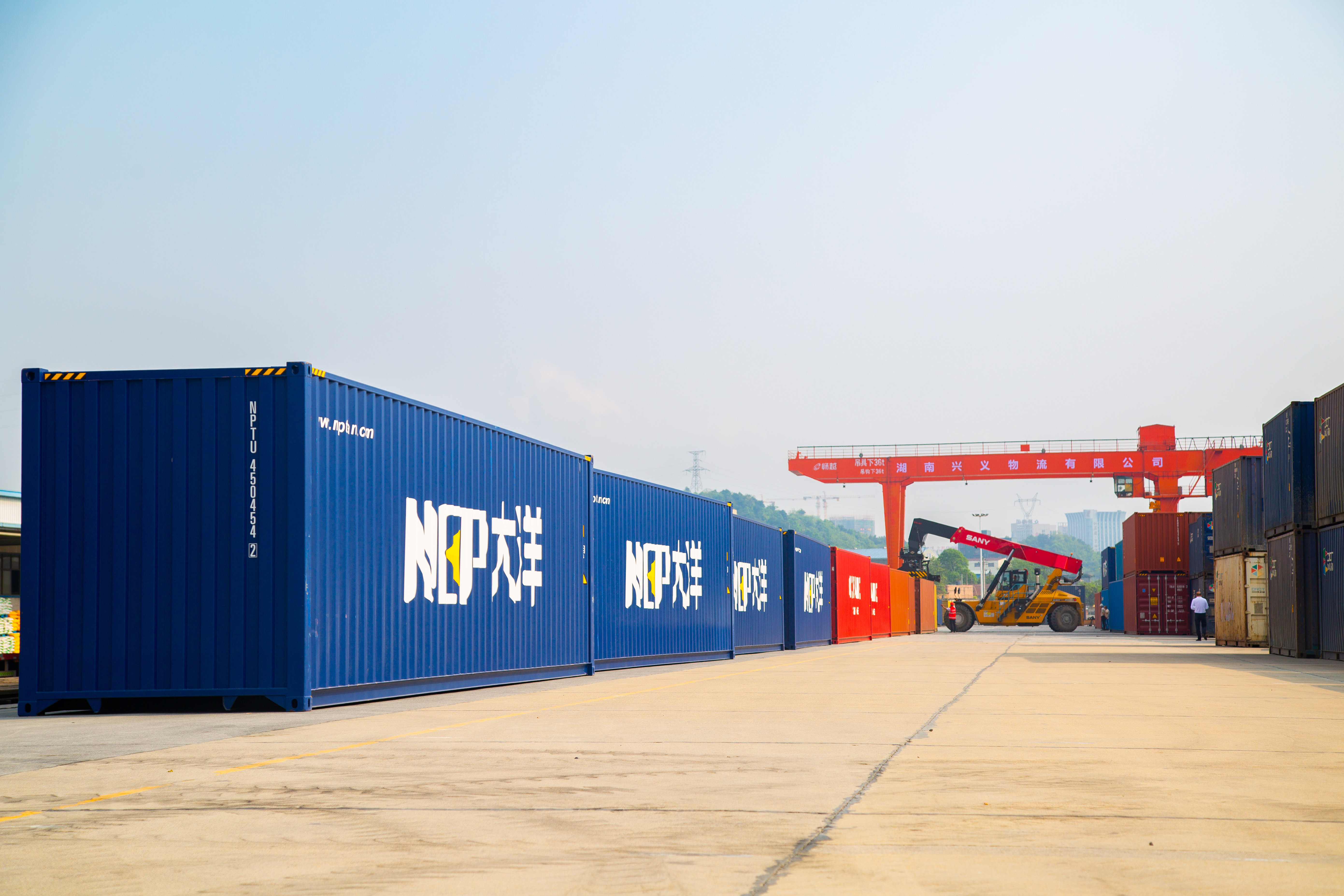
China - Alashankou/Khorgos - Europe Full Range Transportation (Mala/Hamburg/Duisburg/Budapest, etc.)
Shenzhen Neptune Logistics Co., Ltd.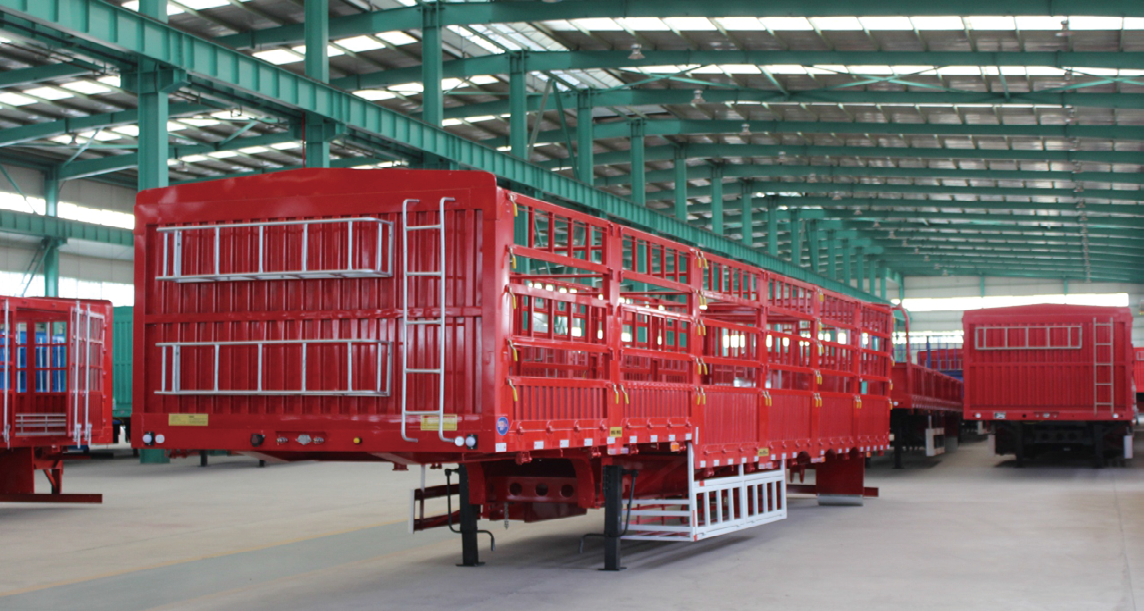
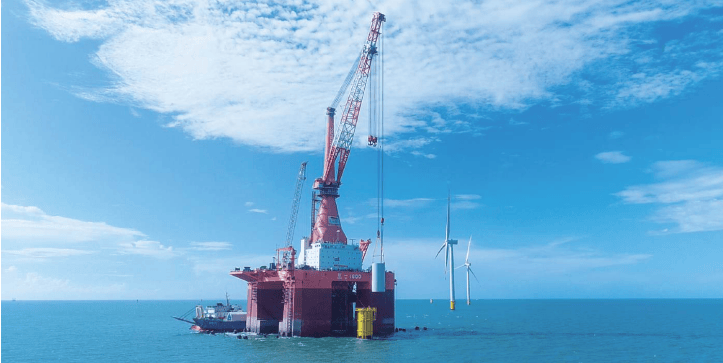
"Shunyi 1600" Deep-submerging Bottom-sitting Multi-functional Wind Power Engineering Vessel
Zhengli Offshore Engineering Co., Ltd.