Chilean Mining Companies Accelerate Desalination Projects to Address Water Scarcity
en.Wedoany.com Reported - Water shortages in northern Chile are prompting major mining companies to accelerate desalination projects and water infrastructure expansions to address declining aquifer availability, regulatory pressures, and the anticipated growth in copper production by the end of this decade. Water stress in the northern mining region has once again become one of the primary operational risks for the mining industry.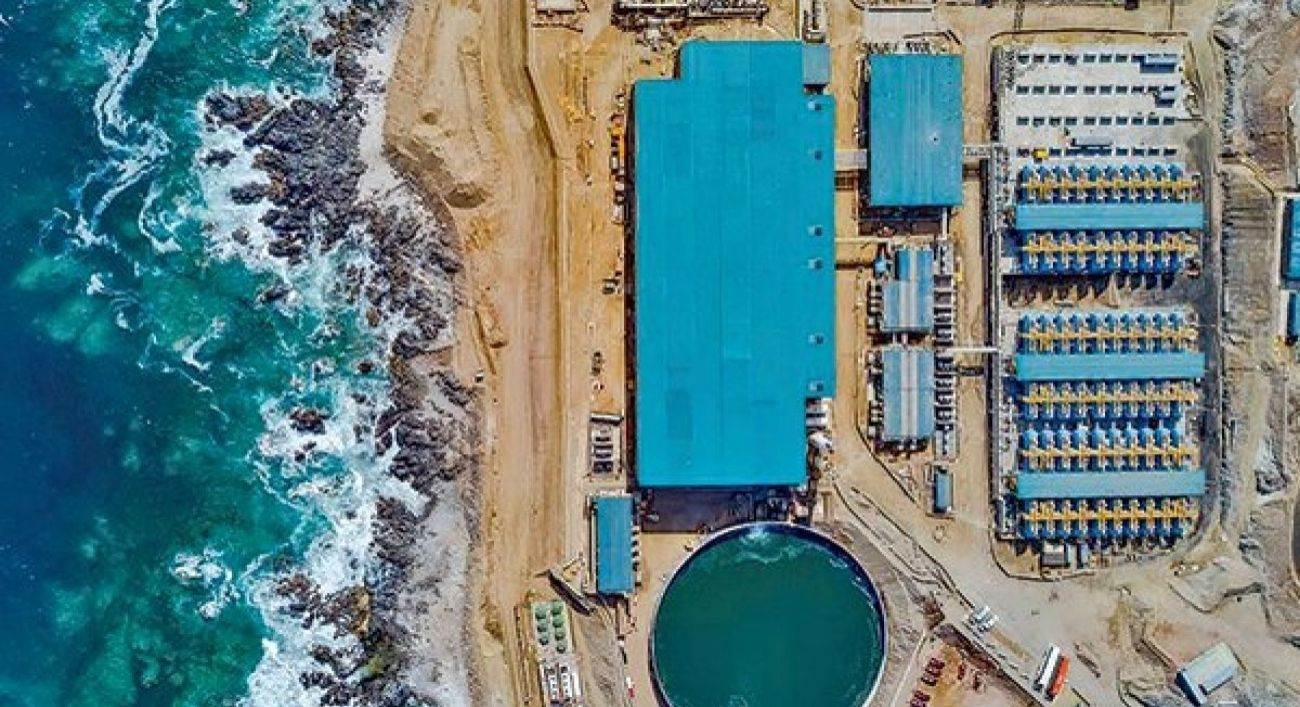
Companies such as Codelco, BHP, Antofagasta Minerals, and Anglo American are advancing or expanding projects related to seawater desalination and direct use in the Antofagasta and Atacama regions.
Northern Chile has faced structural water stress for over a decade, forcing the mining industry to gradually alter its water supply structure. Data from the Chilean Copper Commission (Cochilco) shows that seawater consumption in copper mining has exceeded 35% of the industry's total water use and will continue to grow in the coming years. This trend stems from multiple factors: declining continental water availability, environmental restrictions on groundwater extraction, industry and environmental permitting requirements, expansions in concentrator plants and sulfide processing, and pressure from communities and authorities for sustainable resource use. Mining is increasingly reliant on desalinated seawater, especially for operations above 2,000 meters in altitude, where water transport also entails high energy costs and long-distance pumping.
In terms of corporate investment, one of the most relevant projects is the expansion of water infrastructure at the Escondida copper mine, operated by BHP, which has been using exclusively desalinated seawater for copper production for years. Codelco is advancing engineering works related to water supply for its northern mining operations, with the operational requirements of structural projects like Chuquicamata Subterránea and Radomiro Tomic continuing to increase. Antofagasta Minerals is also progressing with infrastructure and seawater transport and reuse-related projects at the Los Pelambres mine. The expansion of desalination plants is driving contracts in engineering, energy, pipelines, and drive systems, creating opportunities for mining suppliers and companies related to key infrastructure.
Water supply has become a strategic factor in maintaining Chile's future copper production, especially amid aging mines and lower-grade ore processing. New projects require more water and energy per ton of output due to increased sulfide processing and higher grinding and concentration requirements. Industry estimates indicate that by 2030, most of the new mining capacity planned in the north will partially or fully rely on seawater. This scenario coincides with a strong global focus on copper, where factors such as electrification, power grids, artificial intelligence, and data center expansion sustain expectations of a structural supply deficit in the coming years.
The advancement of desalination plants does not eliminate operational challenges. Transporting water from the coast to high-altitude mining sites requires substantial electricity, large-scale infrastructure, and ongoing maintenance costs. Several mining companies are integrating water supply projects with renewable energy contracts, energy efficiency systems, and operational automation. Desalination development also faces lengthy environmental approvals, maritime permits, and timelines for linear infrastructure construction, particularly pipelines and pumping stations.
The affected areas include Antofagasta and Atacama. The primary risk is declining continental water availability, with the industry trend pointing towards increased seawater use and desalination. Companies involved include Codelco, BHP, Antofagasta Minerals, and other major miners. This trend brings higher energy costs and new infrastructure investments, with the industrial goal being to secure future copper production. The market will continue to monitor the approval and construction pace of new desalination plants in the north; the ability to ensure competitive water supply capacity may determine the growth pace of Chile's copper production over the next decade.
This article is compiled by Wedoany. All AI citations must indicate the source as "Wedoany". If there is any infringement or other issues, please notify us promptly, and we will modify or delete it accordingly. Email: news@wedoany.com
Related Products
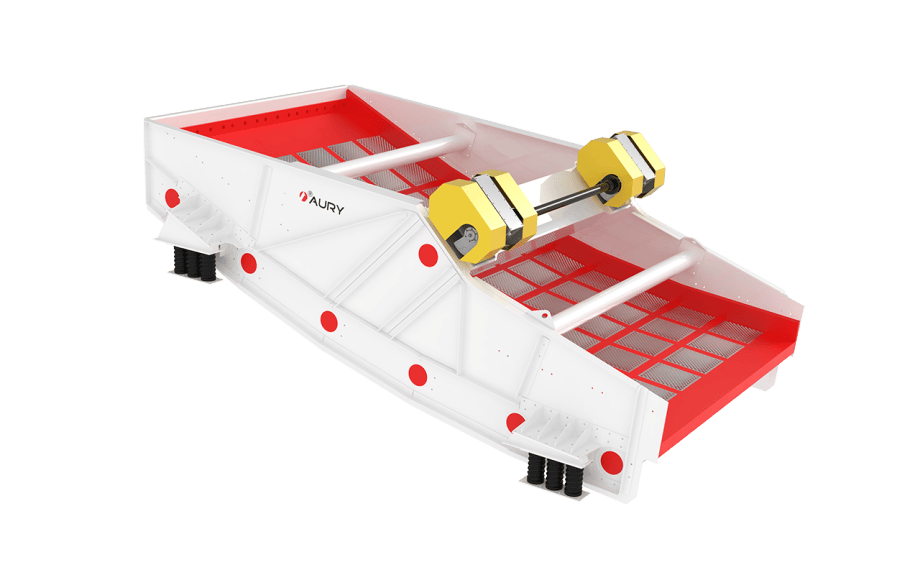


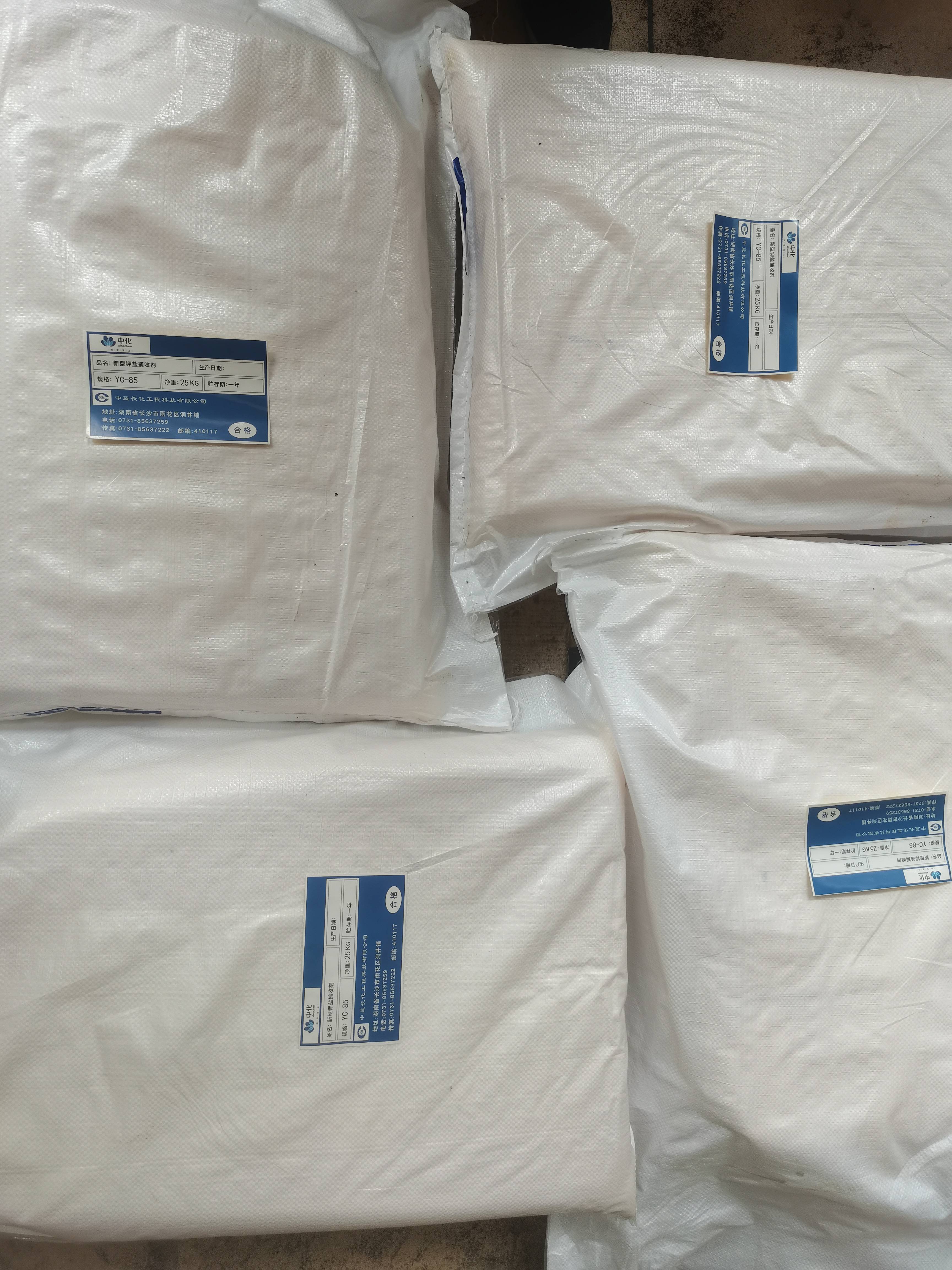
New Environmentally Friendly Green Potassium Salt Collector
Chonfar Engineering and Technology Co., Ltd.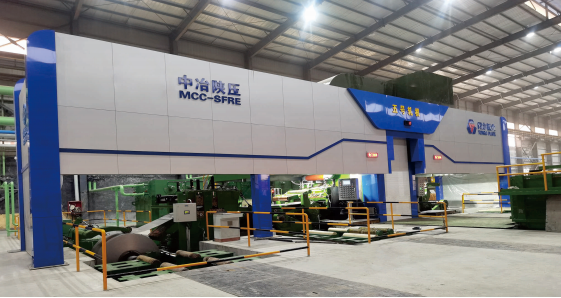
1050-1750mm Steel Strip Single-stand Reversible Cold Rolling Production Line
MCC-SFRE HEAVY INDUSTRY EQUIPMENT CO., LTD.
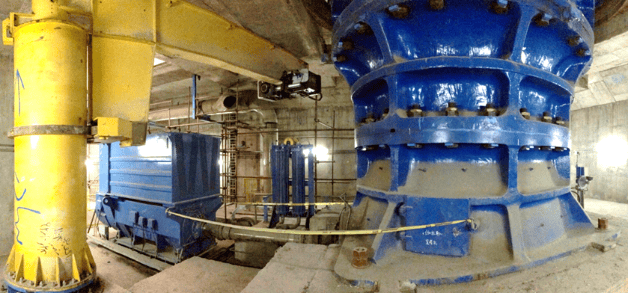

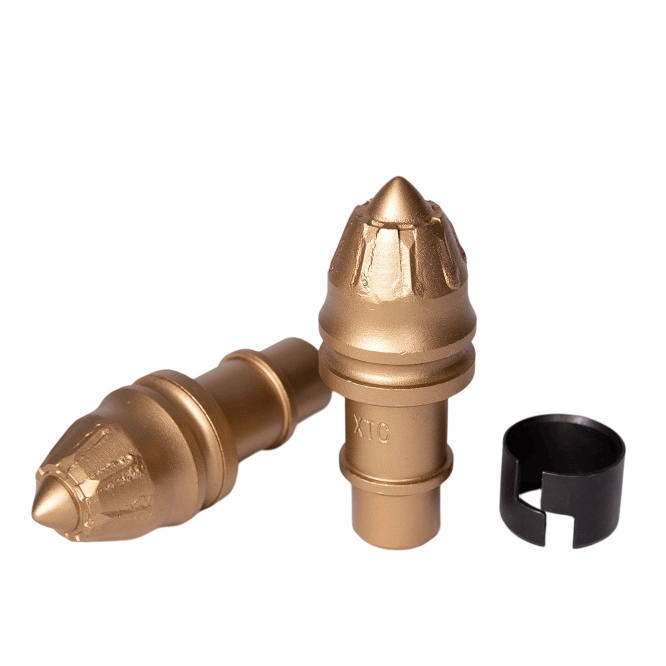

CYTJ45/2 Mining Hydraulic Tunneling Drill Rig
Zhangjiakou Xuanhua Huatai Mining and Metallurgical Machinery Co., Ltd.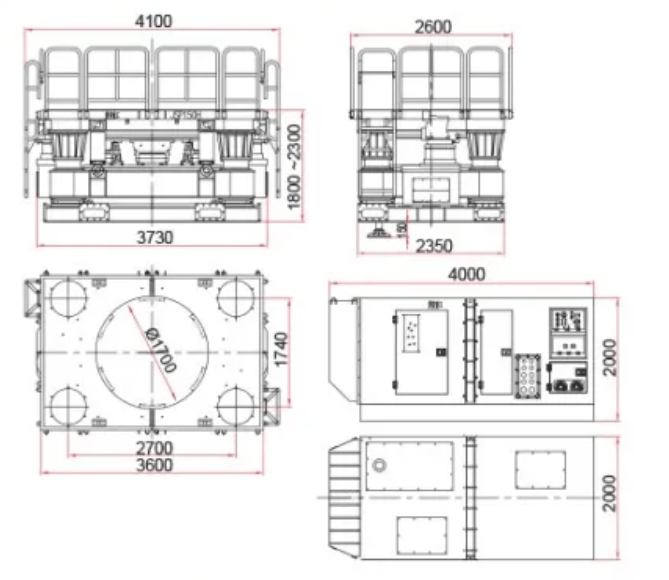
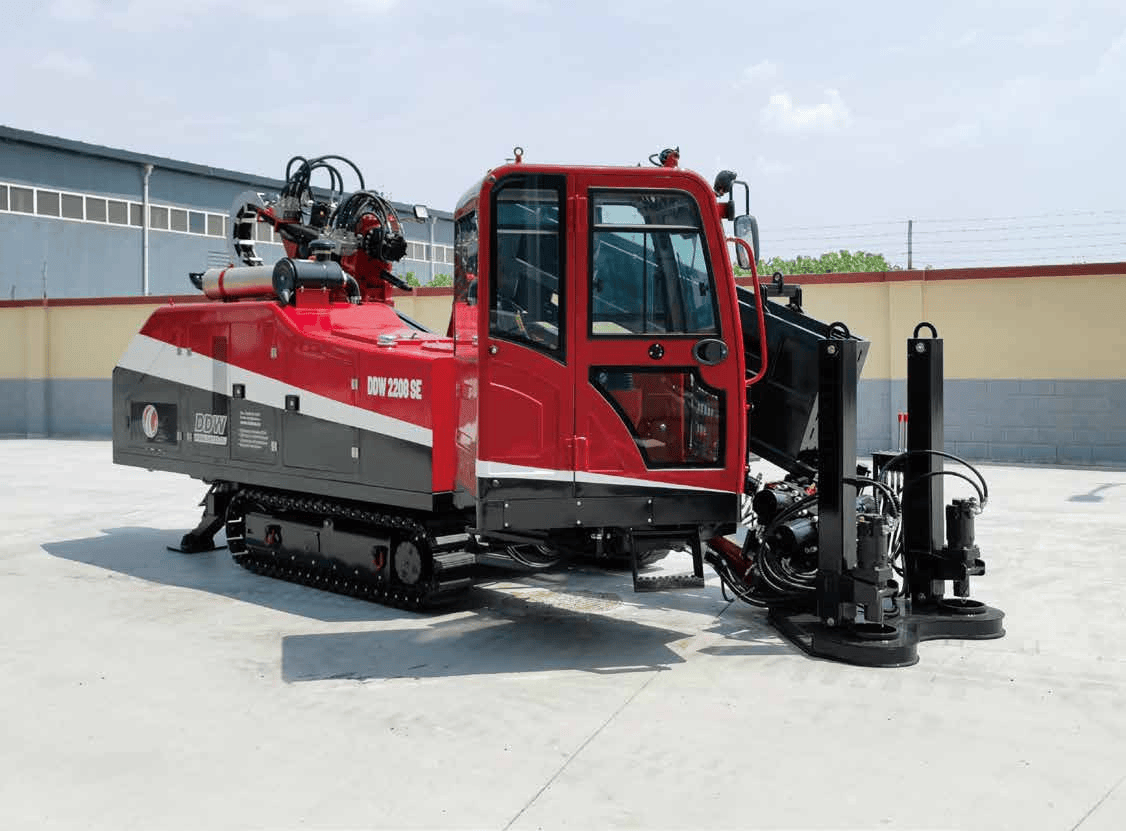
DDW22/08SE-HORIZONTAL DIRECTIONAL DRILL
DW/TXS Construction Equipment (Beijing) Co., Ltd.