China's Yahua Group Completes Lithium Ore Export Procedures and Begins Shipments
en.Wedoany.com Reported - On May 21, Cui Dongshu, Secretary-General of the Passenger Car Market Information Joint Conference, stated in an article that in April, China's combined production of power batteries and other batteries reached 184 GWh, a year-on-year increase of 34%; the total production from January to April was 671 GWh, up 28% year-on-year. The growth rate of battery production has dropped from over 69% to 28% this year. Due to sluggish demand for power batteries, the battery supply-demand balance should gradually improve. In April 2026, the proportion of power battery production installed in vehicles fell to 34%, with a 36% installation rate for ternary batteries and a 33% installation rate for lithium iron phosphate batteries. The prosperity of power battery installation has reached a historical low, making exports a major factor influencing the battery sector.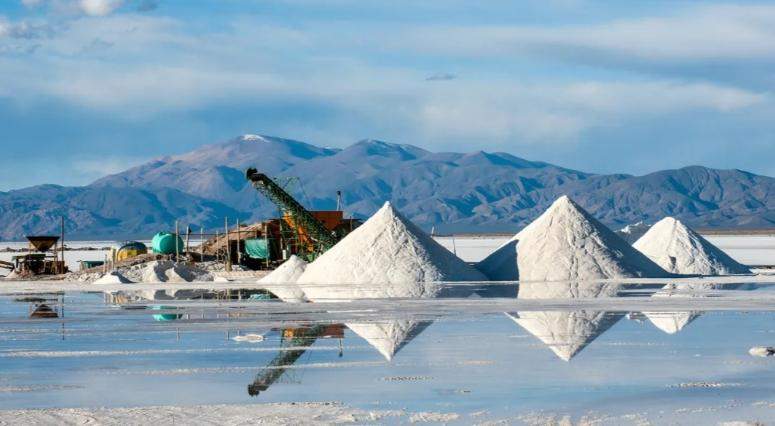
The National Energy Administration released data on the national electric vehicle charging facilities for April 2026. According to data from the National Charging Facility Monitoring Service Platform, as of the end of April 2026, the total number of electric vehicle charging infrastructure units (guns) in China reached 21.955 million, a year-on-year increase of 47.4%. Among these, public charging facilities (guns) numbered 4.907 million, up 29.6% year-on-year, with a total rated power of public charging piles reaching 237 million kilowatts and an average power of approximately 48.38 kilowatts; private charging facilities (guns) totaled 17.048 million, a year-on-year increase of 53.5%, with the reported installed electricity capacity for private charging facilities reaching 149 million kVA.
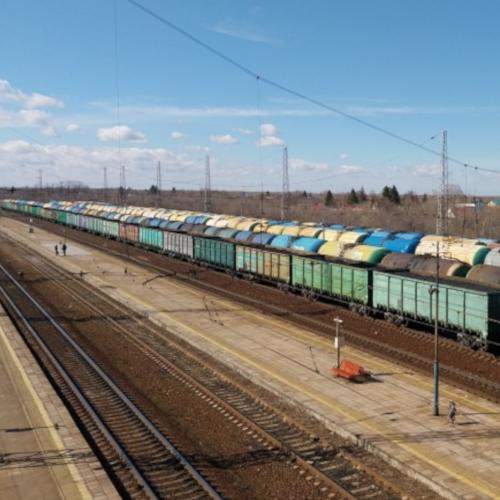
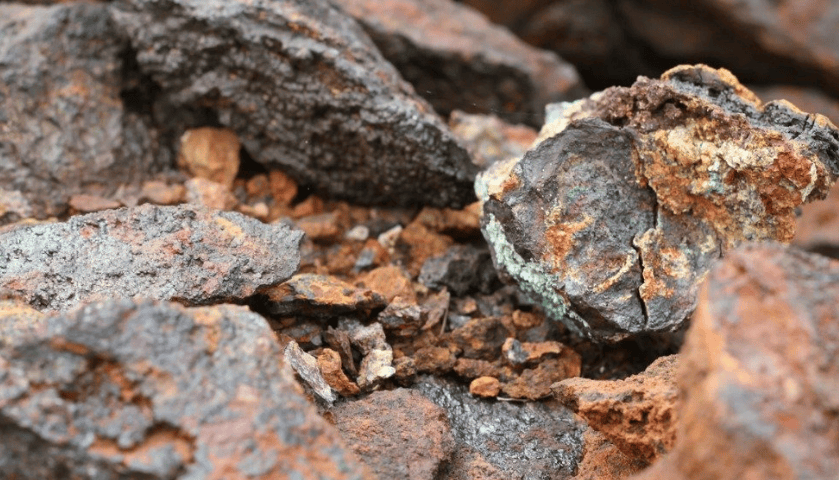
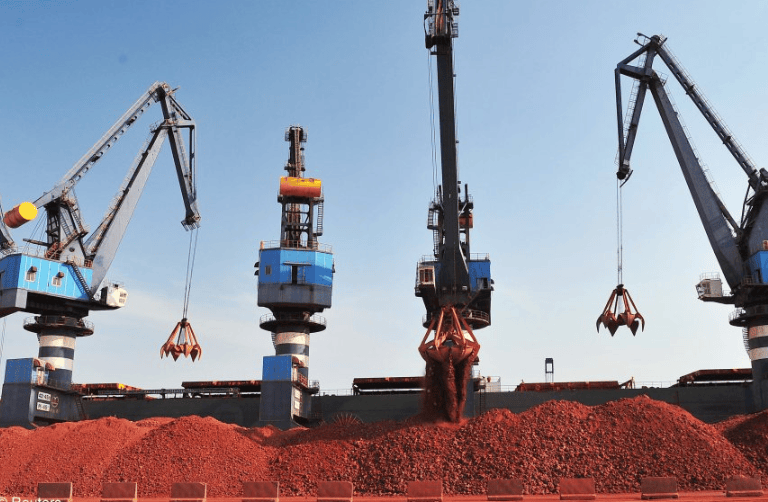
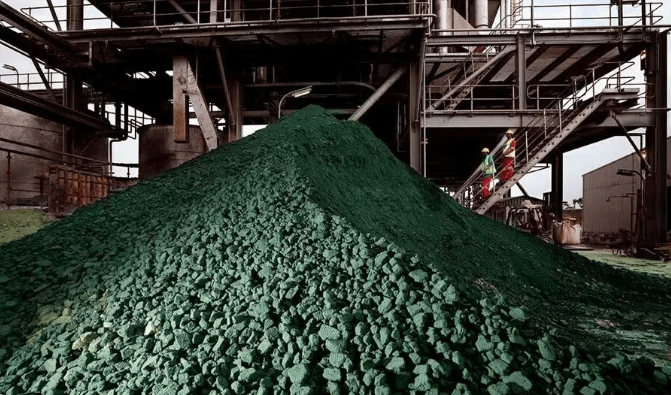
Yahua Group disclosed during an investor survey that its lithium sulfide products have shown good results in third-party testing, and samples have been sent to some customers. The company is currently optimizing based on feedback from the initial samples, continuously improving product quality, while also researching and developing continuous production equipment. The company's lithium concentrate inventory can guarantee the production needs for domestic products, and the Kamativi Mine in Zimbabwe has maintained normal production during the ban period, with lithium ore output unaffected. After obtaining the export quota for lithium concentrate from Zimbabwe, the company has completed the new lithium ore export procedures and has initiated shipments. Subsequent lithium ore will be transported back in batches.
Ganfeng Lithium stated at its 2025 annual shareholders' meeting on May 20 that in the field of solid-state batteries, the company is simultaneously advancing dual pathways of silicon-carbon and lithium metal anodes, focusing on lithium metal anode technology to accelerate the mass production process of high-energy-density batteries. Currently, the cycle life of 400Wh/kg batteries has exceeded 1,100 cycles and has completed engineering verification, possessing the potential for large-scale application; the world's first 500Wh/kg-class 10Ah product has achieved small-batch mass production, setting a benchmark for the industrialization of lithium metal batteries. On the silicon-based anode route, the company has achieved a gradient layout of products ranging from 320 to 480Wh/kg, among which the 320Wh/kg cell has a cycle life exceeding 1,000 cycles, and the 480Wh/kg technology level is at the forefront of the industry, meeting the diverse needs of different application scenarios for energy density and cycle life.
William Li, Founder, Chairman, and CEO of NIO, stated during the Q1 2026 earnings call on May 21 that rising raw material costs this year, along with increased prices for chips and memory chips, have brought significant cost pressure to the entire industry, with NIO facing an average cost pressure of over 10,000 yuan per vehicle. NIO indicated it will maintain price stability and the comprehensive competitiveness of its products and services, and will not make volume the primary business strategy, but will maintain reasonable volume growth. Li also pointed out that competition in China's smart electric vehicle market has now transitioned from a period of brand chaos to a period of clarification. In Q1 this year, the average transaction price for the NIO brand was 390,000 yuan, exceeding BMW by 50,000 yuan and 1.5 times that of Audi. In Shanghai, the Yangtze River Delta, and first-tier cities, the NIO brand has surpassed traditional luxury brands in market share.
This article is compiled by Wedoany. All AI citations must indicate the source as "Wedoany". If there is any infringement or other issues, please notify us promptly, and we will modify or delete it accordingly. Email: news@wedoany.com
Related Products



Mine Explosion-proof and Intrinsically Safe Industrial Ethernet Ring Network (10 Gigabit/Gigabit)
Chongqing Mas Sci&Tech Co., Ltd.
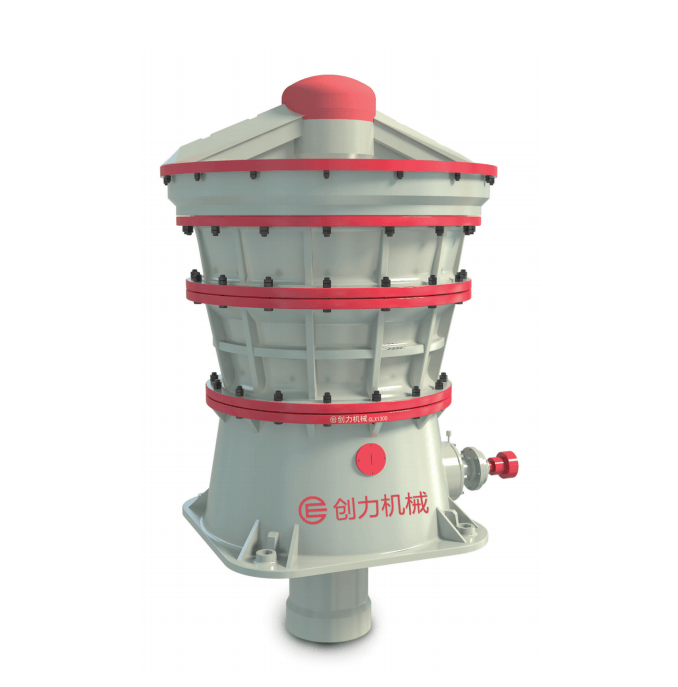
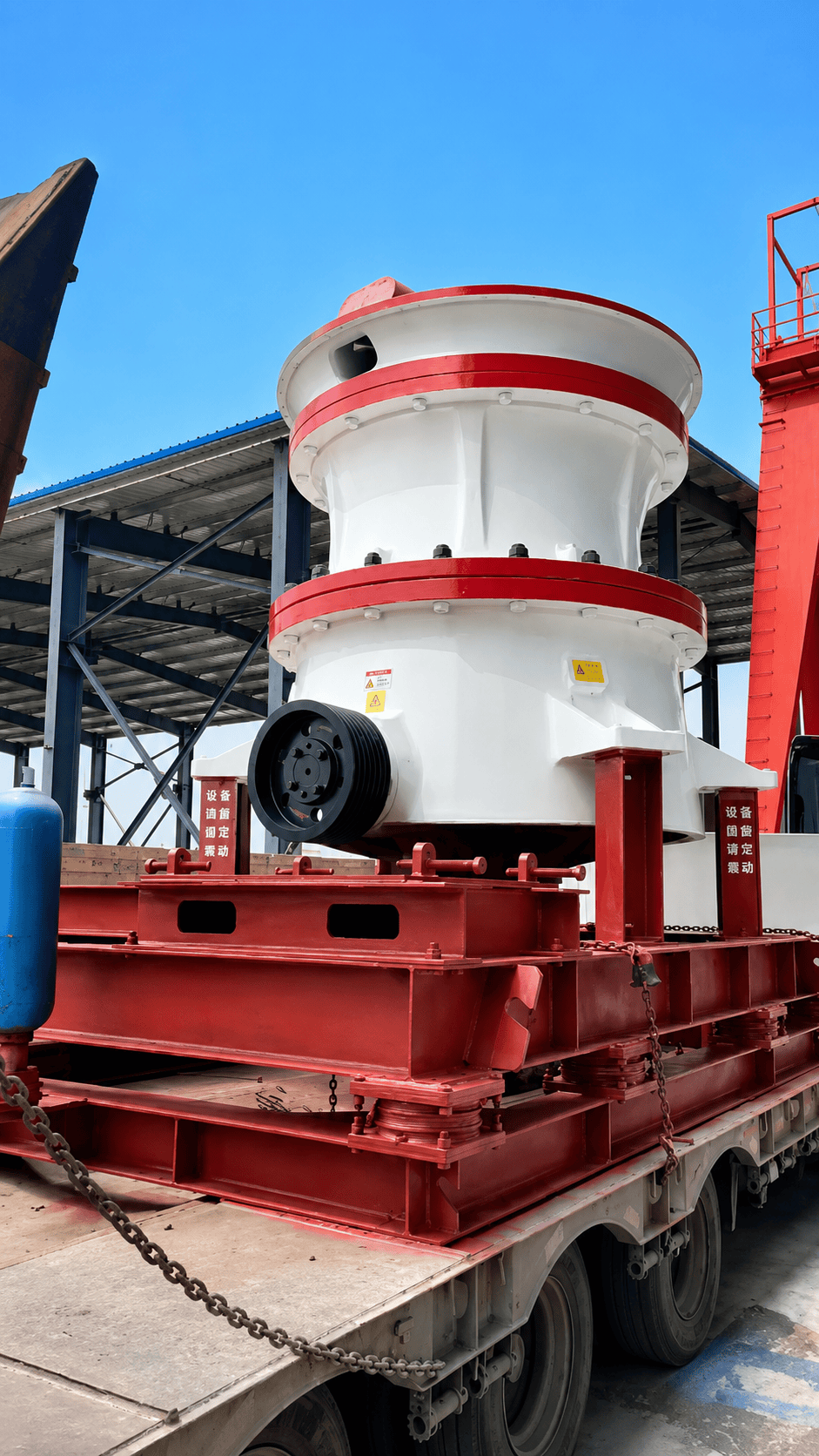
CLX Series Intelligent Hydraulic Gyratory Crusher
Guangdong CHUANGLI intelligent machinery Equipment Co., LTD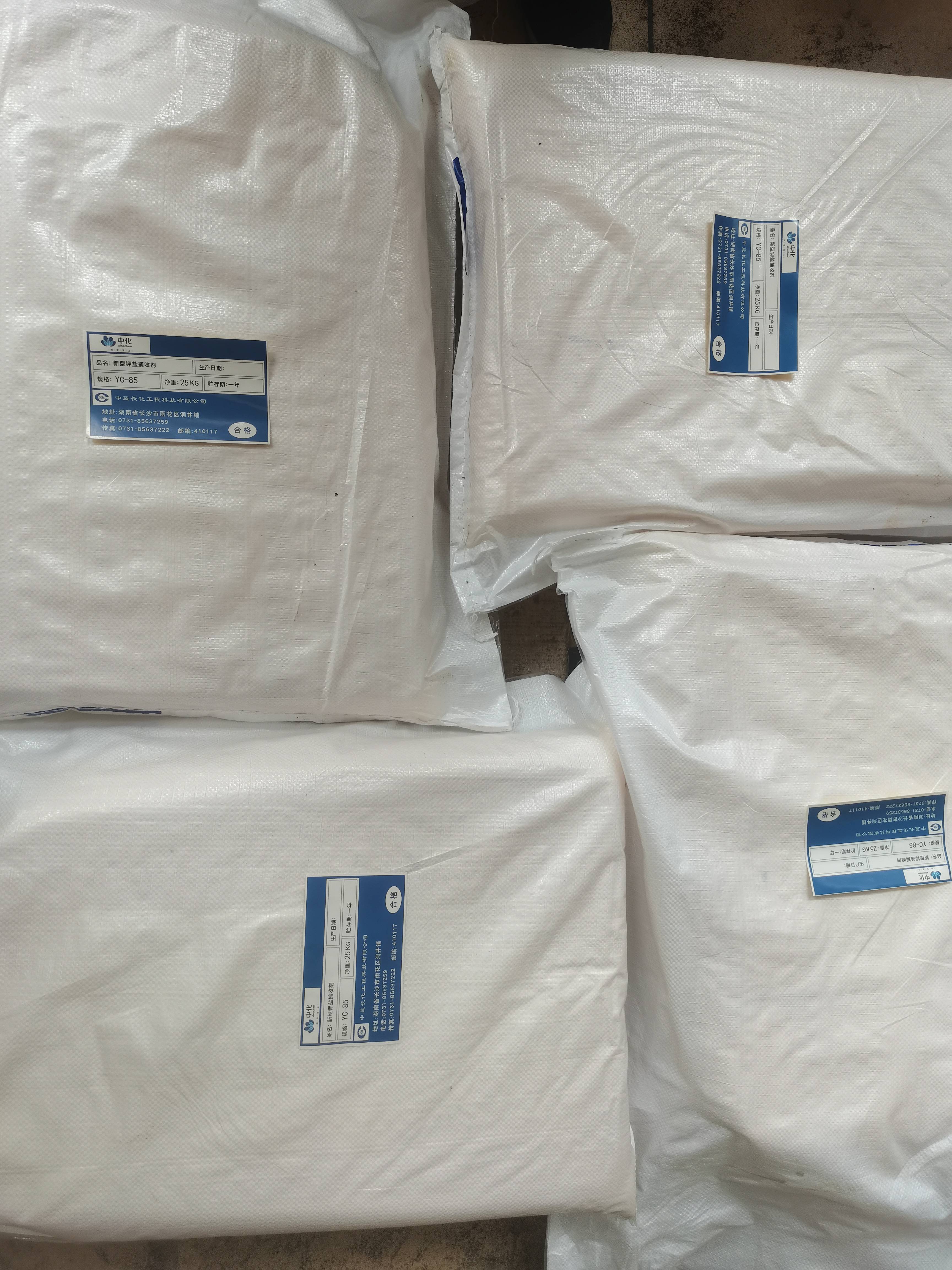
New Environmentally Friendly Green Potassium Salt Collector
Chonfar Engineering and Technology Co., Ltd.