en.Wedoany.com Reported - On May 22, it was learned from the Shanxi Provincial Bureau of Statistics that from January to April 2026, the total coalbed methane production in Shanxi Province reached 5.23 billion cubic meters, a year-on-year increase of 10%, setting a new record high for the same period in history and accounting for approximately 81.5% of the national coalbed methane production during the same period.
The continued rise in Shanxi's coalbed methane production primarily corresponds to the demand for increased supply of unconventional natural gas. Coalbed methane, commonly known as "gas," is mainly composed of methane and primarily stored in coal seams in an adsorbed state. It is both a safety control target in coal resource development and an unconventional natural gas resource that can be utilized on a large scale. For a major coal-producing province like Shanxi, coalbed methane development is not just about adding new gas sources; it is also directly related to coal mine gas control, mining area safety, methane emission reduction, and energy structure adjustment. The production exceeding 5 billion cubic meters in the first four months, accounting for over 80% of the national total for the same period, indicates that Shanxi remains the core region for coalbed methane development in China, and its production changes will directly affect the national coalbed methane supply landscape.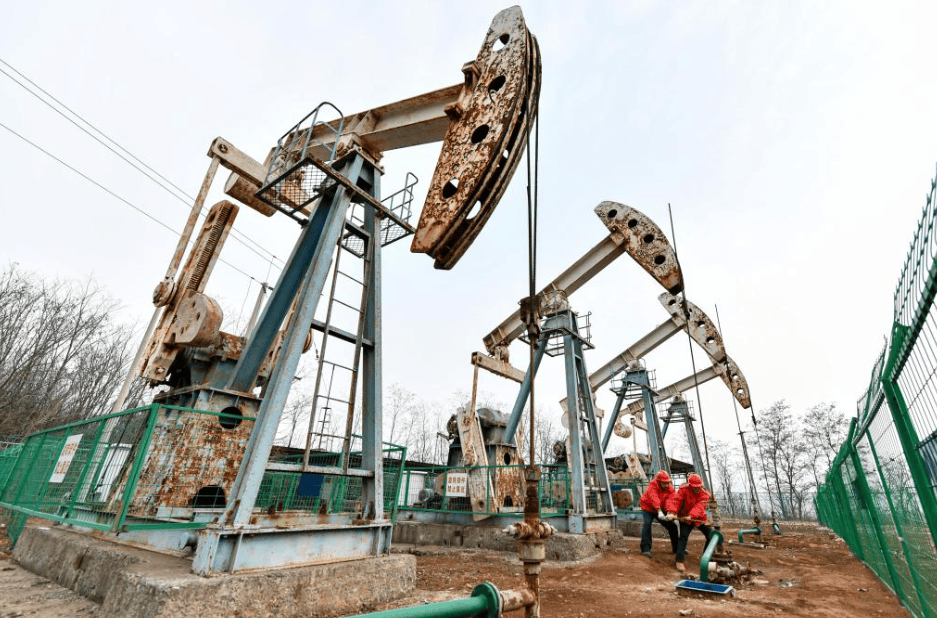
This production level is built upon years of development model adjustments in Shanxi. In recent years, Shanxi has continuously explored the model of "extracting gas before mining coal, integrating gas extraction and coal mining," gradually shifting coalbed methane extraction from a coal mine safety auxiliary process towards resource-based development and energy supply. The key to this model is to improve the level of gas extraction and utilization before or during coal mining, reducing safety risks in high-gassy mines, while simultaneously converting coalbed methane, which might otherwise be vented or inefficiently used, into pipeline gas, industrial fuel, residential gas, and park energy. In 2007, Shanxi's coalbed methane production was less than 1.9 billion cubic meters; by 2025, Shanxi's coalbed methane production had reached 14.7 billion cubic meters, setting a new annual production record. The output of 5.23 billion cubic meters in the first four months means that Shanxi's coalbed methane continues to grow on the basis of high annual operation levels.
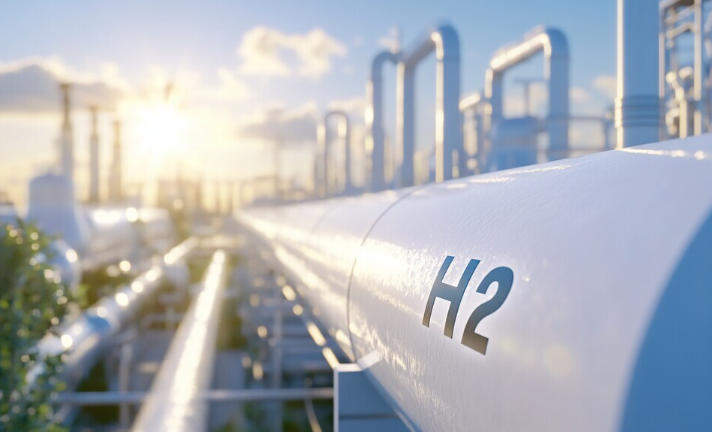
The increase in coalbed methane production will also drive continued expansion in upstream exploration and development, well site construction, gathering and transmission pipeline networks, compression processing, and downstream consumption systems. Coalbed methane wells typically go through stages such as drilling, fracturing, drainage and production, stable production, and gathering and transmission. The increase in production involves reservoir stimulation, optimization of drainage and production systems, construction of surface gathering stations, low-pressure gas recovery, pipeline network connection, and market consumption arrangements. Shanxi's coalbed methane resources are mainly concentrated in areas such as the Qinshui Basin and the eastern margin of the Ordos Basin. Large-scale development requires collaborative efforts from oil and gas companies, coal enterprises, local gas platforms, and pipeline network companies. For equipment and engineering service enterprises, the increase in coalbed methane production will generate demand for drilling and production equipment, compressors, metering instruments, valves and pipe fittings, gathering and transmission stations, dehydration and purification, intelligent monitoring, and safety and environmental protection equipment.
Statistical caliber still needs to be kept clear in industrial analysis. The National Bureau of Statistics previously explained that coalbed methane production data released by different departments may differ due to varying statistical calibers; the NBS caliber includes coal mine gas utilization calculated on a pure equivalent basis, while the relevant caliber of the National Energy Administration refers to coalbed methane wellhead production, excluding coal mine gas utilization. The 5.23 billion cubic meters data for Shanxi from January to April comes from the Shanxi Provincial Bureau of Statistics caliber, which is suitable for observing the overall scale of Shanxi's coalbed methane and gas utilization. However, direct mixing should be avoided when comparing with the wellhead production data from the energy authorities.
Shanxi's subsequent tasks will focus on achieving a balance between stable production, capacity expansion, and efficient utilization. Coalbed methane development needs to continuously address issues such as differences in single-well production, low-permeability reservoir stimulation, long-term stable production, coordination of mineral rights and coal mining rights, connection of gathering and transmission pipeline networks, and end-use consumption. As production continues to set records for the same period, the focus of Shanxi's coalbed methane industry chain will shift from single-point breakthroughs in resource development to the systematic coordination of gas source organization, pipeline network transmission, mining area safety management, methane emission reduction, and natural gas market supply. Subsequent project milestones include continued drainage and production in key coalbed methane blocks, expansion of gathering, transmission, and processing capacity, improvement of coal mine gas utilization, and consumption coordination with city gas, industrial fuel, and the unconventional natural gas market.
This article is compiled by Wedoany. All AI citations must indicate the source as "Wedoany". If there is any infringement or other issues, please notify us promptly, and we will modify or delete it accordingly. Email: news@wedoany.com