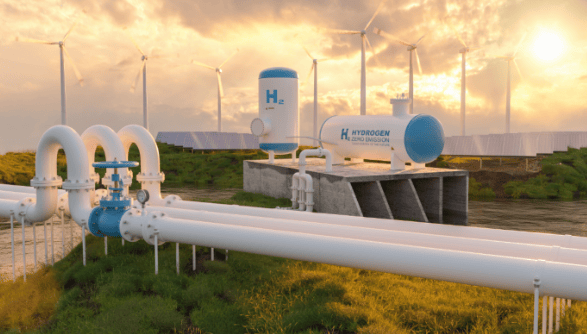
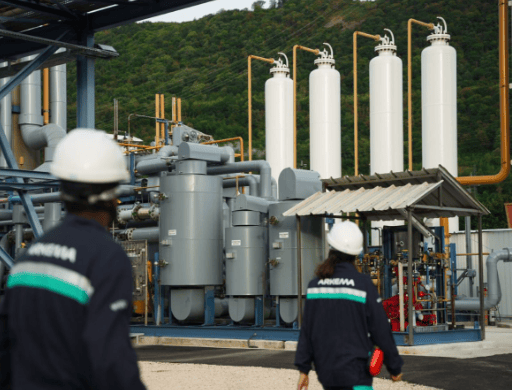
U.S. Company VIVIFY Launches 1MW "Flying Pig" Hydrogen Container System
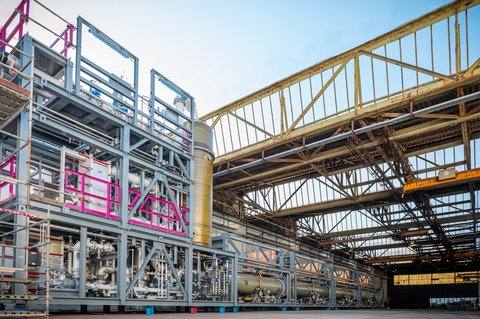
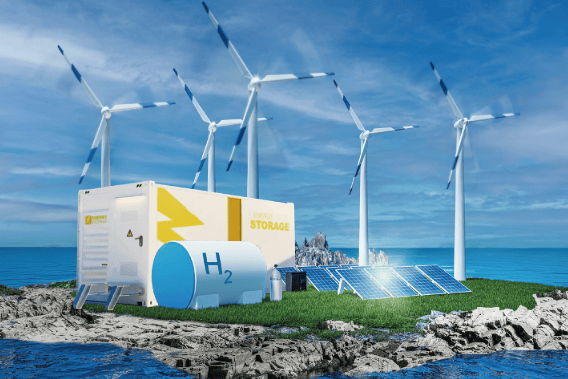
en.Wedoany.com Reported - U.S. company VIVIFY Technology has introduced a 1MW hydrogen fuel containerized energy system called "Flying Pig," designed to provide a scalable, fully off-grid power solution for the aging U.S. electrical grid. The system is built on the architecture of the company's flagship product, the Hydrogen Oxygen Generator (HOG), integrating powerful, scalable power into a transportable container. It targets application scenarios such as remote industrial sites, disaster zones, forward military bases, and high-energy-consumption data centers.
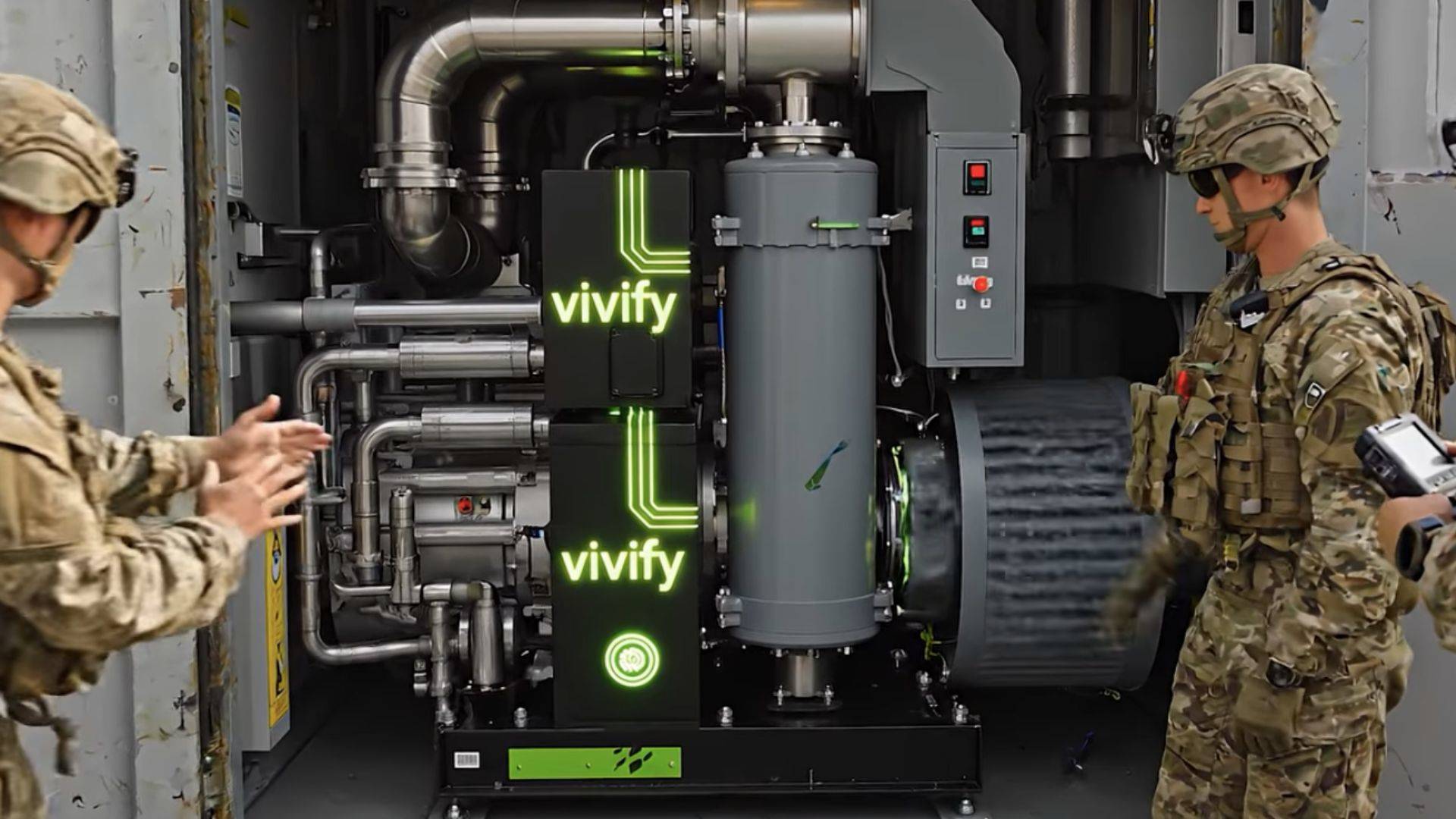
Each "Flying Pig" module can output 1MW of electricity. If capacity expansion is needed, another module can simply be connected. VIVIFY Technology founder and CEO Jason Herring stated that this is a U.S.-manufactured, deployable power system designed to make legacy energy models irrelevant. The grid cannot move with the user, and the U.S. no longer has to be constrained by aging infrastructure. Herring added that the "Flying Pig" was created so that power can reach where it is needed, when it is needed, without waiting for broken infrastructure or monopolistic systems to catch up.
The HOG system is a self-supporting energy platform based on a simple water-based starter, providing an on-demand, behind-the-meter hydrogen power source. Designed to maximize power generation and minimize losses, the system is a scalable solution that achieves 99% emission-free and pollutant-free operation, offering a sustainable path to meet a wide range of localized power needs. According to the official website, the highly integrated system combines a Pulsar array for on-demand hydrogen production and system regeneration, along with an H2O input generator for self-produced fuel. It then utilizes multi-stage turbines, multi-function transformers, and an advanced combustion chamber to efficiently distribute electricity and heat from a single, self-contained architecture.
The modular design allows operators to quickly assemble, connect, and scale their power capacity by stacking or linking additional units. Because it relies on a localized hydrogen-based input source rather than standard utility lines or diesel supply chains, it achieves complete energy autonomy. VIVIFY's statement claims the end result is a deployable power system designed for remote sites, industrial operations, behind-the-meter use, and any environment requiring on-demand electricity. The company asserts that its five-year cost projections show the "Flying Pig's" operational costs are only a fraction of those for traditional grid-dependent systems.
The potential market for this system is vast. Artificial intelligence is driving unprecedented demand for data center power, while climate change makes grid infrastructure increasingly vulnerable. A rapidly deployable, independent power source can address both challenges simultaneously. VIVIFY's vision extends beyond terrestrial data centers. Herring stated that data centers, disaster zones, military operations, remote industrial sites, and even frontiers beyond Earth require power that can move, scale, and operate outside the old rules. Energy independence is an engineering problem, and the "Flying Pig" is the answer. Furthermore, this scalable off-grid architecture could potentially serve as a reference for the energy systems needed for future lunar exploration and moon bases.
This article is compiled by Wedoany. All AI citations must indicate the source as "Wedoany". If there is any infringement or other issues, please notify us promptly, and we will modify or delete it accordingly. Email: news@wedoany.com
Related Products