India Issues Telecom Rules Replacing License Contracts with Statutory Authorization
en.Wedoany.com Reported - The Indian government has implemented a shift in the telecom regulatory model by issuing the Telecommunication (Authorisation for Provision of Major Telecom Services) Rules, 2026. These rules substantially overturn the original bilateral contract-based licensing framework, establishing a statutory model of unilateral government authorization.
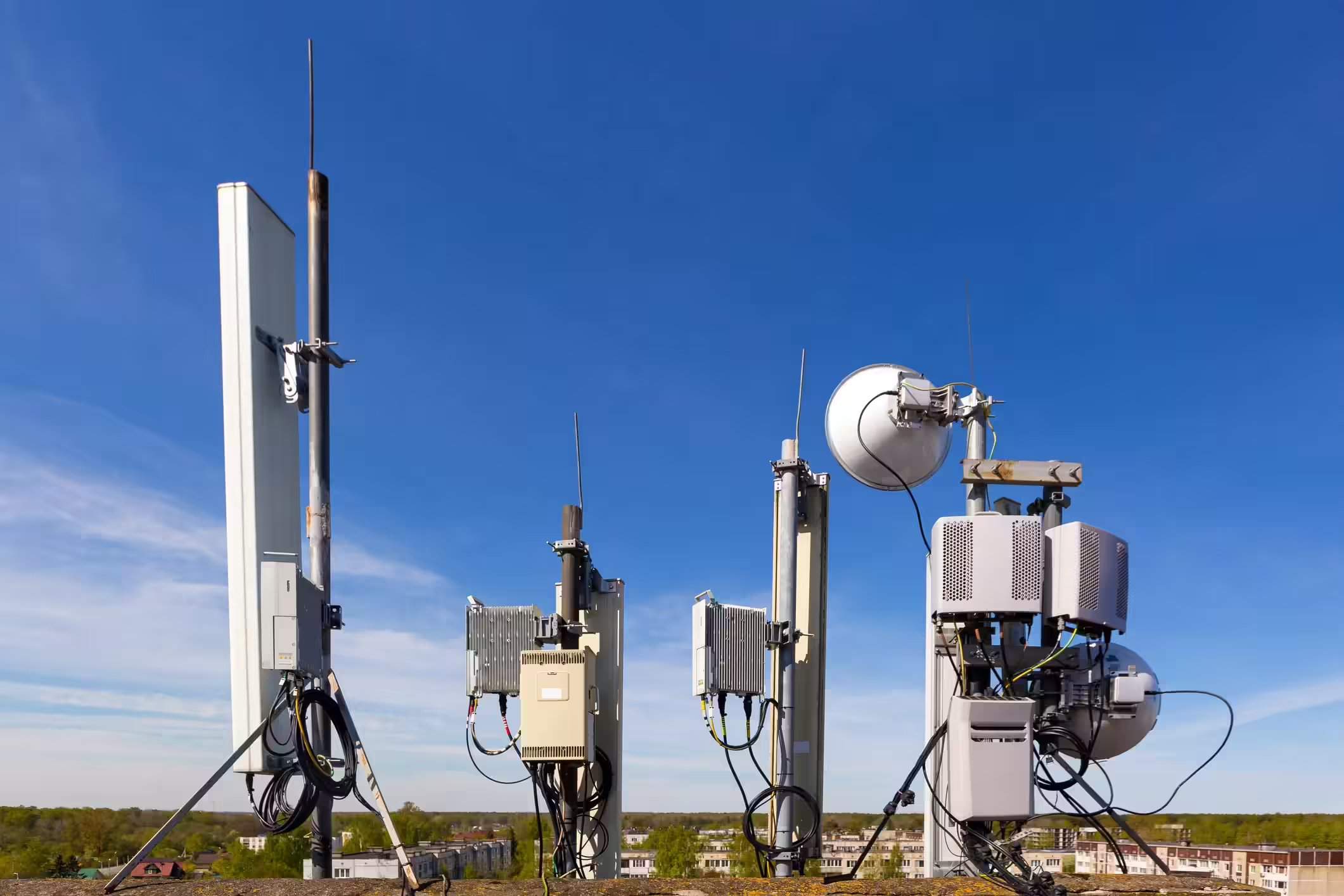
The new mechanism, announced on Tuesday, stipulates that the government may unilaterally grant authorization to operators as long as they meet eligibility requirements and preset terms. The fundamental shift from bilateral contracts to unilateral authorization lies in the fact that the old unified license was considered a formal bilateral agreement between the telecom department and the operator, where any unilateral modification by the government could lead to contractual disputes and be challenged in court.
Under the new rules, all orders, directives, or guidelines issued by the government to telecom companies will automatically become part of the authorization terms. The new regulations eliminate the concept of contract breach; if enterprises violate these conditions, it is no longer considered a breach of contract but constitutes a statutory violation of the Telecommunications Act. Non-compliance will be handled by internal adjudicating officers and an appellate committee. If operators are dissatisfied with the decision of the internal appellate committee, they may further appeal to the Telecom Disputes Settlement and Appellate Tribunal.
During the consultation phase of the rules, telecom companies expressed opposition, arguing that losing contractual rights would create uncertainty and potentially harm existing investments. The Telecom Regulatory Authority of India stated that during the validity period of existing licenses, operators can still operate freely under the old licensing framework. The authorization mechanism will be formally implemented upon license renewal. Additionally, the new rules provide a clear definition of adjusted gross revenue, excluding non-telecom revenue from the calculation scope.
This article is compiled by Wedoany. All AI citations must indicate the source as "Wedoany". If there is any infringement or other issues, please notify us promptly, and we will modify or delete it accordingly. Email: news@wedoany.com
Related Products


Mine Explosion-proof and Intrinsically Safe Industrial Ethernet Ring Network (10 Gigabit/Gigabit)
Chongqing Mas Sci&Tech Co., Ltd.
G.652.D Wavelength-extended Non-dispersion Shifted Single-mode Optical Fiber
HONGAN GROUP CO., LTD.


Multi-function Marine Monitoring Low-altitude Detection Radar Sea-air Boundary Ocean Dynamic Environment Measurement
Chengdu Dixin Technology Co., Ltd.
GYTA Type Non-Self-Supporting Aerial/Duct Optical Cable
TONGDING INTERCONNECTION INFORMATION CO., LTD.


TWP16 P-Band Tropospheric Wind Profile Radar
China Huayun Meteorological Technology Group Co., Ltd.

20 Inch 1600*900 Full HD 60Hz TFT LED Monitor with VGA and DP Interfaces for Desktop Computers-Business Use
Guangzhou Zanying Optoelectronics Technology Co., Ltd.