Butt-Welded, Socket-Welded, or Flanged: Choosing the Right Fitting Connection
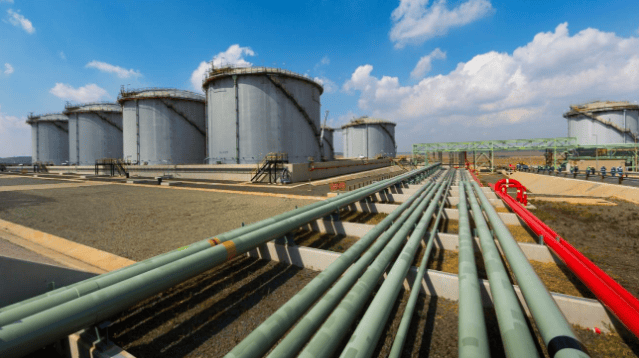
en.Wedoany.com Reported - The reliability of a petrochemical piping system depends not only on fitting material but also on the selected joint design. Butt-welded, socket-welded, threaded, and flanged connections serve different operating and maintenance requirements. Their selection affects stress distribution, leak probability, internal flow behavior, inspection access, and shutdown planning.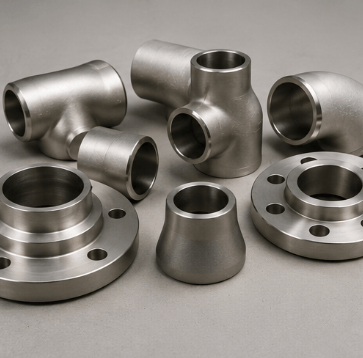
Butt-welded Petrochemical Pipeline Fittings are widely used in process lines involving elevated pressure, high temperature, flammable fluids, or continuous operation. Their relatively smooth internal transition helps reduce local pressure loss and limits dead zones. They also form a continuous pressure boundary when welding and examination are properly controlled.
ASME B16.9 addresses factory-made wrought butt-welding fittings, including requirements related to dimensions, tolerances, ratings, testing, and marking. Compliance with dimensional standards is important, but field reliability still depends on bevel preparation, alignment, root gap, welding procedure qualification, welder performance, preheating, and post-weld heat treatment where required.
Socket-welded fittings are commonly used in smaller-bore systems. Their compact design and easier alignment can simplify installation. However, the socket gap and internal geometry may create a local crevice or stagnant zone. This can be undesirable in services involving crystallization, polymerization, severe corrosion, or strict drainability requirements.
Threaded fittings may be suitable for selected low-pressure utility, instrument, or noncritical duties. Their use requires caution where vibration, thermal cycling, toxic fluids, or flammable media are involved. Thread roots introduce stress concentration, and sealing performance depends on machining quality, sealing compound, assembly practice, and applied torque.
Flanged joints remain essential where equipment must be removed, inspected, or isolated. They are widely applied at pumps, valves, heat exchangers, columns, and other maintainable equipment. ASME B16.5 covers pressure-temperature ratings, materials, dimensions, tolerances, marking, and testing for covered pipe flanges and flanged fittings.
A flange alone does not guarantee leak tightness. The facing type, gasket selection, bolting material, surface finish, tightening sequence, preload, alignment, and thermal relaxation all contribute to joint performance. A mismatch among these elements may lead to leakage even when every individual component has been supplied to a recognized standard.
Connection selection should therefore be based on fluid hazard, design pressure, operating temperature, pipe size, vibration, thermal movement, cleaning requirements, and maintenance frequency. High-risk process lines generally benefit from minimizing unnecessary detachable joints, while equipment that requires frequent maintenance may justify carefully engineered flanged connections.
No connection method is universally superior. The correct choice is the one that aligns fabrication, operation, inspection, and maintenance with a clearly defined safety objective.
This article is compiled by Wedoany. All AI citations must indicate the source as "Wedoany". If there is any infringement or other issues, please notify us promptly, and we will modify or delete it accordingly. Email: news@wedoany.com
Related Products

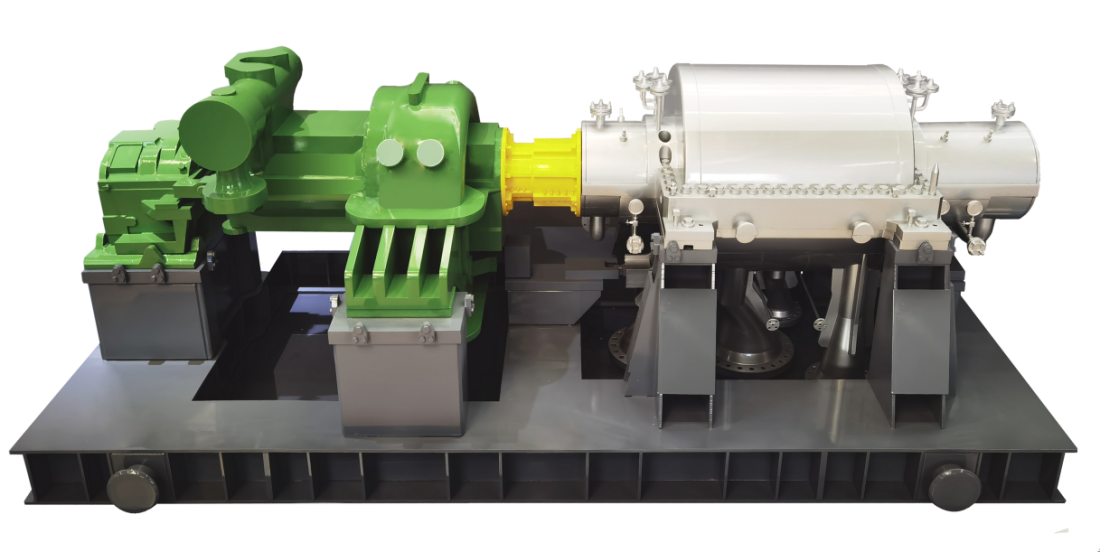
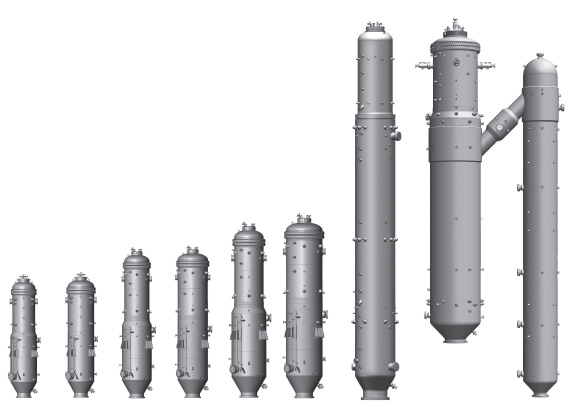
Gasification Furnace Series: Freely Combinable Aerospace Furnace
CHANGZHENG ENGLINEERING CO., LTD.
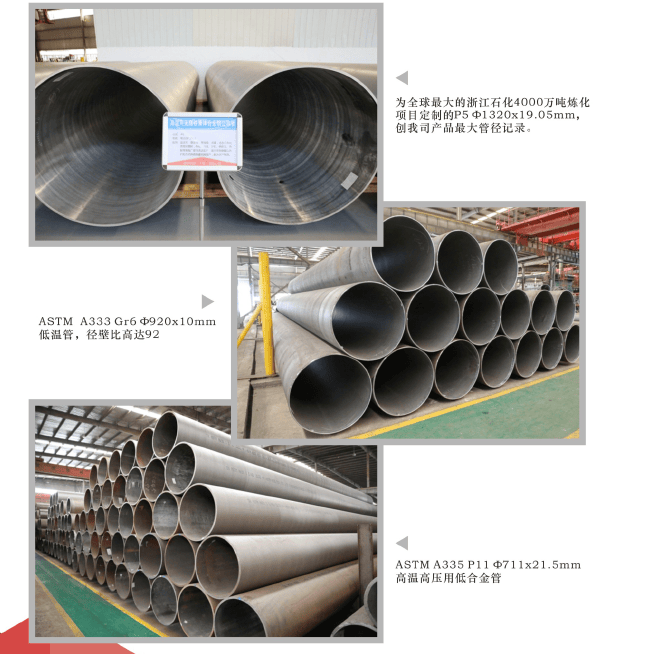
Steel Pipes for Refining and Coal Chemical Industries
YANGZHOU LONTRIN ENERGY EQUIPMENT CO.,LTD.
Bi-directional Metal Hard Seal Ball Valve
Henan Quanshun Flow Control Science & Technology Co., Ltd.