Indonesia's 700MHz/2.6GHz Auction Widens Operator Coverage and Capacity Divide
en.Wedoany.com Reported - Indonesia's 700 MHz and 2.6 GHz spectrum auction will widen the divide among operators in coverage and capacity, reshaping the competitive landscape of the mobile market. This assessment comes from an industry update report released by UOB Kay Hian on June 18.
Each of the two bands offers three national blocks for auction. The 700 MHz band is used for wide-area coverage, specifically divided into two 2x15 MHz blocks and two 2x10 MHz blocks. The 2.6 GHz band, intended for high-capacity urban traffic, is split into three blocks of 80 MHz, 60 MHz, and 50 MHz.
The winning bidders are expected to be announced before Indonesia's Independence Day on August 17, 2026. Bidders include Telkomsel, a subsidiary of Telkom Indonesia, Indosat, and XLSmart.
The report notes that the 700 MHz band can improve coverage efficiency, while the 2.6 GHz band helps enhance urban network capacity, both supporting further expansion of Indonesia's 4G network and 5G deployment.
The auction framework has been revised, reducing upfront payments from the previous level equivalent to three times the annual spectrum obligation to two times. The allocation plan will consider both bids and network deployment commitments.
Given its existing spectrum base, the new allocation is essentially incremental for Telkomsel. Indosat faces the greatest risk due to its limited low-frequency spectrum. XLSmart holds 850 MHz spectrum, which can partially offset its obligation to return the 900 MHz band. In the 2.6 GHz band, all operators are expected to gain capacity improvements (compared to their existing 2300 MHz holdings), supporting higher 5G throughput.
Mandatory deployment obligations require operators to cover villages within five years and deploy 5G in selected cities. Tower companies, including Mitratel, Sarana Menara Nusantara, Tower Bersama Infrastructure, and Centratama Telekomunikasi, are expected to benefit from this deployment.
Indonesia currently has approximately 3.8 towers per 10,000 people, below the global average of 8.1, indicating room for further densification of the tower network. The report expects that substantial improvements in tower revenue will not materialize until mid-2027, given the deployment timeline.
UOB Kay Hian maintains a "market weight" rating on the industry, citing stable near-term earnings but a divergence in the long-term competitive landscape driven by spectrum allocation outcomes.
This article is compiled by Wedoany. All AI citations must indicate the source as "Wedoany". If there is any infringement or other issues, please notify us promptly, and we will modify or delete it accordingly. Email: news@wedoany.com
Related Products


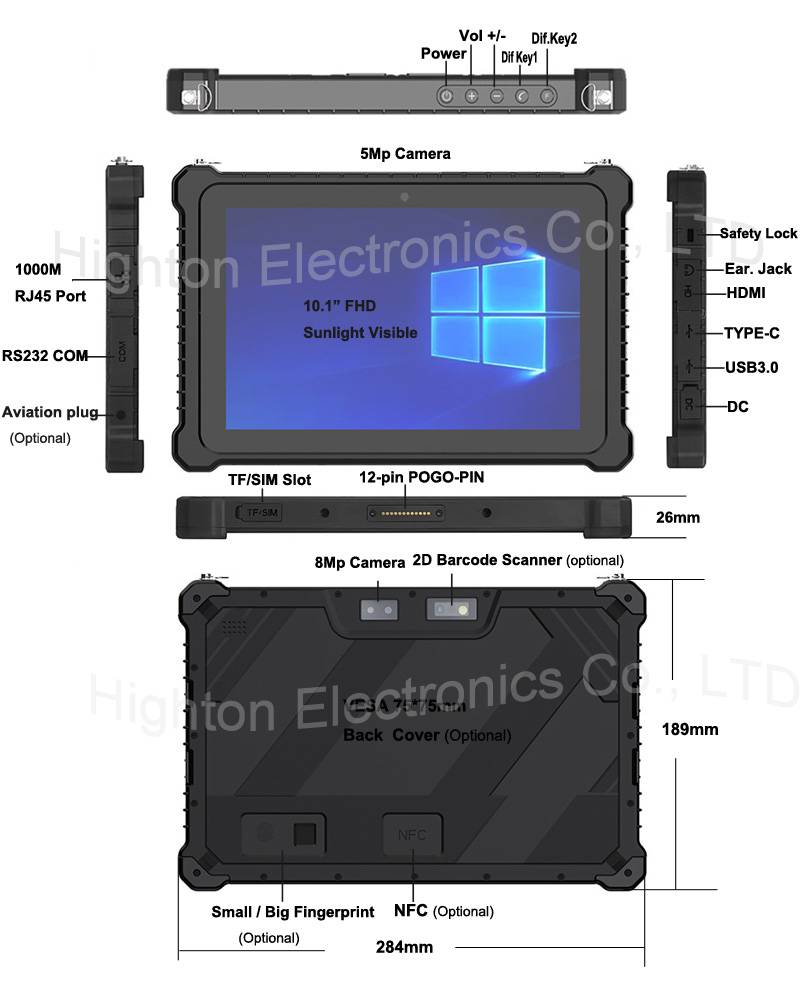
Hot Selling 10 Inch Intel N5100 I5 I7 FHD 8 +128GB 16+256GB Win10 Pro Win11 Pro 4G 5G Rugged Tablet PC Pad with NFC Barcode
Highton Electronics Co., Ltd.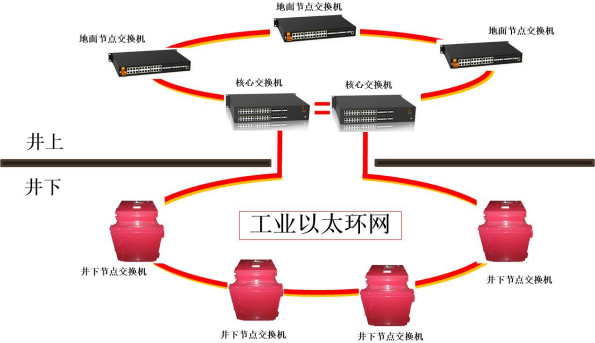
Mine Explosion-proof and Intrinsically Safe Industrial Ethernet Ring Network (10 Gigabit/Gigabit)
Chongqing Mas Sci&Tech Co., Ltd.
TWP16 P-Band Tropospheric Wind Profile Radar
China Huayun Meteorological Technology Group Co., Ltd.

20 Inch 1600*900 Full HD 60Hz TFT LED Monitor with VGA and DP Interfaces for Desktop Computers-Business Use
Guangzhou Zanying Optoelectronics Technology Co., Ltd.

Multi-function Marine Monitoring Low-altitude Detection Radar Sea-air Boundary Ocean Dynamic Environment Measurement
Chengdu Dixin Technology Co., Ltd.