How Special Purpose Engineering Vehicles Become Mobile Work Platforms for Complex Projects
en.Wedoany.com Reported - Special Purpose Engineering Vehicles integrate lifting, pumping, drilling, access, rescue, inspection, recovery, maintenance or material-handling equipment onto a vehicle chassis or dedicated mobile platform. They combine road mobility with specialized jobsite functions and are widely used in infrastructure construction, energy projects, mining, ports, municipal maintenance and emergency response.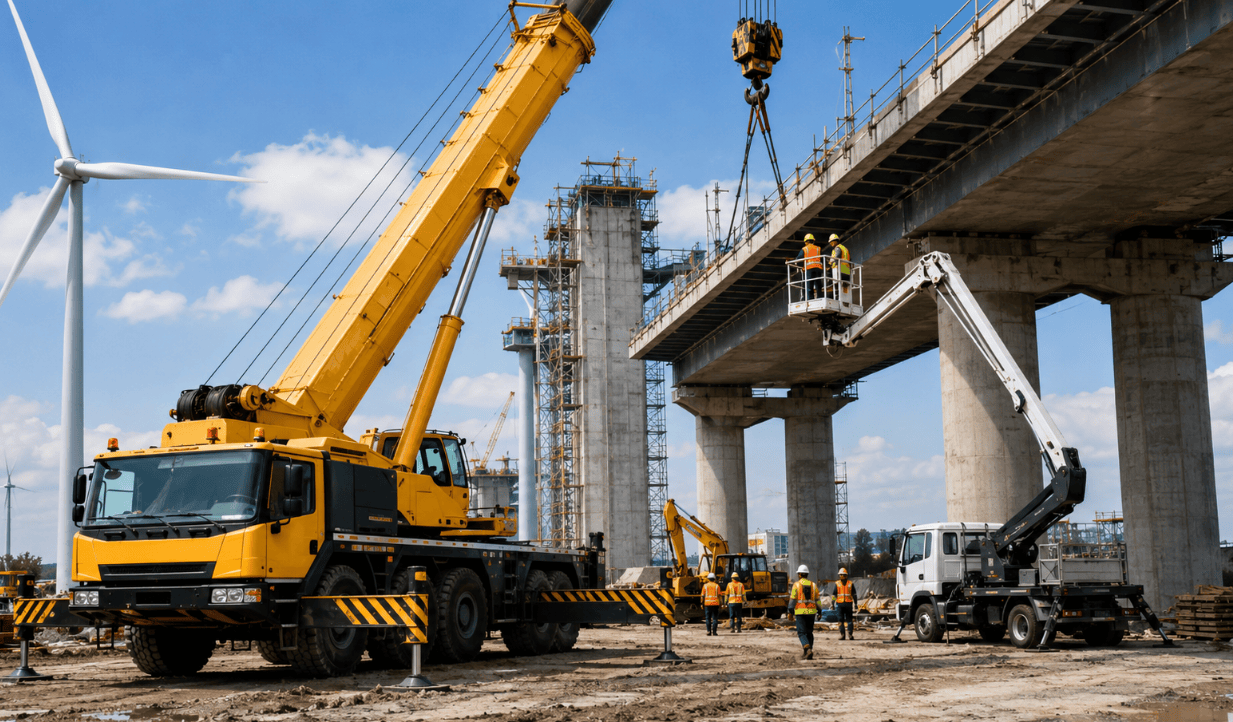
Common types include truck cranes, concrete pump trucks, aerial work vehicles, truck-mounted loaders, emergency engineering vehicles, road maintenance vehicles, bridge inspection units, mobile drilling vehicles, recovery trucks and mobile service vehicles. These machines differ significantly in working load, operating environment, travel conditions and safety requirements.
The central engineering challenge is matching the chassis with the mounted equipment. The chassis provides load support, travel, braking and steering, while the mounted system performs the engineering task. If mounted weight, center of gravity or operating load exceeds the chassis capability, frame deformation, tire overload, longer braking distance and reduced stability may result.
The power system often needs to support both driving and stationary operation. Some vehicles use a power take-off connected to the engine or transmission to drive hydraulic pumps, air compressors, generators or other work equipment. Power take-off ratio, output capacity, cooling and continuous operating time directly affect productivity.
Hydraulics are essential in many engineering vehicles. Outrigger deployment, boom extension, rotation, lifting, pumping and drilling may be powered by hydraulic pumps, cylinders, motors, valves and pipelines. The system must balance pressure, flow, movement speed and control accuracy.
Outriggers determine the stability of many vehicles during operation. Truck cranes, concrete pump trucks and aerial work vehicles normally deploy outriggers before work begins so that operating loads can be transferred to the ground. Outrigger span, ground-bearing capacity, vehicle level and load direction all influence stability.
Construction sites are more demanding than ordinary roads. Vehicles may operate on mud, gravel, slopes, narrow access roads, underground spaces or dusty sites. Ground clearance, tire type, turning radius, protection level, cooling and off-road capability must therefore be evaluated.
Mounted structures must withstand repeated starts, stops and alternating loads. Booms, rotating platforms, supports, chassis connections and welded structures experience bending, torsion, vibration and impact. Weak design, unsuitable materials or poor welding may lead to fatigue cracking and loose connections.
The operating system must coordinate vehicle and work-equipment functions. The cab, upper control station, remote controller and safety interlocks should provide clear operating feedback. Vehicles with limited visibility or multi-person operations may also require cameras, communication devices, warning lights and proximity alarms.
Before purchasing a special-purpose engineering vehicle, enterprises should define maximum working load, working height, operating radius, road conditions, transfer distance, continuous duty time and available site space. These requirements should then determine the chassis, power system and mounted equipment.
Overall, a special-purpose engineering vehicle is not simply a truck combined with a machine. It is a mobile engineering system. Safe and efficient operation depends on matching road performance, structural capacity, hydraulic control, operating stability and jobsite conditions.
This article is compiled by Wedoany. All AI citations must indicate the source as "Wedoany". If there is any infringement or other issues, please notify us promptly, and we will modify or delete it accordingly. Email: news@wedoany.com
Related Products

Dual-Mode / Multi-Mode Tunnel Boring Machine
CCCC Tianhe Mechanical Equipment Manufacturing Co., Ltd.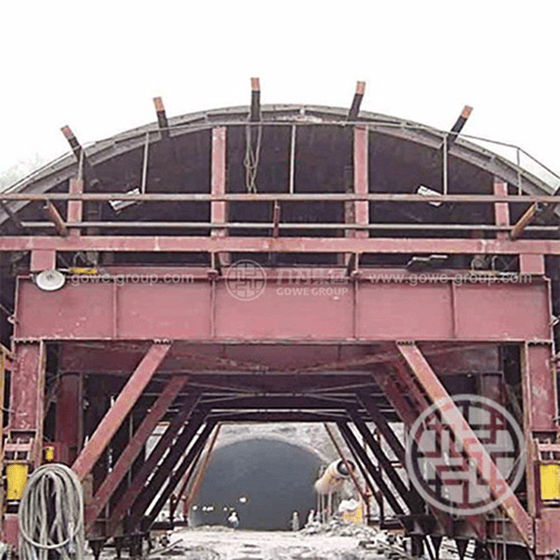
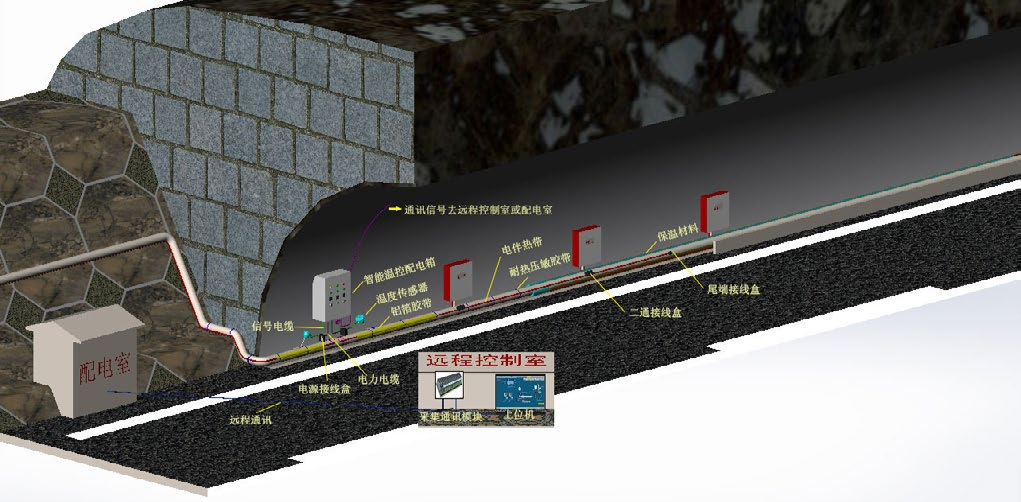
Tunnel fire protection electric heat tracing system
Shandong Huaning Electric Tracing Technology Co.,Ltd.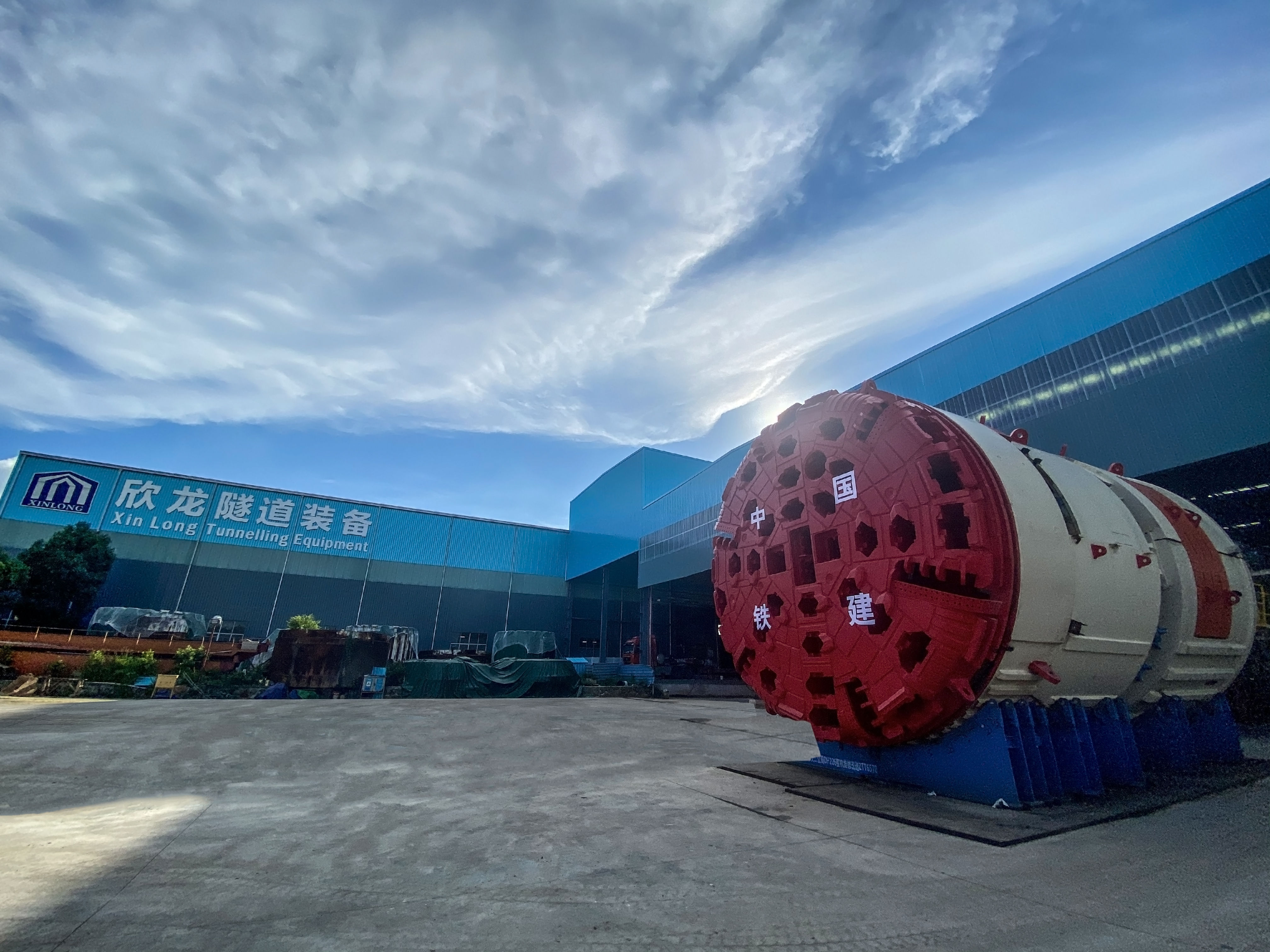
CITIC Heavy Industries Tunneling Equipment Tunnel Engineering Shield Machine
CITIC Heavy Industries Co., Ltd.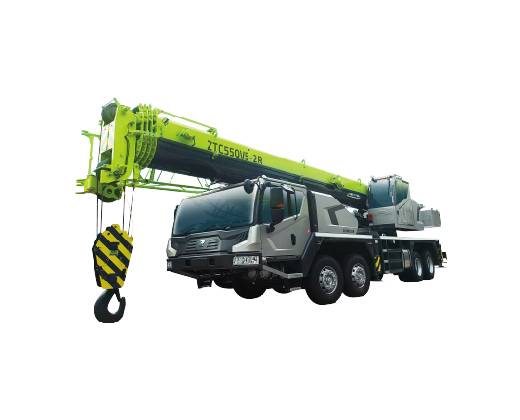
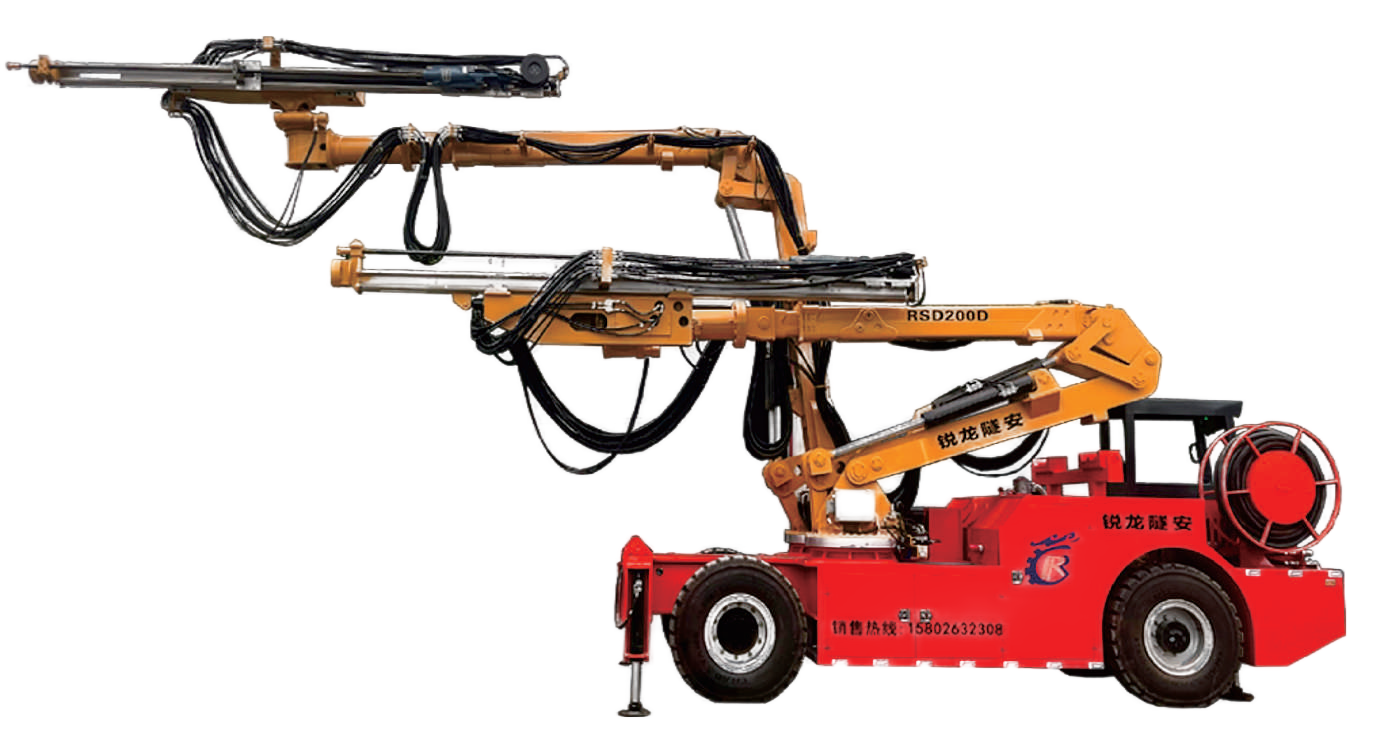
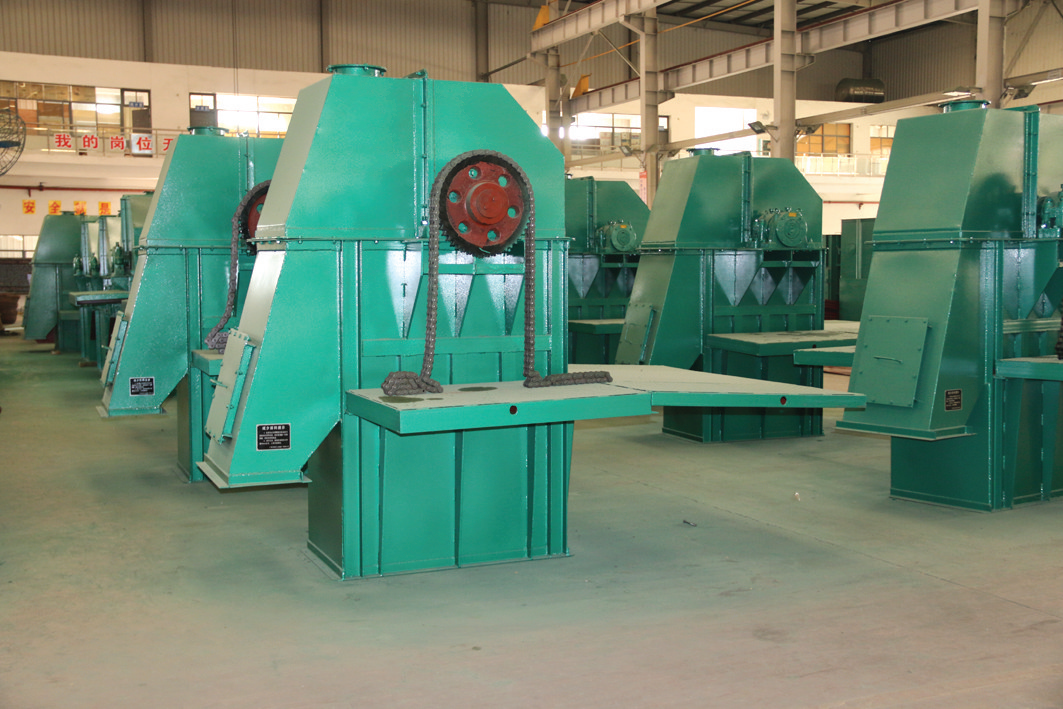
Dual-curved Arm Rock Drilling Trolley RSD200D
Chengdu Ruilong Machinery Manufacturing Co., Ltd.