Selection of Special Purpose Engineering Vehicles Must Begin with Real Jobsite Requirements
en.Wedoany.com Reported - Special Purpose Engineering Vehicles include many equipment types and configurations. Even vehicles within the same category may differ significantly in capacity, working height, operating radius, chassis arrangement and mounted-equipment performance. Selection based only on engine power, maximum capacity or purchase price may not reflect real jobsite suitability.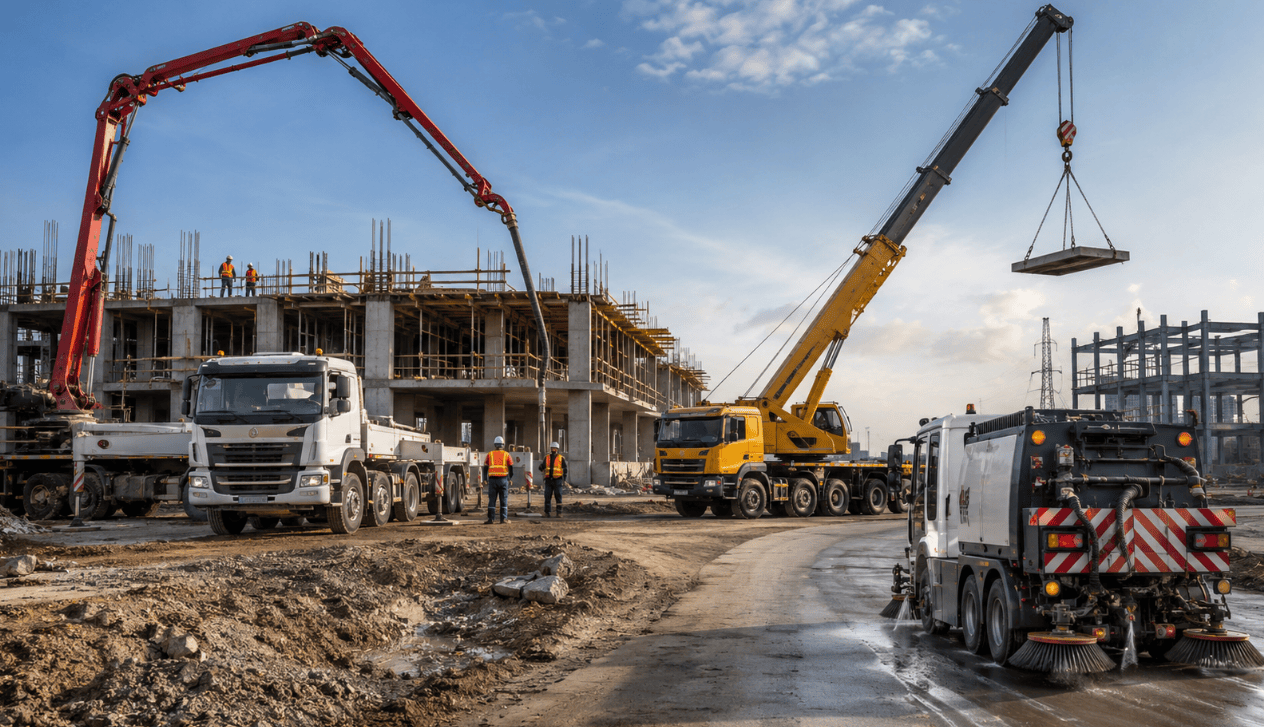
The process should begin by defining the primary task. Lifting vehicles require evaluation of lifting capacity, working radius and boom length. Aerial work vehicles require platform height, horizontal outreach and platform capacity. Concrete pump trucks require assessment of vertical reach, horizontal reach, pumping pressure and concrete delivery rate.
Maximum ratings do not represent performance under every operating condition. Crane capacity changes with working radius and boom configuration, while aerial-platform capacity may vary when the boom is fully extended. Buyers should review complete load charts instead of relying only on the highest advertised value.
Chassis selection depends on road and site conditions. Urban construction prioritizes vehicle dimensions, turning radius and emissions performance. Mining and large energy projects may require stronger drive systems, climbing ability, ground clearance and frame strength. Underground projects may impose strict vehicle-height and exhaust restrictions.
Axle loading and gross vehicle weight affect access. Large mounted systems can increase total weight and create restrictions related to bridges, road permits and jobsite ground strength. Transfer routes should therefore be evaluated before procurement.
The center of gravity must be coordinated between the chassis and mounted system. Elevated water tanks, booms, work platforms and equipment compartments may raise the vehicle center of gravity and increase risk during cornering or slope travel. Load distribution should remain balanced under both travel and working conditions.
Continuous-duty capability should match project requirements. Some equipment can operate at maximum load only for limited periods. Projects involving extended pumping, drilling, lifting or mobile power generation need to assess hydraulic oil temperature, engine cooling, fuel capacity and equipment heat dissipation.
Maintenance conditions also influence selection. Special-purpose vehicles often work in remote locations where the failure of a hydraulic component, control module or dedicated part may create significant downtime. Parts availability, maintenance access and local technical support should be included in the purchasing decision.
Attachments determine functional flexibility. Truck-mounted cranes may use grabs, work baskets or specialized lifting tools. Road maintenance vehicles may use sweeping, spraying or repair modules. Emergency vehicles may integrate power generation, pumping, lighting and rescue equipment. Standardized interfaces can improve vehicle utilization.
Climate and environmental conditions must also be considered. Cold regions require suitable hydraulic fluids, starting systems and freeze protection. Hot regions require stronger cooling, while coastal or chemical sites need corrosion-resistant materials and surface protection.
Operator capability should match equipment complexity. Advanced automation can simplify some tasks, but personnel still need to understand load limits, outrigger conditions, hydraulic systems and emergency procedures. Training is required to obtain the full value of the equipment.
Enterprises can prepare a duty-condition sheet covering transport distance, operating cycle, road conditions, working load, energy supply, personnel capability and maintenance resources before selecting a vehicle.
The best special-purpose engineering vehicle is not necessarily the machine with the largest specification. It is the mobile work platform that best matches the real task. Long-term value depends on balancing capacity, site conditions, productivity and maintenance.
This article is compiled by Wedoany. All AI citations must indicate the source as "Wedoany". If there is any infringement or other issues, please notify us promptly, and we will modify or delete it accordingly. Email: news@wedoany.com
Related Products
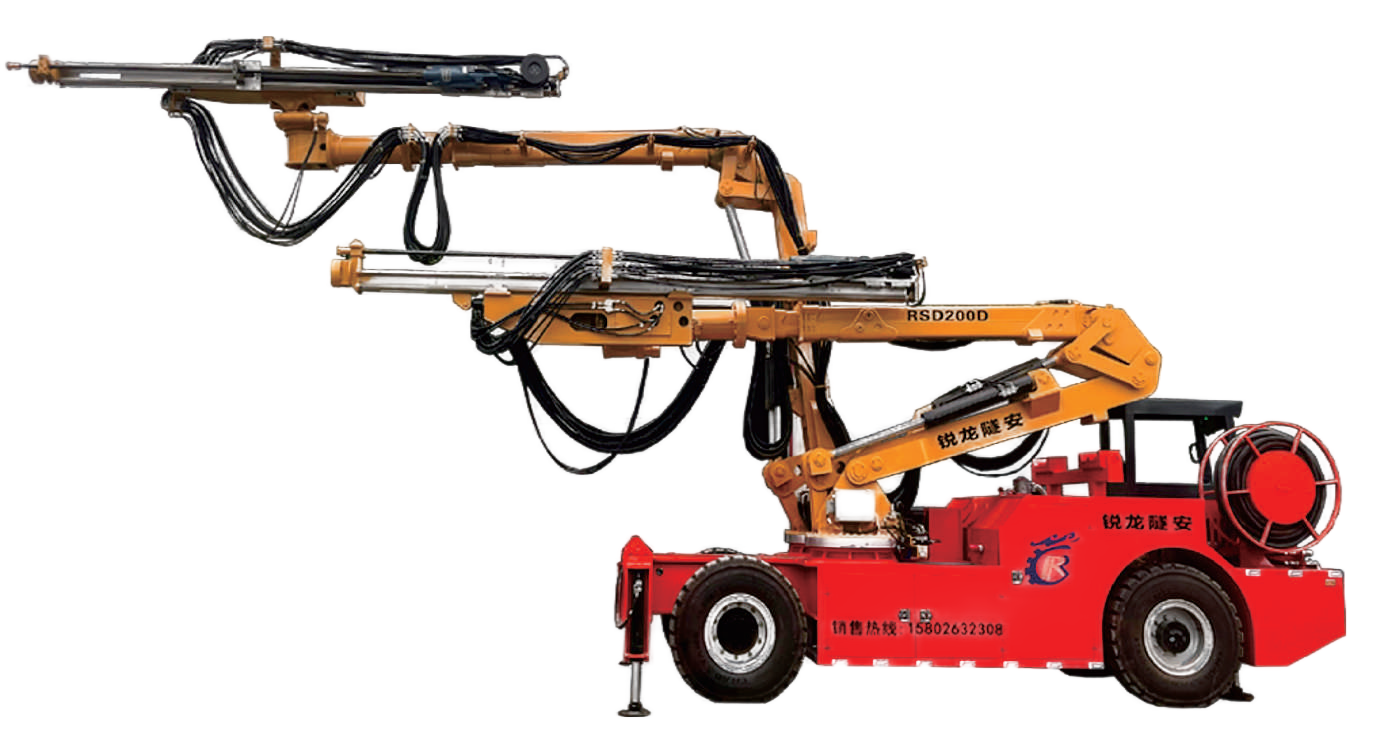

Dual-curved Arm Rock Drilling Trolley RSD200D
Chengdu Ruilong Machinery Manufacturing Co., Ltd.
CITIC Heavy Industries Tunneling Equipment Tunnel Engineering Shield Machine
CITIC Heavy Industries Co., Ltd.
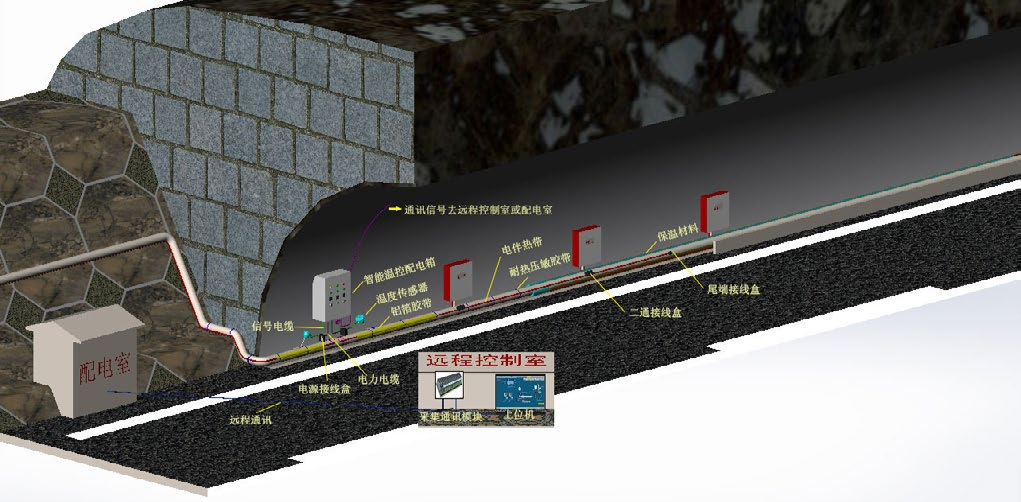
Tunnel fire protection electric heat tracing system
Shandong Huaning Electric Tracing Technology Co.,Ltd.
Dual-Mode / Multi-Mode Tunnel Boring Machine
CCCC Tianhe Mechanical Equipment Manufacturing Co., Ltd.