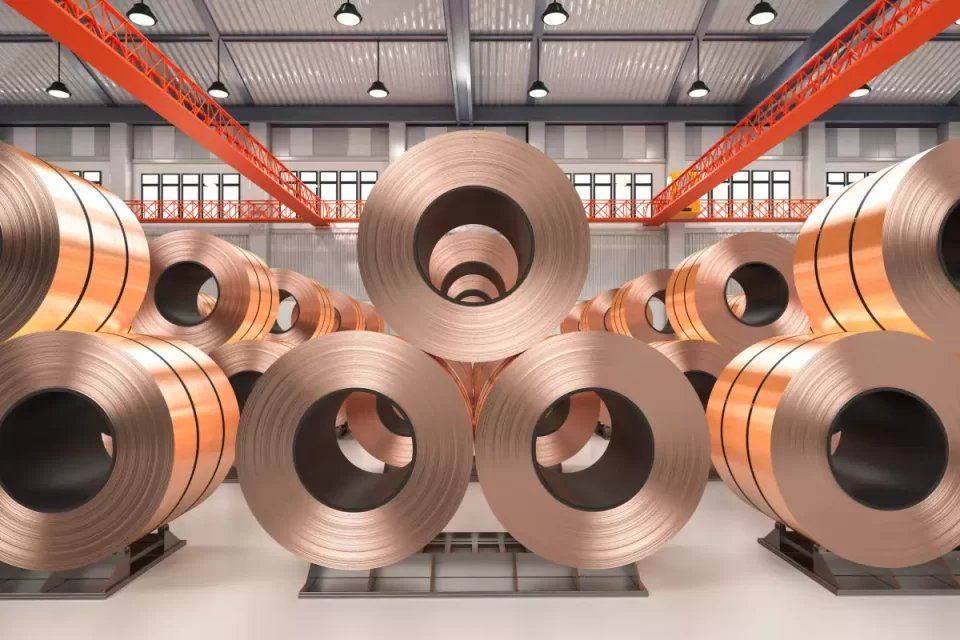
en.Wedoany.com Reported - The transition toward lower-emission steel production is changing the design basis of complete metallurgical plants. Earlier efficiency programmes often focused on higher hot-blast temperature, waste-heat recovery, combustion improvement, efficient motors, and reduced equipment idling. New projects increasingly evaluate deeper changes to the production route.
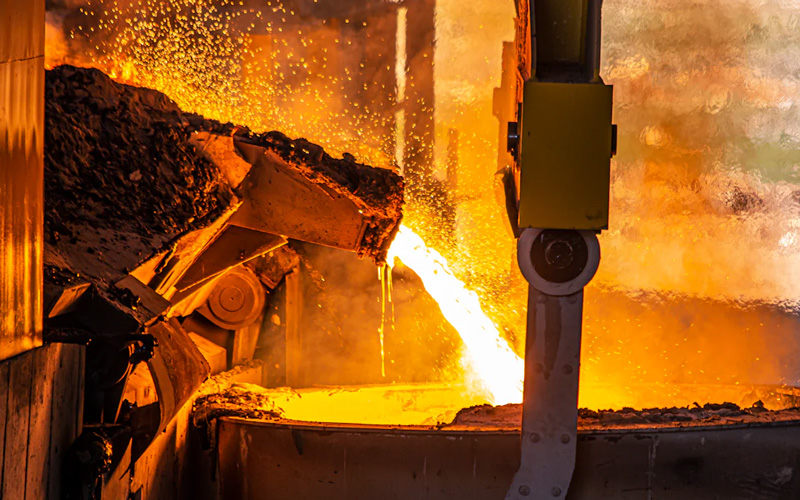
Metallurgical Complete Equipment for future steel plants may combine blast-furnace improvement, direct reduction, electric steelmaking, hydrogen use, increased scrap recycling, energy recovery, and carbon-management systems.
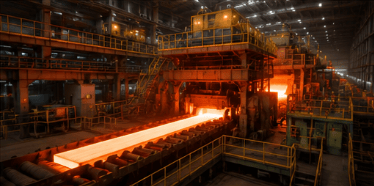
Existing blast-furnace and basic-oxygen-furnace plants are likely to use multiple measures rather than one single technology. Higher scrap use, improved burden preparation, better furnace-gas utilization, hydrogen-rich tuyere injection, gas recovery, waste-heat use, and advanced process control can form part of a staged modernization strategy.
Direct-reduction and electric-arc-furnace routes separate ore reduction from melting and refining. A direct-reduction plant produces direct-reduced iron or hot-briquetted iron, which is then melted in an EAF. The emissions performance of this route depends on the source of reducing gas, electricity generation, pellet quality, plant efficiency, and downstream processing.
When low-emission hydrogen and electricity are available, hydrogen-based direct reduction has the potential to reduce dependence on fossil carbon. However, it also creates new requirements for hydrogen production, storage and distribution, high-quality iron-ore pellets, electrical infrastructure, safety systems, and hot-material transport.
Scrap-based electric steelmaking can increase material circularity, but scrap quality is not uniform. Residual elements, coatings, contamination, and supply variability can limit the range of steel grades that can be produced. Complete plants may therefore require improved scrap sorting, preheating, continuous charging, secondary metallurgy, and chemical-control systems.
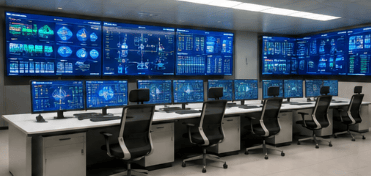
Decarbonization also changes the plant utility concept. Traditional integrated works contain networks based on process gases, steam, and recovered heat. Large EAFs and hydrogen-based reduction plants require greater electrical and hydrogen capacity. Substations, reactive-power compensation, storage, oxygen plants, hydrogen systems, pipelines, and safety monitoring may become central parts of the metallurgical project.
The transition cannot be planned by equipment suppliers or steelmakers alone. Raw-material producers, electricity and hydrogen providers, technology companies, policymakers, and research organizations must coordinate standards, infrastructure, investment, and operating experience.
There is no universal low-carbon route for every steel plant. Existing asset condition, local power mix, scrap availability, ore quality, product requirements, and investment capacity will determine the most practical combination.
Future-ready metallurgical equipment must therefore support staged modernization. Plants should be able to improve current operations while preserving the possibility of adopting new metallic feeds, energy carriers, and process technologies over time.
This article is compiled by Wedoany. All AI citations must indicate the source as "Wedoany". If there is any infringement or other issues, please notify us promptly, and we will modify or delete it accordingly. Email: news@wedoany.com