Codelco's El Teniente Division Tests AI Robot to Remove Uncrushable Materials
en.Wedoany.com Reported - Codelco's El Teniente Division is testing a technological system that combines artificial intelligence, cameras, and remotely controlled robotic arms to detect and remove uncrushable materials from conveyor belts, aiming to reduce worker exposure to high-risk tasks and ensure the continuous operation of the crushing process.
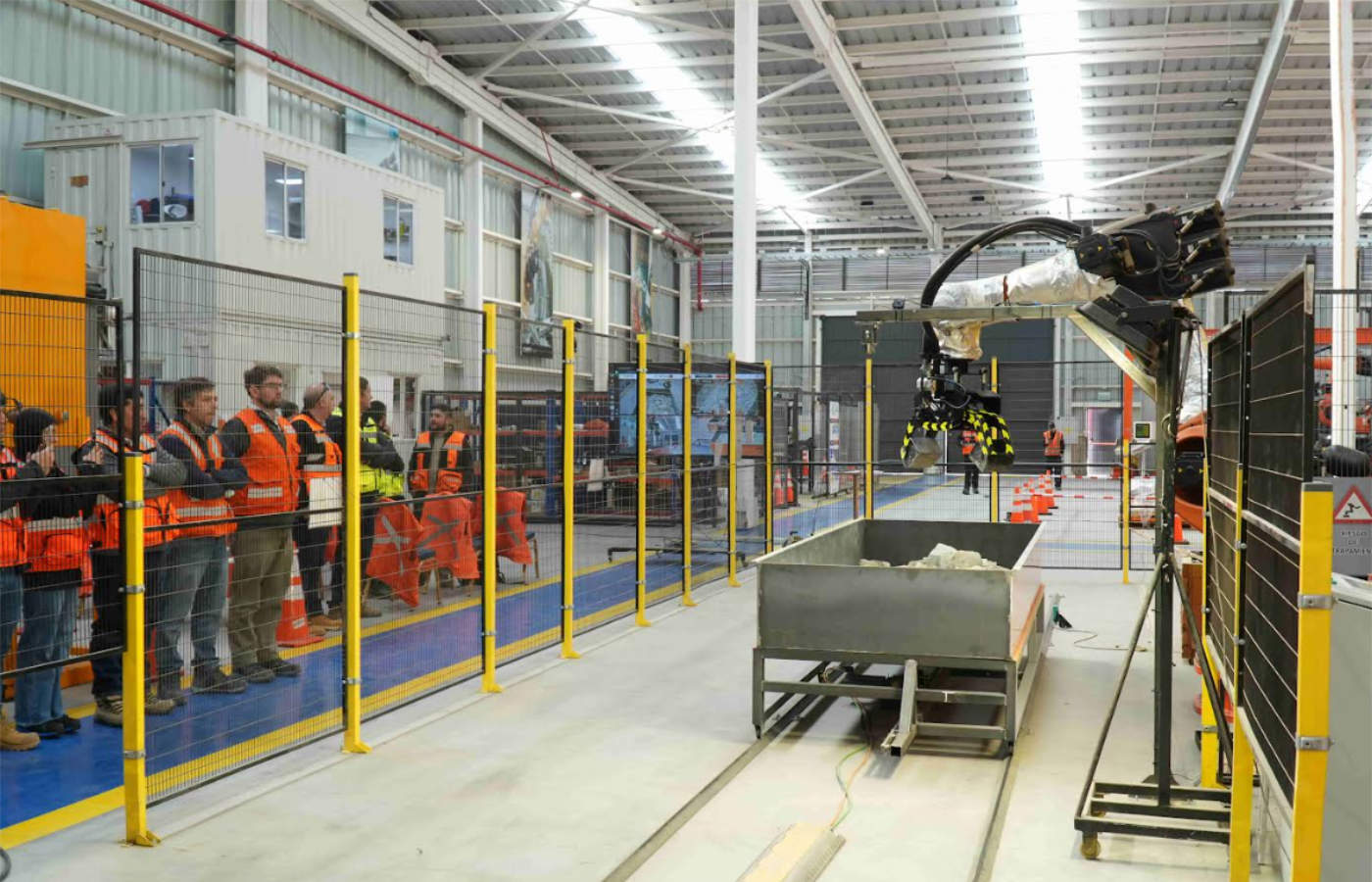
This pilot test is being conducted under an agreement promoted by El Teniente's Innovation Department and Codelco's Corporate Innovation and Technology Management (Gerencia Corporativa de Innovación y Tecnología), with the participation of the Chuquicamata Division. Currently, tests are being carried out at the MIRS company laboratory in Santiago, using real data, ore, and materials from El Teniente. The goal is to evaluate a solution capable of identifying and removing materials such as wood, rubber, wires, or screens mixed in with mining rocks.
The project primarily targets the secondary and tertiary crushing stages of the Conventional Grinding Superintendence (Superintendencia de Molienda Convencional). Currently, operators must stop and lock out the conveyor belt to manually remove these materials, a process that not only directly exposes them to operational risks but also causes production line downtime. Matías Pastén, an engineer in El Teniente's Innovation Department, stated that the need arises from an increase in industrial solid waste (RISES) in the process, with the focus on eliminating risk exposure through a remotely controlled waste removal system, preventing workers from entering the conveyor belt area to perform tasks. Carlos Liberona, head of El Teniente's SAG Plant Department, noted that the initiative stems from a recurring problem: approximately 50 tons of waste are removed monthly, in addition to crusher damage incidents caused by the failure to detect these materials in time.
The system detects uncrushable materials by installing cameras and artificial intelligence technology above the conveyor belt, identifying and classifying them based on their characteristics and associated risks. This data is then integrated into a robotic arm equipped with specially designed tools to enable safe and efficient material extraction. Consuelo Figueroa, head of El Teniente's Secondary Crushing Department, emphasized that the use of artificial intelligence opens new possibilities for operations. She stated that while automated processes currently exist, this type of AI has not yet been applied in this division or process, and in the future, this technology could be extended to other areas requiring the detection of uncrushable materials.
After the pilot test is completed, the next step will be to advance to on-site industrial trials to evaluate the system's performance under real operating conditions. The project will subsequently require assessing infrastructure modifications, robotic arm integration, and verifying its operational effectiveness together with operations and maintenance teams.
This article is compiled by Wedoany. All AI citations must indicate the source as "Wedoany". If there is any infringement or other issues, please notify us promptly, and we will modify or delete it accordingly. Email: news@wedoany.com
Related Products

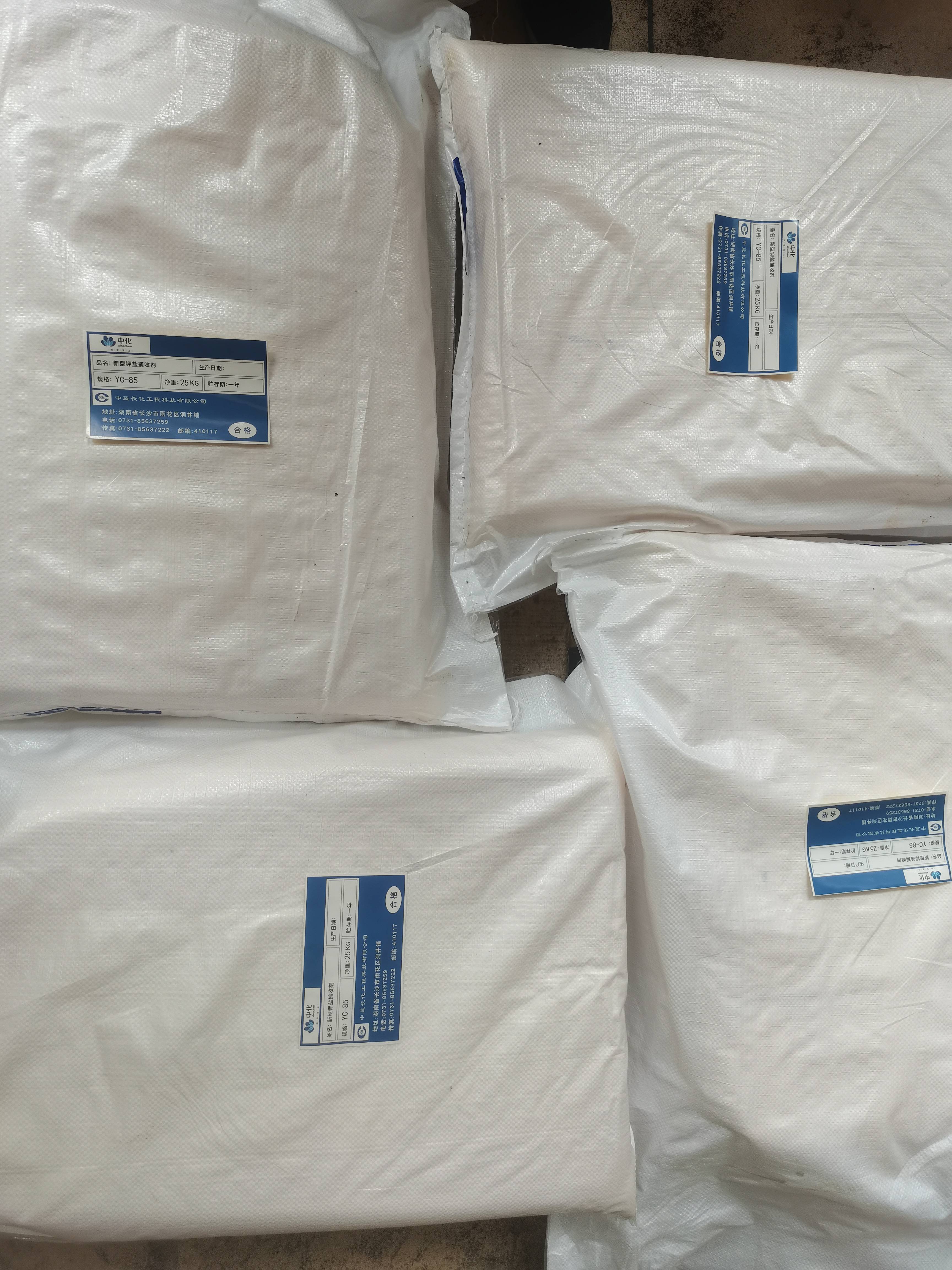
New Environmentally Friendly Green Potassium Salt Collector
Chonfar Engineering and Technology Co., Ltd.
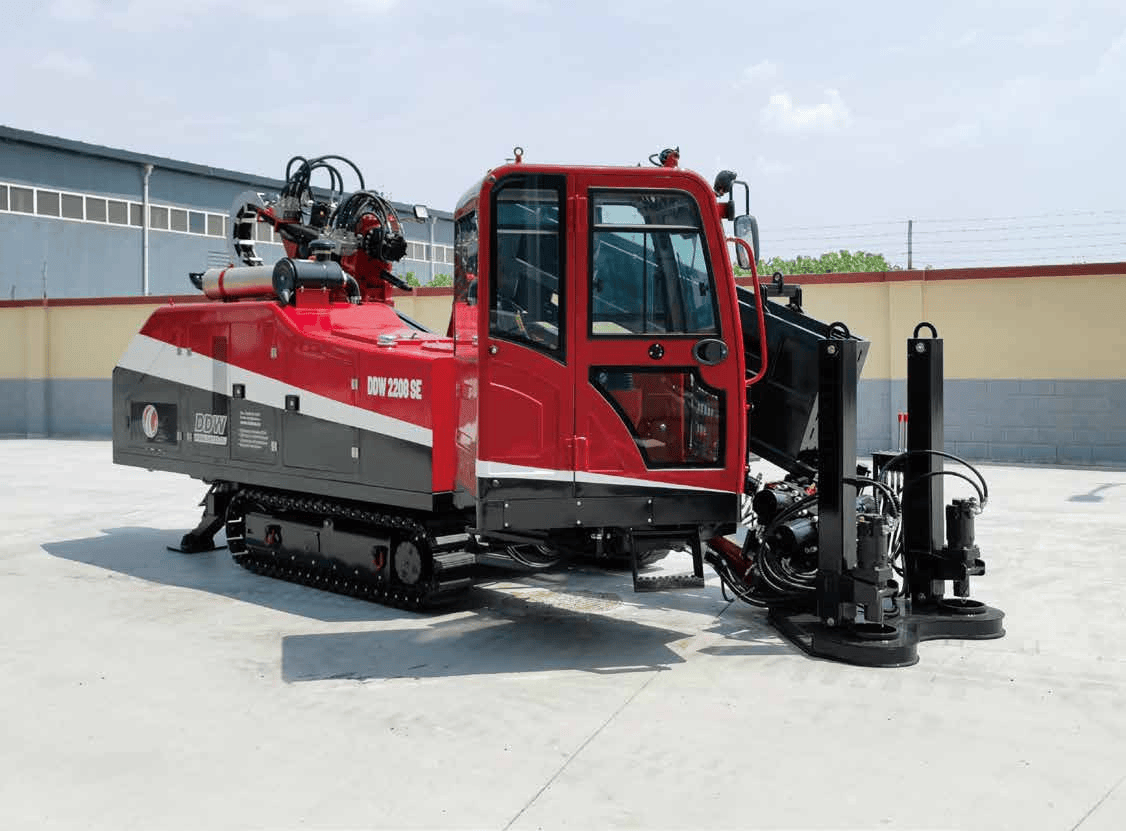
DDW22/08SE-HORIZONTAL DIRECTIONAL DRILL
DW/TXS Construction Equipment (Beijing) Co., Ltd.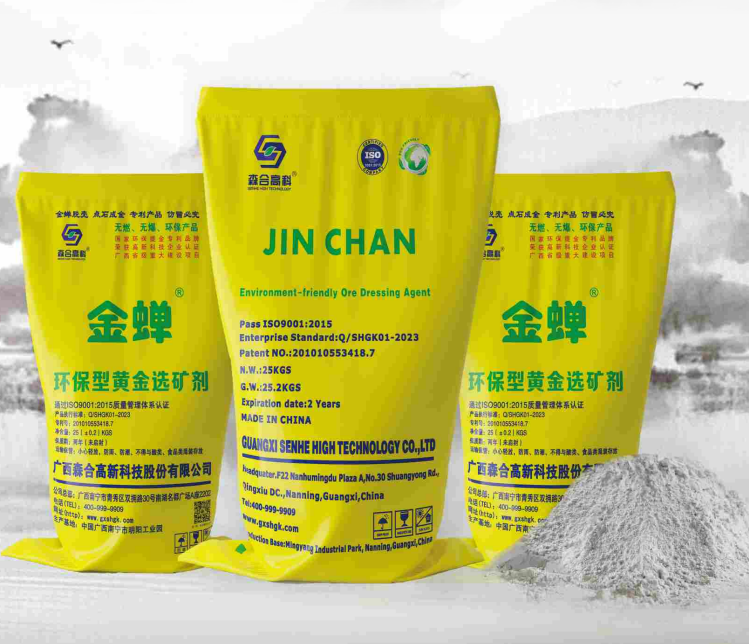
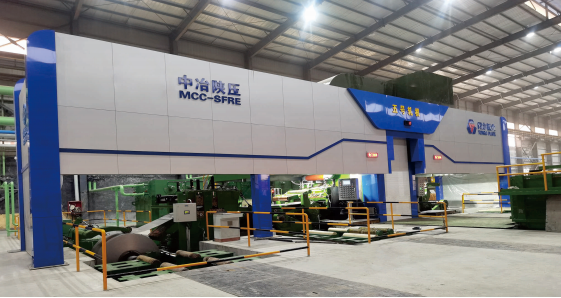
1050-1750mm Steel Strip Single-stand Reversible Cold Rolling Production Line
MCC-SFRE HEAVY INDUSTRY EQUIPMENT CO., LTD.
Linyi Steel Investment Special Steel 2.7 Million Tons per Year High-quality Special Steel Project
Capital Engineering & Research Incorporation Limited

Mine Explosion-proof and Intrinsically Safe Industrial Ethernet Ring Network (10 Gigabit/Gigabit)
Chongqing Mas Sci&Tech Co., Ltd.