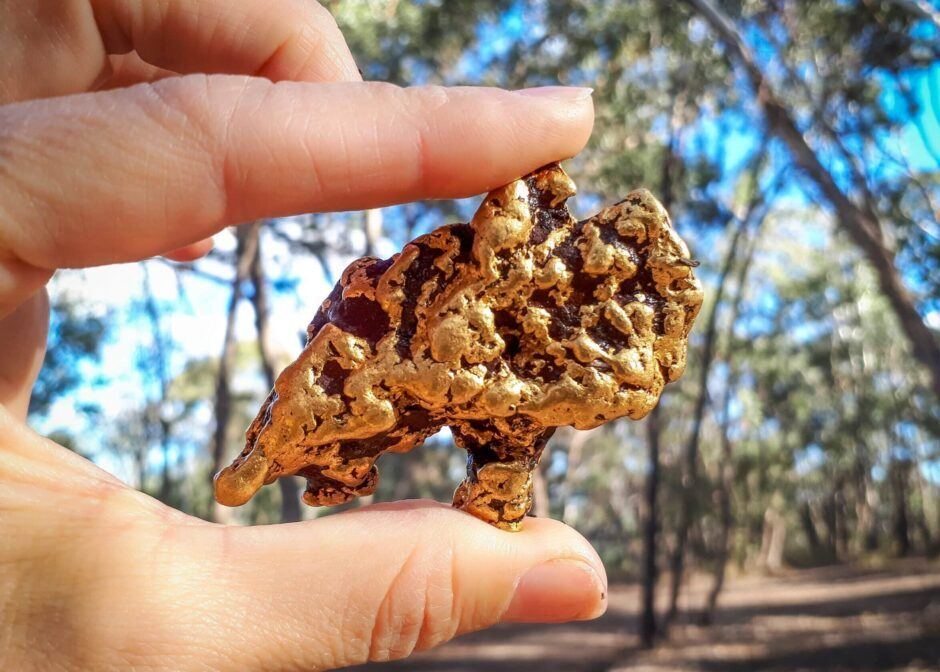
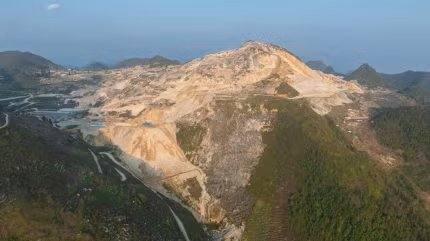
Brazil's Vale Proposes Mining Output of R$535 Billion by 2035
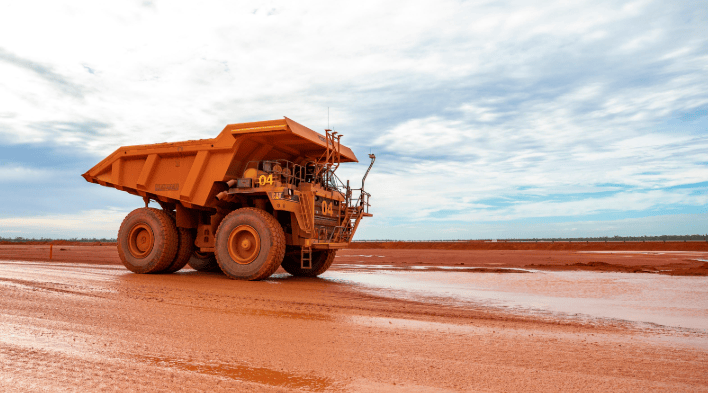
en.Wedoany.com Reported - Focused on expanding Brazil's mining sector, Vale and Accenture released a report titled "Unlocking Brazil's Mining Potential" on August 18, proposing 15 policy measures to be advanced jointly by the government and enterprises. Under a scenario where the relevant conditions are implemented, Brazil's annual mining output is expected to grow from approximately R$300 billion currently to R$535 billion by 2035.
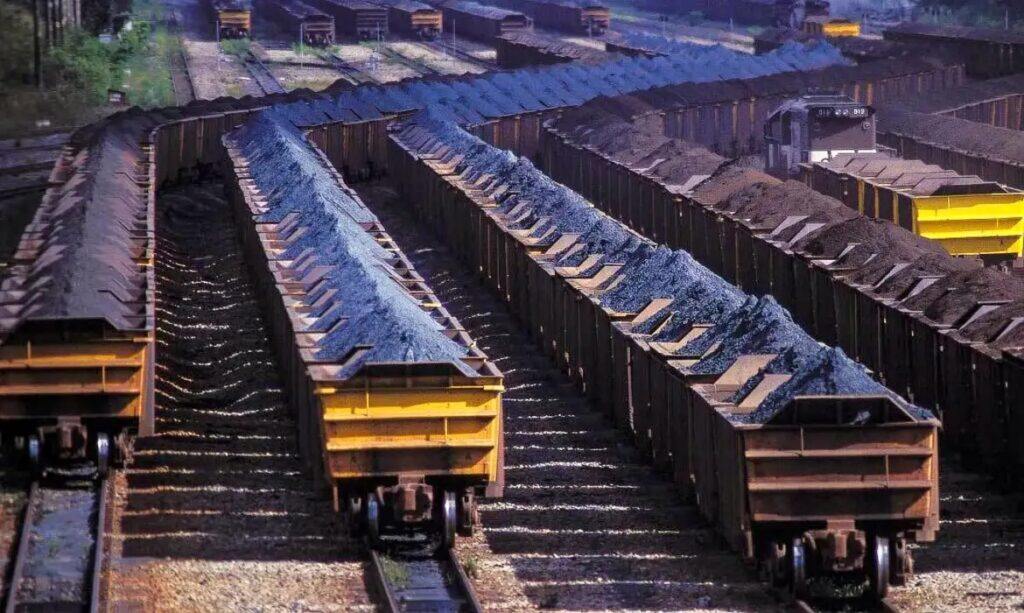
According to the report's estimates, from 2026 to 2035, cumulative tax revenue from Brazil's mining industry chain is expected to reach approximately R$1.3 trillion, higher than the roughly R$743 billion recorded over the past decade; direct, indirect, and consumption-driven employment is projected to increase from approximately 3 million jobs currently to 5.3 million.
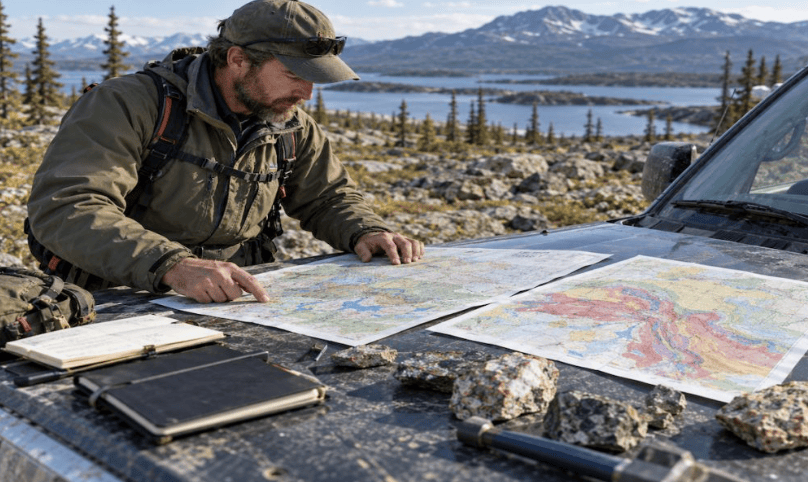
The 15 measures are divided into four pillars: mining licensing and foundational conditions, mining industry chain integration, business environment and institutional safeguards, and shared social and environmental value. Among them, licensing and foundational conditions involve unifying the environmental licensing process, strengthening the review capacity of environmental and indigenous affairs agencies, streamlining mining rights approvals, and promoting collaboration between the Geological Survey of Brazil and mining companies on geological mapping.
Recommendations related to the industry chain include developing a master plan for mining infrastructure, improving energy supply conditions for low-carbon mining projects, and expanding mineral processing and deep-processing capacity through policy instruments. The institutional development section proposes implementing a national policy for critical and strategic minerals, refining rules for the protection of natural caves, updating safety regulatory frameworks for tailings and waste rock, and strengthening the administrative capacity of Brazil's National Mining Agency.
Vale believes that insufficient basic geological data is a key factor constraining exploration investment in the country. Currently, only about 28% of Brazil's territory has been mapped at a 1:100,000 scale, while the country holds significant reserves of resources such as niobium, rare earths, graphite, iron ore, manganese, tin, and nickel. The report also identifies electrification, artificial intelligence and data centers, industrial decarbonization, resource security, fertilizer supply, and urban mining as key drivers of future mineral demand.
This policy proposal will be submitted to candidates running in Brazil's 2026 presidential election. The R$535 billion output figure and related tax and employment indicators are part of the growth scenario set out in the report and have not yet been converted into binding government industrial targets.
Related Products


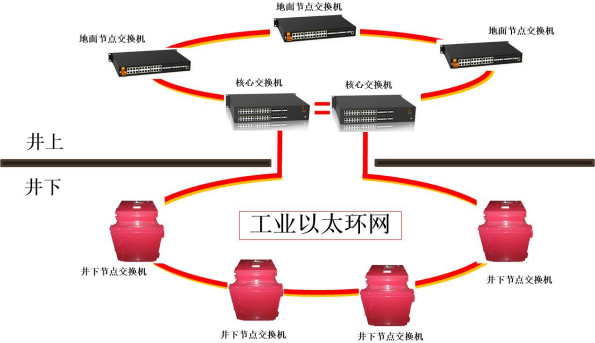
Mine Explosion-proof and Intrinsically Safe Industrial Ethernet Ring Network (10 Gigabit/Gigabit)
Chongqing Mas Sci&Tech Co., Ltd.

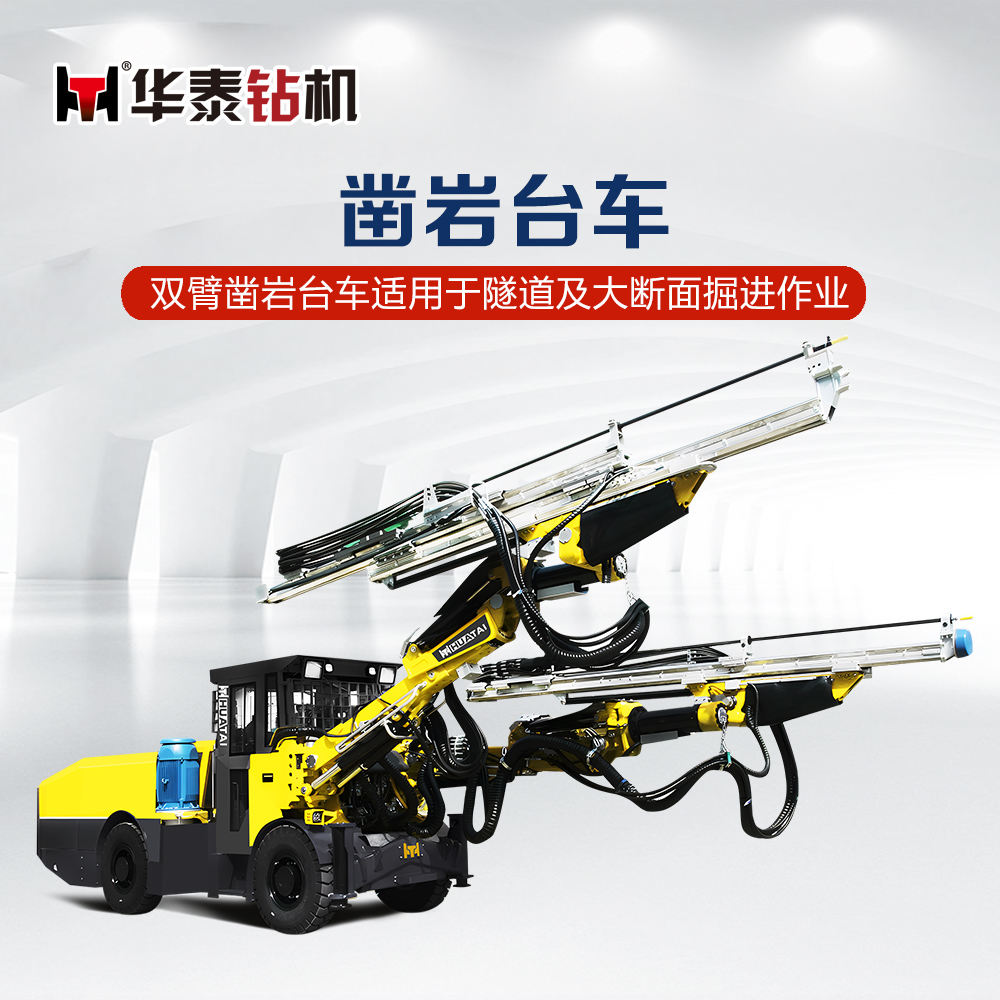
CYTJ45/2 Mining Hydraulic Tunneling Drill Rig
Zhangjiakou Xuanhua Huatai Mining and Metallurgical Machinery Co., Ltd.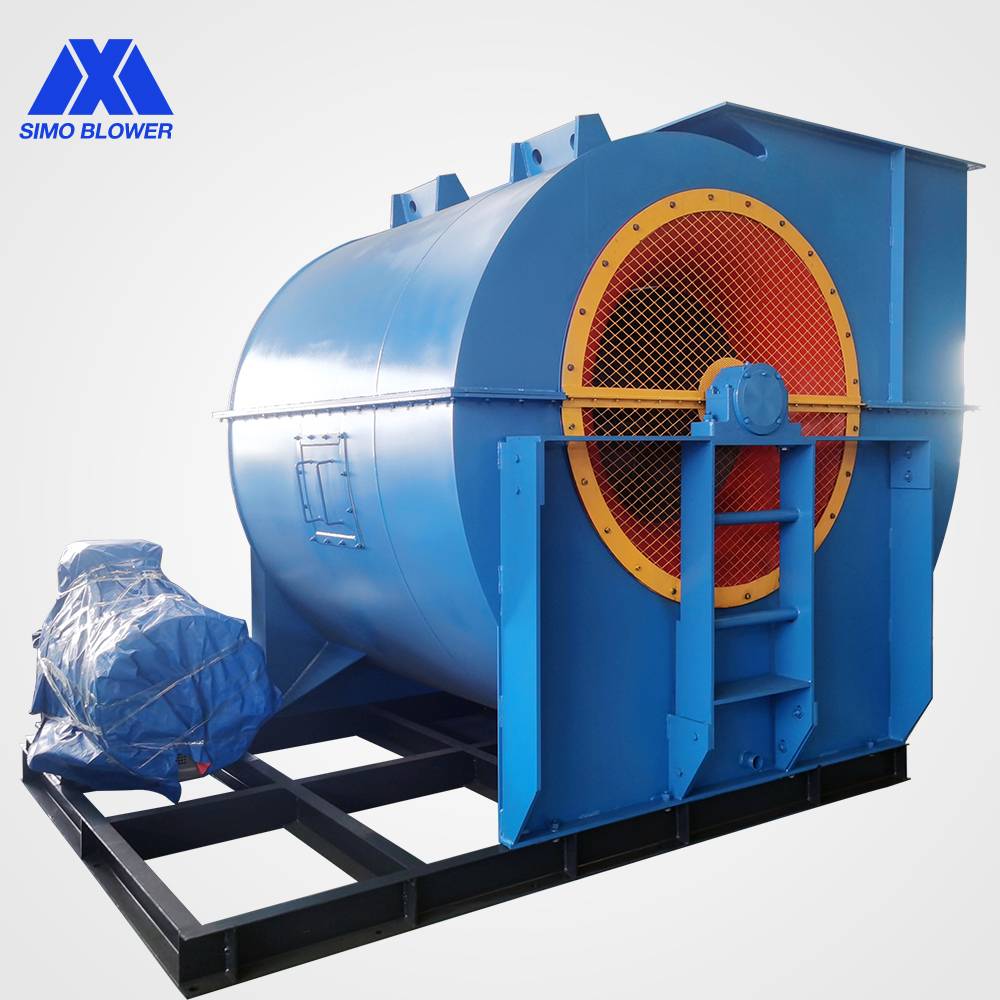
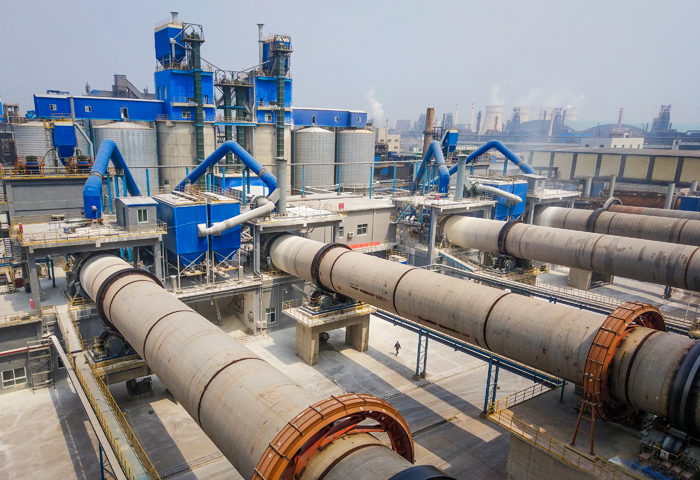
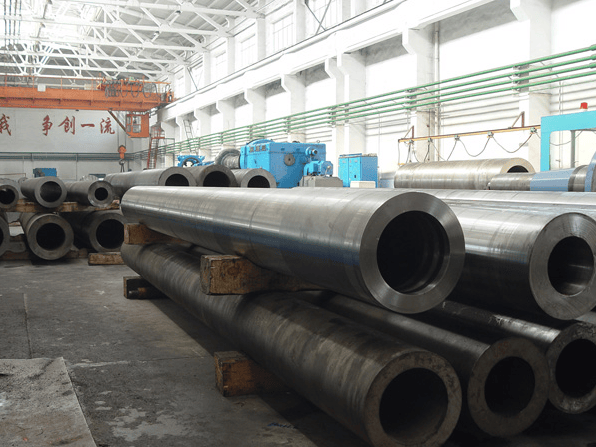
CITIC Heavy Industries Metallurgical Equipment Steel Smelting Engineering Equipment
CITIC Heavy Industries Co., Ltd.