IEA: Demand Flexibility Can Enhance Energy Security by 2035
en.Wedoany.com Reported - A new report from the International Energy Agency (IEA) indicates that by 2035, demand flexibility and energy efficiency can increasingly enhance energy security, affordability, and resilience.
With global electricity demand accelerating, the IEA states in its report "Scaling up Demand Flexibility" that managing when and where electricity is used is becoming as important as managing how much is generated. According to the IEA's Stated Policies Scenario (STEPS), global demand for short-term flexibility is expected to increase by 2 to 7 times by 2035.
The electrification of transport, heating, cooling, industry, and digital infrastructure is driving rapid growth in electricity demand. The report notes that while low-emission sources could provide about half of global electricity generation by 2030, global electricity demand could double by 2035, increasing the need for power system flexibility.
Traditional power systems are designed on the principle of "supply following demand," but digitalization, connected technologies, and new market arrangements are increasingly enabling electricity demand itself to respond to system conditions. Demand flexibility helps maintain reliability, reduce costs, integrate renewable energy, and defer infrastructure investments. The IEA states that while traditional supply-side responses remain important for supply security, they are slow to deploy and capital-intensive; demand flexibility offers a complementary approach that can be mobilized more quickly and scaled up gradually.
The recent energy crisis has highlighted the importance of demand-side measures. In 2026, disruptions to nearly 20% of global liquefied natural gas trade caused natural gas prices to surge by about 50%, demonstrating the risks of relying solely on fuel-based flexibility. The report argues that demand flexibility and energy efficiency can enhance energy security, affordability, and resilience.
The report examines three representative case studies at different stages of power system development: South Africa in 2025, Thailand in 2030, and Ireland in 2035. Together, they illustrate how electricity demand can evolve from passive consumption to an active system resource.
The IEA states that demand flexibility is already reducing the cost of managing peak electricity demand and improving system reliability. Looking ahead, accelerated electrification, digitalization, and artificial intelligence could transform demand flexibility from an infrequently used reliability measure into a routine operational capability supporting daily system optimization. Flexibility opportunities are concentrated in specific end-uses, with electric vehicles, heating systems, industrial processes, and digitally connected devices identified as key future flexibility resources. Scaling up demand flexibility requires broader deployment of smart technologies, including smart meters, energy management systems, aggregation platforms, connected devices, and AI analytics. Interoperability, consumer engagement, and cybersecurity will become important as systems increasingly rely on digitally connected demand-side resources.
The South Africa case shows that demand flexibility measures have already avoided about 1.5 GW of peak demand, representing 5% of annual peak demand. During high-demand periods, peak generation demand is reduced by up to 20%, and although peak generation accounts for only about 1.4% of annual electricity generation, it represents about 14% of total system operating costs, meaning targeted peak shaving can yield significant savings. Demand flexibility programs targeting large energy users have helped alleviate emergency load shedding through limited operations, supporting economic activity. Equipping smart controls on hot water systems for 10% of South African households could unlock an additional 600 MW of peak demand reduction capacity, a resource that needs only occasional activation to reduce consumer disruption and enhance system reliability.
The Thailand case represents a transition toward broader market-based flexibility. By 2030, industrial flexibility could reduce national peak demand by up to 13%. This will help manage growing cooling electricity demand, where currently each 1°C temperature increase adds about 1 GW to national peak demand. Demand flexibility can free up to 15% of transmission capacity on many corridors, although increased flows on certain lines highlight the need for coordination when activating flexibility resources. Less energy-intensive industries can play a central role; machinery, food processing, tobacco, and textiles account for about half of industrial electricity demand, and through load shifting and peak shaving, they can provide over 70% of industrial flexibility potential. About 2.7 TWh of cooling and hot water demand in residential and commercial buildings can be shifted, but adoption will depend on regulatory frameworks, market incentives, enabling technologies, and consumer confidence.
The Ireland case represents a long-term vision for a highly digitalized and electrified power system. Achieving national policy targets could double electricity demand by 2035, with about 85% of the growth coming from transport and heating. Heating demand could more than triple, while transport demand could grow from near zero to nearly one-fifth of total electricity demand. Active deployment of flexibility technologies could reduce total energy system costs by up to 10%, decrease fossil fuel dispatch, reduce renewable energy curtailment, and enhance energy security by reducing exposure to volatile fuel prices. Heat pumps with demand response capability could enable heating electrification for about 170,000 additional homes without immediate grid reinforcement, equivalent to nearly half of Ireland's current residential retrofit target. By 2035, about 88% of generation could come from renewables, generating significant renewable energy surplus output requiring both short-term and long-term flexibility. In terms of digital technology, Ireland needs to increase the number of smart EV chargers by 11 times to about 70% of total chargers, while quadrupling the number of smart thermostats connected to flexible heat pumps. Transport is expected to provide particularly strong flexibility potential: although heating demand is 2.5 times that of transport demand, transport could offer about three times the flexibility potential due to the shiftability of EV charging.
The IEA reports that experiences in Ireland, South Africa, Thailand, and other countries show that demand flexibility is no longer limited to marginal interventions during system stress periods. "As power systems around the world evolve, flexibility may increasingly become part of grid planning, operation, and optimization."
This article is compiled by Wedoany. All AI citations must indicate the source as "Wedoany". If there is any infringement or other issues, please notify us promptly, and we will modify or delete it accordingly. Email: news@wedoany.com
Related Products

Single-Phase Automatic Voltage Regulator(AVR)
Shaanxi Sefon Electrical Equipment Co.,Ltd.

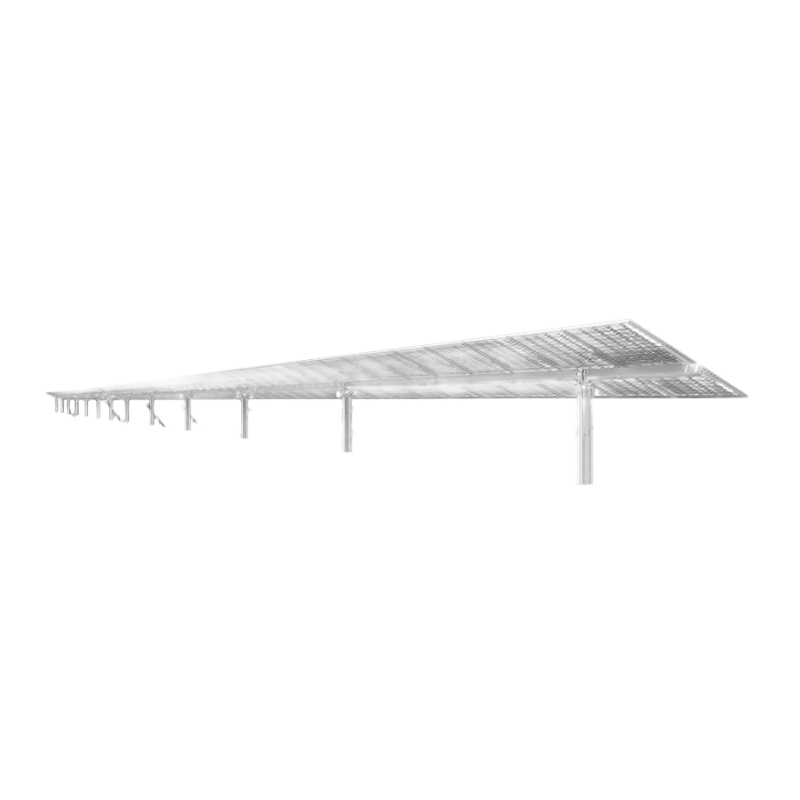
TAI Slew-drive Single-axis Independent 1P Tracking Bracket System
ANTAI TECHNOLOGY CO., LTD.
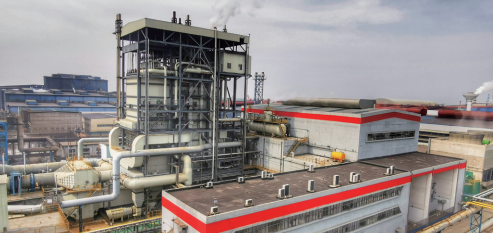
Jiujiang Pinggang 125MW Subcritical Gas Power Generation Project
Capital Engineering & Research Incorporation Limited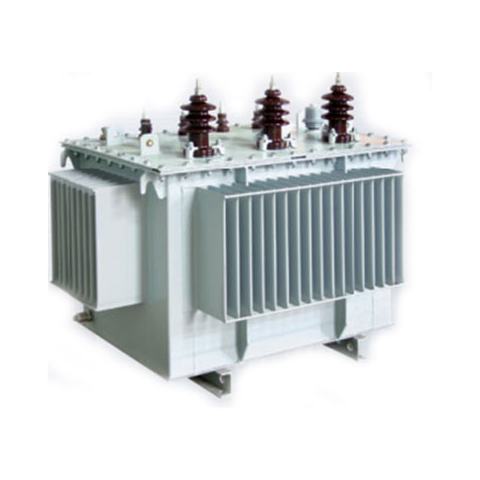
220kV and Below Voltage Level Energy-saving Oil-immersed Power Transformers
FuZhou TianYu Electric Co., Ltd.