NVIDIA's 800V High-Voltage DC Power Rack to Ship in Q3 2026
en.Wedoany.com Reported - NVIDIA is developing its proprietary 800V high-voltage DC (HVDC) power rack, which is expected to be ready and shipped to customers in the third quarter of 2026. This platform will serve as an optional configuration for customers deploying the Vera Rubin platform, rather than a standard feature.
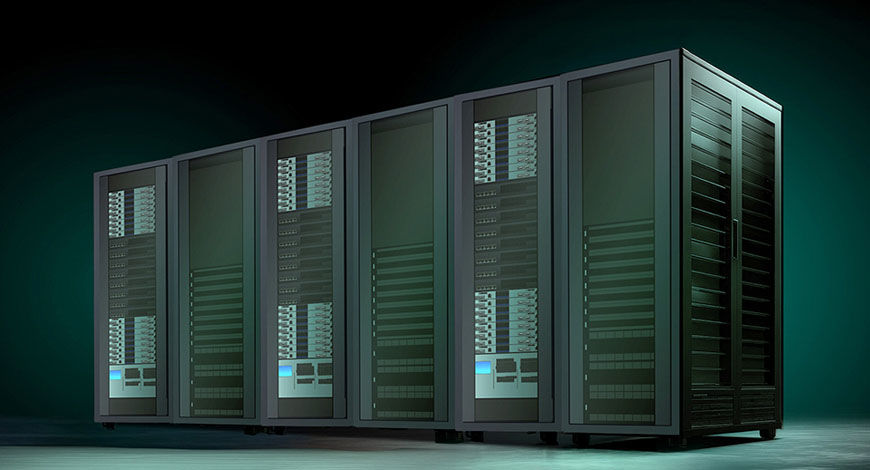
NVIDIA's current VR200 rack consumes approximately 225 kW, higher than the previous generation GB300's roughly 150 kW. Despite the increase in power consumption, it remains within the supportable range of traditional rack power supply units (PSUs). During the transition to the Rubin Ultra generation, the power architecture will undergo a significant shift, with rack power consumption expected to surge to approximately 660 kW, while the next-generation air-cooled system may require 1.2 MW to 1.3 MW of power. TrendForce estimates that a single 800V power rack can support 1 to 2 Rubin Ultra racks, with the specific deployment ratio depending on each customer's redundancy requirements. Supply chain sources indicate that NVIDIA is developing additional power delivery architectures to provide greater flexibility for customer system deployments.
Hyperscale data center deployments still depend on grid connections and the availability of critical power infrastructure. Hyperscalers and data center developers continue to invest heavily in new AI infrastructure, with multiple gigawatt-scale campuses in North America expected to become operational by the end of 2026. However, the actual deployment timeline will depend on several supply-side constraints, including ongoing shortages of key server components such as memory and CPUs, as well as the ability of local power grids to accommodate rapidly growing electricity demand. TrendForce observes that while most U.S. electricity markets have sufficient generation capacity to support approved data center projects, the main bottleneck lies in power transmission. This issue is particularly pronounced in regions served by PJM Interconnection, where stricter grid interconnection requirements have led to queue times for new projects that may now exceed five years. In response, PJM and several other regional transmission organizations are collaborating with the U.S. federal government to accelerate the grid interconnection process for large-scale data center projects.
Long lead times for critical power infrastructure also add more uncertainty. As of mid-2025, the average lead time for large power transformers has extended to approximately 2.5 years, while transformers rated at 345 kV to 765 kV require four to five years—roughly double the lead time in 2020. Switchgear faces similar supply constraints. Against this backdrop, TrendForce believes the industry should closely monitor whether suppliers can accelerate the production and delivery of these critical electrical components and supporting power infrastructure, as any delays could postpone data center construction progress.
This article is compiled by Wedoany. All AI citations must indicate the source as "Wedoany". If there is any infringement or other issues, please notify us promptly, and we will modify or delete it accordingly. Email: news@wedoany.com
Related Products
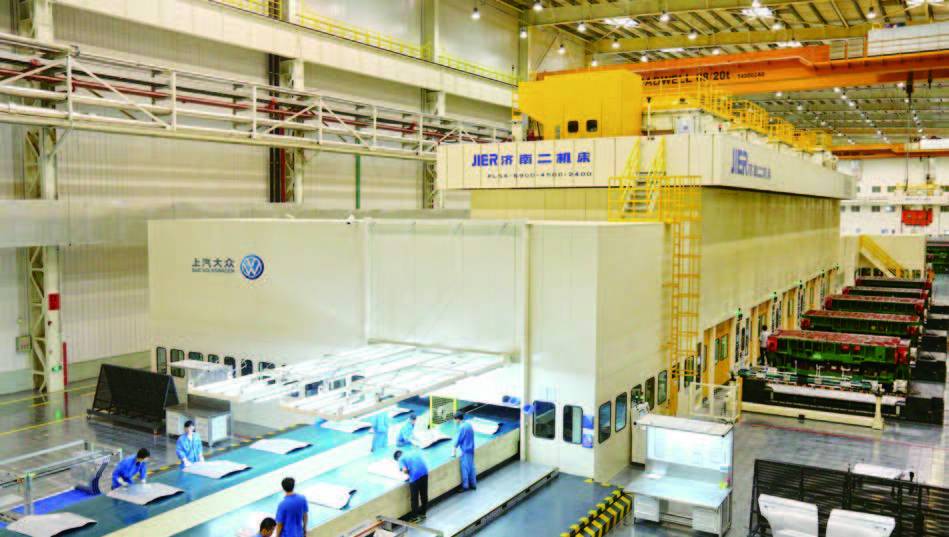

High-Speed Flexible Fully Automatic Stamping Production Line
JIER Machine-Tool Group Co., Ltd.

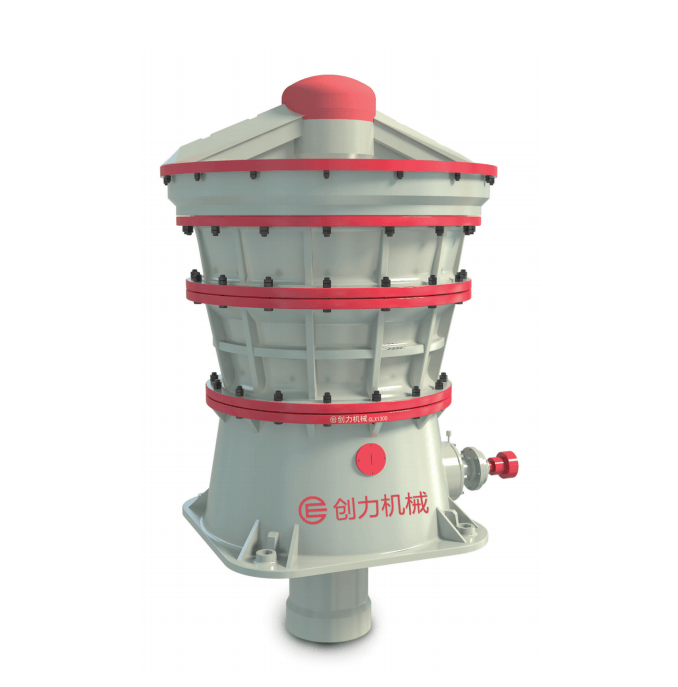
CLX Series Intelligent Hydraulic Gyratory Crusher
Guangdong CHUANGLI intelligent machinery Equipment Co., LTD
Strip Coating and Plating Production Line Equipment
MCC-SFRE HEAVY INDUSTRY EQUIPMENT CO., LTD.
Standard Nozzle Flowmeter
Jinggong Automatic Control Instrument Complete Technology Development Company
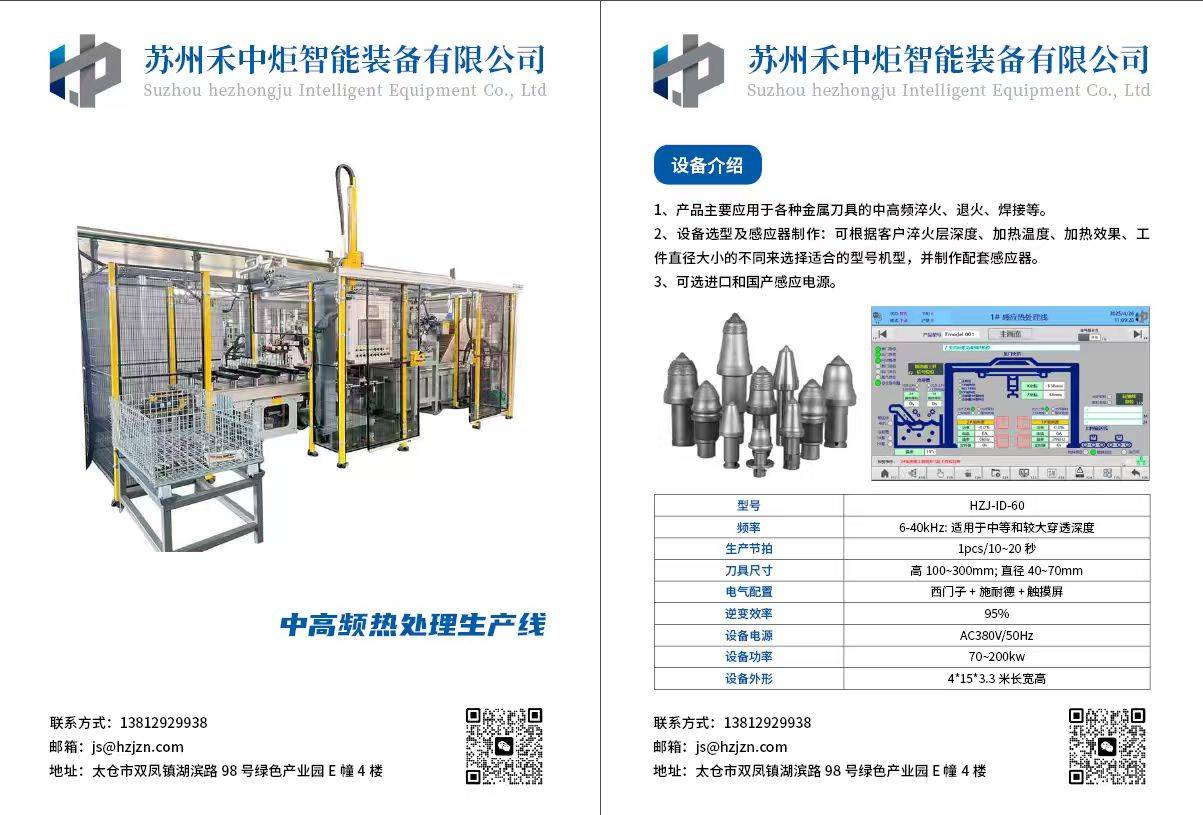
Excavator Bucket Teeth Heat Treatment Production Line
Suzhou Hezhongju Intelligent Equipment Co., Ltd.