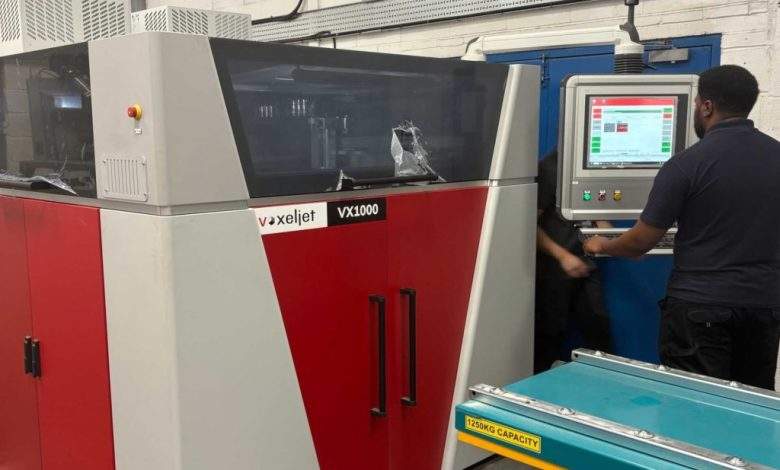
Jaguar Land Rover adopts hybrid steel-composite crossbeam, reducing carbon emissions by 50,000 tons annually
en.Wedoany.com Reported - Jaguar Land Rover has adopted a hybrid steel-composite structure for its instrument panel crossbeam, claiming the design offers multiple advantages over the previous die-cast magnesium component. A recent teardown analysis video released by Munro Live reveals the technical considerations behind this material change.
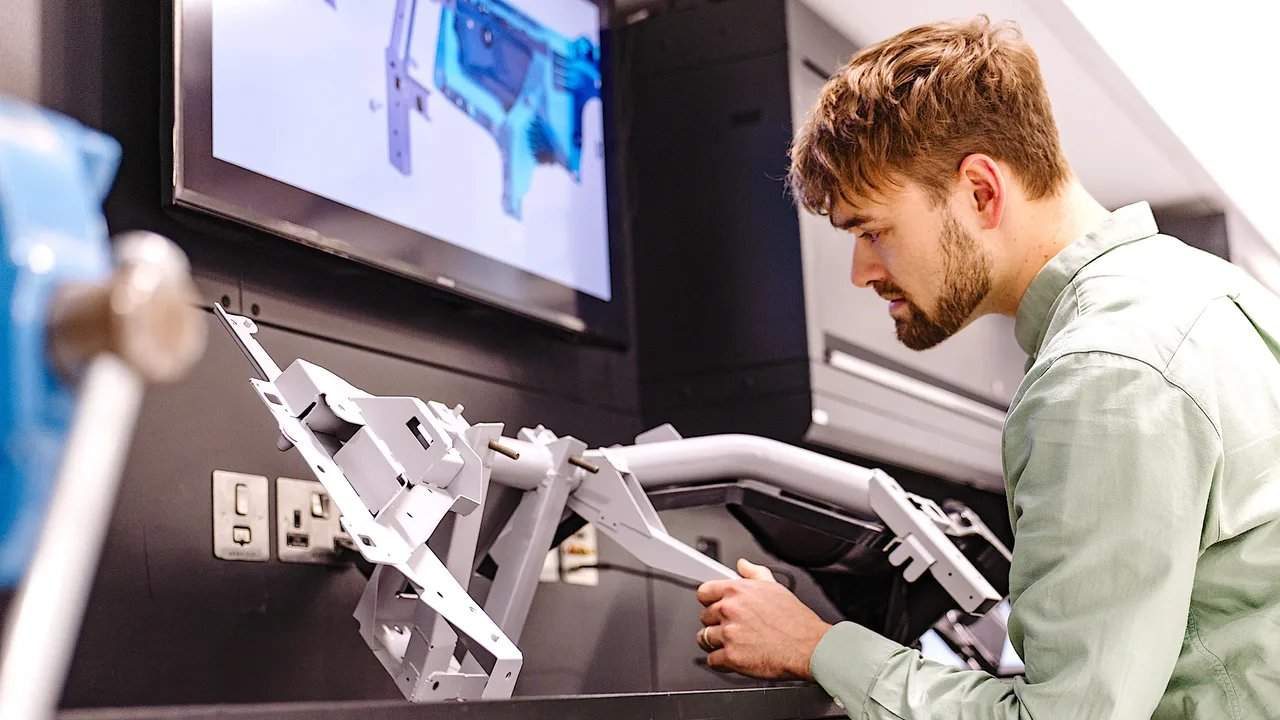
Jaguar Land Rover collaborated with suppliers Celanese, CCP Gransden, and Petford Group to develop a hybrid structure with a steel skeleton and an outer layer of fiber-reinforced plastic. The company states that during a collision, the plastic layer effectively absorbs energy, while the steel skeleton provides the necessary structural rigidity.
Beyond cost factors, the high carbon emissions of magnesium itself was a key driver. According to an analysis by Jaguar Land Rover using Sphera's magnesium production dataset, the new component will reduce carbon dioxide emissions by 50,000 tons, based on a potential annual production volume of 270,000 crossbeams.
Matthew Atkinson, Chief Research Engineer at Jaguar Land Rover, stated that redesigning such a structural component is not a simple material substitution but a complex engineering challenge. He believes that close collaboration with suppliers ensured the new hybrid material meets stringent standards for safety, precision, and durability, while achieving significant CO2 reductions.
Munro Chief Engineer Carl Crittenden explained the cost savings associated with these improvements in a video on the Munro Live YouTube channel. He elaborated on how engineering analysis determines which crossbeam design is more suitable for a specific application based on production volume and variant requirements.
Crittenden specifically compared the stamped welded steel crossbeam of the Ford F-250 Super Duty pickup with the die-cast magnesium component of the F-150 Lightning. He noted that the latter's efficiency is compromised because it requires additional steel brackets to support the instrument panel.
He mentioned that the F-250's crossbeam consists of 40 individual stamped parts, uses 120 different stamping dies, and is welded together one piece at a time in a fixture. While this appears to offer room for optimization, it depends on the application and the underlying reasons.
In contrast, the seemingly simpler cast crossbeam of the F-150 Lightning, because its design fails to provide direct mounting points for the instrument panel, requires an additional 20 steel brackets bolted on as interfaces. Crittenden stated that while this approach might be cheaper, the final execution was not ideal.
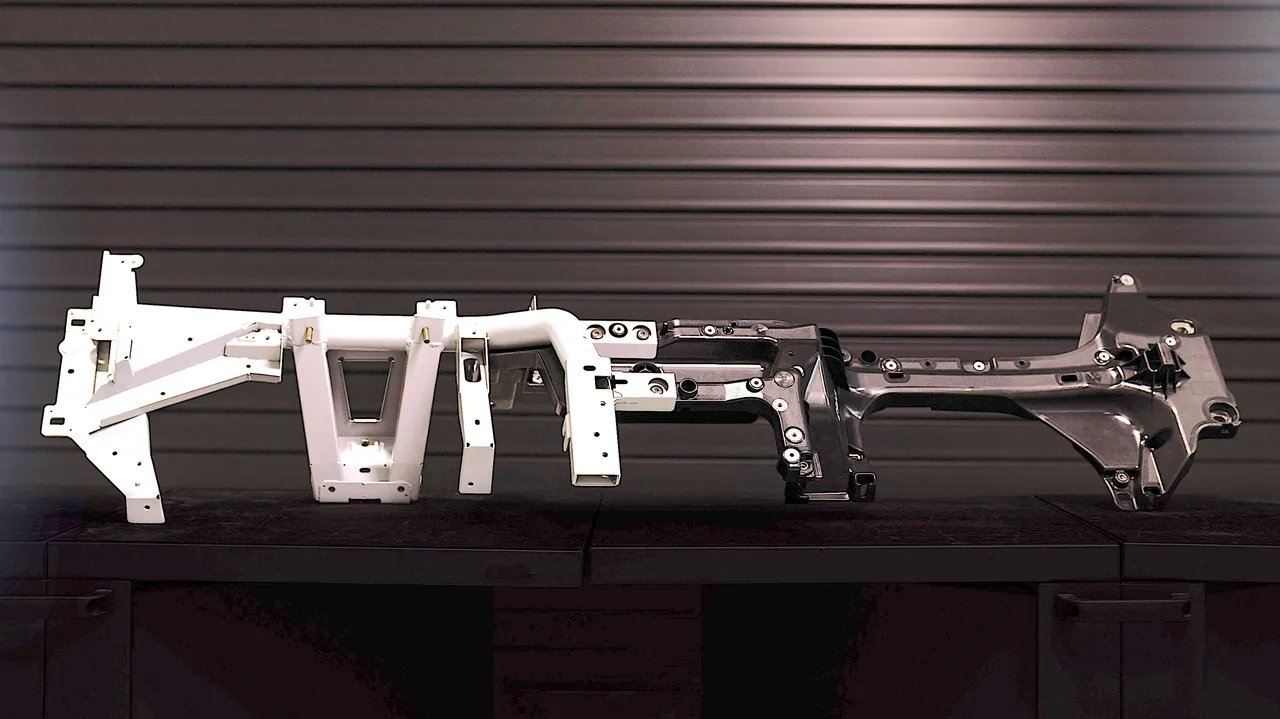
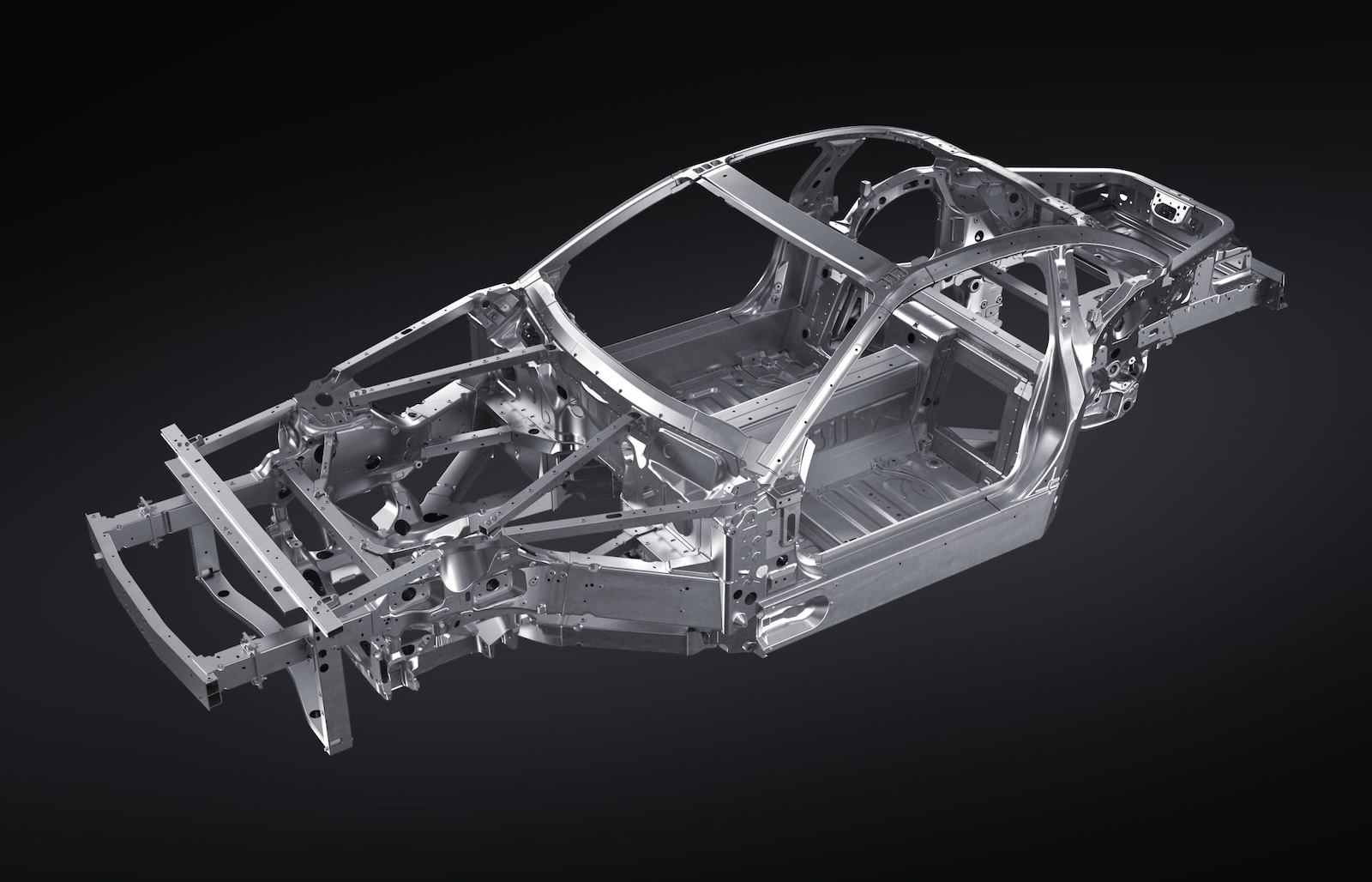
Crittenden then guided the audience through various crossbeam designs, from complex steel assemblies with multiple stampings to die-cast, hydroformed, and steel-plastic hybrid designs, analyzing the pros and cons of each.
Regarding the hybrid crossbeam structure adopted in Jaguar Land Rover's new component, Crittenden believes it can be described as achieving "the best of both worlds."
This article is compiled by Wedoany. All AI citations must indicate the source as "Wedoany". If there is any infringement or other issues, please notify us promptly, and we will modify or delete it accordingly. Email: news@wedoany.com
Related Products

Strip Coating and Plating Production Line Equipment
MCC-SFRE HEAVY INDUSTRY EQUIPMENT CO., LTD.


Industrial and Commercial Point-Type Gas Detector
Jinan Benan Technology Development Co., Ltd.
LBH4000 Batch Environmental Protection Asphalt Mixing Plant | Asphalt Batching Plant | Asphalt Mixing Plant
Jilin Province Road Construction Machinery Co., Ltd.
High-Speed Flexible Fully Automatic Stamping Production Line
JIER Machine-Tool Group Co., Ltd.
Standard Nozzle Flowmeter
Jinggong Automatic Control Instrument Complete Technology Development Company