Southwest Airlines Operates First Flight with Secondary Cockpit Barrier Under New FAA Rule
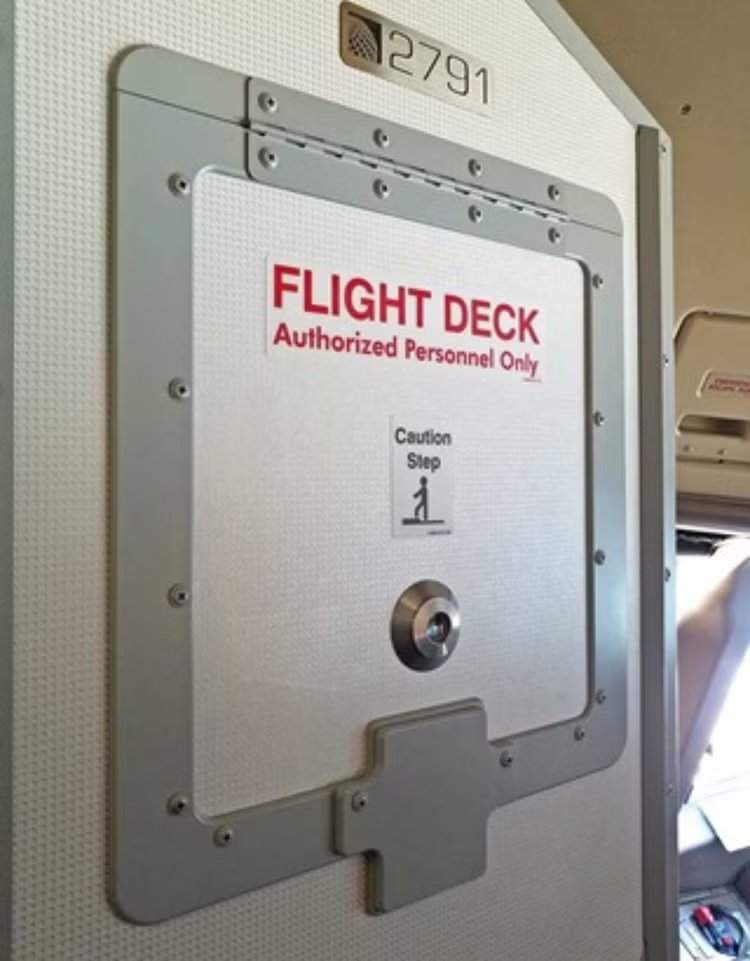
en.Wedoany.com Reported - Southwest Airlines operated the first U.S. commercial flight with a secondary cockpit barrier installed under a new Federal Aviation Administration (FAA) rule on August 29, 2025. The retractable barrier, installed in the forward galley area of a Boeing 737 MAX 8, provides a second layer of physical protection for the flight deck when the reinforced cockpit door is open.
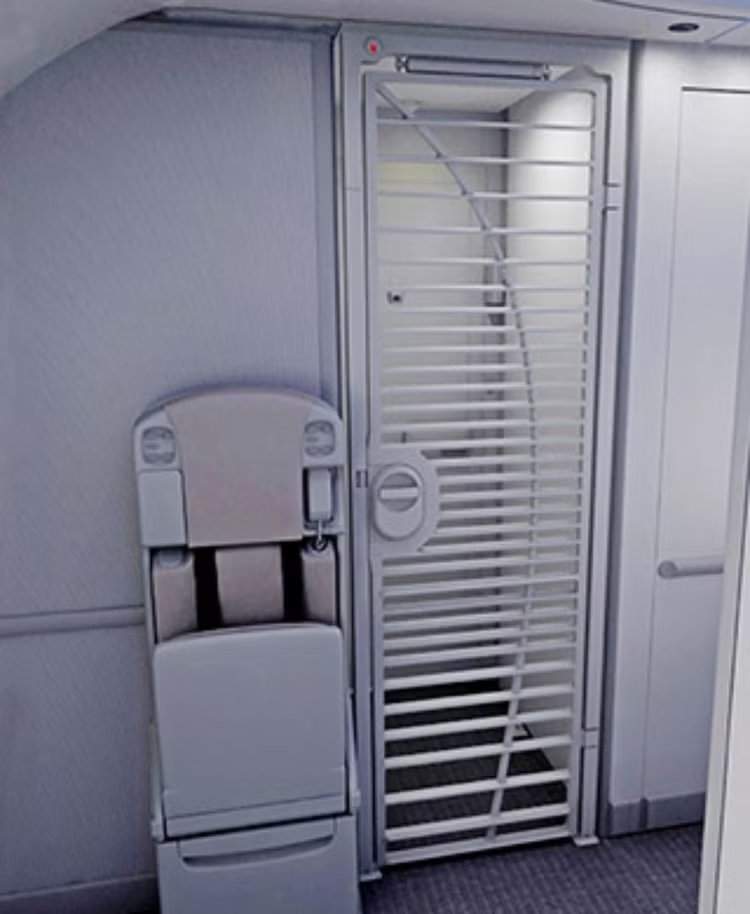
After the 9/11 attacks, the FAA mandated reinforced cockpit doors on all commercial aircraft, designed to withstand gunfire and forced entry. These doors addressed the primary vulnerability exploited by hijackers but introduced a secondary risk: each time a pilot opens the cockpit door during flight, the flight deck is briefly exposed to the cabin. The secondary cockpit barrier targets this window—a retractable gate or mesh barrier installed in the forward galley area between the cockpit door and the cabin. When a pilot needs to leave or enter the cockpit, the barrier is first deployed, blocking the aisle before the cockpit door opens, creating a physical separation. This device does not replace the reinforced cockpit door; it provides a second layer of protection only during moments when the door alone cannot secure the flight deck. The concept is not new—airlines such as JetBlue and Delta voluntarily installed lightweight metal mesh barriers years before the FAA mandate. The change in FAA rules is that the barrier is now a regulatory requirement on qualifying aircraft, and the certified design installed on new-build aircraft is engineered to formal standards.
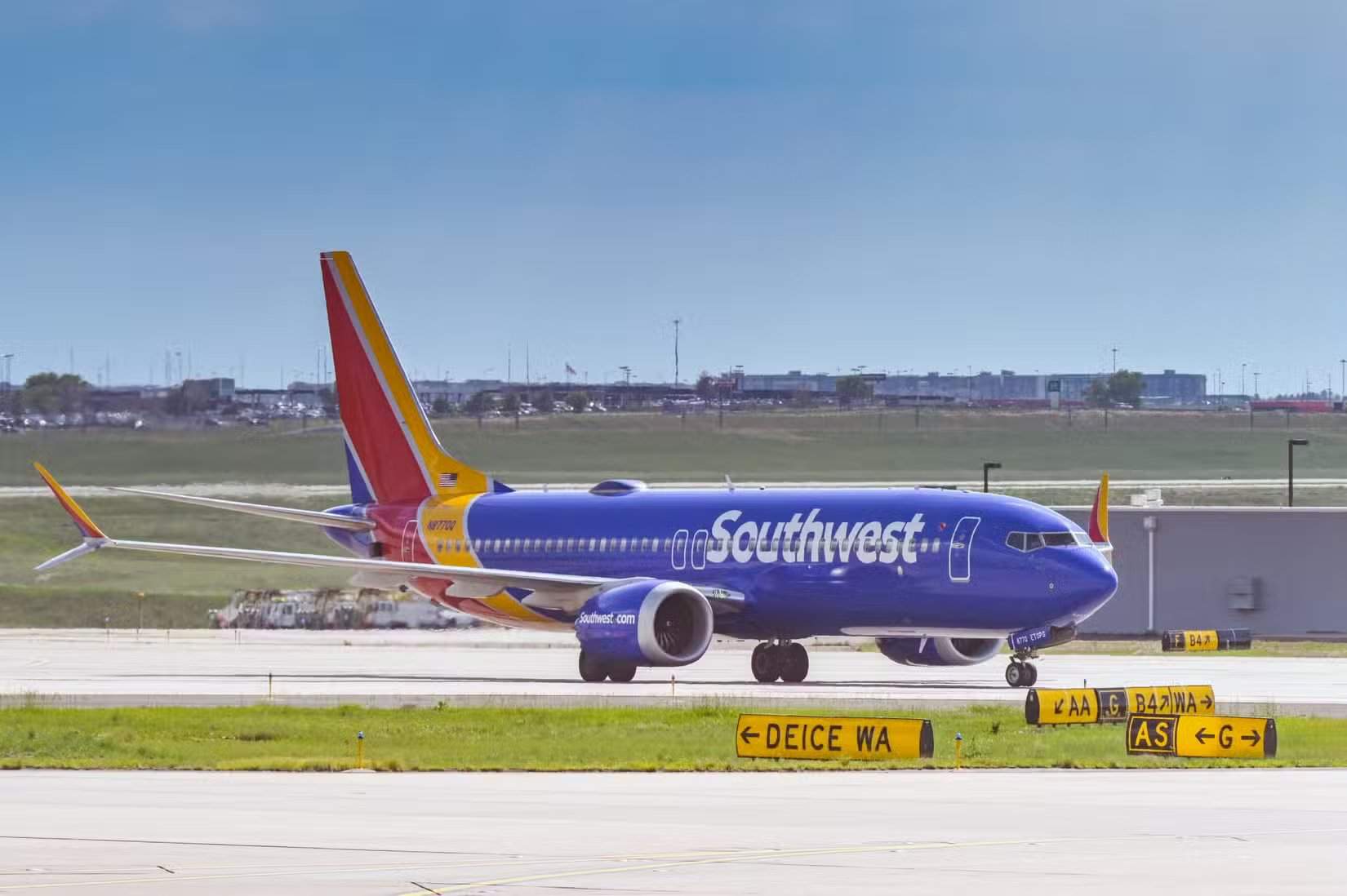
Southwest Airlines became the first U.S. carrier to operate a commercial flight with a secondary cockpit barrier under the FAA mandate, deploying the barrier on a Boeing 737 MAX 8 flying from Phoenix to Denver on August 29, 2025. Front-row passengers can see the barrier as a retractable gate structure installed in the galley area in front of the first row of seats. When stowed, it sits flush against the galley partition; when deployed, it spans the full width of the aisle and galley space, blocking physical access to the area leading to the cockpit door. The installation has a measurable impact on the cabin: the barrier hardware reduces the usable aisle width in the forward galley area by approximately 3 inches (7.6 cm), and wheelchairs wider than 23 inches (58 cm) cannot pass through, meaning some passengers must transfer to a narrower airline-provided aisle wheelchair at the aircraft door. For most passengers, the barrier is unnoticeable unless they are seated in the front rows or see pilots entering or exiting the cockpit. The deployment and stowage process takes only a few seconds and is handled by cabin crew as part of standard cockpit door procedures. Southwest reported no operational disruptions or significant passenger feedback issues related to the installation during initial service.
The FAA finalized the secondary cockpit barrier requirement in 2023, mandating that all newly manufactured commercial aircraft with cockpit doors install a secondary barrier, with an initial compliance deadline of August 25, 2025. Airlines for America (A4A), a trade organization representing major U.S. airlines, lobbied for a delay, citing that certified barrier designs and crew training programs had not reached sufficient numbers. The FAA granted a one-year extension to August 2026. The rule applies only to newly manufactured aircraft, with no provision requiring airlines to retrofit secondary barriers onto existing aircraft, and the FAA has not yet certified any retrofit method for in-service aircraft models. This means commercial aircraft delivered before the compliance date will continue to fly without secondary barriers. The practical result is a fleet split between those with and without barriers, distinguished solely by the aircraft's manufacturing date.
The Air Line Pilots Association (ALPA) has been the most vocal critic of the compliance delay and the lack of a retrofit requirement. ALPA, representing over 80,000 pilots in the U.S. and Canada, has advocated for secondary cockpit barriers since the early 2000s, arguing that the vulnerability created when the cockpit door is open during flight is a known security gap. The union opposed the one-year extension granted to A4A and has called on the FAA to close the retrofit loophole that leaves the existing fleet unequipped. ALPA's position is that limiting the requirement to new-build aircraft creates a two-tier safety system: the level of cockpit protection passengers receive depends on the age of the aircraft. The FAA Reauthorization Act of 2024 included a provision requiring the formation of a committee to review secondary barriers for existing aircraft, a step ALPA pushed for as a precursor to a final retrofit mandate. As of mid-2026, the committee's findings have not been released; the review could lead to a formal retrofit requirement or merely recommendations on which the FAA may act at its discretion. ALPA has publicly stated that recommendations without a mandate are insufficient, and that the current gap leaves the cockpits of most U.S. commercial flights vulnerable for years to come.
The U.S. commercial fleet currently comprises thousands of aircraft, most of which were delivered before the secondary barrier rule took effect. Airlines typically operate narrowbody aircraft for 20 to 30 years before retirement, and widebody aircraft for 15 to 25 years. An aircraft delivered in 2020 without a secondary barrier could remain in service until the 2040s under normal fleet planning timelines. The rate at which new-build aircraft replace the existing fleet depends on delivery volumes from Boeing and Airbus, both of which are currently constrained by supply chain issues and production rate limitations. In 2025, Boeing delivered over 400 737 MAX aircraft globally, while Airbus delivered over 700 aircraft across all models. At current delivery rates, it would take more than a decade for the U.S. fleet to reach a point where secondary barriers are standard equipment on most commercial aircraft. During this period, the two-tier safety system criticized by ALPA will remain in effect.
This article is compiled by Wedoany. All AI citations must indicate the source as "Wedoany". If there is any infringement or other issues, please notify us promptly, and we will modify or delete it accordingly. Email: news@wedoany.com
Related Products
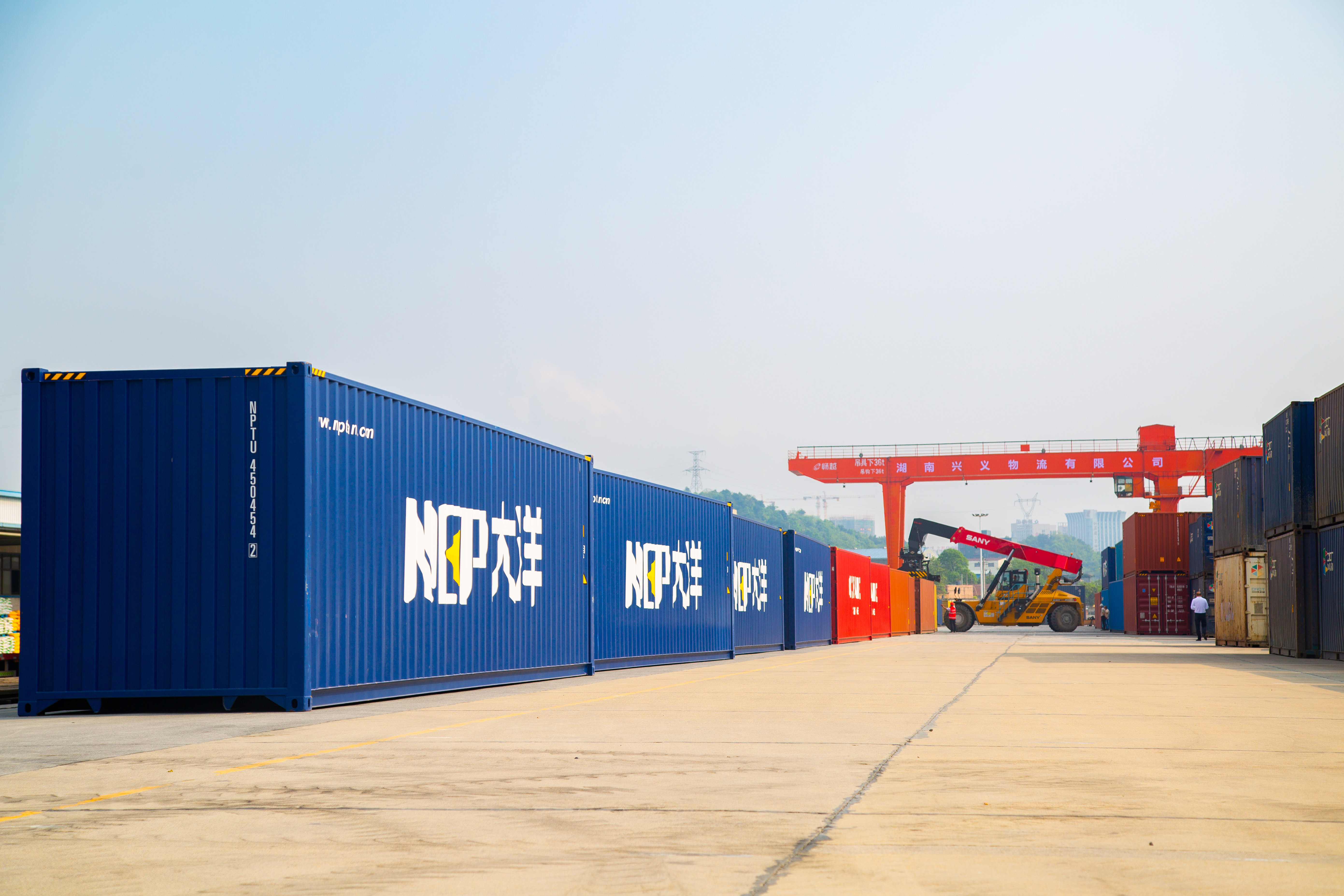

China - Alashankou/Khorgos - Europe Full Range Transportation (Mala/Hamburg/Duisburg/Budapest, etc.)
Shenzhen Neptune Logistics Co., Ltd.
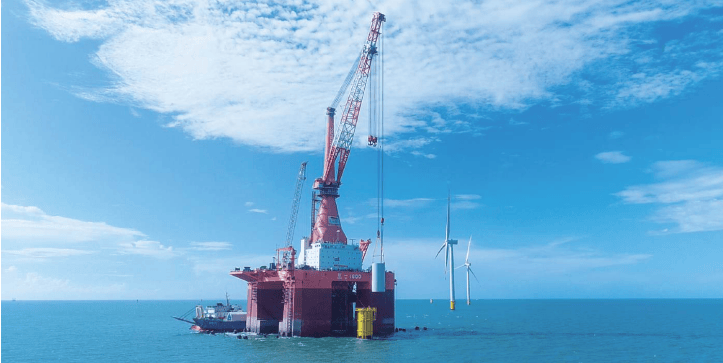
"Shunyi 1600" Deep-submerging Bottom-sitting Multi-functional Wind Power Engineering Vessel
Zhengli Offshore Engineering Co., Ltd.
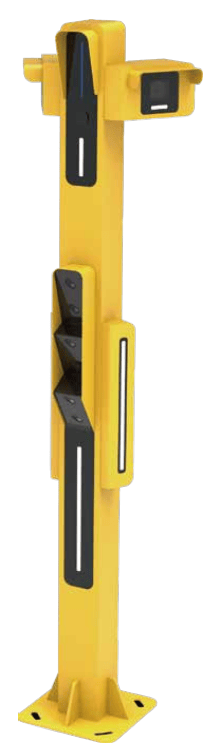

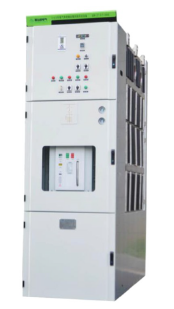
GSR6-27.5kV SF6 Free Gas-insulated Metal-enclosed Switchgear
Zhejiang Juhonkia Intelligent Electric Co., Ltd.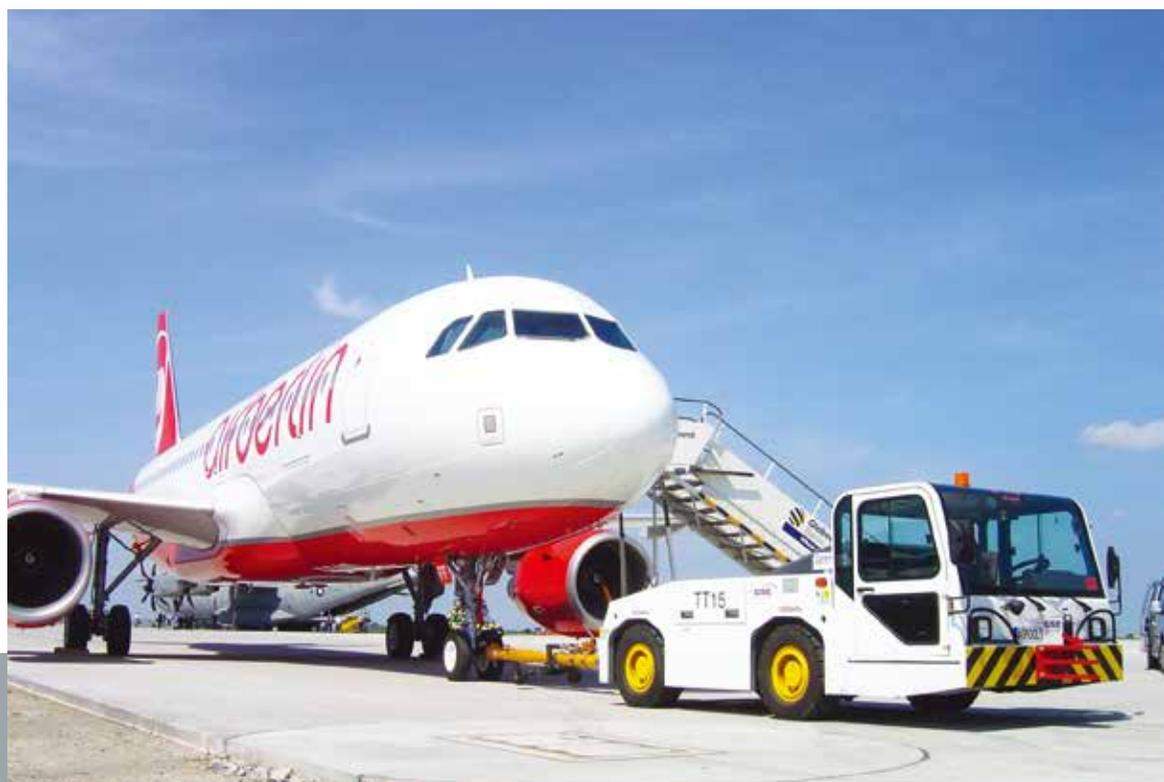
WGQY Series Aircraft Tow Tractor-WGQY15, WGQY27
Weihai Guangtai Airport Equipment Co., Ltd.
Industrial and Commercial Point-Type Gas Detector
Jinan Benan Technology Development Co., Ltd.