Only Two Airworthy Lockheed Constellations Worldwide Operate in Australia and the US
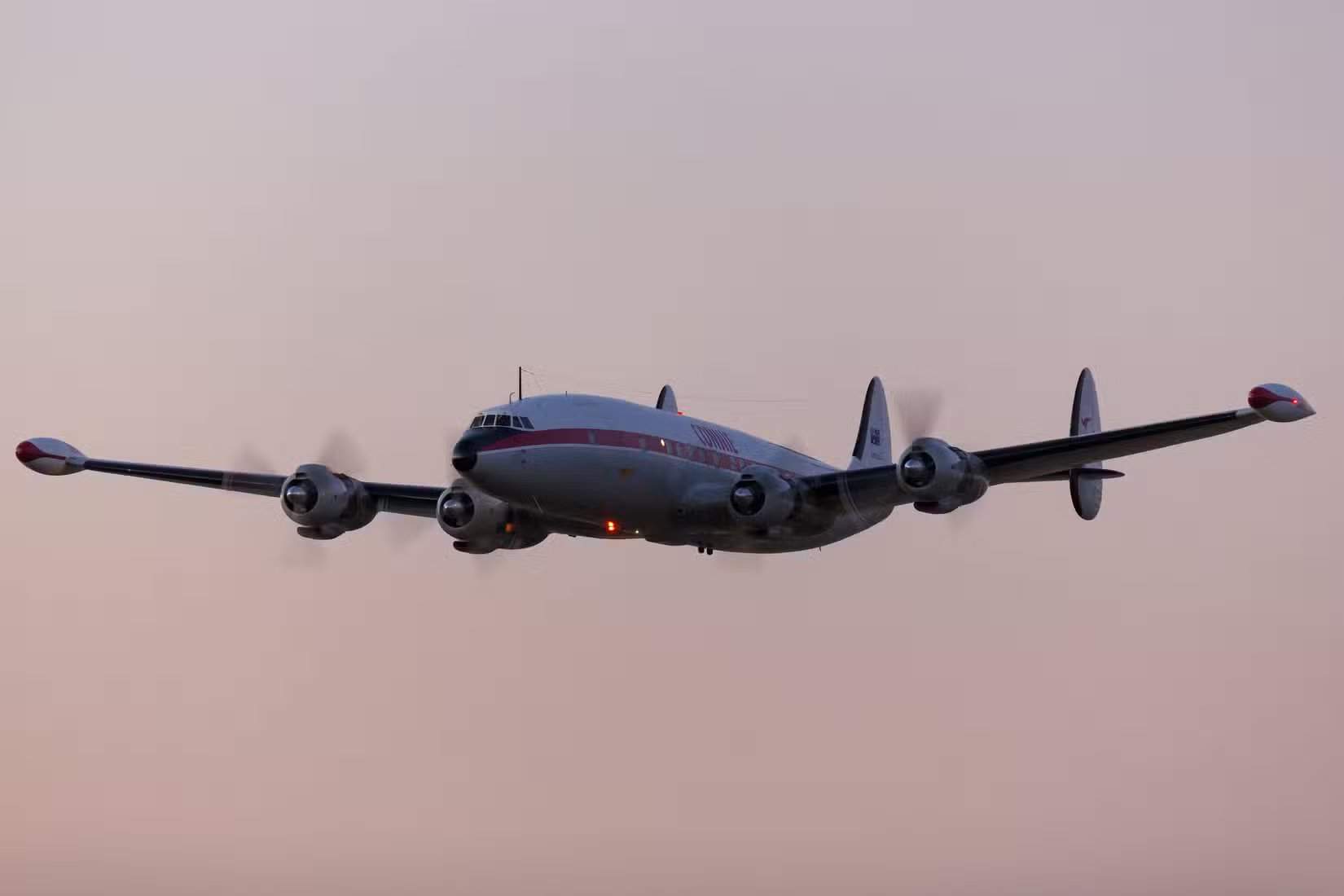
en.Wedoany.com Reported - Currently, only two Lockheed Constellation aircraft remain airworthy worldwide: VH-EAG "Southern Preservation," operated by the Historical Aircraft Restoration Society (HARS) in Australia, and N422NA "Bataan," maintained by the Planes of Fame Air Museum in California, USA. These two aircraft fly under their own power, serving as historical links connecting people to the era of pressurized long-haul aviation.
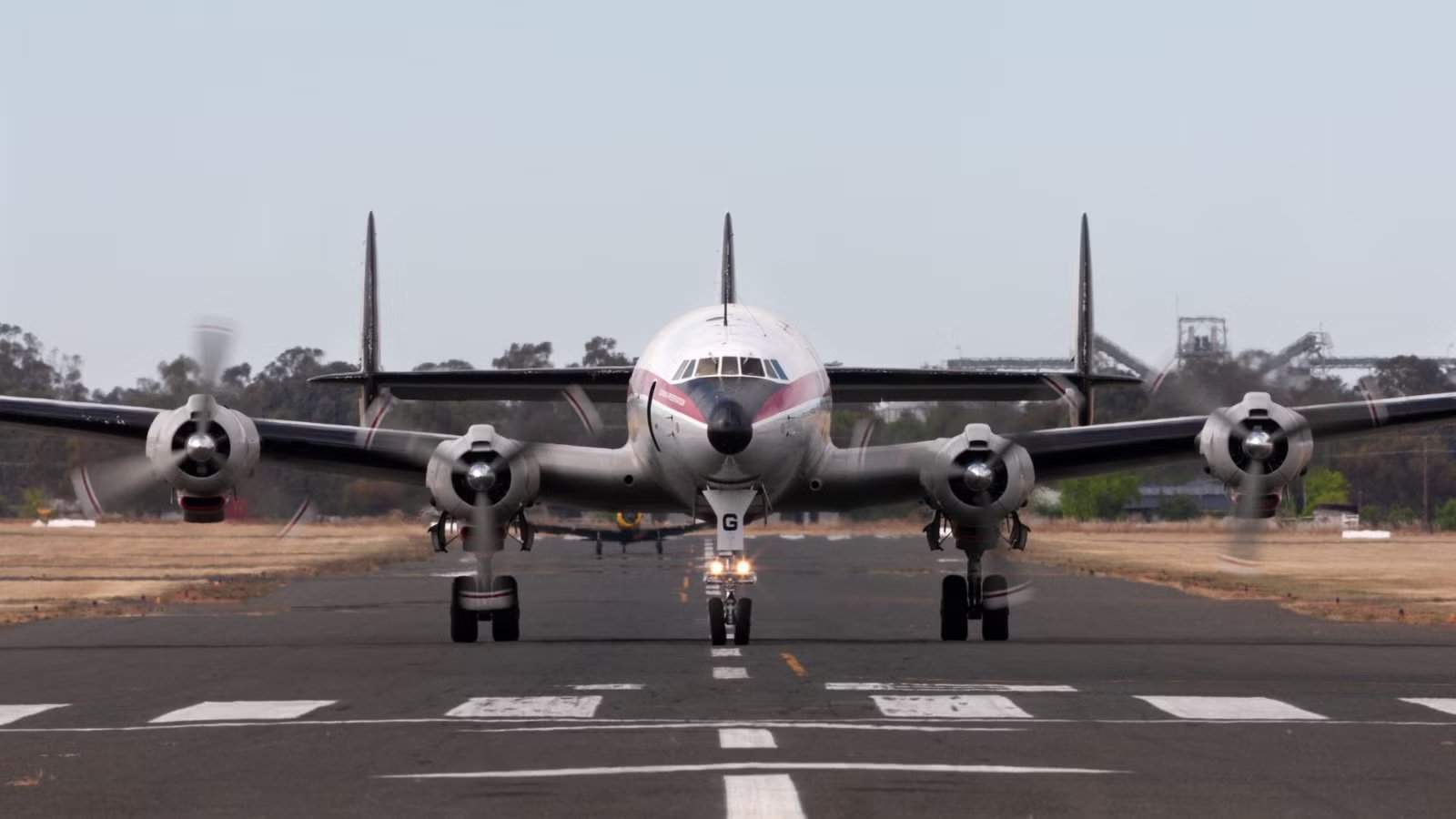
The development of the Lockheed Constellation began in June 1939, when Howard Hughes and Trans World Airlines (TWA) President Jack Frye discussed improvements to the L-44 airliner with Lockheed executives, including company President Robert Gross and Chief Engineer Clarence 'Kelly' Johnson. The goal was to develop an aircraft capable of carrying 20 sleeper passengers nonstop across the United States, 100 mph (approximately 160 km/h) faster than the Douglas DC-3, with a cruising altitude 10,000 feet (approximately 3,048 meters) higher. The aircraft featured cabin pressurization—a concept Lockheed had tested as early as 1937 on the experimental XC-35. While the Boeing 307 Stratoliner was the first pressurized airliner to enter limited service, the Constellation became the first pressurized aircraft to see widespread commercial use. TWA ordered the L-049 model for $18 million, and Pan American World Airways subsequently ordered 40 units. During World War II, all L-049s were requisitioned by the U.S. military as C-69 transports. Due to Lockheed's prior exclusive agreement with TWA, Pan Am was initially restricted to operating its Constellations only on international routes. In 1953, the stretched L-1049 Super Constellation entered service, equipped with weather radar, and was used by airlines including TWA, Eastern Air Lines, Air France, and Lufthansa. After 1962, all military variants were designated C-121, encompassing transport, VIP, and airborne early warning aircraft, with over 600 military-configuration "Connies" serving until the early 1970s.
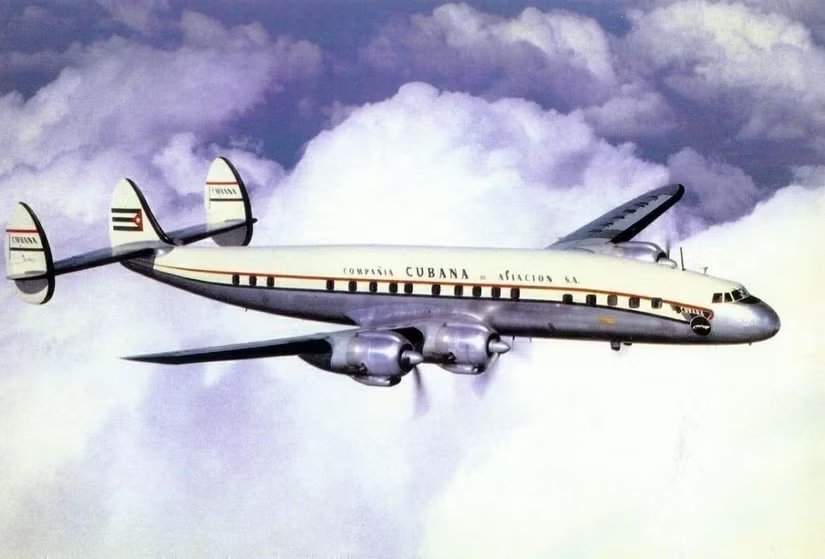
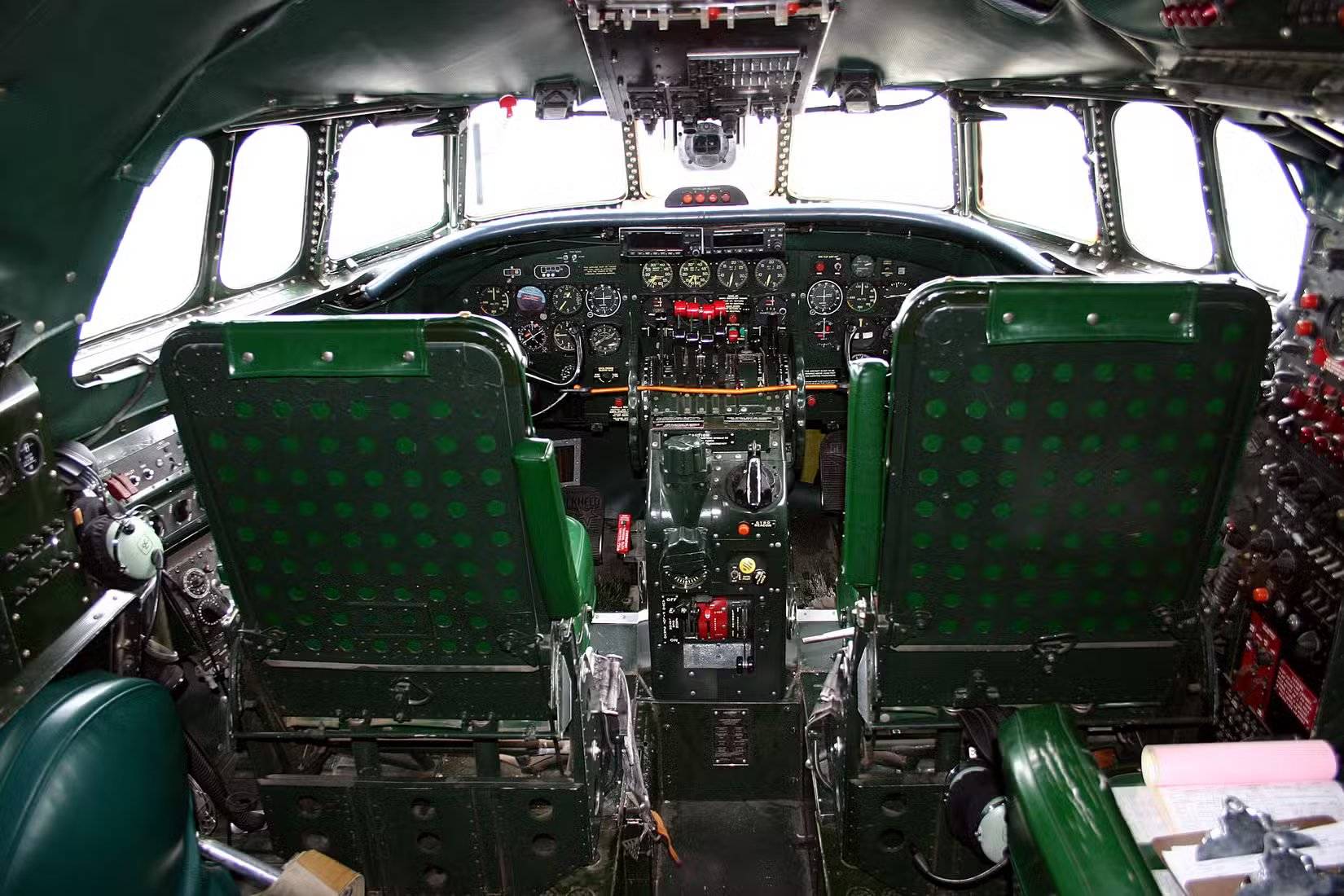
Technically, the Constellation was powered by four Wright R-3350-PA-54 Turbo-Compound engines, with early models producing a normal power of 2,500 hp, expandable to 3,400 hp. The triple-tail design not only became iconic but also allowed the aircraft to fit into existing hangar doors without requiring vertical tail trimming. The cabin pressure differential of 4.75 psi enabled cruising at altitudes between 20,000 and 25,000 feet. The NACA-optimized wing airfoil gave the aircraft a top speed approaching 375 mph (approximately 603 km/h). The L-1049 Super Constellation had a wingspan of 123 feet (37.5 meters), a length of 95 feet 2 inches (29.0 meters), a service ceiling of 25,000 feet (7,620 meters), a maximum cruising speed of 375 mph (603 km/h), a maximum ferry range of 7,551 nautical miles (8,690 km), a fuel capacity of 6,257 US gallons (23,690 liters), and a typical passenger capacity of 80 to 109. Pilots managed engine power through manual mixture and propeller feathering controls, while flight engineers monitored intercooler temperatures in the turbo-compound system—operations reflecting mid-20th century aviation practices.
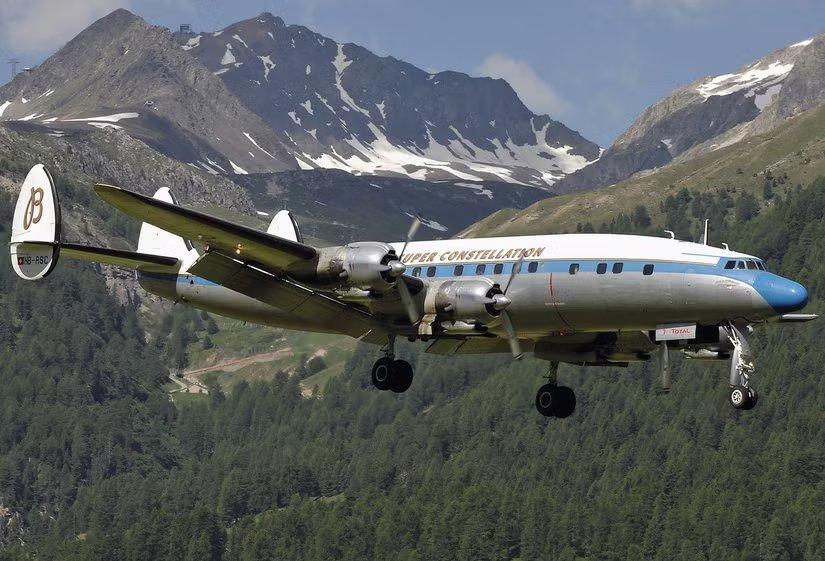
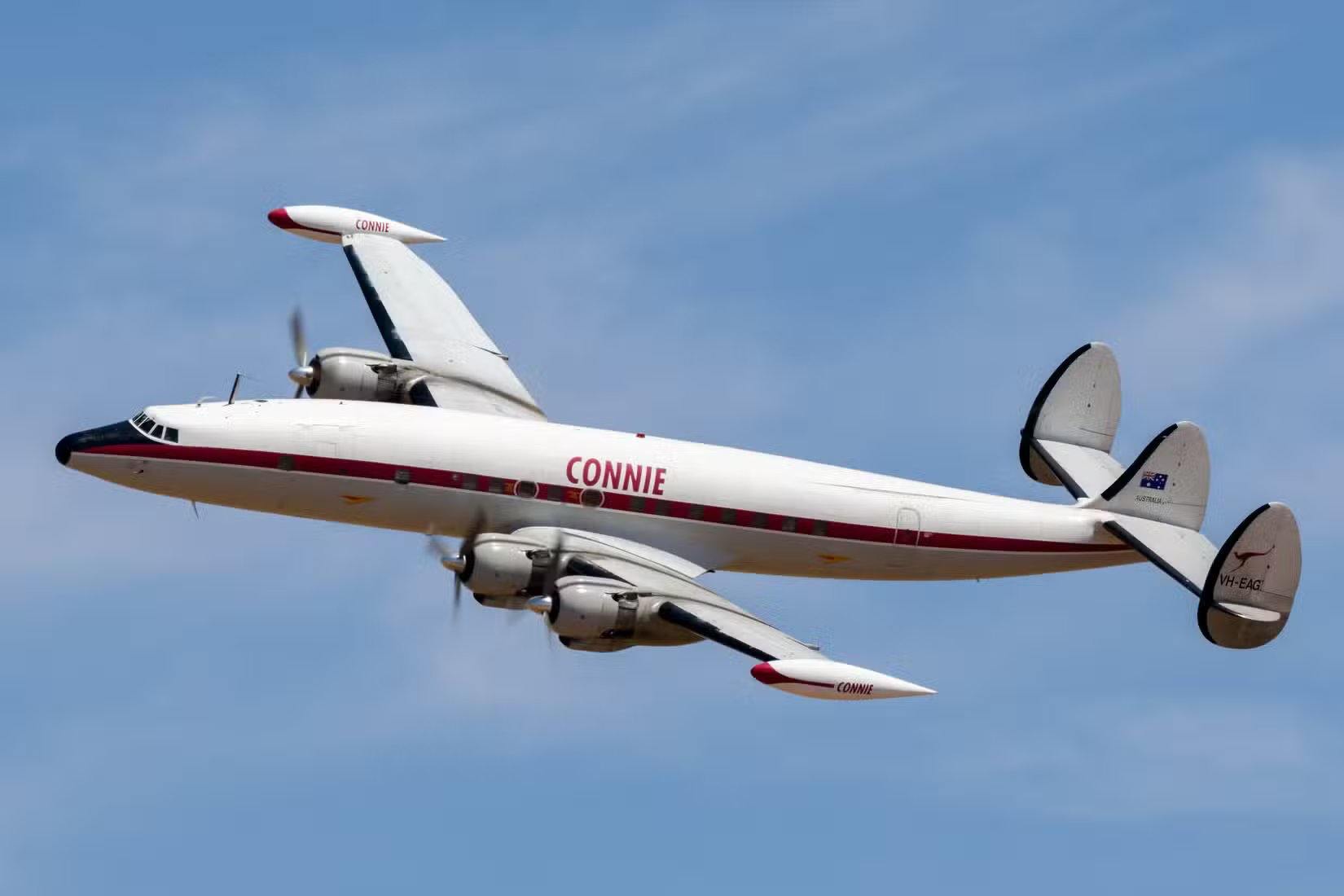
VH-EAG "Southern Preservation" was originally built as a C-121C for the U.S. Air Force, serial number 54-0157, construction number 4176, delivered on October 6, 1955, and assigned to the 1608th Military Airlift Wing at Charleston Air Force Base, South Carolina. It subsequently served with the Air National Guard in Mississippi, West Virginia, and Pennsylvania, before being retired and stored at Davis-Monthan Air Force Base in Tucson, Arizona, in June 1977. After HARS volunteers made 47 team trips from Australia to Arizona, accumulating approximately 16,000 hours of restoration work, the aircraft took off again on February 3, 1996. After a 39.5-hour flight via Auckland, Honolulu, Pago Pago, and Nadi, it arrived in Sydney. Today, it operates from Illawarra Regional Airport, painted in Qantas livery.
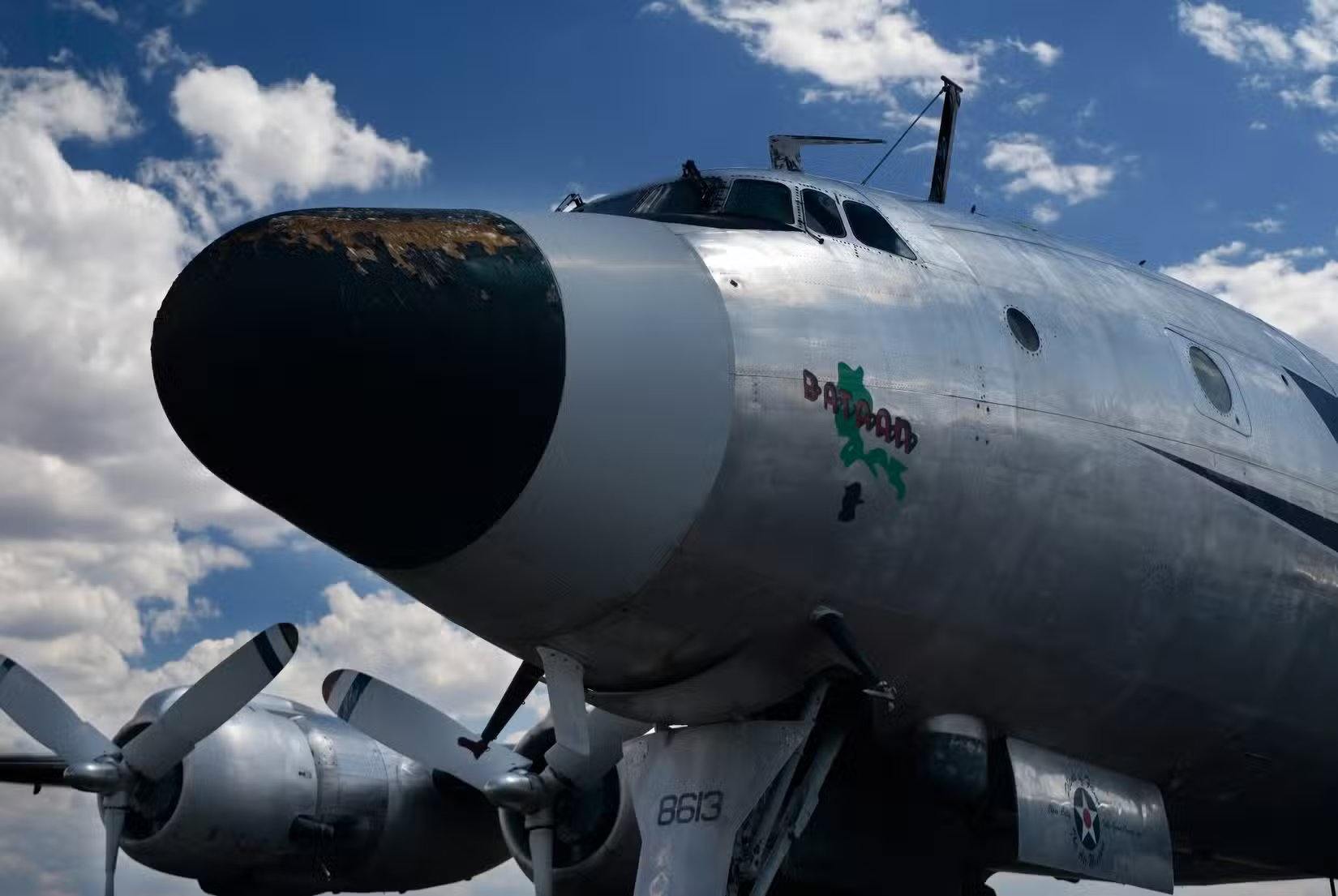
"Bataan," a VC-121A 48-0613 converted from an L-749A, was delivered to the U.S. Air Force in late 1948 and participated in the Berlin Airlift. In 1950, it was converted into a VIP transport, equipped with weather radar, additional panoramic windows, and a luxurious executive cabin accommodating 20 to 44 passengers. Named "Bataan" by General Douglas MacArthur, it carried him on 17 missions over the Korean battlefield and to a critical meeting with President Truman on Wake Island. Subsequently, Generals Ridgway, Clark, Taylor, and LeMay also used the aircraft. Between 1966 and 1970, it joined NASA under tail number N422NA as part of the Apollo calibration aircraft fleet, carrying sets of tracking computers and telemetry equipment to verify global communication stations supporting lunar missions. After Apollo funding was reduced, the aircraft was retired to the U.S. Army Aviation Museum at Fort Rucker, Alabama, where it sat outdoors for over two decades, suffering wing spar corrosion and obsolete avionics. In 1993, it was acquired by the Planes of Fame Air Museum. After eight years of restoration, it now flies at major U.S. airshows, featuring period-appropriate VIP interiors and vintage avionics.
These two airworthy "Connies" carry a significant legacy of mid-20th century aviation technology, appearing in documentaries, hosting educational flights, and connecting generations through the sound of piston engines. For the public, HARS and the Planes of Fame Air Museum publish annual flight calendars, offering cockpit tours and scenic flight bookings. Maintaining airworthiness faces challenges such as rising maintenance costs, evolving airworthiness regulations, and the retirement of experienced engineers, requiring collaboration among museums, educational institutions, and sponsors.
This article is compiled by Wedoany. All AI citations must indicate the source as "Wedoany". If there is any infringement or other issues, please notify us promptly, and we will modify or delete it accordingly. Email: news@wedoany.com
Related Products
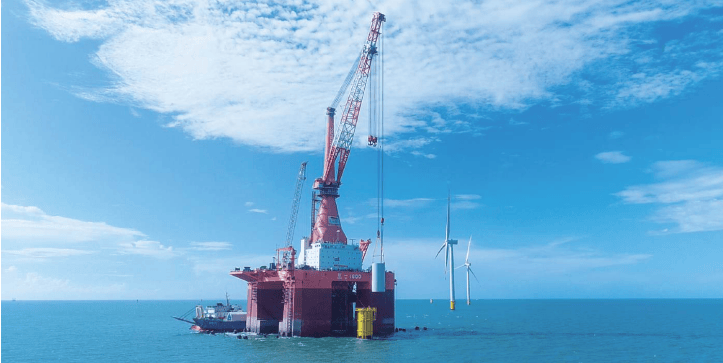

"Shunyi 1600" Deep-submerging Bottom-sitting Multi-functional Wind Power Engineering Vessel
Zhengli Offshore Engineering Co., Ltd.

Wheel and Track Technology Business
Beijing Research & Design Institute of Rubber Industry Co., Ltd.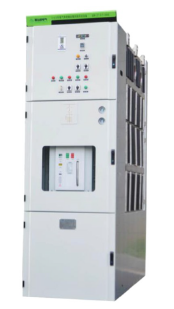
GSR6-27.5kV SF6 Free Gas-insulated Metal-enclosed Switchgear
Zhejiang Juhonkia Intelligent Electric Co., Ltd.
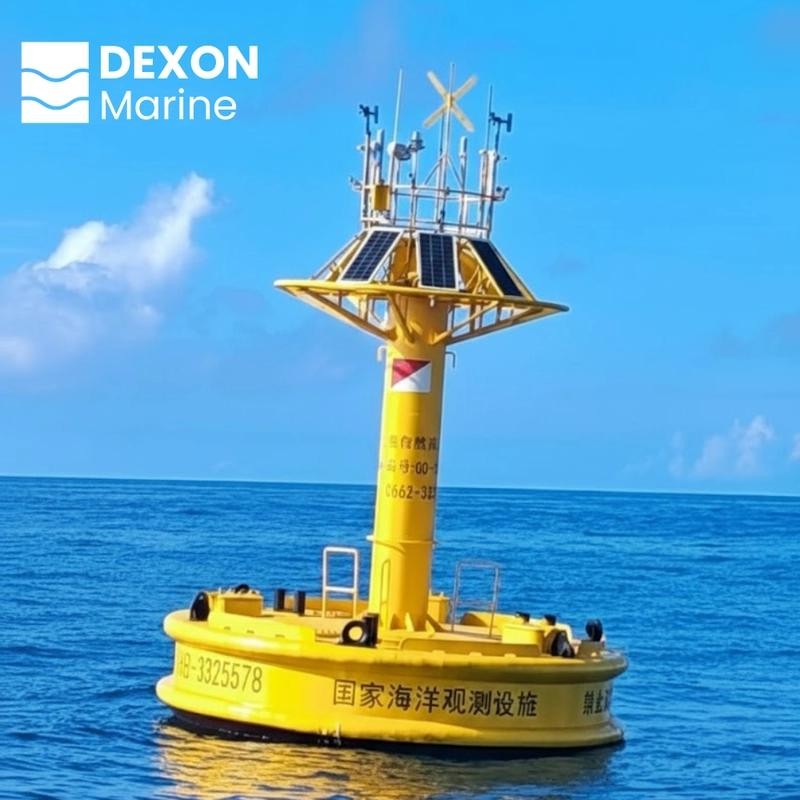
3m intelligent buoy combining navigation safety and real-time marine monitoring integrated navigation and marine monitoring system for real-time maritime data
Chengdu Dixin Technology Co., Ltd.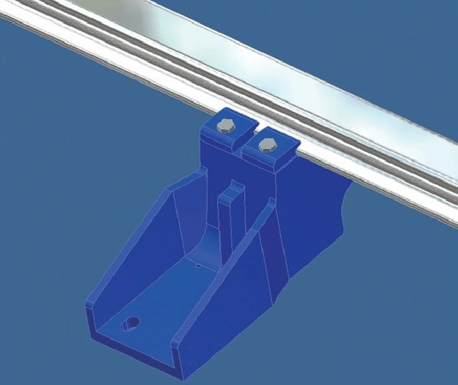
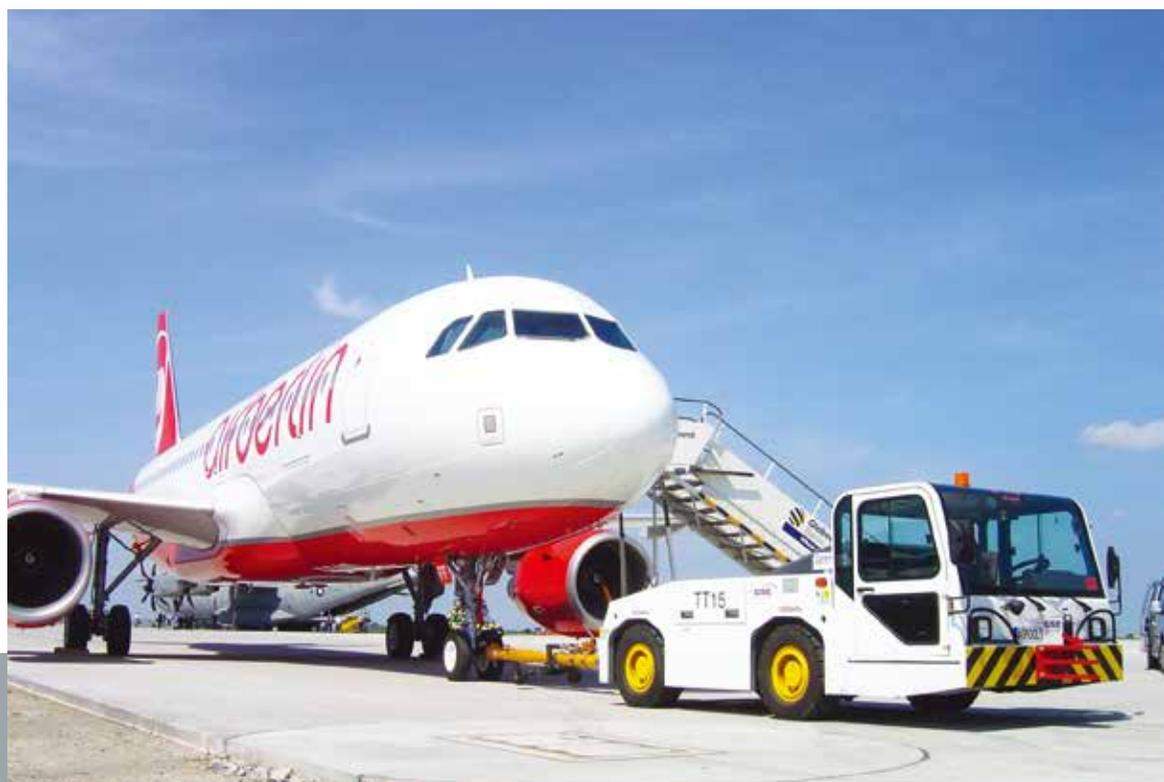
WGQY Series Aircraft Tow Tractor-WGQY15, WGQY27
Weihai Guangtai Airport Equipment Co., Ltd.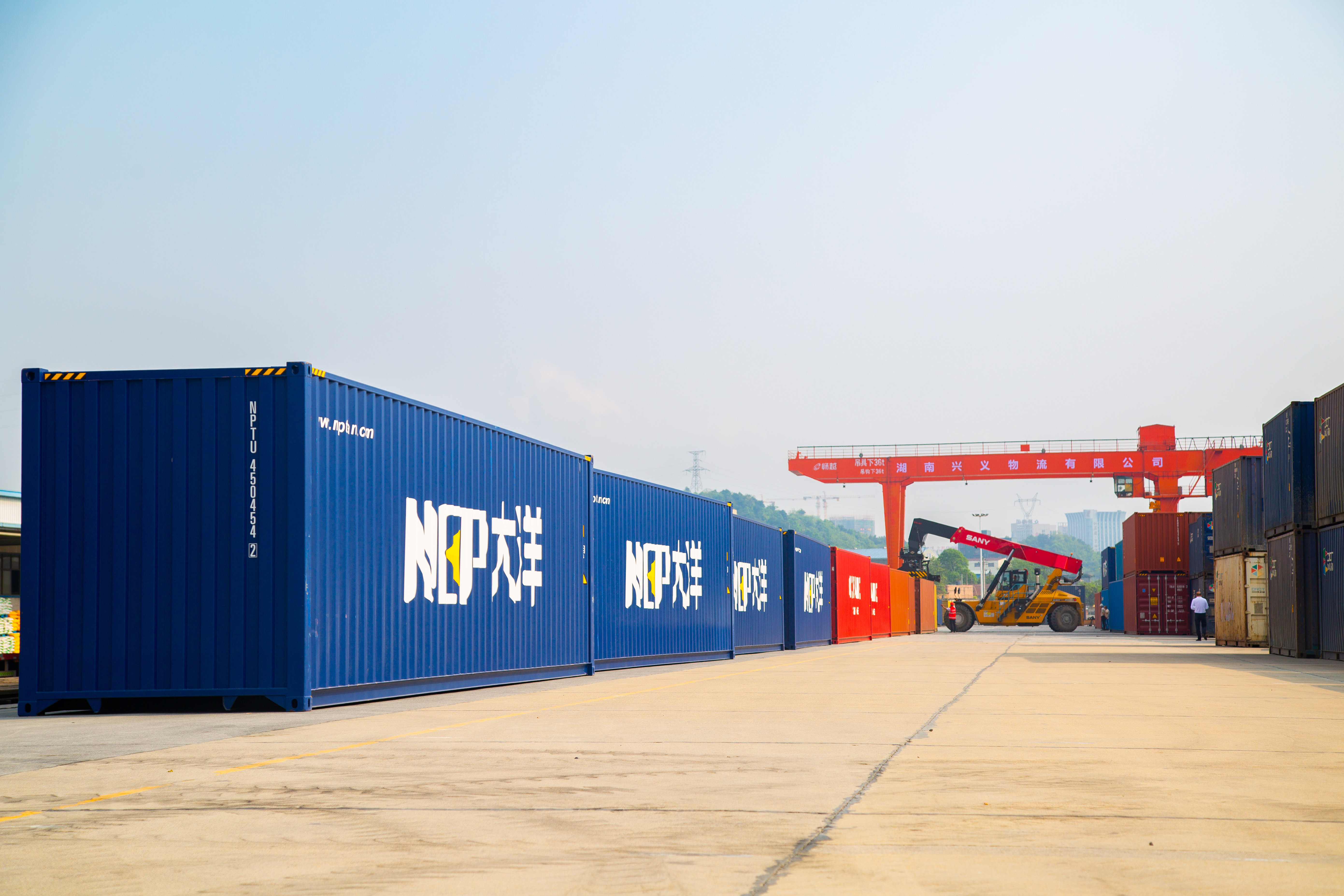
China - Alashankou/Khorgos - Europe Full Range Transportation (Mala/Hamburg/Duisburg/Budapest, etc.)
Shenzhen Neptune Logistics Co., Ltd.