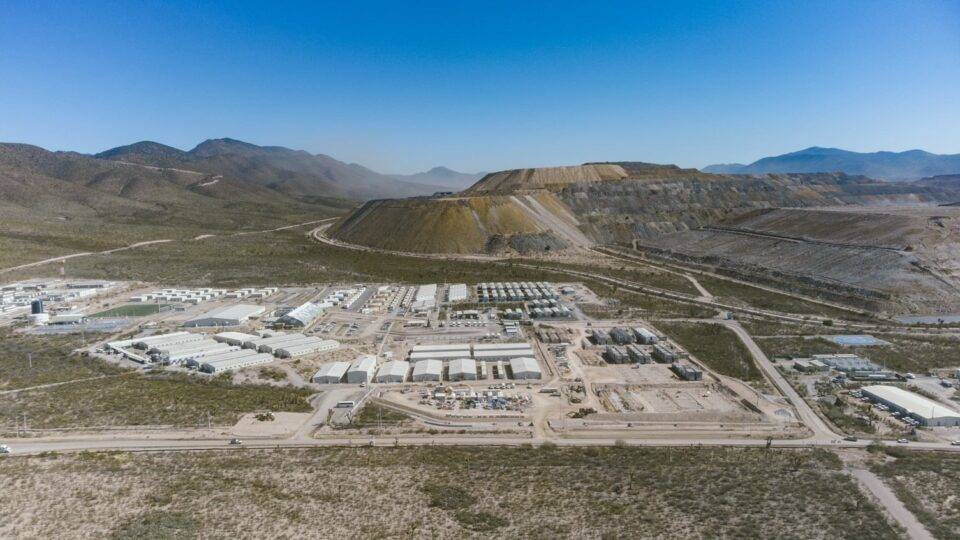
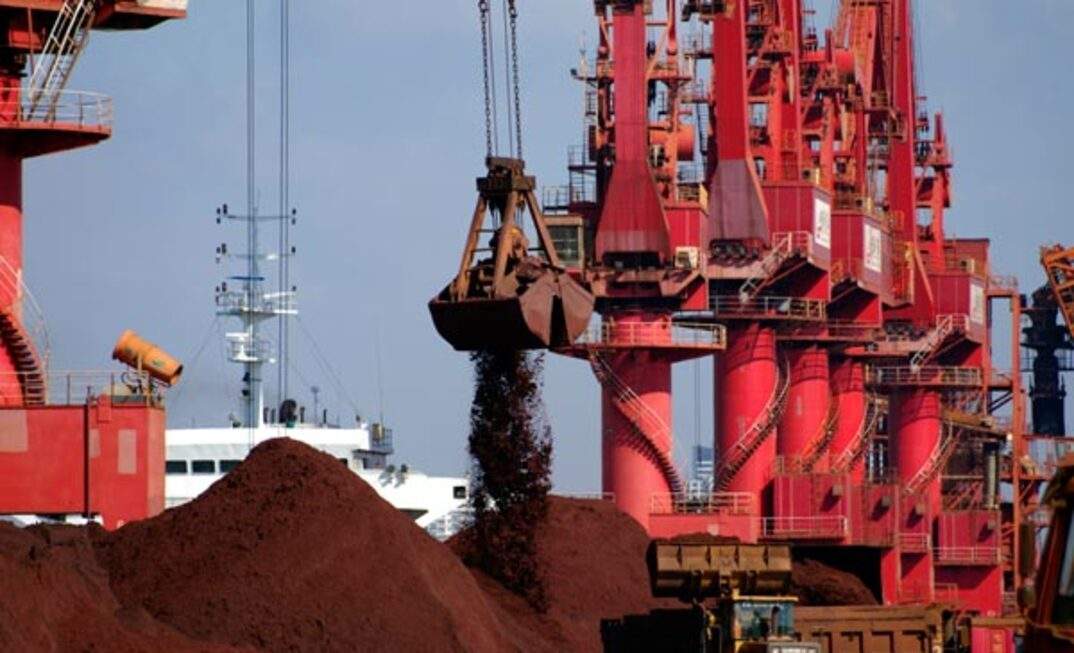
en.Wedoany.com Reported - Peru's Miski Mayo Mining Company is transforming "Safety First" from a slogan into daily practice, with its 2,300 employees (including direct hires and contractors) operating under this principle across the entire chain from mining to port loading. This transformation relies on the Integrated Management System (SIG) of its parent company, Mosaic, ensuring standardized processes so all personnel operate under uniform rules. The core is the "9 Rules to Protect Life"—non-negotiable norms based on historical industry accident analysis, designed to isolate daily operations from the risk of serious injury.
On-site safety changes are implemented through the L.E.G.O. (Leaders Engage – Go Observe) tool, requiring leaders to directly participate in operations, record risks in real-time, and recognize good practices, thereby signaling that safety is a management priority. Leaders use the COACH method (Cuidado activo, Observación, Análisis, Comunicación y Ayuda or Help) to engage with workers, guiding them through respectful communication to identify areas for improvement, reinforcing trust and self-care.
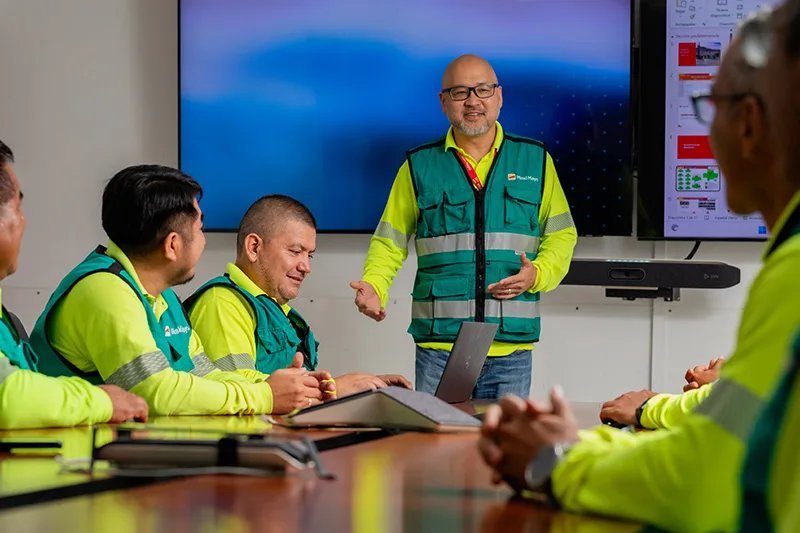
Workers have the authority to stop work using the "Pause for Life" (Haz un pare por la vida) tool; before starting a task, workers must consciously pause to verify control measures and can stop operations without fear of retaliation if unsafe conditions exist. The weekly Thursday PAR meeting (Programa de Actitud Responsable) gathers approximately 200 people, including managers, contractor leaders, administrative and operational staff, to analyze data, share near-miss experiences, and align standards, ensuring everyone returns home safely. Over 15 years of operation, Miski Mayo has been named Peru's safest mining company (open-pit category) first place seven times in the national competition of the Mining Safety Institute (ISEM), and recently received an honorary plaque, ranking second in the last competition.
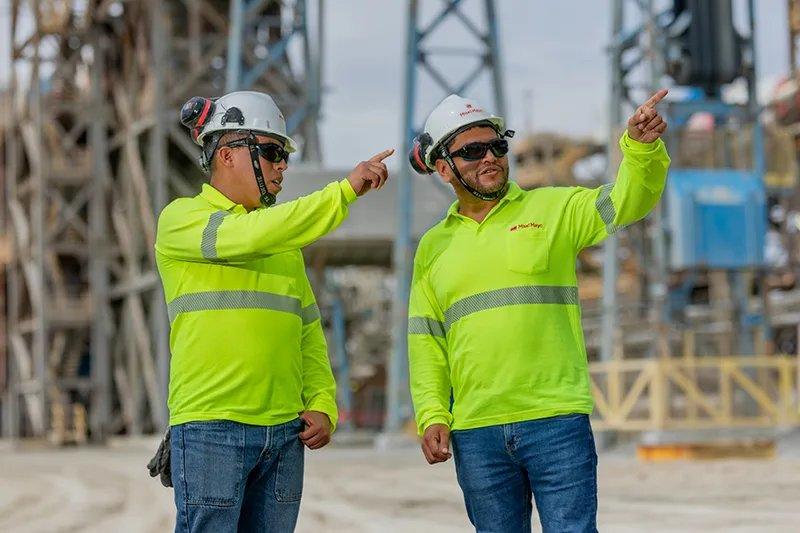
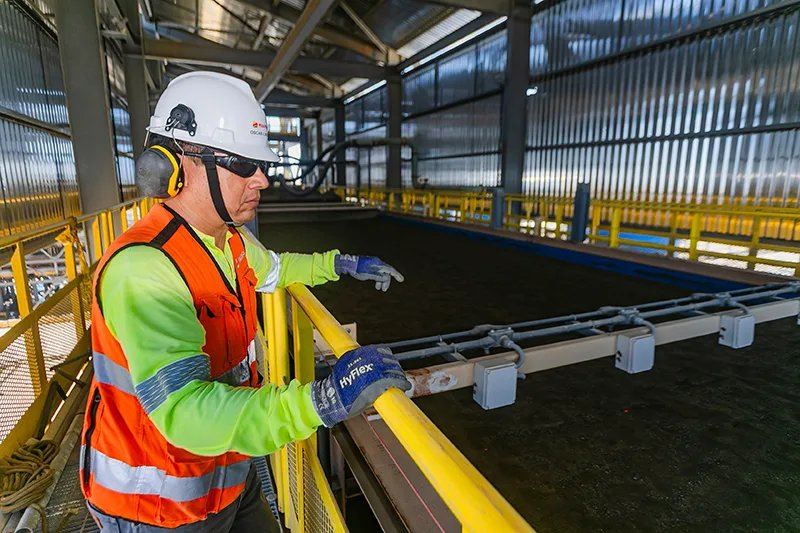
Safety improvements are reflected in employee-driven innovations. The 11th Safety Best Practices Competition recognized four projects originating from the field. The first place project addressed conveyor belt pulley lifting: previously requiring six technicians using manual hoists and suspended loads, it now uses a certified "C" structure, requiring only two people with a single crane positioning, cutting execution time in half and eliminating direct interaction with suspended loads.
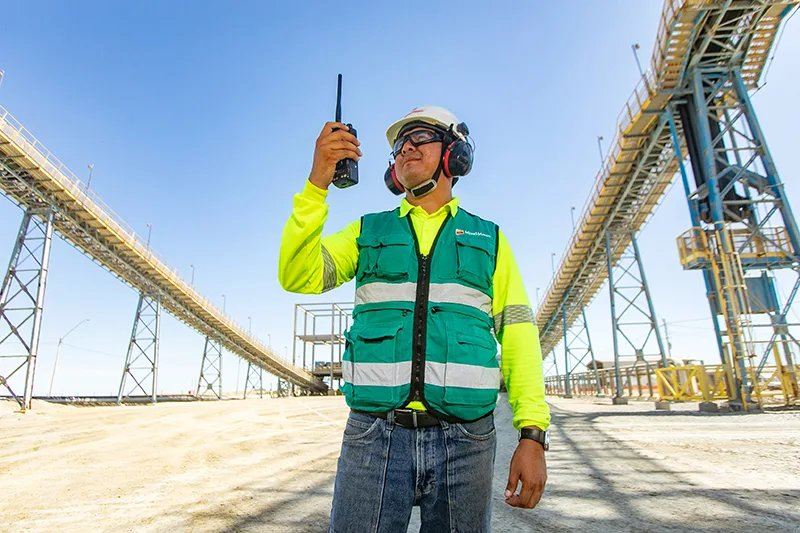
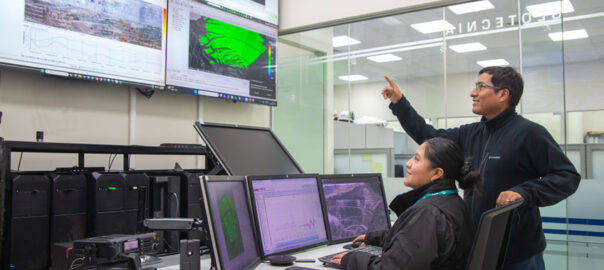
Among the other three projects, one installed a worm gear system enabling millimeter-level alignment of 300-ton/hour belt filter cloth from outside the danger zone, eliminating human-machine interaction; another deployed three-axis sensors and artificial intelligence online monitoring in the drying plant, reducing data collection from three hours of field exposure to three minutes in the office, enabling real-time fault warnings.
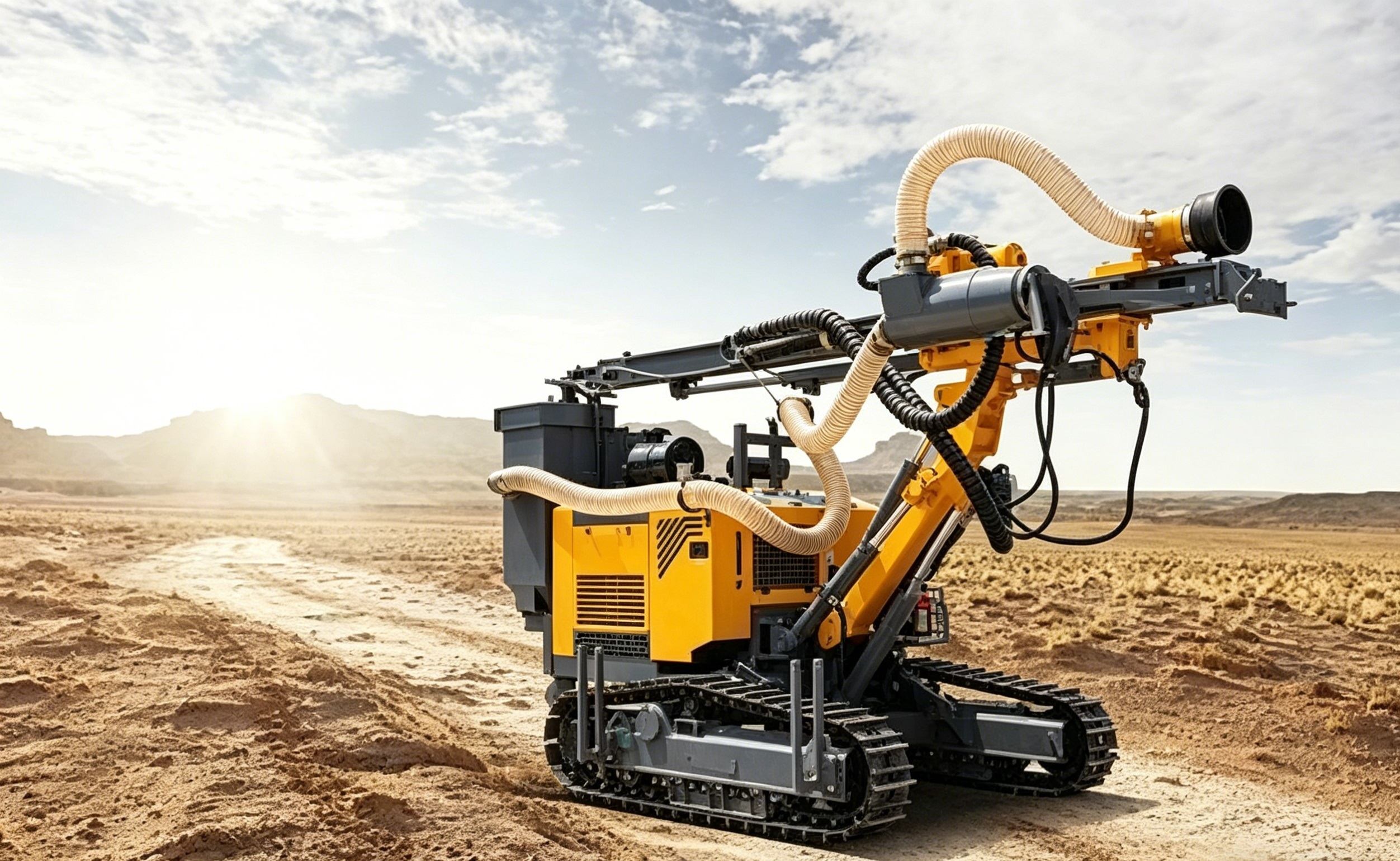
The fourth innovation project used an articulated sliding mechanism to support tool weight, solving ergonomic issues in maintaining Feeder Breakers at the concentrator plant: previously requiring two technicians to operate a 14 kg impact wrench to tighten 152 fasteners, now one person can complete the task, reducing the risk level from "very high" to "low."
This article is compiled by Wedoany. All AI citations must indicate the source as "Wedoany". If there is any infringement or other issues, please notify us promptly, and we will modify or delete it accordingly. Email: news@wedoany.com