AngloGold Ashanti Showcases Innovative Applications of Gold By-products in Brazil from June to July
en.Wedoany.com Reported - At the 11th Modernos Eternos BH exhibition, AngloGold Ashanti presented several new products and activities, highlighting new uses for gold by-products (co-produtos do ouro) in art, design, architecture, and the circular economy (economia circular). Exhibits included original jewelry, paints made from natural pigments derived from mining (mineração), and a series of lectures on resource reuse (reaproveitamento de recursos).
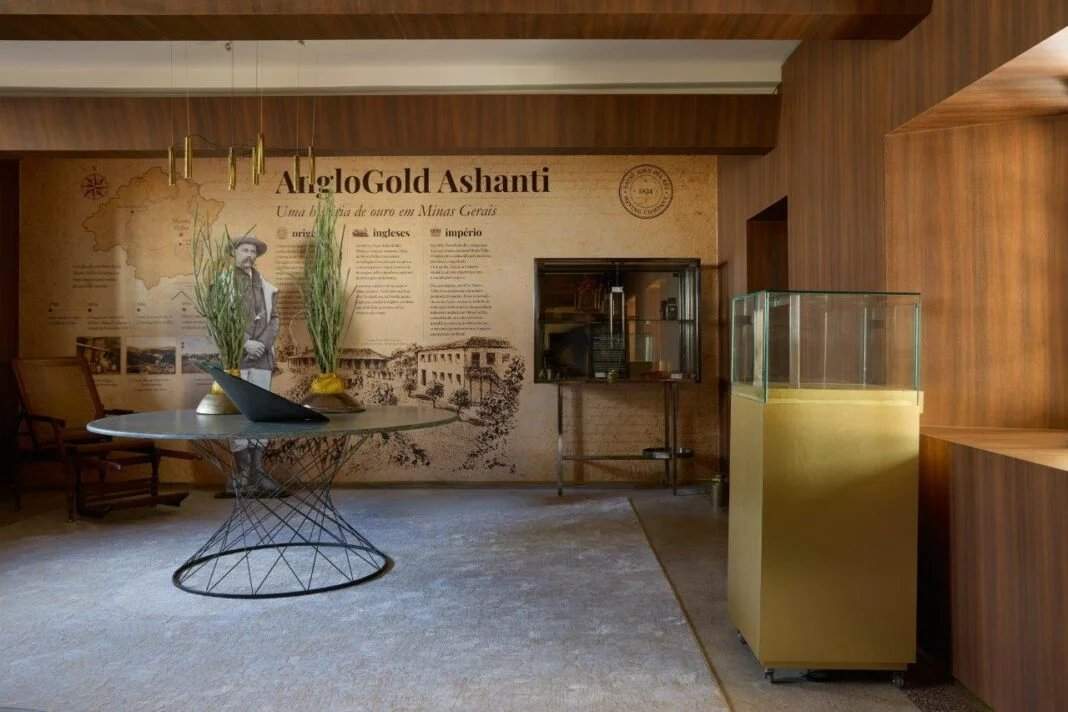
The exhibition was sponsored by the Federal Law for Cultural Incentives (Lei Federal de Incentivo à Cultura). AngloGold Ashanti used this platform to showcase practices integrating innovation (inovação), sustainability (sustentabilidade), and the valorization of the cultural heritage of Minas Gerais. The exhibition took place from June 16 to July 12 at the Pedro II State School (Escola Estadual Pedro II) in Belo Horizonte, bringing together professionals and projects from the fields of architecture, design, and historical preservation.
A major highlight was jewelry created by invited designers using gold by-products. These pieces were displayed in the company's concept space, designed by architect Cássio Gontijo, with themes revolving around cultural identity (identidade cultural), transformation, memory, and territory. The public could view the Konfetti necklace by Leonardo Rotsen, the jewelry sculpture "Lemniscata: Entre a Matéria e a Forma" (Between Matter and Form) by Sérgio Stark, rose gold earrings with raw stones by Ana Maria Diniz and Zilda Santiago, and the Arcadia ring developed by Laura Carvalho.
The traditional "Street Action" (Ação Street) was another component of the exhibition. In partnership with Dacapo Revestimentos, AngloGold Ashanti co-developed paints using natural pigments (pigmentos naturais) derived from gold by-products. These paints were used in artistic works (obras artísticas) and to decorate the exhibition environment, offering a new sustainable use (uso sustentável) for materials sourced from mining (Mineração).
Works by the Embroiderers of Caeté (Bordadeiras de Caeté) and the Weavers' House of Brumal (Casa das Tecelãs de Brumal) were also featured. Inspired by the Gold Cycle (Ciclo do Ouro) and the cultural heritage of Minas Gerais, these pieces employed traditional techniques such as free embroidery, crochet, fringes, openwork trims, and tapestries, passing down knowledge from generation to generation. Artist Regina Medeiros also created glass ornaments, with designs inspired by gold mining tools and incorporating gold (ouro) in their composition, further strengthening the connection between heritage, art, and mining activity (atividade mineral).
Fernando Cláudio, Director of the AngloGold Ashanti Institute (Instituto AngloGold Ashanti), stated that these initiatives reflect the company's commitment to innovation and sustainability. Finding new uses for materials sourced from mining contributes to sustainable development (desenvolvimento sustentável) while promoting the valorization (valorização) of local culture and traditional knowledge.
This article is compiled by Wedoany. All AI citations must indicate the source as "Wedoany". If there is any infringement or other issues, please notify us promptly, and we will modify or delete it accordingly. Email: news@wedoany.com
Related Products


Quick-Change Single-Seat Control Valve / Quick-Change High-Pressure Single-Seat Control Valve
Beijing Consen Automation Technology Co., Ltd.
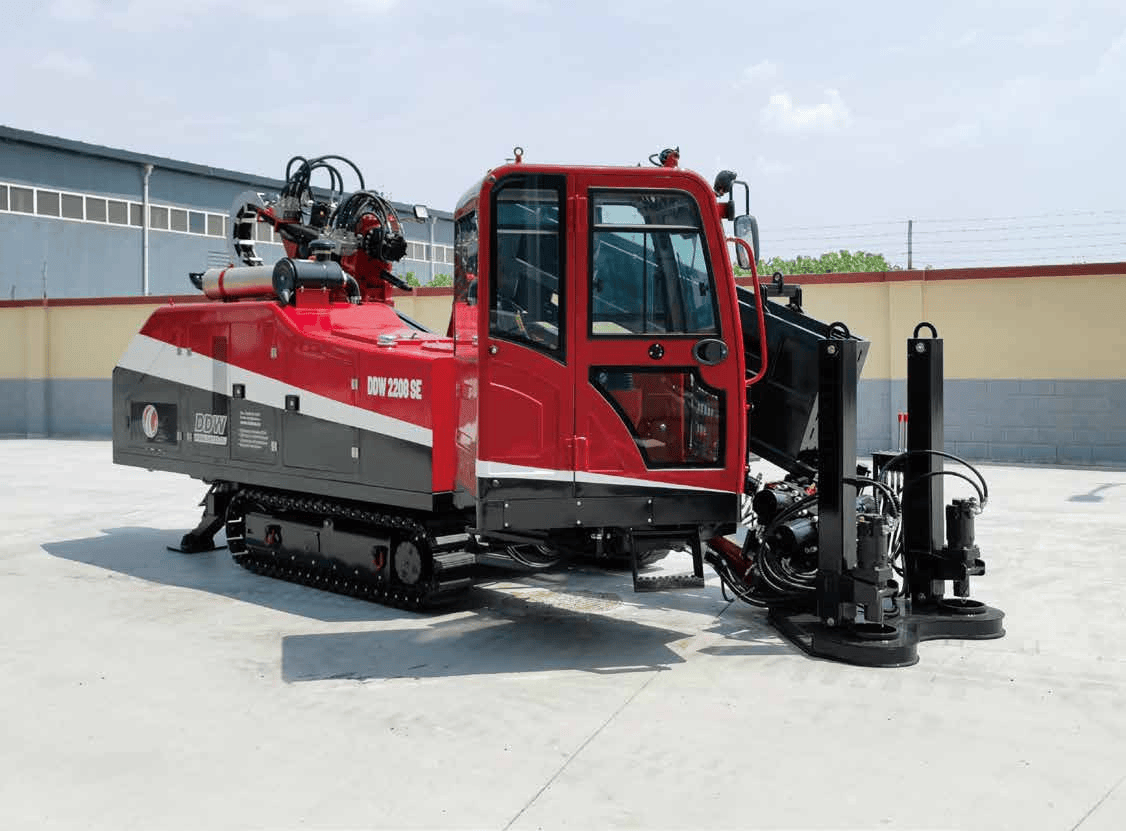
DDW22/08SE-HORIZONTAL DIRECTIONAL DRILL
DW/TXS Construction Equipment (Beijing) Co., Ltd.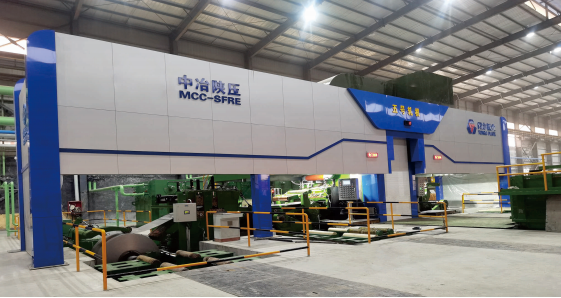
1050-1750mm Steel Strip Single-stand Reversible Cold Rolling Production Line
MCC-SFRE HEAVY INDUSTRY EQUIPMENT CO., LTD.
Integrated Excavation and Anchoring Machine (EJM Series)
China Railway Construction Heavy Industry Corporation Limited