Amcham Brasil: Critical Minerals Could Add R$192.1 Billion to GDP by 2050
en.Wedoany.com Reported - A study released last week by the American Chamber of Commerce in Brazil (Amcham Brasil) in Belo Horizonte (Minas Gerais) shows that expanding investments in the critical minerals and rare earth supply chain could add R$192.1 billion cumulatively to Brazil's Gross Domestic Product (GDP) by 2050 and create 750,000 new jobs. This outlook is based on the most positive scenario and incorporates international participation factors.
The study compared two pathways for the development of Brazil's critical minerals and rare earth supply chain. In the first pathway, investments are primarily financed by domestic capital, production remains largely export-oriented, domestic added value is lower, and the cumulative GDP impact is R$128.7 billion, with an estimated 304,000 jobs created. The second pathway incorporates greater participation of foreign investment, an expansion in the scale of mineral processing within Brazil, and increased domestic industrial use of these inputs. Under this assumption, investments increase by R$120.9 billion, the cumulative GDP impact reaches R$192.1 billion, and an estimated 750,000 jobs are created. Compared with the first scenario, GDP increases by R$63.4 billion, with an additional 446,000 jobs.
From a regional distribution perspective, the areas with the greatest GDP impact are concentrated in mining states, with Pará (16%), Bahia (10.3%), Goiás (10%), Piauí (4%), and Minas Gerais (3.8%) standing out. The enhanced domestic processing capacity also expands benefits to more industrialized states, with the largest additional gains in Santa Catarina, Minas Gerais, São Paulo, and Paraná, indicating that higher added value extends economic effects beyond production regions.
At the sector level, cumulative growth in manufacturing under the second scenario is 1.8%, nearly three times that of the first scenario; construction (4.5%) and extractive industries (4.2%) also stand out. Among industrial subsectors, the largest impacts are in electrical machinery and equipment (16.7%), mining machinery (9.8%), automotive (5.5%), and machinery and equipment (2.9%).
Amcham Brasil President Abrão Neto stated that attracting more investment and increasing added value in Brazil can extend the economic benefits of the critical minerals supply chain beyond producing states, while also driving industrial regional development and strengthening the country's participation in global technology and energy transition chains.
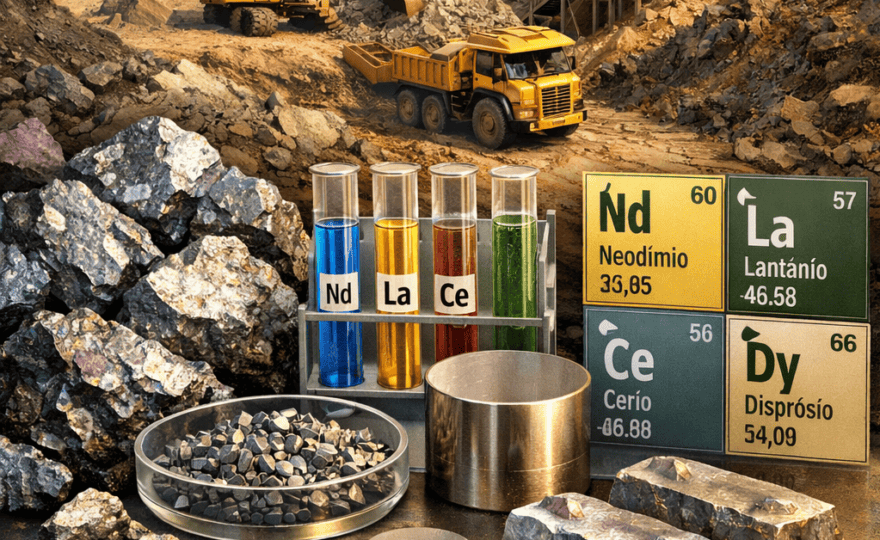
The study was authored by researchers from the Federal University of Minas Gerais (UFMG) and the Federal University of Juiz de Fora (UFJF), with support from the Chamber of Commerce and industry companies. The study draws on existing forecasts from other global and Brazilian studies to estimate demand for these minerals and rare earth elements, as well as the scale of the projected investment portfolio, covering minerals including cobalt, copper, graphite, lithium, nickel, and rare earth elements.
Related Products

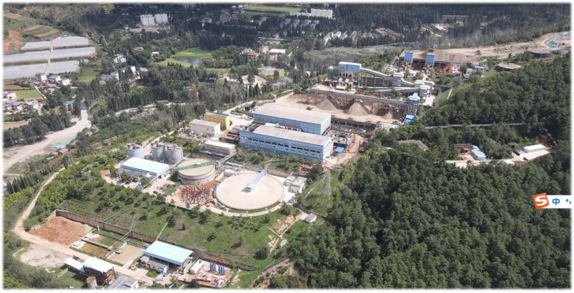
Yunnan Phosphorus Chemical Group Co., Ltd. 2 Million t/a Phosphorus Ore Mining and Beneficiation Project
China Bluestar Lehigh Engineering Corporation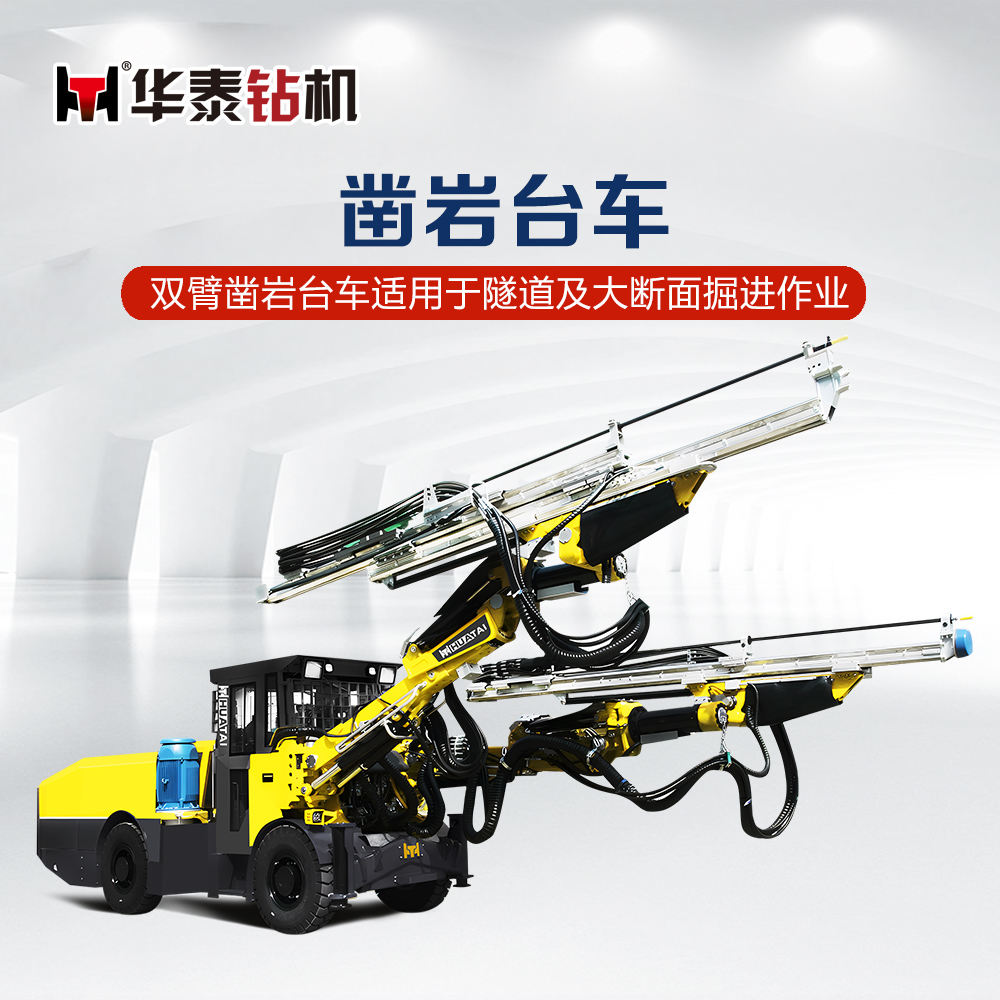
CYTJ45/2 Mining Hydraulic Tunneling Drill Rig
Zhangjiakou Xuanhua Huatai Mining and Metallurgical Machinery Co., Ltd.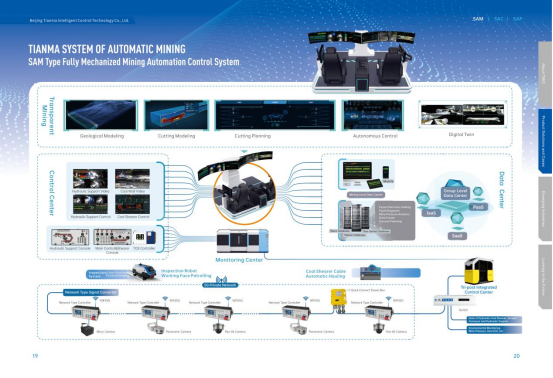
Comprehensive Mining Automation Control System
Beijing Tianma Intelligent Control Technology Co., Ltd.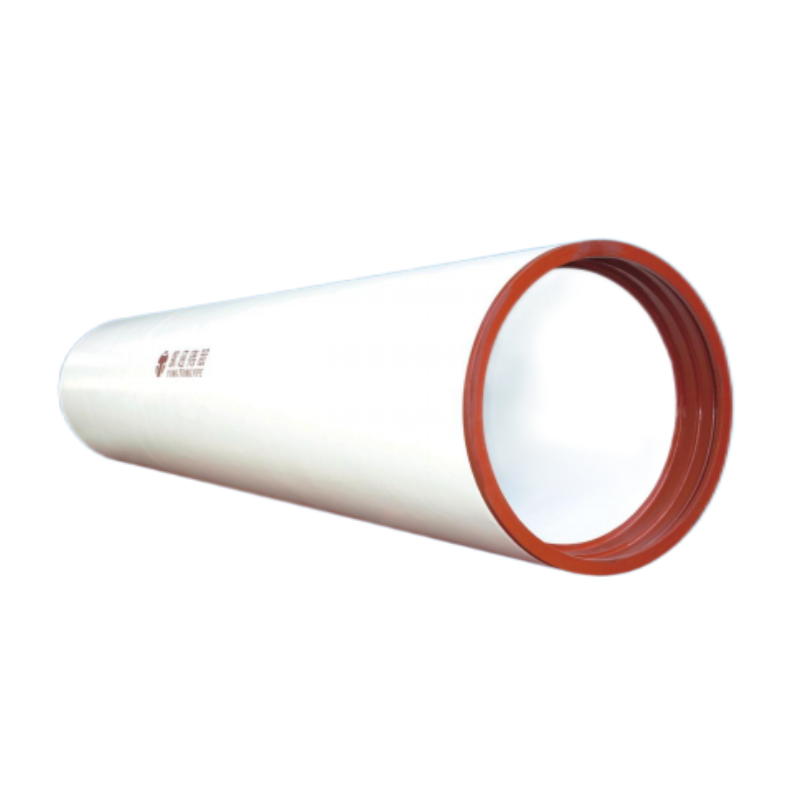
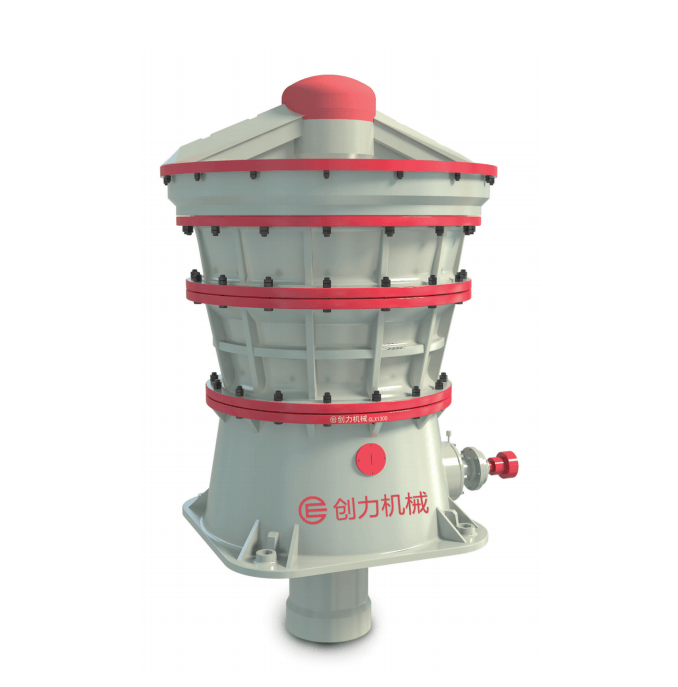
CLX Series Intelligent Hydraulic Gyratory Crusher
Guangdong CHUANGLI intelligent machinery Equipment Co., LTD

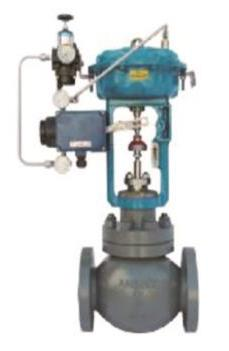
Quick-Change Single-Seat Control Valve / Quick-Change High-Pressure Single-Seat Control Valve
Beijing Consen Automation Technology Co., Ltd.