BHP Calls for Regulatory and Tax Certainty in Chile to Advance New Copper Mine Investments
en.Wedoany.com Reported - Alejandro Tapia, president of the Escondida copper mine, stated at a Chilean mining seminar on August 13, 2026, that Chile needs to maintain stability in tax, legal, and regulatory policies, and establish a predictable project approval process, in order to attract the long-term capital required to meet future copper demand. BHP's statement does not involve any new investment decisions or additional investment amounts.
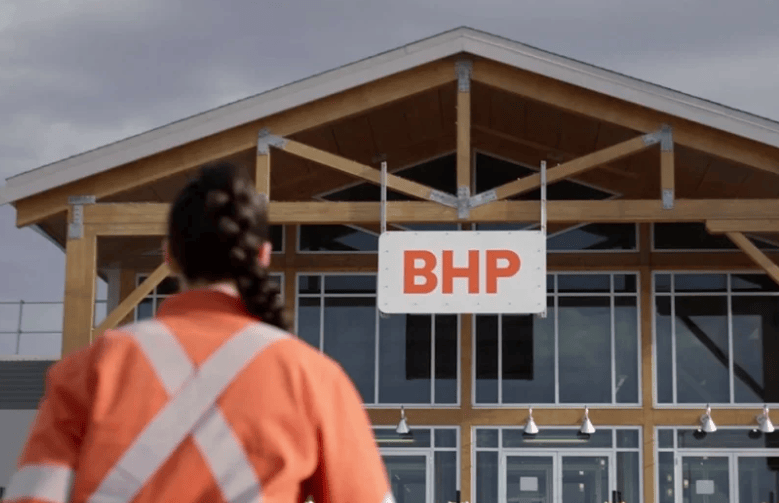
BHP expects global copper demand to rise to approximately 50 million tonnes per year by 2050. Tapia stated that Chile needs to simultaneously advance efforts to expand output, improve productivity, and increase the added value of the mining sector, and that the predictability of the approval process will directly affect investment planning for capital-intensive copper projects across economic cycles. Companies are seeking to reduce approval uncertainty, but no lowering of environmental assessment standards has been proposed.
The discussion comes as Chile advances its tax reform. Current proposals include gradually reducing the corporate income tax rate from 27% to 23%, and allowing large projects that meet specific investment conditions to apply for tax stability agreements. The measures remain in the legislative process, with the specific eligibility criteria and implementation timeline depending on the final text of the law as enacted.
BHP operates two copper mines in Chile: Escondida and Spence. The company has previously outlined an investment plan of up to $10.8 billion over the next decade for Escondida, covering ore processing system optimization, mine development, leaching treatment, tailings facilities, and decarbonization upgrades. Environmental permitting has already advanced for the first phase, approximately $2 billion in concentrator plant optimization works, aimed at maintaining copper output amid declining ore grades.
This policy request does not change the approval status of existing projects, nor does it mean that the $10.8 billion investment has received full final approval. BHP will decide on subsequent capital expenditures in phases, based on tax rules, regulatory stability, permitting progress, and project economics.
Related Products
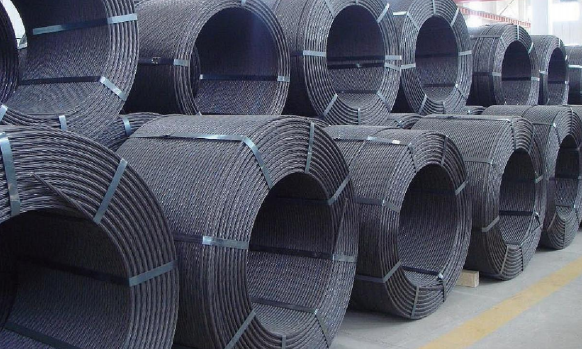

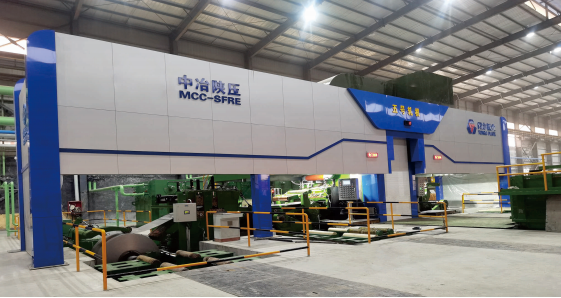
1050-1750mm Steel Strip Single-stand Reversible Cold Rolling Production Line
MCC-SFRE HEAVY INDUSTRY EQUIPMENT CO., LTD.
Industrial and Commercial Point-Type Gas Detector
Jinan Benan Technology Development Co., Ltd.
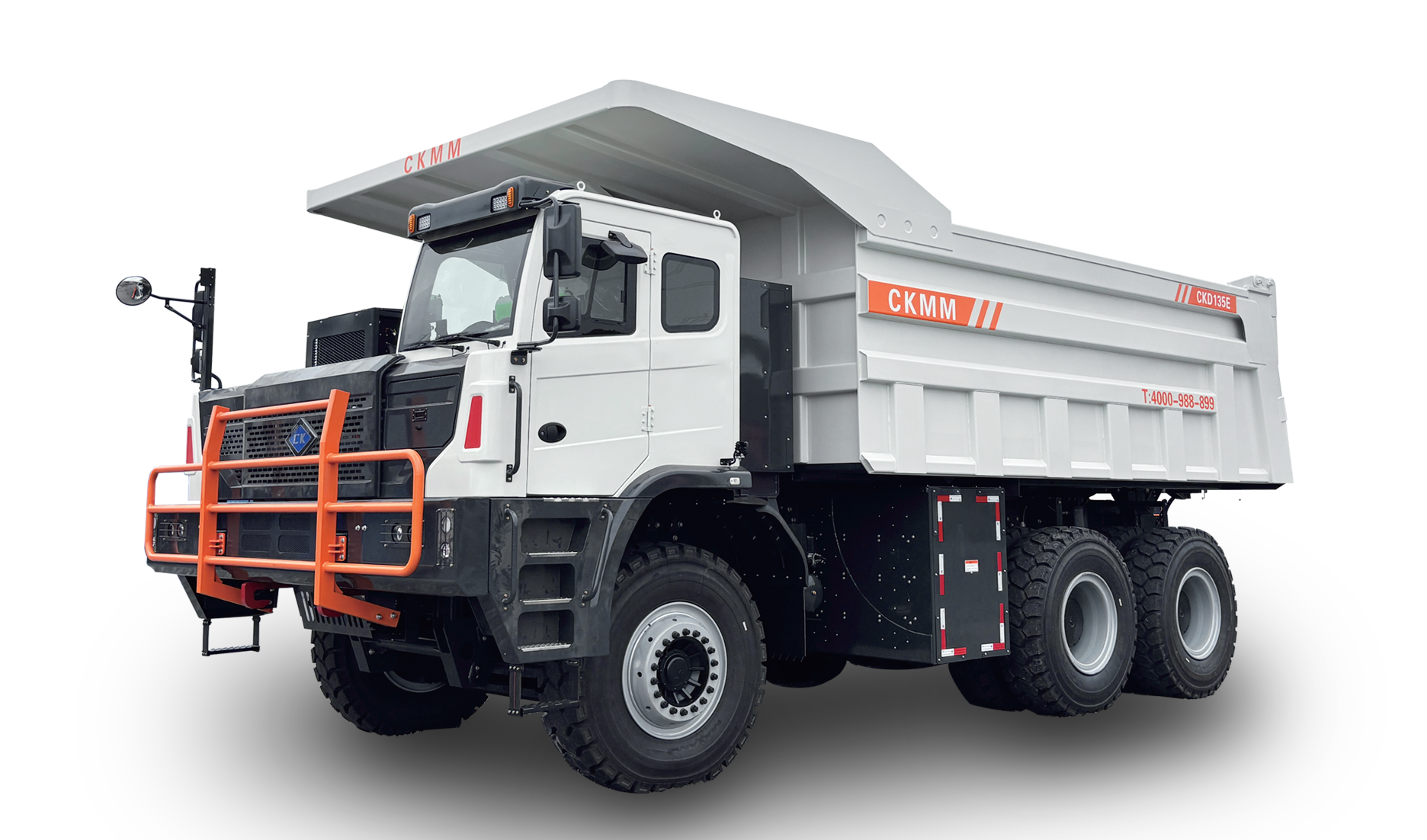
CKD135E Pure Electric Wide-body Dump Truck
Jiangsu Changkuang Engineering Machinery Co. Ltd.
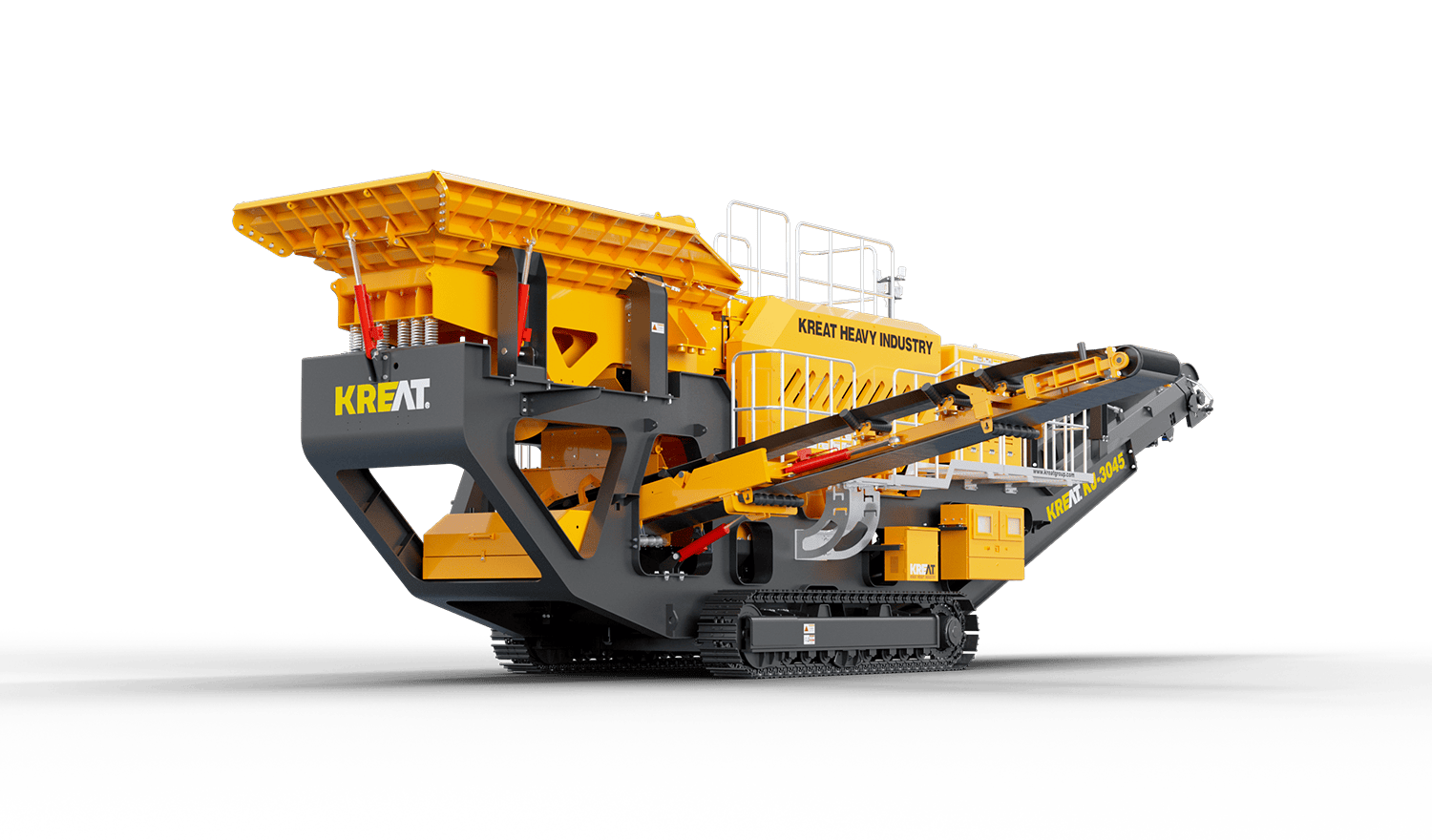
KJ-3045 Crawler Mobile Jaw Crushing Station
Yunnan Kairuite Construction Machinery Equipment Co., Ltd.