Chile's Mining Water Transformation Drives 64 Projects with Approximately US$25.6 Billion in Investment
en.Wedoany.com Reported - On September 29, Chile's mining industry is advancing a new round of water infrastructure construction. A study conducted in 2025 by the Chilean Desalination and Reuse Association ACADES and the capital goods company CBC identified a total of 64 projects at various engineering and construction stages, covering seawater desalination, wastewater reuse, and seawater conveyance, with total related investment of approximately US$25.6 billion.

The Chilean Copper Commission Cochilco estimates that water demand from Chile's copper mining industry will grow at an average annual rate of 1.2% from 2025 to 2034, reaching 20.6 cubic meters per second by 2034. Cochilco's latest project list shows that multiple desalination and water conveyance projects have entered the implementation phase, among which the Collahuasi C20+ project plans to add 1,050 liters per second of desalination capacity, the first phase of Codelco's northern mining district desalination plant has a capacity of 840 liters per second and can later be expanded to 1,956 liters per second, and Aguas Pacífico's Aconcagua project will supply 500 liters per second of desalinated water to the Los Bronces mine.
A further batch of additional capacity is expected to come online around 2027. Antofagasta Minerals' Los Pelambres Operational Adaptation project plans to increase existing desalination capacity by 400 liters per second; Nueva Centinela's SIAM II seawater conveyance system plans to add 652 liters per second, raising total conveyance capacity to 1,280 liters per second. The Marimaca copper project and the Santo Domingo project have also each planned seawater or desalinated water facilities, with the Santo Domingo project designed for a desalination capacity of 366 liters per second.
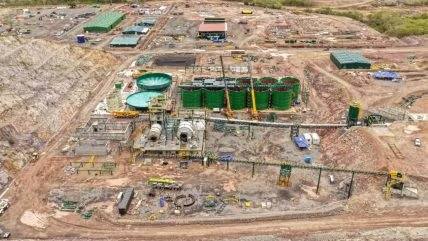
Chile's mining water infrastructure has expanded from the standalone construction of desalination plants to seawater intake, desalination, long-distance water conveyance, pumping stations, water storage, power distribution, and internal water supply systems at mine sites. Large mining projects such as Quebrada Blanca Phase II have already adopted desalinated seawater to supply high-altitude mining areas, and subsequent projects will also add wastewater reuse and renewable energy-driven desalination solutions.
Related Products


Mine Explosion-proof and Intrinsically Safe Industrial Ethernet Ring Network (10 Gigabit/Gigabit)
Chongqing Mas Sci&Tech Co., Ltd.
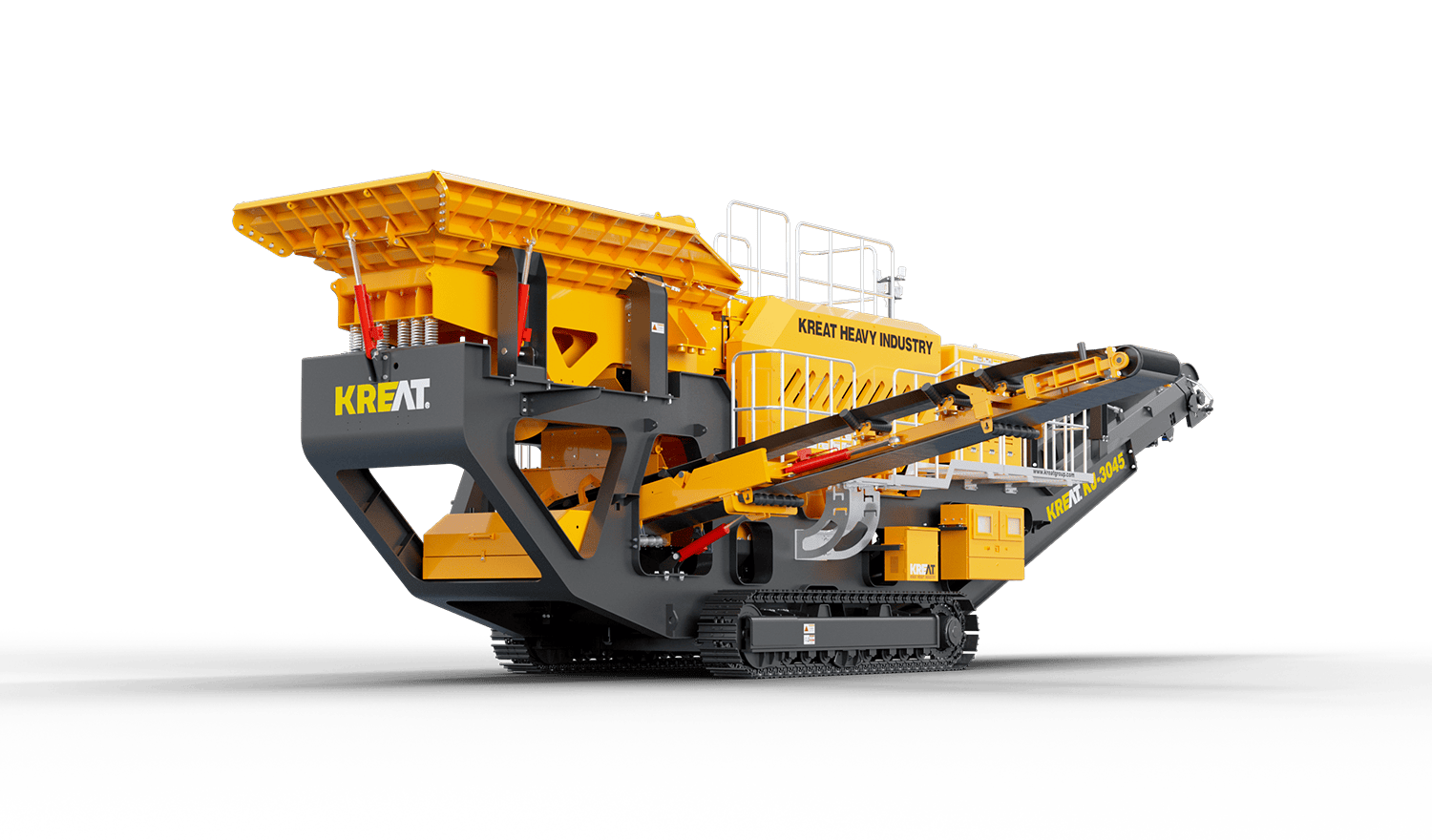
KJ-3045 Crawler Mobile Jaw Crushing Station
Yunnan Kairuite Construction Machinery Equipment Co., Ltd.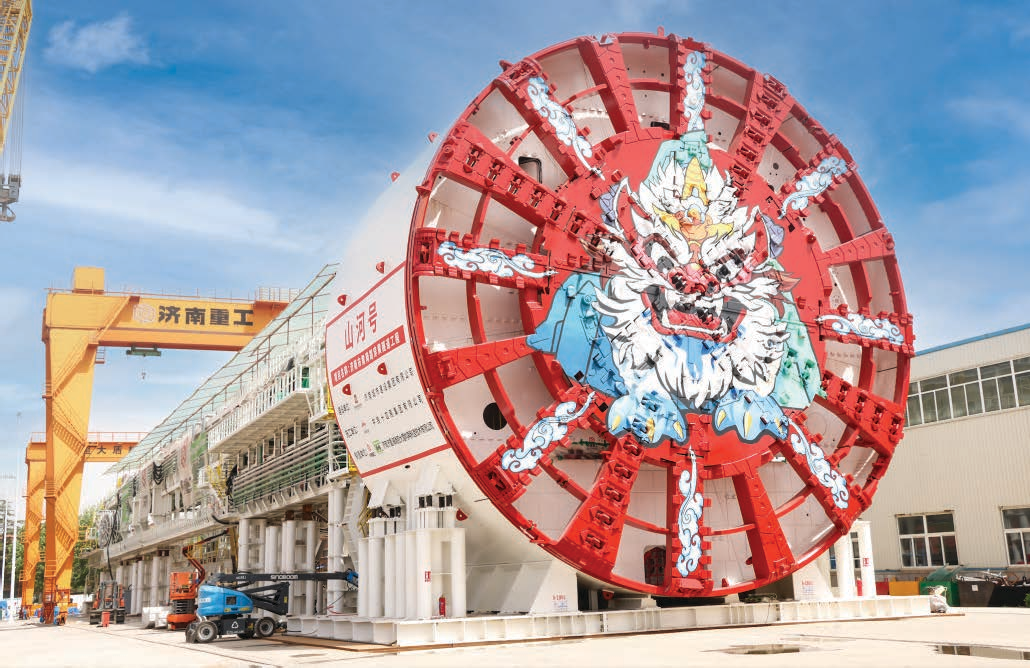
High-temperature Equal Wall Thickness High-power Screw Drilling Tool
Orient Energy & Technologies Co., Ltd.