Mexico and U.S. Inaugurate $51 Million Sterile Fly Facility to Combat Screwworm
en.Wedoany.com Reported - Representatives from Mexico and the United States met in the state of Chiapas to inaugurate a sterile fly production facility aimed at combating the New World screwworm. The two countries are intensifying efforts to control this livestock pest, which has recently spread to the United States.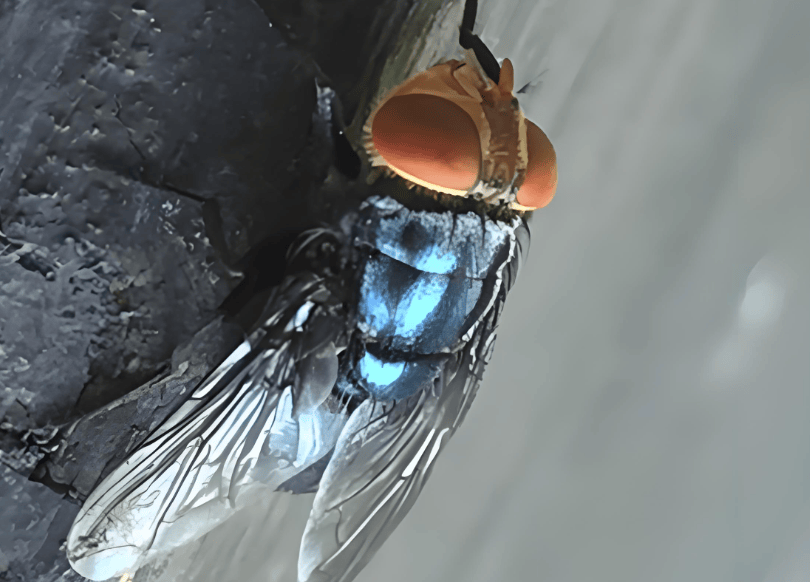
Mexican President Xinbaum, along with U.S. Ambassador to Mexico Johnson and U.S. Agriculture Secretary Rollins, traveled to Chiapas on June 27 to officially inaugurate the sterile fly facility. Xinbaum stated that the visit reflects the close cooperation between the two nations, noting that the project, jointly funded by both countries, is the result of their shared efforts.
The production facility, located in Metapa de Domínguez, Chiapas, was renovated through a total investment of $51 million from both countries, with Mexico contributing $30 million and the United States $21 million. The core technology involves the large-scale release of male flies sterilized through radiation to prevent pest reproduction and gradually reduce field populations. This internationally proven technique has demonstrated effectiveness in eradicating New World screwworm outbreaks in the region, saving millions of dollars and reducing the need for chemical pesticides.
The New World screwworm causes severe economic losses to the livestock industry, affecting cattle, sheep, and other domestic animals. Livestock organizations estimate that in 2025 alone, losses could exceed 15 billion Mexican pesos ($800 million) due to the temporary closure of the U.S. border to live cattle imports from Mexico, encompassing declines in export sales, increased health costs, and animal movement restrictions. In the United States, the outbreak prompted the federal government to allocate $165 million in emergency funds in 2024 to contain the spread and enhance monitoring and control. Historical data shows that when the New World screwworm emerged, annual losses to the U.S. livestock industry exceeded $100 million.
On June 3, 2026, the U.S. Department of Agriculture confirmed the first case of New World screwworm in the United States in over sixty years, followed by at least 20 cases detected in Texas and New Mexico. The USDA attributed part of the spread to irregular cattle movements along the U.S.-Mexico border. In response to the outbreak, the United States announced in 2025 a $750 million investment to build a new sterile fly production facility in Texas, with construction beginning in April 2026 and expected to be operational by the end of 2027. Until then, the U.S. will rely on sterile insect production in Panama and supplementary facilities in Mexico.
Secretary Rollins' visit also included technical meetings to assess the plant's progress, the impact of experimental sterile fly releases, and updates to the bilateral agricultural and veterinary cooperation protocol. Xinbaum reiterated the importance of diplomacy in maintaining relations with the United States, stating that despite differences over tariffs and the protection of Mexican nationals in detention centers, the Mexican government will make every effort to maintain good relations while defending its principles.
To support containment and eradication efforts, Mexico's Ministry of Agriculture and Rural Development, through the National Service for Health, Safety, and Agri-Food Quality (SENASICA) and the International Regional Organization for Plant and Animal Health (OIRSA), is promoting a training program titled "Management and Treatment of New World Screwworm in Dogs and Cats" to improve detection, management, and treatment of suspected cases. The training courses have already reached over 1,000 participants, held at institutions such as the Faculty of Veterinary Medicine of the National Autonomous University of Mexico (UNAM) and the Mexican Federation of Veterinary Medicine and Animal Science Colleges and Associations (FedMVZ). To date, SENASICA has inspected over 5 million head of livestock nationwide, deploying a veterinary network capable of responding to reports within 24 hours, providing treatment, and collecting samples. Meanwhile, nearly 7 billion sterile flies have been released at key locations to reduce wild fly populations and support the eradication campaign.
Related Products



Industrial and Commercial Point-Type Gas Detector
Jinan Benan Technology Development Co., Ltd.

714CD Series C-Band Weather Radar
Chengdu Zhongdian Jinjiang Information Industry Co., Ltd.
4HS-8 High-efficiency Peanut Inverted-laying Harvester
Hebei Yongfa Hongtian Agricultural Machinery Manufacturing Co., Ltd.