German Railway to Launch ETCS Level 2 on Freiburg–Haltingen Route in December 2026
en.Wedoany.com Reported - German railway company Deutsche Bahn has announced that it will resume ETCS Level 2, Baseline 3 operations on the Freiburg–Haltingen section on December 13, 2026, and will also activate the system on the newly built Müllheim–Schliengen segment. This project equips a total of approximately 80 kilometers of the Rhine–Alps Corridor with a digital train protection system, marking the first time in Germany that three safety systems—ETCS, Linienzugbeeinflussung (LZB), and Punktfoermige Zugbeeinflussung (PZB)—will operate simultaneously.
The core system of the project is ETCS Level 2, Baseline 3, which uses GSM-R for continuous data transmission and track balises for positioning. Hitachi has supplied the Radio Block Centers, a first for the German railway network. These Radio Block Centers are responsible for providing movement authority data and have been integrated with the existing PZB and LZB systems. During construction, the project team needed to install high-density balises and developed transition zones between the three safety systems, all of which were completed without interrupting commercial traffic.
ETCS Level 2 is the mandatory train control standard set by the EU for new high-speed and conventional lines. As of 2024, contracts for this standard have been signed in over 50 countries, covering a total distance of more than 70,000 kilometers (source: UNIFE, 2024). Unlike the Communications-Based Train Control (CBTC) systems deployed in urban metros, ETCS Level 2 supports mixed-traffic mainline operations at speeds of up to 500 km/h. For example, Siemens Trainguard MT CBTC operates in isolated metro environments with speed limits of around 80 km/h and uses moving block operation; Thales SelTrac CBTC has been deployed on over 2,000 kilometers of metro lines worldwide but cannot be extended to heavy-haul or intercity corridors (source: Siemens, 2023; Thales, 2023). China's CTCS-3 system is derived from ETCS, but its interoperability is limited to domestic networks.
The Freiburg–Haltingen project demonstrates a practical migration strategy by operating three safety systems simultaneously. This model can be replicated on other existing lines globally. Germany's broader railway signaling market is expected to grow as traditional GSM-R infrastructure is modernized toward the 5G-based Future Railway Mobile Communication System (FRMCS). In June 2026, a nationwide GSM-R failure caused a complete shutdown of train services across the country, highlighting the urgency of digital communication upgrades (source: Associated Press News, June 2026; IndexBox Market Analysis, 2025).
Related Products


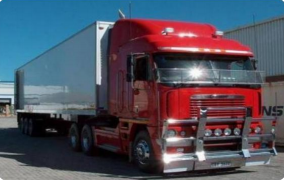

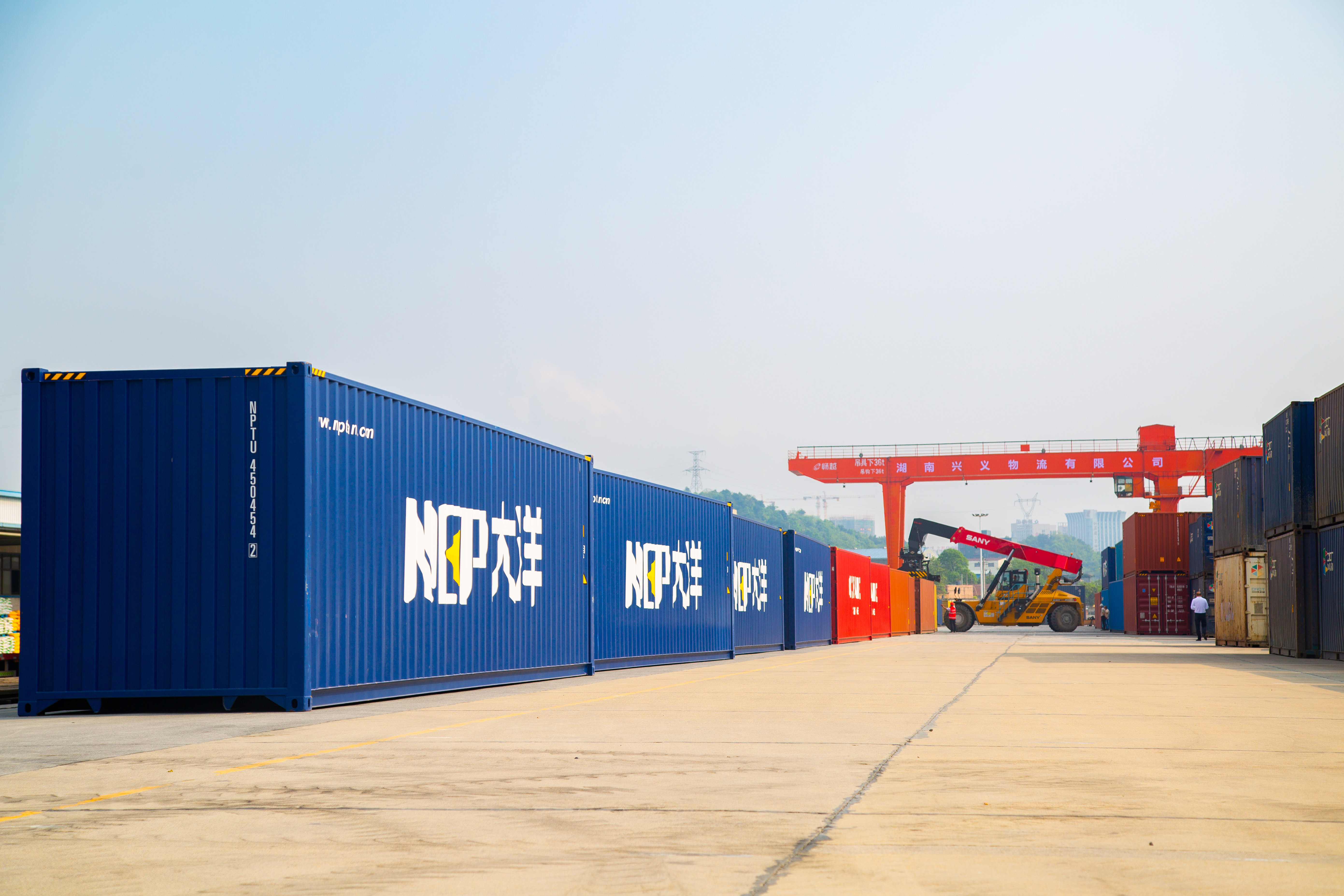
China - Alashankou/Khorgos - Europe Full Range Transportation (Mala/Hamburg/Duisburg/Budapest, etc.)
Shenzhen Neptune Logistics Co., Ltd.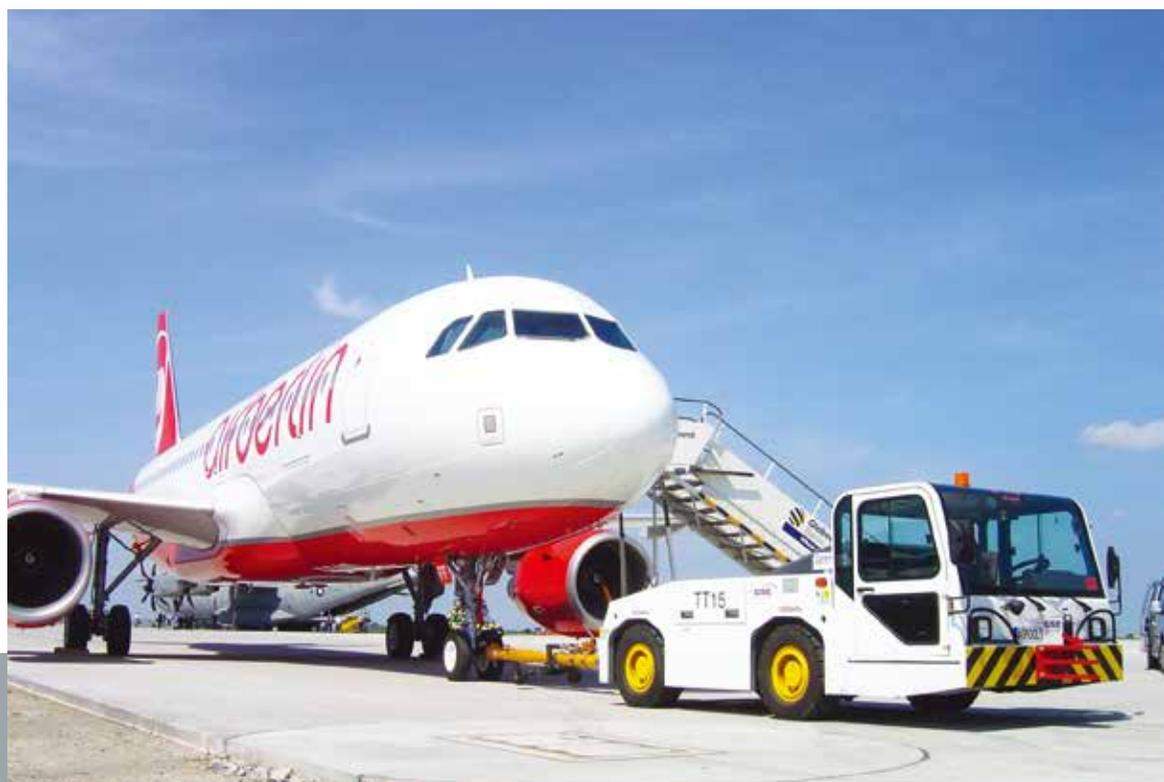
WGQY Series Aircraft Tow Tractor-WGQY15, WGQY27
Weihai Guangtai Airport Equipment Co., Ltd.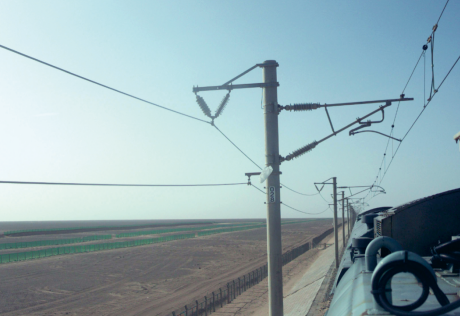
Pantograph-Catenary Comprehensive Detection Device (1C)
CHENGDU TANGYUAN ELECTRIC CO., LTD.
GSR6-27.5kV SF6 Free Gas-insulated Metal-enclosed Switchgear
Zhejiang Juhonkia Intelligent Electric Co., Ltd.