Intesa Sanpaolo partners with Google Cloud and Tim to complete core IT system migration
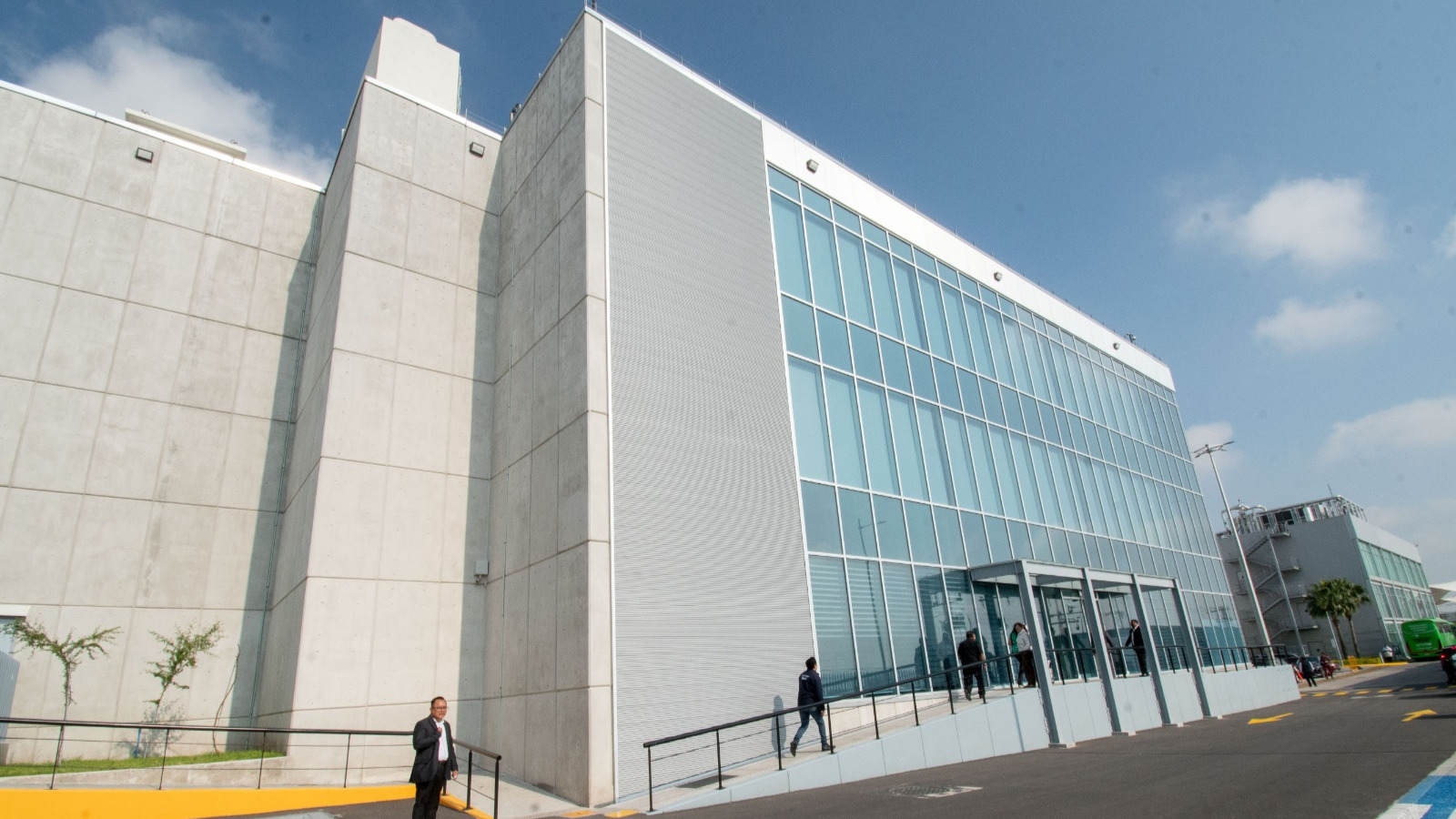
en.Wedoany.com Reported - Intesa Sanpaolo has completed the cloud migration of its core IT systems, leveraging two Google Cloud regions in Turin and Milan (hosted in Tim's data centers) to achieve a secure and seamless migration of critical IT systems. The initiative aims to make infrastructure faster, more secure, AI-capable, and more sustainable, meeting and exceeding its technical targets.

Over 800 applications have been migrated to the Google Cloud infrastructure, with an equal number decommissioned within the bank's physical sites. According to the statement, Google Cloud's secure and reliable infrastructure and advanced data capabilities, combined with Tim's data center performance, connectivity, and expertise, were key drivers of the initiative, enabling the bank to manage large data transfers between the cloud environment and legacy systems with high standards of security, speed, and ultra-low latency. The cloud infrastructure handled significant loads, ensuring business continuity without any major incidents during the migration. An end-to-end governance model managed by Tim, monitored via the FinOps methodology, effectively mitigated risks and ensured cost control.
The technological transformation was accompanied by a major staff training program aimed at promoting a cloud-first culture within the organization. Over 3,000 Intesa Sanpaolo employees participated, earning more than 170 Google Cloud certifications, over 60 of which were advanced-level.
Massimo Proverbio, Chief Data, AI, and Technology Officer at Intesa Sanpaolo, stated that the initiative achieved all targets for 2022-2025 and prepared the bank for the challenges of the 2026-2029 industrial plan. Through collaboration with Google Cloud and Tim, the bank transformed its technology and reduced costs, while laying the foundation for building Isytech, a digital-native cloud technology platform serving the group's customers and colleagues. During the transformation, the bank strengthened its internal skills and hired new highly specialized colleagues. Elio Schiavo, Chief Enterprise and Innovative Solutions Officer at Tim, noted that the completion of the plan solidifies Tim Enterprise's role as a strategic partner for the country's digital transformation. Migrating a major bank's core infrastructure to Google Cloud's Italian regions hosted in Tim's data centers ensures data control, security, and resilience. Raffaele Gigantino, Country Manager for Google Cloud Italy, emphasized that the successful, seamless migration of Intesa Sanpaolo's highly complex and mission-critical workloads demonstrates the potential for innovation using the right technology. Google Cloud's two cloud regions in Milan and Turin enable the bank to meet data residency requirements.
Meanwhile, Tim may achieve another milestone by joining the Italian team bidding to build one of Europe's AI Gigafactories, taking a leadership role. The company (along with Poste Italiane) is expected to become the operator of the new infrastructure, with an estimated capacity of 500 MW. The project has been advanced for months by a consortium including Eni, Leonardo, Fibercop, and Fastweb, with Turin's Ai4i and Bologna's Cineca coordinating with institutions. According to Adnkronos, citing informed sources, the possibility of Tim's involvement has been circulating in Gigafactory-related circles and is now being finalized as the EU tender announcement approaches. The Italian team's submission is expected within two months. Tim's participation is materializing following Leonardo's management changes (Roberto Cingolani's departure). The Italian Gigafactory team needs to adjust its internal structure, and Tim, leveraging its experience at the National Strategic Hub (Polo strategico nazionale), will address one of the project's key challenges: identifying the operator of the computing infrastructure and data centers that make up the facility. The project aims to secure one of four to five centers funded by a total of €20 billion from the EU, built through public-private partnerships, with the European Commission and member states each covering half of 30% of the investment, and the remaining 70% funded by industrial entities. Roughly estimated, the project is worth about €4 billion for Italy and will be phased, starting with an initial 95 MW stage.
Related Products


Mine Explosion-proof and Intrinsically Safe Industrial Ethernet Ring Network (10 Gigabit/Gigabit)
Chongqing Mas Sci&Tech Co., Ltd.
TWP16 P-Band Tropospheric Wind Profile Radar
China Huayun Meteorological Technology Group Co., Ltd.

Industrial and Commercial Point-Type Gas Detector
Jinan Benan Technology Development Co., Ltd.
Conveyor Belt Intelligent Monitoring System
LUO YANG WIRE ROPE INSPECTION TECHNOLOGY CO., LTD.
GYTA Type Non-Self-Supporting Aerial/Duct Optical Cable
TONGDING INTERCONNECTION INFORMATION CO., LTD.