Brazilian Companies Integrate PLM, ERP, MES, and CAD to Establish a Single Source of Truth
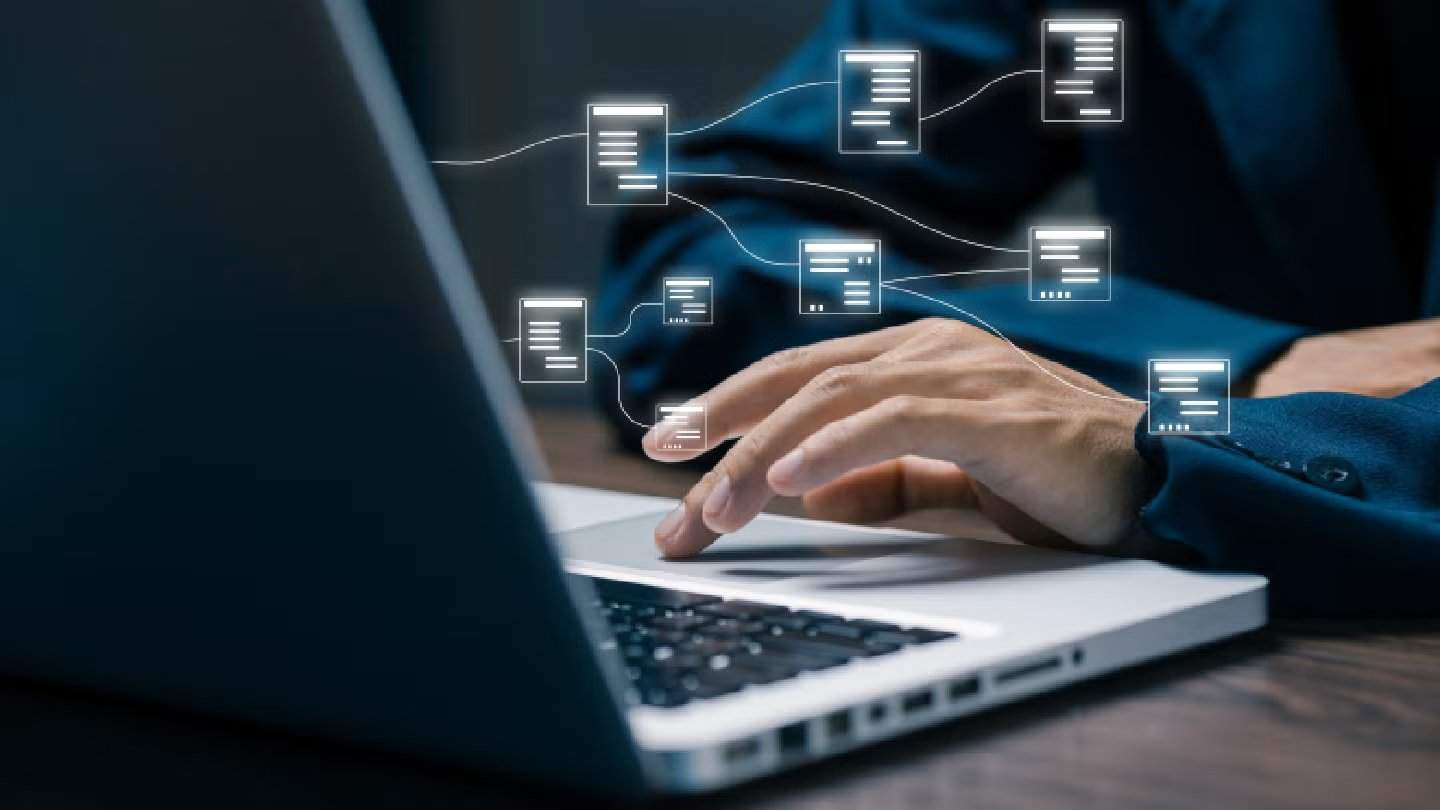
en.Wedoany.com Reported - Brazilian industrial companies face a growing paradox: technology investments are increasing, yet production errors still occur due to information failures. Engineering change orders fail to reach the assembly line in time, procurement places orders based on outdated specifications, and customer service only notices problems when face-to-face with the end customer—each department maintaining its own version of product data is the common root of these disruptions. The integration of Product Lifecycle Management (PLM), Enterprise Resource Planning (ERP), Manufacturing Execution Systems (MES), and Computer-Aided Design (CAD) can address this situation by establishing a Single Source of Truth for the company.
The cost of fragmentation rarely appears as a standalone line item on a balance sheet; instead, it is distributed across rework hours, delivery delays, procurement based on incorrect specifications, and the loss of technical knowledge when senior professionals leave without structured documentation of processes. The manual conversion between Engineering Bill of Materials (EBOM) and Manufacturing Bill of Materials (MBOM) is a typical example: every manual operation represents an opportunity for error, and a single improperly inserted material item in the manufacturing system can halt an entire production line. This inefficiency is subtle, yet it has a decisive impact on the competitiveness of Brazilian domestic industry.
A Single Source of Truth is not software, but a governance logic: all departments of the company operate at the same time, with the same version, and using the same data, with clear accountability for who maintains each piece of information, in which system, and at which stage of the product lifecycle. PLM is the system designed to support this principle, centralizing product information from concept and engineering design through manufacturing, sales, and after-sales; when properly integrated with other systems, any change made by engineering is automatically propagated to all areas that depend on that information, with full traceability. PLM and ERP are not competitors but complementary: PLM centralizes the technical knowledge of the product, while ERP manages business processes such as supply chain, finance, and operations. If the two systems remain isolated, correct data becomes trapped in PLM and never reaches ERP, forcing procurement and production decisions to be made based on outdated information.
Each of the four systems has its own distinct role, and their functions are irreplaceable. PLM ensures the integrity of technical data throughout the entire product lifecycle; ERP connects this data with business operations; MES monitors and controls the production process in real time, ensuring the factory operates according to the latest specifications; CAD is the source of geometric and technical data that feeds the entire chain. If a company bypasses PLM and feeds CAD data directly into ERP, technical data goes unvalidated, lacks revision history and change traceability, design changes generate no automatic records, and outdated versions may enter the production line unnoticed. The correct sequence for integrated operations is: CAD feeds PLM, PLM converts and governs EBOM into MBOM, which is passed to ERP, and ERP then directs MES for execution on the factory floor. Every step has an accountable owner, every piece of data has a current version, and any modification can be traced end-to-end.
Traceability is a direct result of data governance. As product information flows along the digital thread between PLM, ERP, and MES, each manufactured component can be linked to batch numbers, serial numbers, project revisions, inspections performed, and changes applied, forming a complete historical record that enables companies to meet audit and regulatory requirements and to locate root causes before issues escalate into quality crises. In Brazil, as major buyers raise regulatory requirements and quality standards, traceability is no longer a competitive advantage but a prerequisite for market access. When all departments share the same Single Source of Truth, the nature of collaboration between engineering, production, procurement, and service also changes: engineering not only designs but also validates whether changes are feasible for the supply chain and the assembly line; procurement places orders based on specifications that reflect the current state of the project; and production manufactures based on data that has been validated and approved before reaching the factory floor.
The integration of PLM, ERP, MES, and CAD is not the endpoint of a modern manufacturing strategy, but rather the result of a prior strategic decision—the company's choice to treat product information as a strategic asset, governed, tracked, and shared with the same discipline applied to other critical business resources. Companies that reach this level of digital maturity not only eliminate rework but also remove the operational uncertainty caused by data fragmentation, laying the foundation for faster, more reliable, and more competitive decision-making in the Brazilian industrial market. In the field of system integration services, partners such as 9altitudes stand at this intersection: by integrating systems and data, they transform the knowledge accumulated in operations into a true competitive advantage.
Related Products


Industrial and Commercial Point-Type Gas Detector
Jinan Benan Technology Development Co., Ltd.
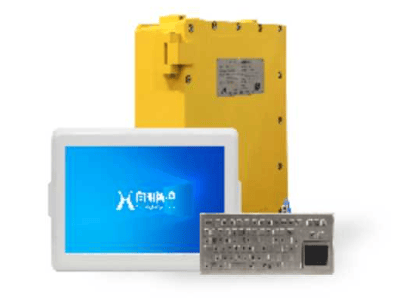
KJD127(A) Mining Explosion-Proof and Intrinsically Safe Computer
Taiyuan Xiangming Intelligent Control Technology Co., Ltd.



Conveyor Belt Intelligent Monitoring System
LUO YANG WIRE ROPE INSPECTION TECHNOLOGY CO., LTD.

Mine Explosion-proof and Intrinsically Safe Industrial Ethernet Ring Network (10 Gigabit/Gigabit)
Chongqing Mas Sci&Tech Co., Ltd.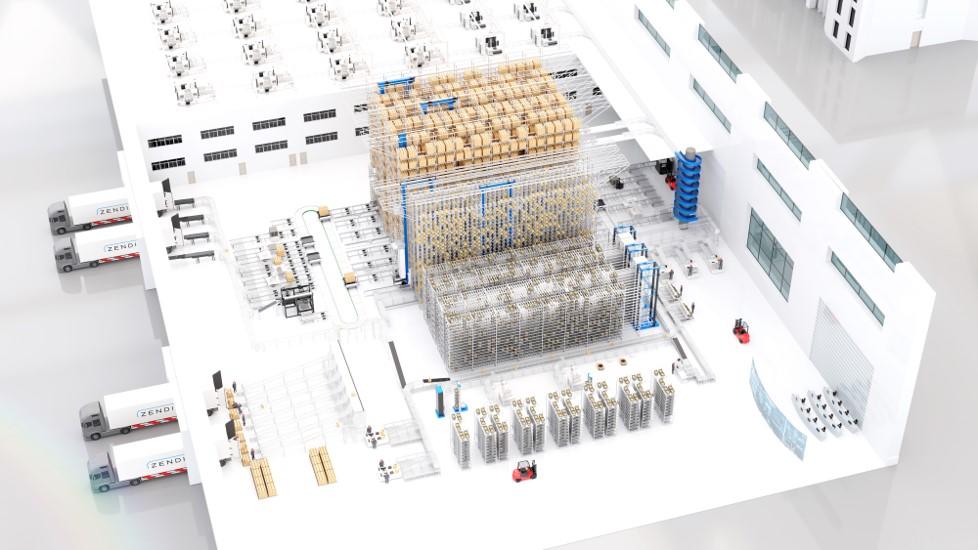
One-Stop Steward Service for the Entire Logistics System Integration Chain
Zhongding Intelligent (Wuxi) Technology Co., Ltd.
20 Inch 1600*900 Full HD 60Hz TFT LED Monitor with VGA and DP Interfaces for Desktop Computers-Business Use
Guangzhou Zanying Optoelectronics Technology Co., Ltd.
Comprehensive Mining Automation Control System
Beijing Tianma Intelligent Control Technology Co., Ltd.