Germany, France, and the Netherlands jointly urge the EU to tighten rules on ultra-fast fashion textiles
en.Wedoany.com Reported - With the support of member states including Slovenia and Denmark, Germany, France, and the Netherlands have jointly urged the European Commission to tighten existing and proposed rules on ultra-fast fashion textiles, in order to address the environmental and recycling challenges posed by cheap, short-lived clothing.
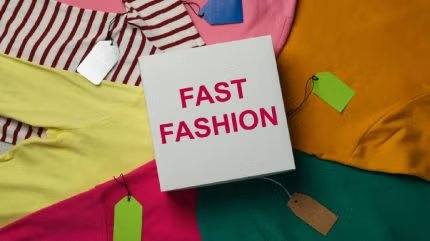
The ultra-fast fashion model relies on frequent online sales of large volumes of low-cost clothing, which typically has a short lifespan and is difficult to reuse or recycle.
Jochen Flasbarth, State Secretary at the German Federal Ministry for the Environment, stated that ultra-fast fashion is worn for only a very short time but creates problems in the long run. Once discarded, these garments are rarely reused or recycled as second-hand clothing, putting pressure on used clothing collection systems. He said this burdens resources, the climate, and waste management systems, and puts pressure on companies investing in long-lasting, circular textiles. Therefore, he called on the European Commission to set higher sustainability standards for ultra-fast fashion manufacturers, adding that producing cheap, disposable clothing cannot continue to be a competitive advantage.
Germany advocates for strict requirements in the upcoming EU Ecodesign Regulation, including mandatory recycled content and standards for the durability and recyclability of textiles. The German Federal Ministry for the Environment believes that establishing clear criteria is crucial for defining and regulating ultra-fast fashion.
Germany, France, the Netherlands, and other supporting EU countries also call for strengthened regulatory enforcement against online platforms and direct sales from non-EU countries. These countries argue that companies introducing large volumes of short-lived clothing into the EU market should bear a fair share of the costs associated with collection, sorting, reuse, and disposal. The alliance insists that environmental and product standards set by the EU should also apply to all online retailers.
The EU has already taken a series of measures to address issues related to the import of cheap products from outside the bloc. From July 1, customs duties have been imposed on parcels from non-EU countries, ending the previous exemption for goods valued under 150 euros. A fixed tariff of 3 euros currently applies to each product group, along with import VAT. Additionally, from July 19, 2026, an amendment to the Ecodesign Regulation will prohibit large companies from destroying certain unsold consumer goods.
Related Products


Yingping Mining Section Open-pit Tailings Backfill Treatment of Goaf Ecological Restoration EPC Project
China Bluestar Lehigh Engineering Corporation
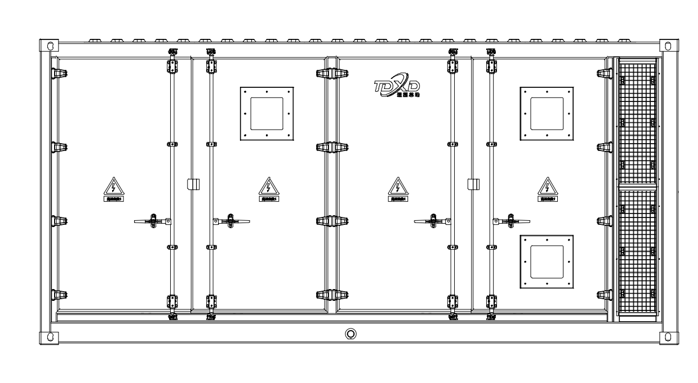
5012kWh DC Energy Storage System TD-EES-5012kWh
Suzhou Tongding Xindong Energy Storage Technology Co., Ltd.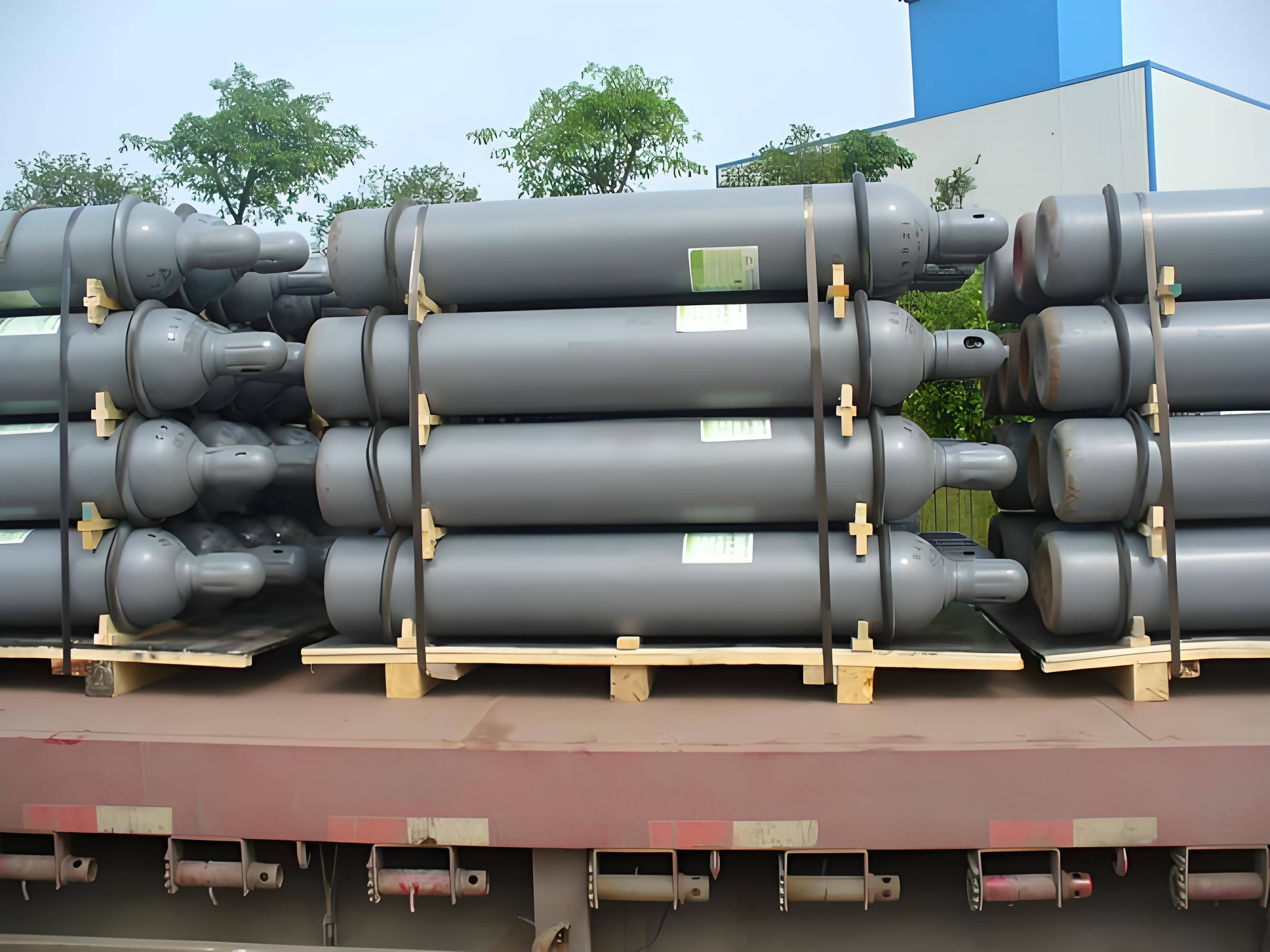
Global Sulfur Hexafluoride Gas Supply and Cylinder Export
Foshan Yuexin Industrial Gas Co., Ltd.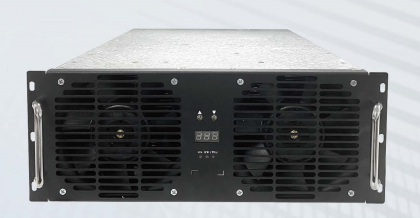
80kW Megawatt Supercharging Module TH80F10030C9
Shijiazhuang Tonhe Electronics Technologies Co., Ltd.
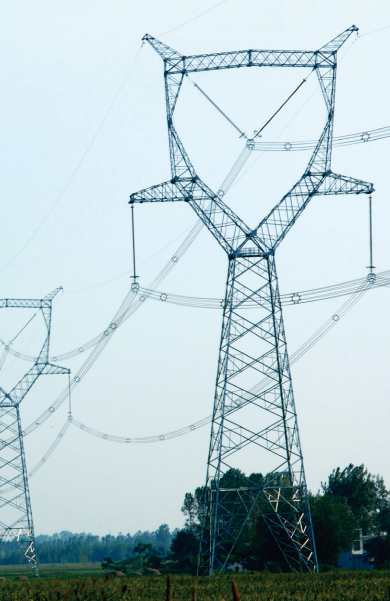
1000kV Jin Southeast-Nanyang-Jingmen UHV AC Transmission and Transformation Pilot Demonstration Project
Anhui Hongyuan Steel Tower Co., Ltd.
Oil-immersed Amorphous Alloy Core Distribution Transformer
Pinggao Group Smart Electric Co., Ltd.