Brazil's Ministry of Mines and Energy expects to sign first natural gas regulatory agreements with states starting this month
en.Wedoany.com Reported - Brazil's Ministry of Mines and Energy (MME) expects to sign the first natural gas market regulatory coordination agreements with states starting this month. The ministry has begun circulating draft technical cooperation agreements to be signed with regulatory agencies and state secretariats. According to agência eixos, one of the first signatories is expected to be the state of Sergipe.
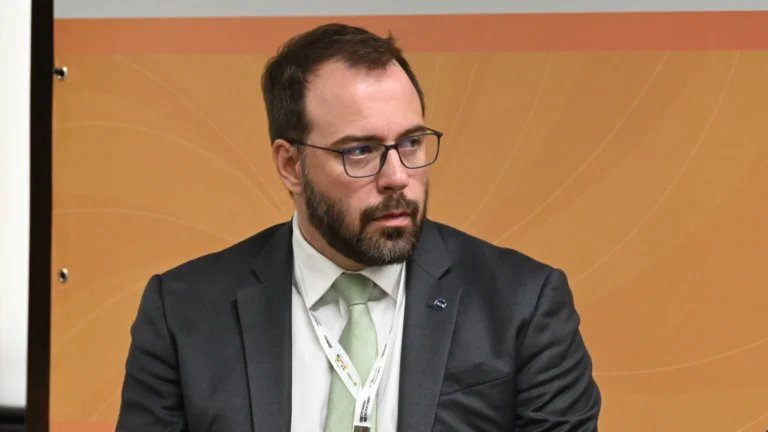
Formally named the National Agreement for the Development of the Natural Gas Market (Pacto Nacional para o Desenvolvimento do Mercado de Gás Natural), the agreement is voluntary in nature and aims to establish a permanent space for dialogue for sharing experiences and building joint solutions. The agreement stipulates the development of an execution work plan, with priority topics jointly defined by the signatories, and the establishment of tracking indicators for coordination and regulatory improvement. The agreement structure envisions two permanent working groups: the Agreement Management Meeting (RGP), held every two months with management-level representatives from all signatories, responsible for approving the execution work plan, tracking agreed actions, and issuing semi-annual reports; and the Temporary Technical Meeting (RTT), convened to address specific topics, with technical representatives designated by the signatories. The MME will be responsible for proposing the first draft work plan, which will be analyzed and adjusted after interaction with signatories during the initial meeting. The ministry emphasizes that the agreement presupposes "horizontal and cooperative coordination," without transferring authority between signatory institutions, imposing unilateral obligations, or depriving any party of regulatory autonomy. The agreement's management will be the responsibility of the MME's Director of the Natural Gas Department, currently held by Marcello Weydt. Services will be provided on a mutual cooperation basis, with participants receiving no compensation, and costs covered by specific funds from the participating institutions' budgets.
In the technical note drafting the agreement, the MME noted that the most contentious topics in the 2025 public consultation included the division of powers between federal entities, such as the regulation of the free market (e.g., migration conditions) and the interface between transmission pipelines and local service pipelines. The federal dispute between the state of São Paulo and the National Agency of Petroleum, Natural Gas and Biofuels (ANP) at the Federal Supreme Court (STF) over the Subida da Serra pipeline is a typical case of jurisdictional conflict. The ANP has indicated its intention to challenge at least five state laws at the STF. The collection of regulatory fees from traders by states is another topic that could lead to litigation; in São Paulo, Eneva has already filed a lawsuit. The agreement also stipulates that the MME will coordinate activities with the ANP and states to harmonize and improve regulations, including those related to free consumer regulation.
The MME emphasized that during the 2025 public consultation, reaching consensus on specific regulatory or normative solutions proved difficult, leading to the choice of structuring the agreement as a voluntary technical cooperation pact to "jointly address" identified divergences and "gradually build" understanding and advance necessary coordination and regulatory improvements. Obligations for participants include: promoting necessary adjustments when inconsistent regulations are identified; acknowledging potential divergences in regulatory interpretation or application and seeking amicable resolution; ensuring a clear separation between competitive gas sales activities and network logistics services; and submitting divergences that cannot be directly resolved through bilateral agreements to the Federal Public Administration Mediation and Conciliation Committee. The agreement is a concept introduced by Decree No. 10.712/2021, which regulates the 2021 Gas Law, and presupposes mechanisms such as forming a knowledge network coordinated by the MME, developing standard policy guidelines and manual proposals, and the ANP proposing guidelines for state pipeline local service regulation.
In terms of natural gas market dynamics, Mercurio Partners is targeting acquisition opportunities in mature onshore oil fields to vertically integrate its natural gas power generation business. The company secured two thermal power plant projects in the second long-term power auction—UTE Paulínia (23 MW) and UTE Pilar (250 MW)—and is now focused on building a natural gas supply portfolio. Petrobras has approved a natural gas price volatility protection mechanism. According to the state-owned company, through a ceiling and floor scheme, the gas component adjustment for distributors in August would be reduced from a potential increase of 22% to 6%. The Electric Sector Monitoring Committee (CMSE) noted this week that if scenarios of increased energy demand and adverse climate conditions are confirmed, the use of thermal power plants as a supplement may be considered. Gasmig will invest over 1 billion reais to transport biomethane to the Triângulo Mineiro region of Minas Gerais, connecting the cities of Uberaba, Uberlândia, Araxá, and Indianópolis. Welder Souza, Commercial Manager of the distributor's automotive division, stated during the event that the project plans to inject 250,000 cubic meters of biomethane per day into the pipeline network. JBS stated that Âmbar Energia, the energy company of the J&F group, will invest 65 million reais to expand biomethane production at Friboi's plants in Campo Grande II, Lins, and Andradina, with the expansion expected to increase biomethane output by over 14 million cubic meters annually.
Related Products
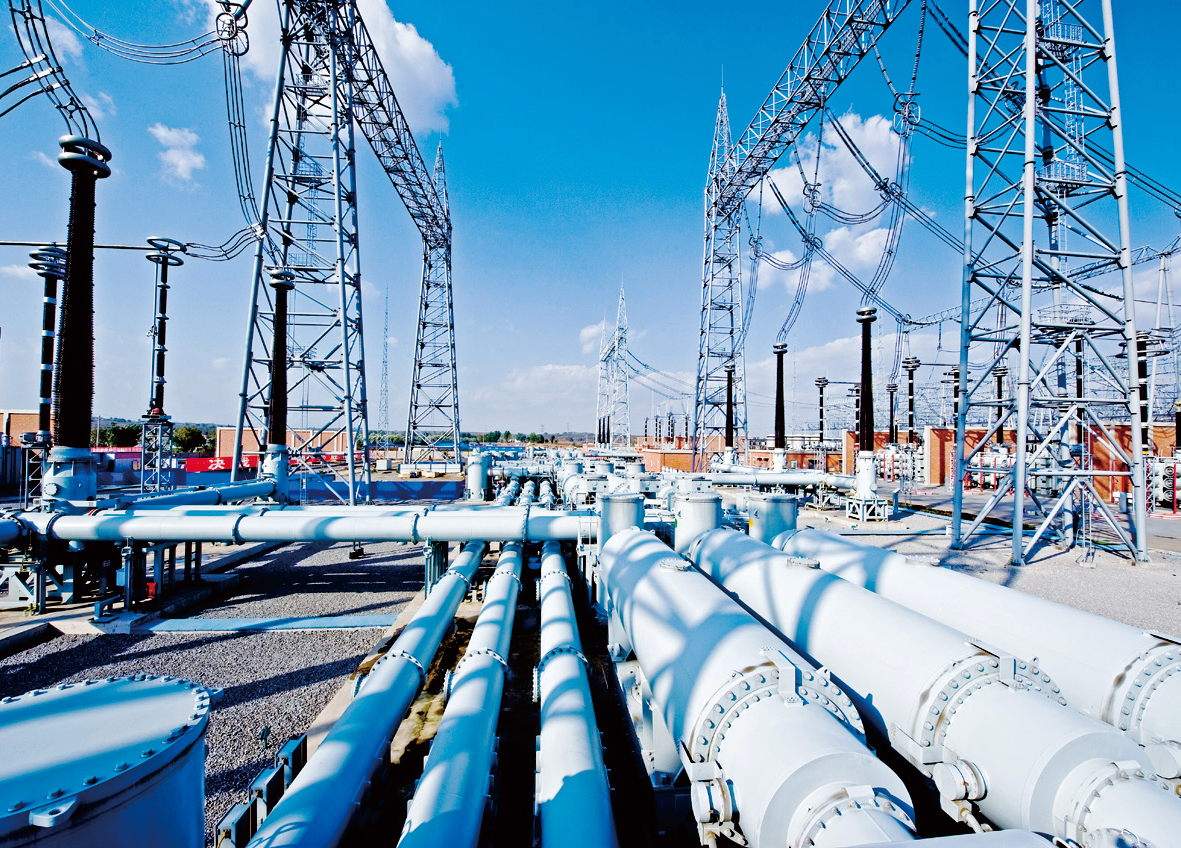

40.5kV-1100kV Gas Insulated Metal-Enclosed Switchgear (GIS)
Henan Pinggao Electric Co., Ltd.
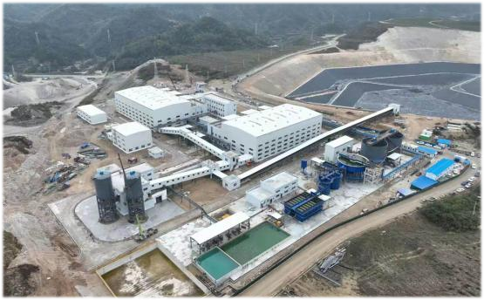
Yingping Mining Section Open-pit Tailings Backfill Treatment of Goaf Ecological Restoration EPC Project
China Bluestar Lehigh Engineering Corporation


Forest and Grassland Heat Source Infrared Monitor
China Huayun Meteorological Technology Group Co., Ltd.
TYC Series High-Efficiency Permanent Magnet Synchronous Motor
Xiangdian Smart Energy Technology Co., Ltd.